Work-life balance after 55 is not about choosing between career and leisure””it is about strategically blending both to create a sustainable final chapter of your working years while building the foundation for a fulfilling retirement. The most successful approach involves gradually reducing work hours, negotiating flexible arrangements, and intentionally expanding leisure activities over a three to seven year transition period rather than making an abrupt shift from full-time work to complete retirement. Consider the case of a 57-year-old accountant who negotiated a four-day workweek with her firm, using the extra day to develop a watercolor painting practice she had abandoned decades earlier. Within two years, she had reduced to three days while her art became both a source of income and a social outlet.
By 60, she transitioned to consulting work during tax season only, having built a life rich with purpose that did not depend solely on her career identity. This gradual approach prevented the depression and loss of purpose that strikes many retirees who quit working cold turkey. This article examines the real tensions between maintaining career engagement and pursuing leisure after 55, including how to evaluate whether you are working for the right reasons, the financial calculations that determine your timeline, and the psychological preparation required for this transition. You will find practical frameworks for negotiating reduced hours, warnings about common pitfalls, and specific steps to build a leisure life that provides the meaning and social connection your career currently supplies.
Table of Contents
- Why Does Work-Life Balance Become Critical After Age 55?
- The Financial Reality of Choosing Leisure Over Career Income
- The Psychological Transition From Career Identity to Leisure
- Warning Signs That Your Work-Life Balance Needs Immediate Attention
- Building a Leisure Portfolio That Provides Meaning
- How to Prepare
- How to Apply This
- Expert Tips
- Conclusion
- Frequently Asked Questions
Why Does Work-Life Balance Become Critical After Age 55?
The years between 55 and 65 represent a unique window where career decisions carry permanent consequences in ways they did not at 35 or 45. A job loss at 57 often means difficulty finding equivalent employment due to age discrimination, while voluntarily staying too long in a demanding role can damage health and relationships in ways that diminish retirement quality. The balance question intensifies because the stakes on both sides increase simultaneously. Research from the Transamerica Center for Retirement Studies reveals that workers over 55 cite stress and burnout as leading reasons for wanting to retire early, yet the same workers express fear about having enough money and losing their professional identity. This tension creates a paralysis where many continue overworking while dreaming of leisure, or retire precipitously without adequate financial or psychological preparation.
Neither extreme serves them well. The comparison between those who plan this transition and those who do not is stark. Workers who begin reducing hours and building non-work interests by their mid-fifties report higher life satisfaction in retirement than those who maintain intense career focus until a hard stop date. However, this planning advantage only materializes when the reduced work arrangement is genuinely sustainable financially. Cutting hours prematurely can force a return to full-time work under worse conditions, so the balance must be calibrated to individual circumstances.

The Financial Reality of Choosing Leisure Over Career Income
Every hour shifted from paid work to leisure carries a calculable cost that extends beyond the immediate paycheck. A worker earning $80,000 annually who reduces to 80 percent time loses $16,000 per year in income, but the compound effect on retirement savings, Social Security benefits, and employer 401(k) matching over five years can exceed $150,000 in total retirement resources. Understanding this math is essential before making balance decisions. Social Security benefits are calculated using your highest 35 years of earnings, so continued high-earning years after 55 can replace lower-earning early career years in that calculation, meaningfully increasing monthly benefits for life.
If you reduced hours at 56 instead of 62, you might sacrifice six years of peak earnings that would otherwise boost your permanent benefit amount. For someone whose early career included periods of low income, part-time work, or time out of the workforce, working longer at full capacity can add hundreds of dollars to monthly Social Security checks. However, if you have already accumulated 35 years of solid earnings history and your current income would not displace any existing years in the calculation, the Social Security argument for continued full-time work weakens considerably. Similarly, workers with defined benefit pensions that calculate benefits based on final average salary face different incentives than those with only 401(k) accounts. The financial case for prioritizing career varies dramatically based on your specific benefit structures, making personalized analysis essential before assuming you cannot afford to rebalance.
The Psychological Transition From Career Identity to Leisure
For workers who have spent three or four decades building professional expertise and reputation, the shift toward leisure can trigger an identity crisis that financial planning alone cannot address. Career provides structure, social relationships, intellectual stimulation, and a ready answer to the question “what do you do?” Leisure must eventually replace all of these functions, and that replacement does not happen automatically when work ends. A 58-year-old attorney who retired abruptly after selling his partnership stake reported severe depression within six months despite complete financial security. His days lacked structure, his professional friendships faded without the office as a gathering place, and he found himself unable to answer basic questions about his current life without referencing his former career. Golf and travel, which he had dreamed about for years, felt hollow without an identity framework to give them meaning. The antidote is building what researchers call “serious leisure”””activities pursued systematically that develop skills, create community, and generate a sense of accomplishment. The transition period after 55 is ideal for this development because you can gradually shift energy from career to these pursuits while still maintaining professional identity and income. Waiting until full retirement to discover your serious leisure interests means the identity void arrives before the replacement is ready, creating unnecessary psychological risk.
## How to Negotiate Reduced Hours Without Derailing Your Career Approaching your employer about reduced hours requires framing the request as a business proposition rather than a personal accommodation. Employers respond better when you propose a specific arrangement that addresses their needs””such as training your replacement, maintaining critical client relationships, or providing seasonal coverage during peak periods””while reducing your hours and compensation proportionally. The comparison between successful and unsuccessful requests often comes down to timing and positioning. Workers who raise the possibility during annual reviews or after completing major projects negotiate from strength, while those who ask during periods of restructuring or poor performance face rejection and potential accelerated exit. Similarly, proposing a three-day schedule immediately raises concerns about commitment, while suggesting a four-day week as a trial for one year feels more manageable to risk-averse managers. One manufacturing executive successfully transitioned by proposing to shift from operational management to strategic advising, working from home three days weekly while coming to the office for critical meetings only. This arrangement worked because it addressed the company’s succession concern while reducing his stress and commute. His counterexample was a colleague who simply asked for fewer hours without a structural proposal, was denied, and remained resentful in a full-time role until an early retirement package finally provided an exit.
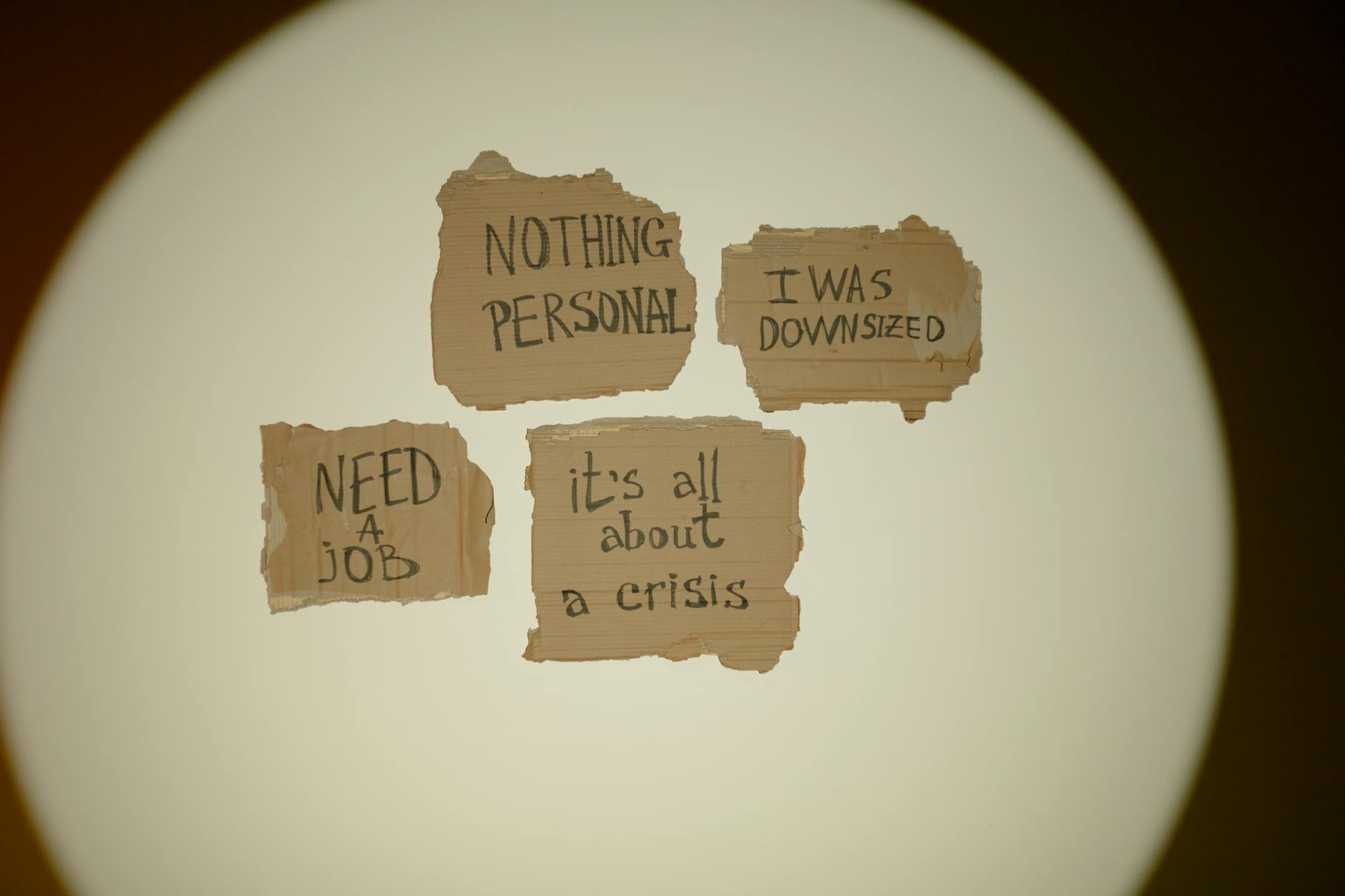
Warning Signs That Your Work-Life Balance Needs Immediate Attention
Physical symptoms often signal imbalance before psychological awareness catches up. Chronic sleep disruption, unexplained weight changes, persistent headaches, elevated blood pressure, and frequent illness all correlate with work stress that demands rebalancing regardless of financial considerations. Workers over 55 face higher health stakes from chronic stress, and the medical costs and reduced quality of life from stress-related illness can exceed the income gained by continuing to overwork. Relationship deterioration provides another warning that balance has shifted too far toward career. When your spouse or partner has stopped suggesting activities because you are always too busy or too tired, when adult children visit less frequently, or when you realize you have not seen close friends in months, these patterns indicate that work has crowded out the relationships that will matter most in retirement.
Rebuilding these connections takes years, and waiting until after retirement may mean starting over with diminished social skills and energy. However, the warning signs can also point the other direction. Workers who disengage from careers prematurely sometimes exhibit signs of depression or avoidance that they mistake for readiness for leisure. If your desire to stop working stems primarily from a difficult boss, an unpleasant project, or a fixable workplace problem rather than genuine pull toward other activities, reducing hours may not solve the underlying issue. Address specific problems before assuming the entire work-life equation needs restructuring.
Building a Leisure Portfolio That Provides Meaning
Just as financial advisors recommend diversifying investment portfolios, retirement researchers recommend diversifying leisure activities across categories: physical pursuits for health, social activities for connection, creative endeavors for self-expression, and volunteer work for contribution. Over-reliance on any single category creates vulnerability if that activity becomes unavailable due to health, geography, or other changes. A retired teacher who built her entire leisure identity around hiking faced crisis when knee problems required surgery and lengthy recovery. Her friends were hiking partners she saw only on trails, her sense of accomplishment came from completing challenging routes, and her weekly structure depended on planned hikes. The recovery period felt like a preview of depressing retirement because she had no alternative sources of the benefits hiking provided.
Diversification would have given her social, achievement, and structure alternatives during the medical setback. The years before retirement are optimal for experimentation because failure carries lower stakes. Trying a book club, volunteer position, or hobby class that turns out to be unsatisfying costs little when you have work to fall back on. Discovering the same mismatch after retirement, when you desperately need that activity to work, creates pressure that makes enjoyment difficult. Use the balance between work and leisure after 55 as a laboratory for discovering what will sustain you in full retirement.

How to Prepare
- Calculate your actual financial independence number by working with a fee-only financial planner who can model scenarios including reduced hours, early retirement, and various Social Security claiming strategies. Generic rules of thumb do not account for your specific pension, savings, health insurance situation, and spending patterns. This analysis often reveals more flexibility than expected for some workers and less for others.
- Audit how you currently spend non-work time to identify patterns and opportunities. Many workers discover they spend leisure hours on passive consumption like television rather than activities that build skills or relationships. Changing these patterns while still working creates momentum that continues into retirement.
- Have explicit conversations with your spouse or partner about expectations for the transition. Misaligned visions””where one partner expects to travel extensively while the other plans to pursue local hobbies””create conflict that could be resolved through early discussion. Retirement satisfaction correlates strongly with couple agreement on how time will be spent.
- Research your employer’s policies on phased retirement, part-time arrangements, consulting agreements, and bridge employment. Some organizations have formal programs while others require individual negotiation. Understanding the landscape before making requests improves outcomes.
- Begin at least one serious leisure activity while still working full-time to test your interest and begin skill development. A common mistake is assuming you will figure out hobbies after retirement, only to discover that starting from zero in your sixties feels overwhelming and lonely.
How to Apply This
- Block leisure time on your calendar with the same commitment you give work meetings. Physical and social activities scheduled for specific times happen consistently, while vague intentions to exercise more or see friends more fit around increasingly demanding work schedules and never materialize. Treat leisure appointments as non-negotiable.
- Negotiate one concrete change to your work arrangement within the next six months, even if small. This might be working from home one day weekly, adjusting your hours to avoid commute traffic, or shifting to a less demanding role within your organization. Small changes prove that modification is possible and build confidence for larger adjustments.
- Join at least one organization or group unrelated to your career to begin building social connections that will survive retirement. Professional associations provide value now but evaporate when you leave the field. Community groups, hobby clubs, faith communities, and volunteer organizations create relationships based on who you are rather than what you do for work.
- Have a direct conversation with your manager about your five-year vision, including your interest in eventual transition. Counterintuitively, this transparency often improves your current standing by signaling commitment to an orderly transition rather than abrupt departure. Managers prefer predictability and may accommodate requests to facilitate smoother succession.
Expert Tips
- Start serious leisure activities at least three years before anticipated retirement to allow time for skill development and community building. Activities begun earlier provide richer retirement experience than those started after the last day of work.
- Do not announce retirement plans to colleagues until arrangements are finalized, as premature disclosure can lead to being excluded from projects, passed over for opportunities, or pressured to leave earlier than planned.
- Track energy and mood patterns for several months before making major changes to identify whether fatigue stems from work itself or from poor sleep, health issues, or depression that would follow you into retirement.
- Consider geographic implications of career decisions, as some reduced-hour arrangements require continued presence near your employer while others enable relocation. Clarify location flexibility before assuming you can move.
- Avoid the trap of monetizing every hobby by turning pleasures into side businesses. Not every interest needs to generate income, and the pressure to perform financially can ruin activities that would otherwise provide pure enjoyment.
Conclusion
Achieving work-life balance after 55 requires treating the transition as a deliberate project rather than something that will sort itself out. The workers who thrive in this period take concrete steps to understand their financial situation, negotiate sustainable work arrangements, build meaningful leisure activities, and invest in relationships that will matter after career ends. Those who postpone these efforts until retirement find themselves facing identity crisis, social isolation, and purposelessness that adequate planning would have prevented.
Your next steps should include scheduling a comprehensive financial review, having honest conversations with your partner about transition expectations, and committing to at least one serious leisure activity that you will develop over the coming years. The balance between career and leisure after 55 is not a problem to solve once but an ongoing calibration that shifts gradually toward leisure as you approach and enter retirement. Beginning that calibration now, while you still have career resources and identity to draw upon, creates the foundation for a retirement that delivers on the promises you have been making yourself for decades.
Frequently Asked Questions
How long does it typically take to see results?
Results vary depending on individual circumstances, but most people begin to see meaningful progress within 4-8 weeks of consistent effort. Patience and persistence are key factors in achieving lasting outcomes.
Is this approach suitable for beginners?
Yes, this approach works well for beginners when implemented gradually. Starting with the fundamentals and building up over time leads to better long-term results than trying to do everything at once.
What are the most common mistakes to avoid?
The most common mistakes include rushing the process, skipping foundational steps, and failing to track progress. Taking a methodical approach and learning from both successes and setbacks leads to better outcomes.
How can I measure my progress effectively?
Set specific, measurable goals at the outset and track relevant metrics regularly. Keep a journal or log to document your journey, and periodically review your progress against your initial objectives.
When should I seek professional help?
Consider consulting a professional if you encounter persistent challenges, need specialized expertise, or want to accelerate your progress. Professional guidance can provide valuable insights and help you avoid costly mistakes.
What resources do you recommend for further learning?
Look for reputable sources in the field, including industry publications, expert blogs, and educational courses. Joining communities of practitioners can also provide valuable peer support and knowledge sharing.