
Social Security payments may change when you work because of two distinct mechanisms: the retirement earnings test, which temporarily reduces benefits if you earn above certain thresholds before reaching full retirement age, and benefit recalculation, which can increase your payments when recent earnings replace lower-earning years in your benefit calculation. For example, if you claim benefits at 62 and earn $30,000 from work in 2024, Social Security will withhold $1 for every $2 you earn above the $22,320 annual limit, reducing your yearly benefit by approximately $3,840. However, this reduction is not permanent””once you reach full retirement age, your benefit is recalculated to credit you for any months benefits were withheld.
The interplay between working and receiving Social Security creates both opportunities and potential pitfalls for retirees. Many people assume that any work will hurt their benefits, but this is only partially true and depends heavily on your age and earnings level. Understanding these rules can help you make informed decisions about when to claim benefits and how much to work during retirement.
Table of Contents
- How Does Working Affect Social Security Benefits Before Full Retirement Age?
- What Income Counts Toward the Social Security Earnings Limit?
- How Social Security Recalculates Your Benefit After Full Retirement Age
- Strategies for Balancing Work Income and Social Security
- Tax Implications of Working While Receiving Social Security
- Special Rules for Self-Employed Retirees
- How to Prepare
- How to Apply This
- Expert Tips
- Frequently Asked Questions
How Does Working Affect Social Security Benefits Before Full Retirement Age?
The retirement earnings test applies only to people who claim social Security before reaching full retirement age and continue to work. In 2024, if you are under full retirement age for the entire year, Social Security withholds $1 in benefits for every $2 you earn above $22,320. This threshold adjusts annually for inflation, and the reduction applies to gross wages and net self-employment income, not investment income, pensions, or other retirement distributions. The rules become more lenient in the year you reach full retirement age. During that year, Social Security withholds $1 for every $3 you earn above a higher threshold””$59,520 in 2024″”and only counts earnings from months before your birthday month.
Once you reach full retirement age, the earnings test disappears entirely, and you can earn unlimited amounts without any benefit reduction. Consider a 63-year-old receiving $1,500 monthly in Social Security who earns $40,000 from part-time consulting. The earnings exceed the limit by $17,680, triggering a withholding of $8,840 for the year. Social Security would withhold full monthly checks until the amount is recovered, meaning roughly six months of benefits would be held back. However, this person should understand that “withheld” does not mean “lost”””the adjustment at full retirement age will restore most of this reduction over time.

What Income Counts Toward the Social Security Earnings Limit?
Only earned income“”wages from employment and net earnings from self-employment””counts toward the earnings test. Investment income, rental income, pension payments, 401(k) withdrawals, annuity payments, and interest or dividends do not trigger benefit reductions. This distinction is critical for retirees planning their income sources, as you could receive $100,000 in investment income without affecting your Social Security benefits, while $30,000 in wages could trigger significant withholding. However, the timing of when you receive income matters for wage earners but not for the self-employed. Wages count in the year you earn them, regardless of when paid.
Self-employment income, by contrast, counts when you receive it. If you are winding down a business, receiving large payments in a year you have already reached full retirement age could be advantageous. One limitation many people overlook: severance pay, accumulated vacation pay, and bonuses may count as earnings in the year received, even if they relate to work performed in previous years. If you are retiring and will receive a lump sum payout, consult with Social Security about how this affects your benefits. The rules can be complex, and misunderstanding them could lead to unexpected benefit withholding.
How Social Security Recalculates Your Benefit After Full Retirement Age
When you reach full retirement age, Social Security performs an automatic recalculation to account for any months your benefits were reduced due to the earnings test. The adjustment increases your monthly benefit to reflect that you did not receive full payments for those months, effectively spreading the withheld amount over your remaining lifetime. This is not a lump sum repayment but rather a permanent increase in your monthly check. For example, if you claimed at 62 and had 12 months of benefits fully withheld due to earnings, your benefit at full retirement age would be recalculated as if you had claimed at 63 instead. The reduction for early claiming would be based on 48 months early rather than 60 months, resulting in a smaller permanent reduction.
Over a long retirement, this adjustment can return most or all of the withheld benefits. This recalculation also considers whether your recent earnings are among your highest 35 years. Social Security bases your benefit on your 35 highest-earning years, adjusted for inflation. If you work during retirement and those earnings replace a lower year in your calculation, your benefit increases. This can happen even after you have begun receiving benefits, and Social Security performs this recalculation automatically each year.

Strategies for Balancing Work Income and Social Security
The decision to work while receiving Social Security involves trade-offs that vary based on individual circumstances. Delaying Social Security while continuing to work full-time often produces the best financial outcome, as benefits increase by 8% per year between full retirement age and 70, plus any cost-of-living adjustments. However, this strategy assumes you have other income sources to cover living expenses during the delay period. For those who need Social Security income but also want or need to work, managing earnings around the annual exempt amount can minimize benefit reductions.
If you can control your work hours or timing of income, staying below $22,320 in wages (for 2024) preserves your full benefit. Slightly exceeding the limit may make sense if the additional income substantially exceeds the benefit reduction, but large overages before full retirement age trigger significant withholding. Comparing two scenarios illustrates this trade-off: A 63-year-old could claim $18,000 annually in Social Security and earn $22,000 working, for total income of $40,000 with no benefit reduction. Alternatively, delaying Social Security until 67 while earning $50,000 provides higher current income and a larger future benefit, but requires four more years without Social Security. The right choice depends on your health, financial needs, other resources, and how long you expect to live.
Tax Implications of Working While Receiving Social Security
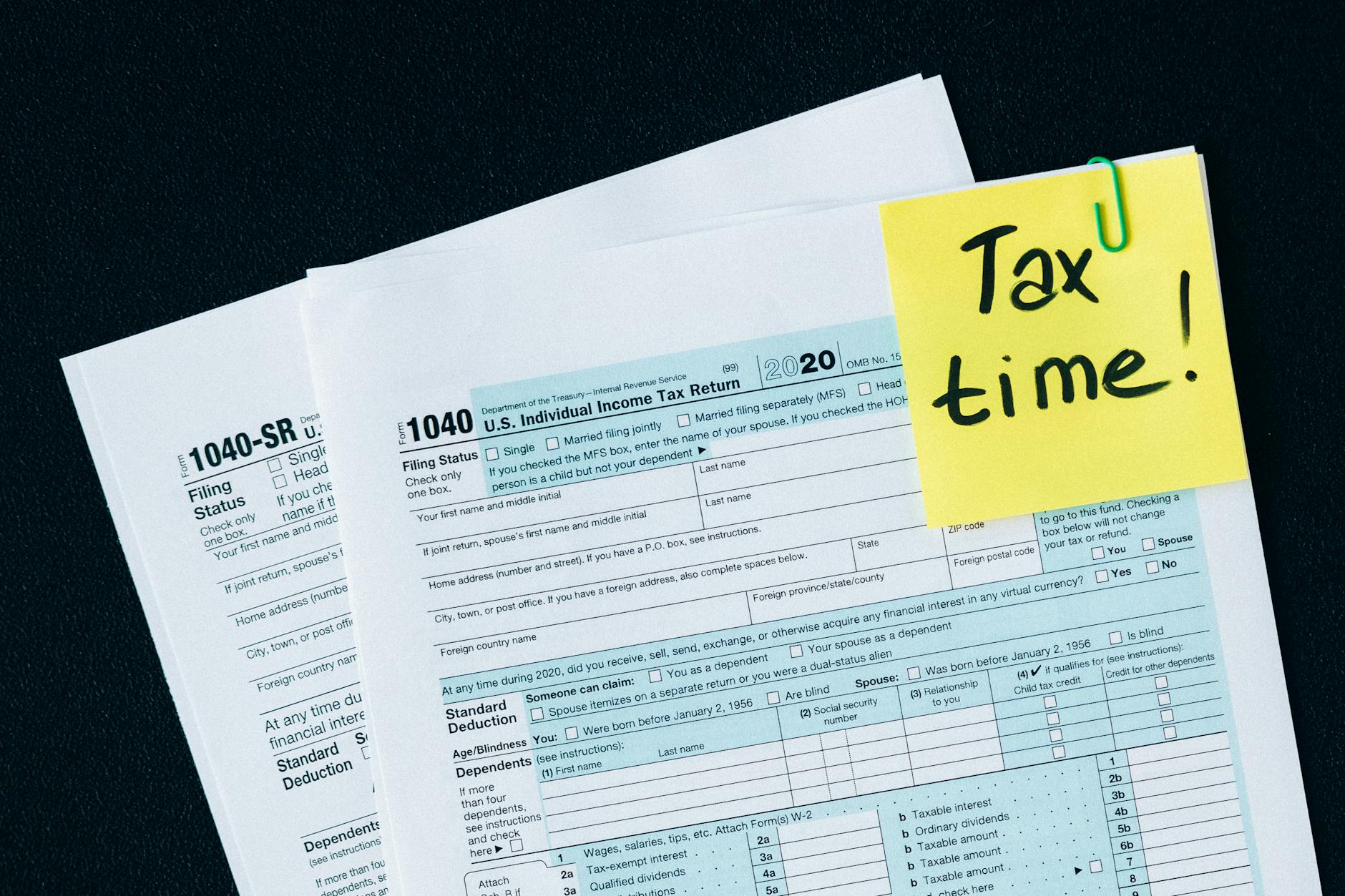
Working while receiving Social Security can trigger taxation of your benefits that would not occur if you had only Social Security income. Combined income””your adjusted gross income plus nontaxable interest plus half your Social Security benefits””determines how much of your benefits become taxable. Single filers with combined income above $25,000 may owe taxes on up to 50% of benefits, and above $34,000, up to 85% becomes taxable. For married couples filing jointly, up to 50% of benefits become taxable when combined income exceeds $32,000, and up to 85% when it exceeds $44,000.
📨 Get Free Medicare Guides Alerts
Free · No spam · Unsubscribe anytime
Work income directly increases your adjusted gross income, potentially pushing you into higher taxation of benefits. A person with $20,000 in Social Security and no other income pays no federal tax on benefits, but adding $30,000 in work income could make $17,000 of those benefits taxable. One important limitation: you cannot avoid this taxation through traditional retirement account contributions if you are receiving Social Security, as the work income already counts toward combined income regardless of how you save it. Roth conversions, qualified charitable distributions, and careful timing of income can help manage this issue, but working substantially while receiving benefits typically means some benefit taxation is unavoidable.
Special Rules for Self-Employed Retirees
Self-employed individuals face unique considerations when balancing work and Social Security. The earnings test applies to net self-employment income after deducting business expenses, providing some flexibility in managing taxable income through legitimate business deductions. Additionally, the first year of retirement has a special monthly test that can benefit those transitioning from full-time work. Under the monthly test, Social Security considers any month in which you earn less than the monthly equivalent of the annual limit ($1,860 in 2024) as a full retirement month, regardless of annual earnings.
A self-employed person who earned $100,000 through June but then retired and earned only $1,000 monthly could receive full Social Security benefits for July through December, even though annual earnings far exceeded the limit. This provision only applies in the first year of retirement. For example, a consultant who closes their practice mid-year and claims Social Security can receive full benefits for the remaining months if monthly earnings stay below the threshold, even with six figures earned earlier. This makes planning the timing of retirement and benefit claims particularly important for business owners.
How to Prepare
- **Obtain your Social Security Statement** by creating a my Social Security account at ssa.gov, which shows your earnings history and estimated benefits at different claiming ages.
- **Calculate your expected earnings** for the years between your planned claiming age and full retirement age, including all sources of earned income.
- **Run the numbers using the Social Security earnings test calculator** available on ssa.gov to estimate how much would be withheld based on your projected earnings.
- **Consider your complete financial picture** including other retirement savings, pension income, spouse’s benefits, and how long you expect to live.
- **Factor in taxation** by estimating your combined income at different work and claiming scenarios to understand the true after-tax impact.
How to Apply This
- **If you are already receiving benefits and plan to work**, report your expected earnings to Social Security at the beginning of each year so they can adjust your monthly payments gradually rather than demanding a large repayment later.
- **Track your earnings throughout the year** and notify Social Security if your actual earnings will differ significantly from your estimate, which prevents underpayment or overpayment of benefits.
- **After reaching full retirement age**, verify that Social Security has correctly recalculated your benefit to credit you for months of withheld benefits by reviewing your benefit verification letter.
- **Review your annual Social Security statement** each year to confirm that recent earnings have been properly recorded and have increased your benefit amount when applicable.
Expert Tips
- Delay claiming Social Security if you plan to work substantially before full retirement age, as the earnings test combined with early claiming reductions significantly reduces current income.
- Do not reduce work hours solely to stay under the earnings limit unless the math clearly favors that approach””earning $5,000 above the limit only costs $2,500 in withheld benefits that are largely restored later.
- Consider claiming spousal benefits while delaying your own retirement benefit if your spouse has already claimed, as spousal benefits are subject to the earnings test but your own benefit continues growing.
- Never assume investment income triggers the earnings test””only wages and self-employment income count, so restructuring income sources can preserve full benefits.
- Avoid claiming benefits in the same year you have high earnings from a job you are leaving, as severance and final pay can trigger substantial withholding that may have been avoidable by waiting a few months to claim.
Frequently Asked Questions
How long does it typically take to see results?
Results vary depending on individual circumstances, but most people begin to see meaningful progress within 4-8 weeks of consistent effort. Patience and persistence are key factors in achieving lasting outcomes.
Is this approach suitable for beginners?
Yes, this approach works well for beginners when implemented gradually. Starting with the fundamentals and building up over time leads to better long-term results than trying to do everything at once.
What are the most common mistakes to avoid?
The most common mistakes include rushing the process, skipping foundational steps, and failing to track progress. Taking a methodical approach and learning from both successes and setbacks leads to better outcomes.
How can I measure my progress effectively?
Set specific, measurable goals at the outset and track relevant metrics regularly. Keep a journal or log to document your journey, and periodically review your progress against your initial objectives.
When should I seek professional help?
Consider consulting a professional if you encounter persistent challenges, need specialized expertise, or want to accelerate your progress. Professional guidance can provide valuable insights and help you avoid costly mistakes.
What resources do you recommend for further learning?
Look for reputable sources in the field, including industry publications, expert blogs, and educational courses. Joining communities of practitioners can also provide valuable peer support and knowledge sharing.
You Might Also Like
- How Part-Time Work Impacts Social Security Payments
- Can You Work and Still Receive Full Social Security Benefits?
- When to Start Social Security if You Have a Pension and 401(k)