
Applying for a pension involves submitting a formal application to your pension plan administrator or employer, typically during a designated enrollment period or when you reach eligibility. The basic process requires completing an application form, providing necessary documentation to verify your employment history and age, and submitting these materials to your plan’s administrative office. For example, if you worked for a large corporation for 25 years and turn 62, you would contact the pension office, complete their application for early retirement benefits, submit documents like birth certificates and Social Security statements, and wait for approval—a process that typically takes 2-8 weeks depending on the organization.
The specific steps vary significantly based on whether you’re applying for a traditional defined-benefit pension, a defined-contribution plan distribution, or a government pension. Each type has different eligibility requirements, documentation needs, and timelines. Understanding which type of pension you have and what your plan specifically requires is the critical first step before attempting to apply.
Table of Contents
- What Documents Do You Need to Apply for a Pension?
- Understanding Eligibility Requirements and Timing Restrictions
- Navigating the Pension Application Process Step-by-Step
- Comparing Early Retirement versus Full Retirement Benefits
- Common Application Mistakes and How to Avoid Them
- Handling Applications for Multiple Pension Plans
- The Role of Digital Platforms and Future Application Trends
- Frequently Asked Questions
What Documents Do You Need to Apply for a Pension?
Most pension applications require a standard set of documents that verify your identity, employment history, and age. These typically include your original birth certificate or certified copy, Social Security card, photo identification, and documents proving your employment dates with the plan sponsor. Many plans also require recent pay stubs, tax returns, or W-2 statements to verify your earnings history, which forms the basis for calculating your benefit amount.
The specific documentation list varies by plan. A teacher applying for a state pension might need to submit official transcripts and certification records, while a union member might need to provide union membership cards and work authorizations. Some plans request marriage licenses if you’re claiming spousal benefits, or divorce decrees if you need to establish that certain benefits don’t apply. Always request the complete list directly from your pension administrator rather than assuming based on other applicants’ experiences—missing documents are the most common reason applications get delayed.
Understanding Eligibility Requirements and Timing Restrictions
Pension eligibility depends on both your age and years of service, and most plans have strict rules about when you can apply and receive benefits. A traditional defined-benefit plan might require you to be at least 55 or 62 years old and have worked there for 10-15 years, while other plans use different formulas combining age plus service years. Applying before you meet these requirements is a waste of time and resources; applications are typically rejected immediately if you don’t qualify.
One critical limitation many applicants overlook is the timing restriction on benefit receipt. Some plans allow you to apply up to 90 days before your eligibility date, while others require you to wait until you’ve officially met the age or service requirement. If you apply too early, you may have to reapply later, losing time and creating administrative hassles. Additionally, some pensions have a maximum age beyond which you cannot begin benefits—for instance, certain military pension programs must be applied for before age 70, even if you meet other requirements earlier.
Navigating the Pension Application Process Step-by-Step
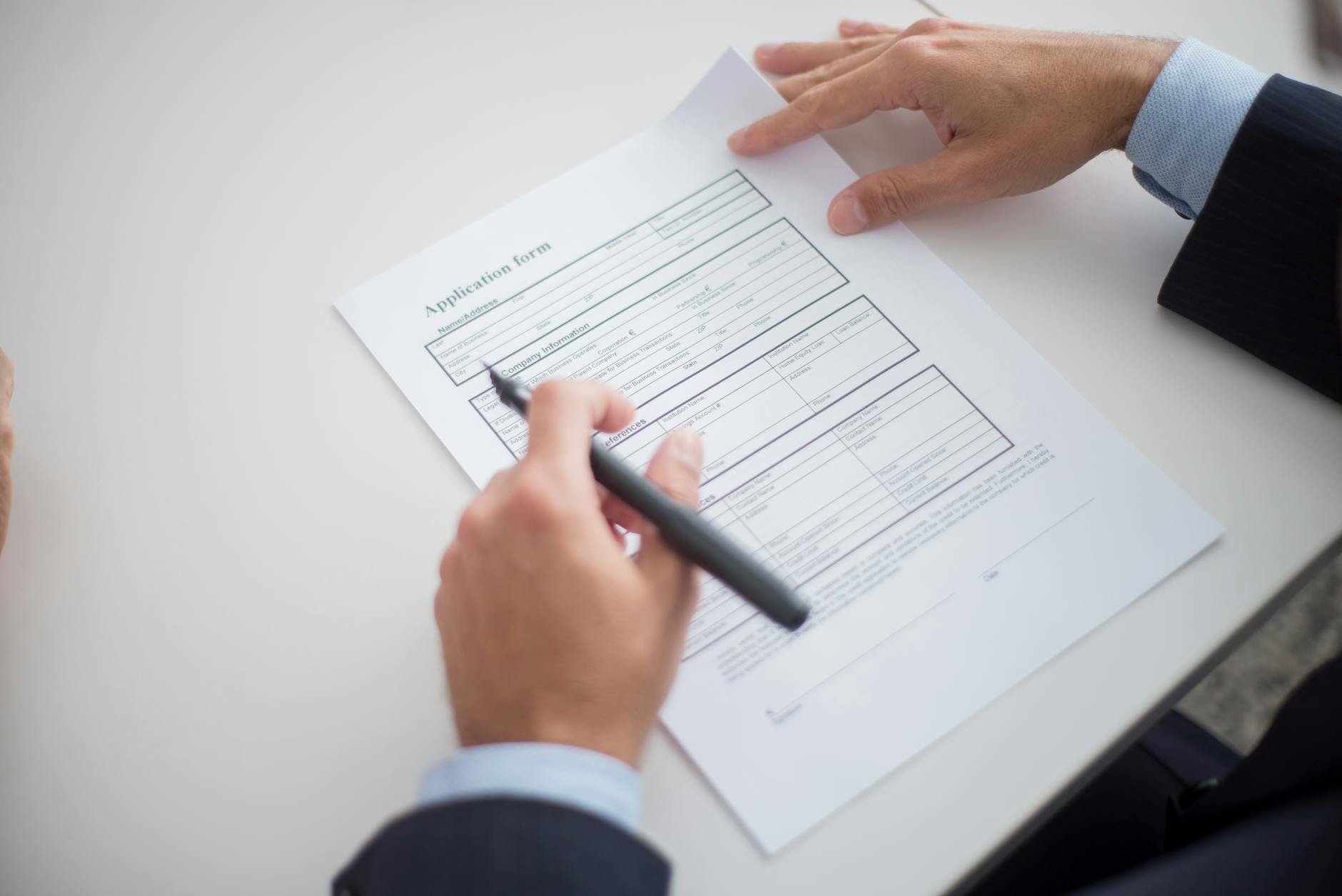
The application process typically begins with contacting your pension plan’s administrative office, either through your employer’s human resources department, a dedicated pension office, or a third-party administrator. Request an application packet, which usually includes the application form itself, detailed instructions, the documentation checklist, and often a benefits estimate worksheet. Some modern plans now allow online applications through secure portals, while others still require paper submissions or in-person meetings.
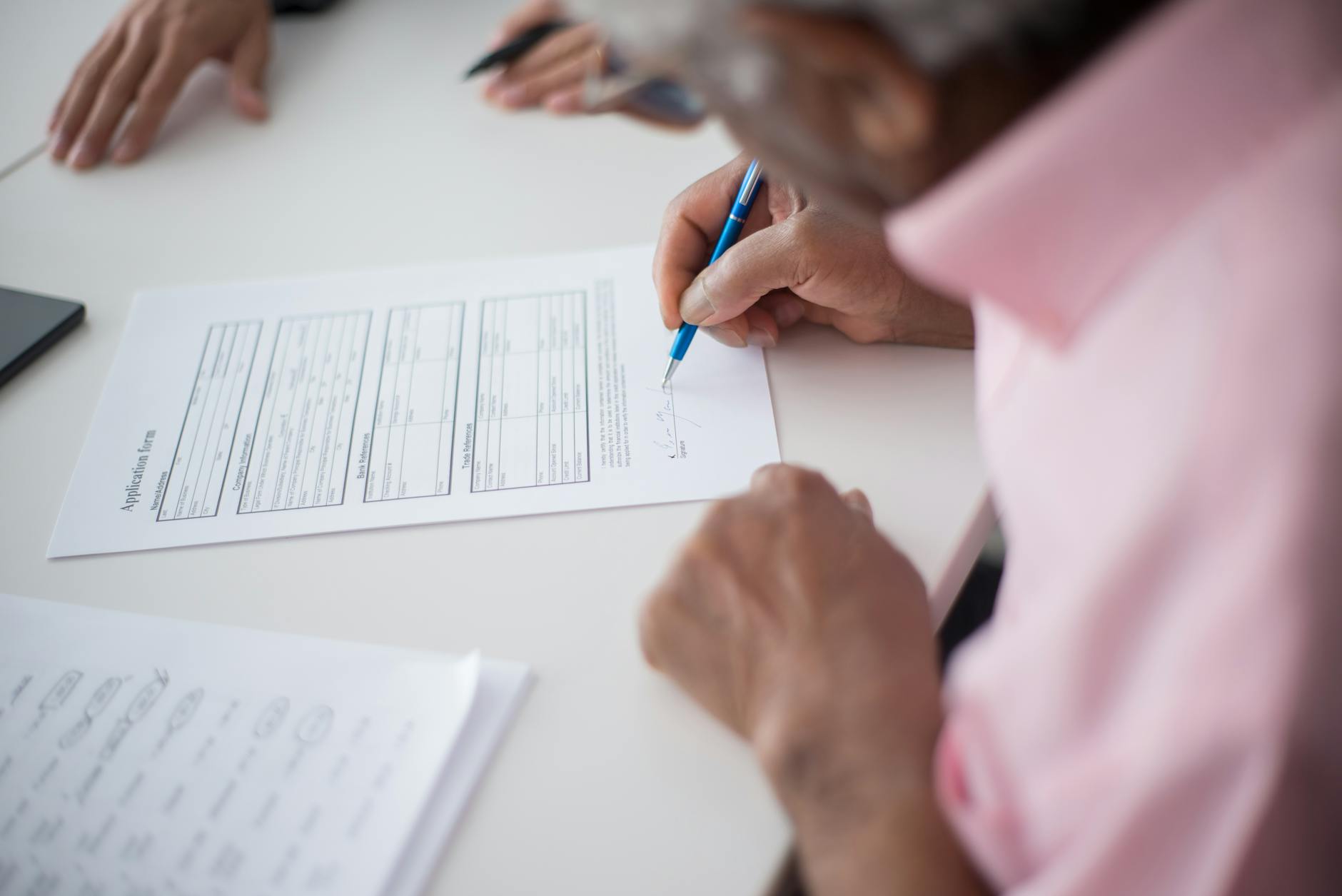
Once you have the materials, complete the application form carefully, ensuring all dates, employment information, and personal details are accurate. A common mistake is entering incorrect years of service—if your records show 14 years but you actually worked 15 due to a period you forgot about, contact HR to get your record corrected before submitting your application. After gathering all required documents, submit them according to your plan’s instructions (mail, email, in-person, or online upload) and request a receipt or confirmation number.
Comparing Early Retirement versus Full Retirement Benefits
One of the most consequential decisions in the pension application process is choosing when to start receiving benefits. Many plans offer reduced early retirement benefits if you apply before reaching full retirement age, typically reducing your monthly payment by 5-10% for each year you claim early. For example, if your full pension would be $2,000 per month starting at age 65, claiming at age 62 might reduce it to $1,700 per month permanently—a tradeoff that only makes financial sense if you expect to live a relatively short life or have immediate financial needs. The calculation of whether early or delayed application makes sense depends on your life expectancy, other income sources, and health status.
Delaying application until full retirement age or beyond increases your monthly benefit, sometimes by 8% per year. A 55-year-old in excellent health with other retirement income might benefit financially from waiting until 67 to apply, receiving significantly higher monthly payments over a potentially 30+ year retirement. However, someone with serious health issues might rationally choose early benefits. Run multiple scenarios with your plan’s benefits calculator to understand the long-term financial impact.
Common Application Mistakes and How to Avoid Them
The most frequent error on pension applications is providing inconsistent information across documents—for instance, listing different employment dates on your application than appear on your W-2s, or misspelling your name differently than it appears on your birth certificate. These discrepancies trigger verification delays, which can push your approval timeline back by months. Always match your application information exactly to your official documents, character by character.
Another critical mistake is failing to update your address or contact information after submitting your application, then missing important notices or approval letters. Some pension offices mail materials to the address on file, and if that’s outdated, you may not realize your application was approved or that you need to provide additional information. Additionally, never sign or submit an application that contains blank fields—incomplete applications are rejected and returned for completion, unnecessarily delaying the process. If a question doesn’t apply to you, write “N/A” rather than leaving it blank.
📨 Get Free Medicare Guides Alerts
Free · No spam · Unsubscribe anytime

Handling Applications for Multiple Pension Plans
Many people have worked for several employers during their careers and may have pension benefits with multiple plans. Each plan must be applied for separately, as pension administrators cannot transfer benefits between plans or coordinate applications. If you worked for an employer with a pension, then a different employer, then the federal government, you would have three separate pension applications to submit to three different entities.
When applying for multiple pensions, keep detailed records of each application’s submission date, confirmation numbers, and expected decision dates. Some plans may request verification of your other pension benefits, so having this organized documentation ready will speed up the process. Be aware that receiving multiple pensions can affect your tax situation, so consult a tax professional about estimated taxes and quarterly payments once you start receiving multiple benefit streams.
The Role of Digital Platforms and Future Application Trends
An increasing number of pension plans, particularly those administered by large corporations and government agencies, now offer online application portals where you can upload documents, track your application status in real-time, and receive electronic notifications. These platforms significantly reduce processing time compared to paper applications, sometimes cutting approval timelines from 8 weeks to 2-3 weeks. However, not all plans have adopted this technology yet, particularly smaller employers and some local government pension systems.
Looking forward, more pension plans are adopting digital verification methods, where employers can electronically confirm your employment history directly rather than requiring you to collect physical documents. This trend toward digital workflows should make the application process faster and less error-prone, but it will take years for all plans to implement. In the meantime, check whether your specific plan offers online application options, as this is one of the most effective ways to reduce delays and ensure your documents are received safely.
Frequently Asked Questions
Can I apply for my pension online?
It depends on your specific plan. Large corporations and federal agencies increasingly offer online portals, but many smaller employers and local government plans only accept paper applications. Contact your pension administrator to ask whether online application is available for your plan.
What happens if my application is rejected?
Common reasons for rejection include not meeting eligibility requirements, incomplete documentation, or inconsistent information. Your pension office should provide written explanation of why the application was rejected and what you need to do to reapply. You can typically reapply once you’ve corrected the issue.
How long does the pension application process take?
Most plans process applications within 4-8 weeks, but timelines vary. Online applications may process faster (2-3 weeks), while paper applications can take longer, especially if documents are missing or information needs verification. Contact your plan to ask for an expected timeline based on your specific application.
Can I apply for my spouse’s pension benefits?
Surviving spouses and, in some cases, ex-spouses can apply for pension benefits, but eligibility and application procedures differ significantly from regular retirement applications. You’ll need to provide marriage certificates or divorce decrees and follow separate procedures. Consult your pension plan about survivor benefit applications.
What if I worked for my employer for less than the vesting period?
You won’t be eligible for a pension if you didn’t meet the minimum service requirement, which varies by plan but is typically 5-10 years. However, you may have a non-vested balance that you can roll over into an IRA. Ask your plan administrator what options are available to you based on your specific service history.
Should I apply for early benefits or wait until full retirement age?
This depends on your health, life expectancy, other income sources, and financial needs. Use your plan’s benefits calculator to compare scenarios, and consider consulting a financial advisor. Generally, those in good health with other income sources benefit from waiting, while those with health issues or immediate needs might choose early benefits.