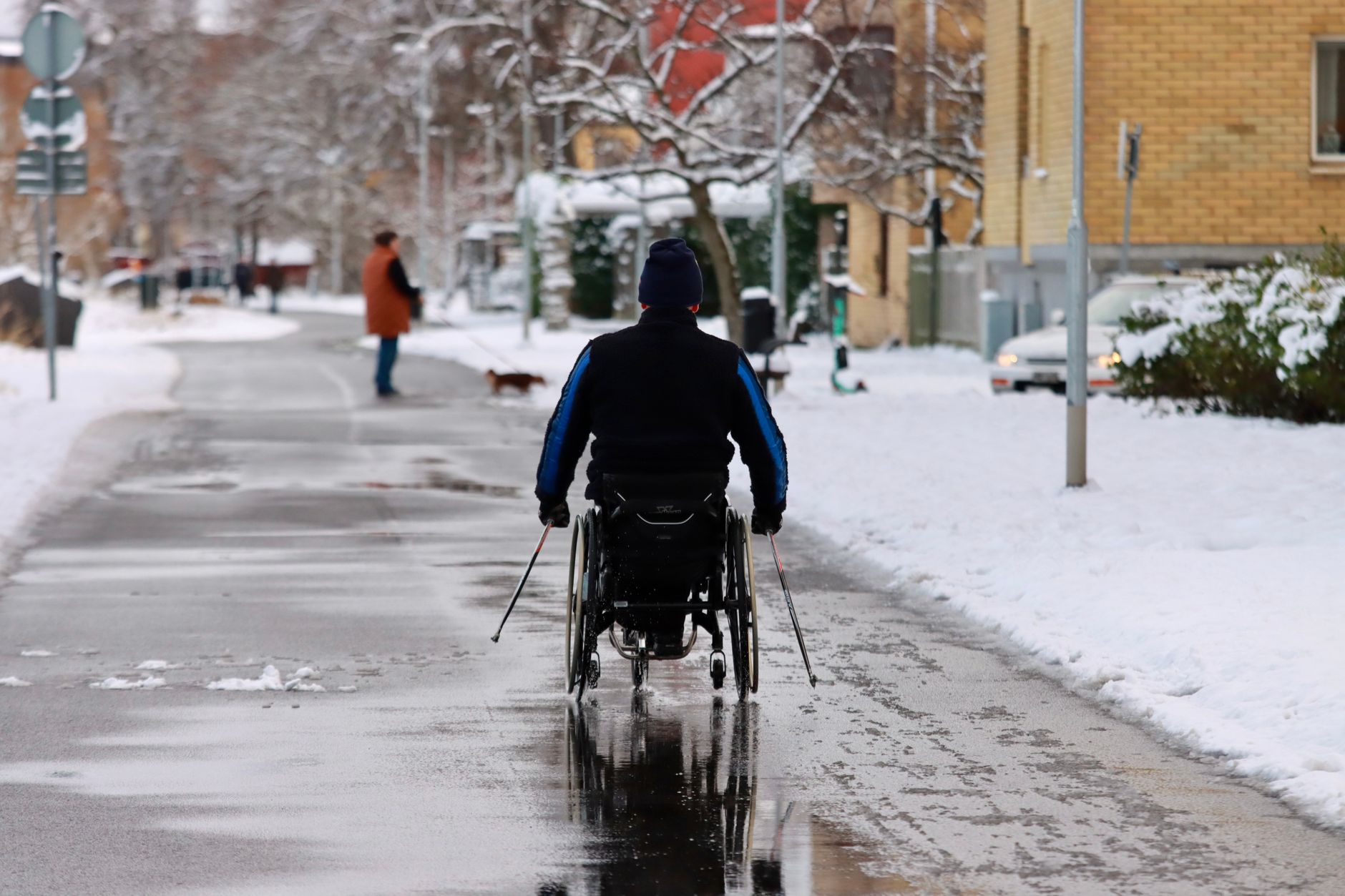
Getting disability benefits for back pain is challenging but not impossible. While back pain is the most common disability application the Social Security Administration processes daily, the initial approval rate for musculoskeletal conditions like back pain is significantly lower than the overall disability approval rate—just 28.7% in Florida compared to the national average of 31-36%. This means that if you apply for disability based on back pain, you face a two-in-three chance of denial on your first attempt. However, this is not the end of the road. Many applicants who are denied initially succeed on appeal, where musculoskeletal conditions have a much higher approval rate of 52.3% at the hearing level.
The difference between denial and approval often comes down to one critical factor: having the right medical evidence to prove your back condition is truly disabling. Back pain affects millions of Americans—one in four U.S. adults has chronic low back pain according to the American Academy of Orthopedic Surgeons—yet most people with back pain do not qualify for disability. The Social Security Administration distinguishes between chronic pain and disabling back conditions. A construction worker with a herniated disc who cannot perform any type of work may qualify, while an office worker with the same diagnosis who can sit at a desk may not. The determining factor is not the diagnosis itself, but whether your condition prevents you from working at a substantial gainful level, which for 2026 means earning more than $1,690 per month.
Table of Contents
- Why Back Pain Disability Claims Are Denied More Often Than Approved
- Medical Evidence Requirements That Can Make or Break Your Claim
- Understanding Spinal Conditions That Are More Likely to Be Approved
- The Substantial Gainful Activity Limit and What “Disability” Means Financially
- Why Many Applicants Fail at the Initial Level but Succeed on Appeal
- Gathering Medical Evidence Before You Apply
- Planning Your Timeline and Next Steps
- Conclusion
Why Back Pain Disability Claims Are Denied More Often Than Approved
Back pain claims have a significantly lower approval rate than many other disabilities because the Social Security Administration treats back pain as inherently subjective. Pain itself is invisible to imaging and cannot be measured objectively, even though the underlying cause—a herniated disc, spinal stenosis, or degenerative disc disease—might be clearly visible on an MRI. The SSA operates under a strict principle: pain alone cannot establish disability, no matter how severe the applicant reports it to be. This fundamental rule eliminates many applicants from the start. If your medical records show treatment for back pain but no objective findings—no MRI evidence of nerve compression, no imaging showing structural damage, no physician notes documenting functional limitations—your claim will likely be denied.
The national denial rate for initial ssdi applications is 60-65%, but musculoskeletal conditions like back pain have an even worse outcome in many jurisdictions. The reason is practical: many people with back pain do not have consistent, objective medical documentation. They may have skipped MRI scans because they were expensive or uncomfortable, they may have relied on over-the-counter pain management instead of seeing a specialist, or they may have been treated by a primary care physician who did not order comprehensive imaging. By the time they apply for disability, their medical file does not contain the evidence the SSA needs. A truck driver with severe degenerative disc disease who has had three MRIs, multiple specialist evaluations, and documented restrictions on sitting and lifting has a much stronger case than a retail worker with the same diagnosis who saw a doctor once and was told to rest and take ibuprofen.

Medical Evidence Requirements That Can Make or Break Your Claim
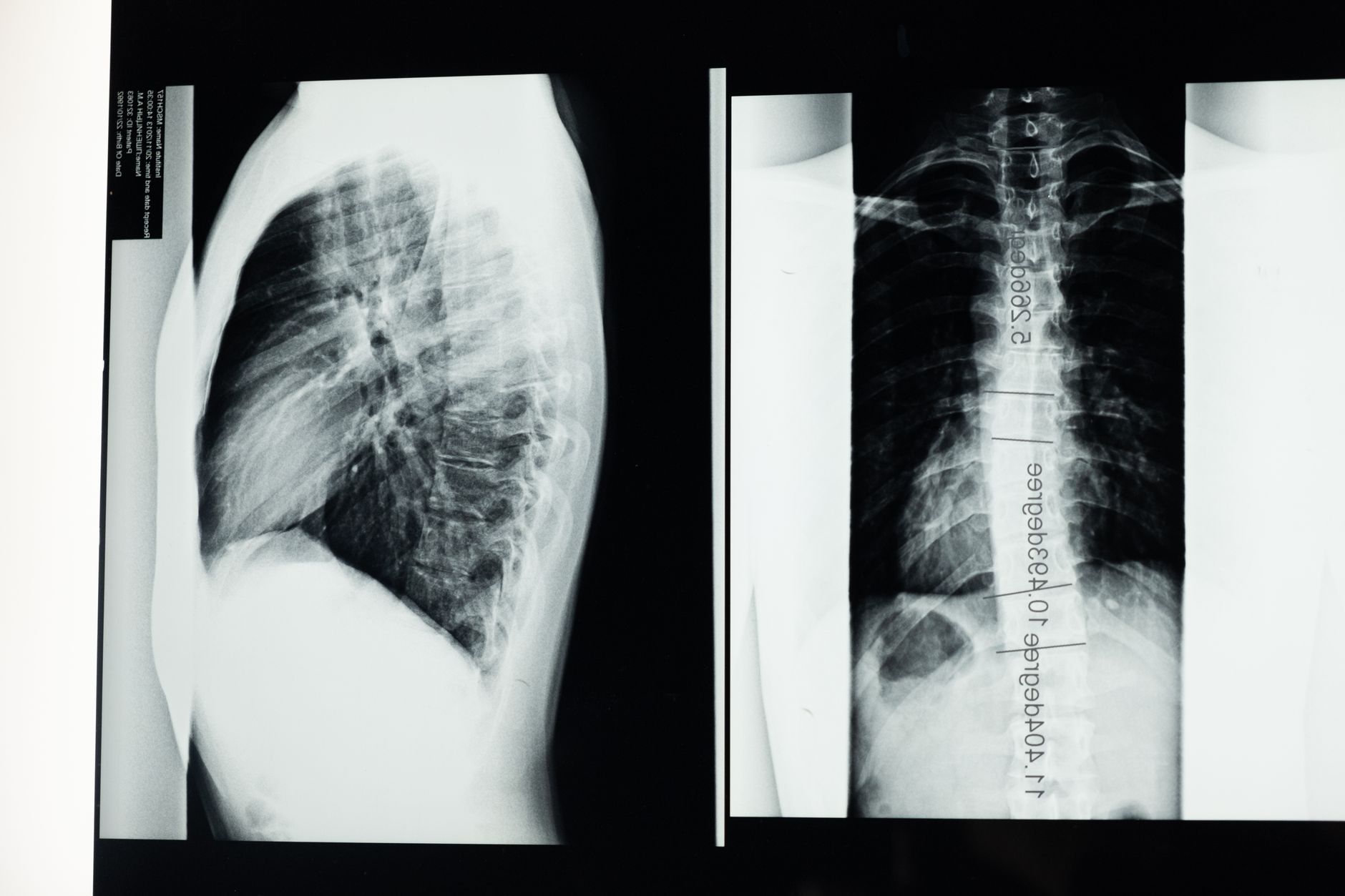
The SSA requires objective medical evidence to approve any disability claim, and this requirement is non-negotiable for back pain. “Objective” means evidence that does not depend on what you report—it must come from medical tests and physician observations. The required documentation typically includes MRI or CT scan results, X-rays, physician notes that describe your functional limitations, pain management records showing treatment history, surgical evaluations if applicable, and physical therapy records demonstrating your response to treatment. Without at least some of these, your claim will not succeed, no matter how disabled you feel. This creates a significant barrier for people who cannot afford expensive imaging or who live in areas with limited access to specialists.
The SSA will evaluate your medical records against what is called the “Blue Book,” a listing of conditions that the agency recognizes as automatically qualifying for disability. For back conditions, commonly approved listings include arachnoiditis (inflammation of the membrane around the spinal cord), spinal stenosis (narrowing of the spinal canal that compresses nerves), and nerve root compression (a pinched nerve causing documented weakness or pain radiating down a limb). These conditions are more easily approved because they are visible on imaging and produce objective, measurable nerve damage. Degenerative disc disease, herniated discs, and general chronic back pain are not automatically approved—even with imaging—because these conditions alone do not always prevent all work. Your physician must document specific functional limitations: you cannot sit for more than 30 minutes without severe pain, you cannot lift more than 10 pounds, you cannot stand for more than an hour. The absence of these specific functional limitations in your medical records is a common reason for denial, even when imaging shows clear structural problems.
Understanding Spinal Conditions That Are More Likely to Be Approved
Not all back conditions are equally difficult to get approved. Some spinal diagnoses carry higher approval rates because they produce clear, objective evidence of nerve damage or functional impairment. Spinal stenosis, which is the abnormal narrowing of the spinal canal, restricts the space available for the spinal cord and nerves. When someone has severe spinal stenosis, imaging clearly shows this narrowing, and the person often experiences weakness, numbness, or pain radiating into the legs when walking—symptoms that can be objectively measured through physical examination and nerve testing. A patient with spinal stenosis who has had an MRI showing severe canal narrowing and a neurological exam documenting loss of reflexes or strength has a stronger case than someone with a simple disc bulge noted incidentally on an MRI.
Nerve root compression—where a herniated disc or bone spur pinches a specific nerve root—is also more favorable for disability approval because the effects are specific and documentable. A herniated disc at the L5-S1 level compressing the S1 nerve root produces radiating pain, weakness, or numbness in a specific distribution (down the back and outside of the leg to the foot). A physician can perform specific tests—straight leg raise, nerve conduction studies, electromyography—that objectively confirm nerve involvement. Arachnoiditis, though less common, is one of the most readily approved spinal conditions because it represents inflammation of the protective membrane around the spinal cord and produces severe, persistent pain with clear imaging findings. If your diagnosis falls into one of these categories and you have thorough documentation, your case is significantly stronger than if you have general back pain or degenerative disc disease without documented nerve involvement.
The Substantial Gainful Activity Limit and What “Disability” Means Financially
Even if you prove your back condition is medically severe, you must also prove it prevents you from earning money. The SSA sets an annual threshold called the Substantial Gainful Activity (SGA) limit. For 2026, this limit is $1,690 per month for nonblind applicants and $2,830 per month for blind applicants. If you are earning more than these amounts through work, the SSA will not approve your disability claim, regardless of your medical condition. This rule creates a hard financial boundary: a software developer with severe spinal stenosis who works remotely and earns $3,500 per month cannot get disability benefits, even if the pain is excruciating, because they are earning above the SGA limit. The same person who stopped working and had no income would qualify if the medical evidence supports the diagnosis.
Beyond the SGA limit, you must have a disability that is expected to last at least 12 months or result in death. This means temporary back injuries, even severe ones, will not qualify. A person who had major spinal fusion surgery six months ago with a prognosis of full recovery within a year cannot get disability. Your condition must be chronic and expected to be long-term. This requirement eliminates a large category of acute back injuries and creates a waiting period of uncertainty for many applicants. If you recently suffered a back injury and are hoping to get disability while recovering, understand that you likely will not qualify until you have been unable to work for several months and medical evidence shows your condition is not expected to improve significantly. For people who genuinely cannot return to any type of work, this 12-month threshold can mean months of financial hardship while your case is being evaluated.
📨 Get Free Medicare Guides Alerts
Free · No spam · Unsubscribe anytime
Why Many Applicants Fail at the Initial Level but Succeed on Appeal
The discrepancy between initial approval rates (28.7% for musculoskeletal conditions in Florida) and hearing-level approval rates (52.3% for the same conditions) reveals an important truth about the disability system: the initial decision is often made by someone who has not thoroughly reviewed your medical file or who has applied the rules too strictly. At the initial level, claims are evaluated by disability examiners who review thousands of cases. Many applications are denied because the examiner concluded that the applicant did not meet a specific Blue Book listing or did not provide sufficient evidence—but these conclusions are often made quickly and without the depth of analysis that occurs at a hearing. When you appeal and request a hearing before an Administrative Law Judge (ALJ), several things change. The ALJ typically spends more time on your case, has more authority to weigh evidence, and can call vocational experts to testify about whether someone with your functional limitations could work in any capacity.
You also have the opportunity to appear in person, present your evidence, and answer questions directly. This personal presentation often makes a significant difference, especially for back pain cases where the applicant can describe in detail how their condition affects daily activities. If you are denied initially, appealing is almost always worth doing—the hearing approval rate is nearly double the initial approval rate. However, understand that this process takes time. The average wait for a hearing is many months in most jurisdictions, and you should be prepared to document your condition thoroughly during this period, not just assume the ALJ will automatically approve your case.

Gathering Medical Evidence Before You Apply
The most important step you can take before submitting a disability application is to ensure your medical file contains the documentation the SSA will scrutinize. Do not assume that your doctor knows you plan to apply for disability or that they will automatically order the tests and make the notes the SSA requires. Many primary care physicians are not familiar with Social Security’s specific documentation requirements and may not create records in the detail necessary for approval. Before applying, schedule appointments with your treating physicians and specifically ask them to document your functional limitations: How long can you sit? How long can you stand? How much weight can you lift? Can you perform repetitive movements? These concrete limitations are what the SSA uses to determine whether you can perform any type of work. If you do not have recent imaging—an MRI, CT scan, or comprehensive X-rays of your spine—obtaining these tests should be a priority before you apply, even if you must pay out of pocket or negotiate a payment plan with the imaging facility.
The SSA will request imaging anyway, and having recent images in your medical file, reviewed and interpreted by a radiologist, is far more persuasive than a vague diagnosis. Similarly, if you have not seen a specialist—a physiatrist, spine surgeon, or neurologist—request a referral from your primary care physician. A specialist’s evaluation carries more weight with the SSA than treatment from a general practitioner alone. If you have had physical therapy, make sure the therapist documented your limitations and progress (or lack thereof) in detail. A physical therapist’s notes showing that you could not tolerate even light therapy or that you had minimal functional improvement despite months of treatment strengthen your case significantly.
Planning Your Timeline and Next Steps
The disability approval process is slow, and understanding the timeline will help you prepare financially and emotionally. From the date you submit your application to the date you receive a decision on your initial claim typically takes three to six months, though this varies by state and caseload. If you are denied at the initial level—which is statistically likely for back pain—you can request reconsideration, which adds another three to six months. If reconsideration is also denied, you can request a hearing before an ALJ, which involves a wait of six months to two years depending on your location and ALJ caseload. This means that from application to final hearing decision could take one to three years.
During this entire period, you will likely be receiving no disability income, which creates significant financial stress. Given this timeline and the statistics showing that many initial claims are denied, it is worth considering whether to pursue disability or pursue other options simultaneously. Some people pursue a combination of short-term disability through their employer, workers’ compensation (if the back injury occurred at work), or state disability programs while also applying for federal SSDI. The VA processed more than 2 million disability benefits claims in fiscal year 2026 as of June 1, 2026, showing that disability systems are handling massive volume; this means your case will be thoroughly reviewed eventually, but slowly. If you do decide to apply, begin gathering medical documentation now, organize it by date, and prepare a clear summary of your functional limitations. Consider consulting with a disability lawyer who specializes in Social Security claims; many work on contingency, meaning they are paid only if your claim succeeds, and they often increase approval rates significantly by ensuring your medical evidence is presented correctly.
Conclusion
Getting disability benefits for back pain requires three things: a medically severe spinal condition, objective evidence of that condition from imaging and specialist evaluation, and clear documentation that the condition prevents you from earning at least $1,690 per month. The initial approval rate is low—28.7% for musculoskeletal conditions in many areas—but the approval rate at the hearing level is much higher at 52.3%, which means denials are not final and persistence through the appeal process often succeeds. The difference between denial and approval frequently depends not on the severity of your back pain, but on whether your medical records contain the objective evidence the SSA requires: MRI or CT imaging, specialist evaluations, functional limitations documented by physicians, and proof that you have received consistent medical treatment.
Start preparing now by ensuring your medical file is complete and your physicians understand what documentation the SSA requires. If you are denied initially, do not give up—request a hearing and work with a disability advocate or attorney to present your case thoroughly. The process is long and uncertain, but it is designed to eventually reach the right decision, and the hearing-level statistics show that many back pain applicants ultimately succeed when they persist through the system.