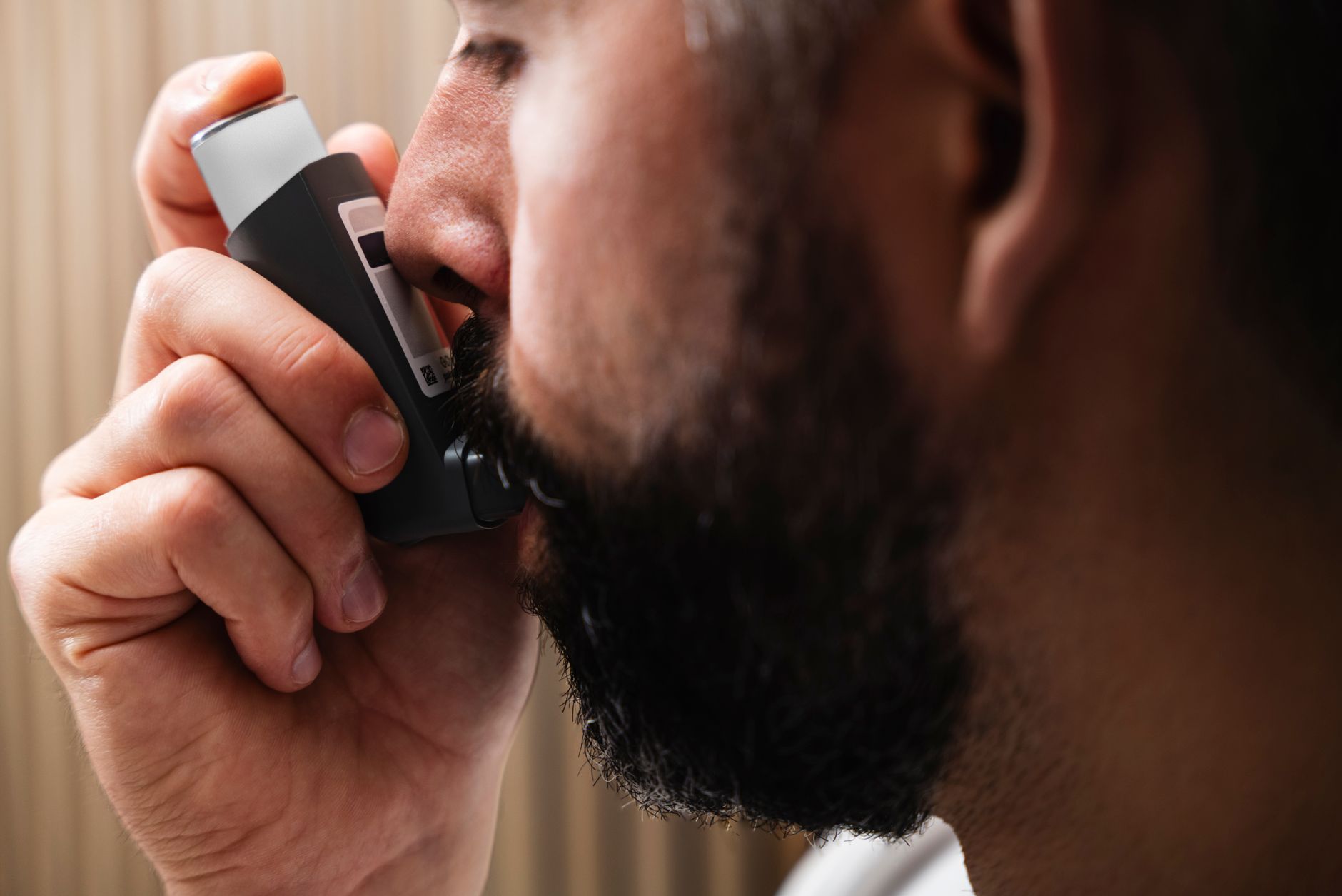
COPD qualifies for disability benefits under Social Security when the condition meets specific medical criteria established in the SSA’s Blue Book—namely when the disease causes significant limitations in lung function that prevent substantial work activity. The Social Security Administration reviews COPD cases using a three-prong medical evaluation: FEV1 (forced expiratory volume) test results, arterial blood gas measurements, and demonstrated functional limitations that prevent even sedentary work. A 58-year-old electrician with advanced COPD who requires supplemental oxygen and experiences shortness of breath during light exertion might qualify if spirometry tests show FEV1 below 40% predicted and blood gas results show CO2 retention, provided his medical records document inability to sustain work-related activity.
The key to qualification is not simply having COPD—many people with the disease work throughout their lives—but rather having COPD severe enough that the SSA determines no substantial gainful activity is possible. The agency requires objective medical evidence from pulmonary function testing, imaging studies, and clinical observations, not subjective complaints alone. This distinction matters significantly because roughly 65% of initial COPD disability claims are denied, often because applicants haven’t provided sufficiently detailed spirometry results or haven’t demonstrated the functional limitations required for approval.
Table of Contents
- What Medical Evidence Does the SSA Require to Approve COPD Disability?
- How Does the Severity Assessment Work Beyond Simple Test Results?
- What Role Do Hospitalizations and Exacerbations Play in Disability Approval?
- How Does Supplemental Oxygen Requirement Affect Disability Qualification?
- What Are Common Mistakes That Lead to COPD Disability Denials?
- What About COPD and SSDI Versus SSI Benefits?
- What Should You Know About the COPD Disability Application Timeline and Appeals?
- Conclusion
- Frequently Asked Questions
What Medical Evidence Does the SSA Require to Approve COPD Disability?
The Social Security Administration uses the Blue Book’s listing 3.02 for COPD, which specifies exact numerical thresholds for lung function. your FEV1 measurement is critical: you generally need an FEV1 of 40% or less of predicted normal value (after bronchodilator use) combined with evidence of cor pulmonale, right heart strain, or oxygen saturation below 88% on pulse oximetry at rest or after exertion. Alternatively, you might qualify if your FEV1 is between 40-60% of predicted AND you have documented severe functional limitations or recurrent hospitalizations due to respiratory infections or hypoxemia. Beyond spirometry numbers, the SSA wants to see consistent medical treatment records spanning months or years. This means documentation of regular pulmonologist or primary care visits, hospital or emergency room visits for respiratory exacerbations, medication adjustments, and progression of symptoms.
A 62-year-old retired teacher with COPD who has one pulmonary function test showing FEV1 at 38% will likely be approved, but the approval becomes much stronger if her records show three years of declining function (FEV1 dropping from 52% to 42% to 38%), multiple hospitalizations for acute exacerbations, and escalating oxygen requirements. The SSA views disease progression as evidence that the condition is severe and disabling. One critical limitation: the SSA heavily weights objective test results over symptom descriptions. You might report severe dyspnea and fatigue that prevents you from working, but without spirometry supporting those claims, the SSA will likely deny your case. This is why applicants need recent medical testing—ideally within the past three months of application—not testing from five years ago.

How Does the Severity Assessment Work Beyond Simple Test Results?
The SSA doesn’t stop at examining spirometry numbers; examiners look at whether COPD has caused secondary complications that themselves demonstrate disability. Cor pulmonale—enlargement and weakening of the right heart chamber due to chronic lung disease—is a major factor that strengthens COPD disability claims. An echocardiogram or EKG showing signs of right ventricular strain or pulmonary hypertension can push a borderline case into approval territory.
Similarly, chronic hypoxemia requiring supplemental oxygen (whether at rest or with exertion) significantly strengthens a claim because it demonstrates your lungs cannot deliver adequate oxygen to your body even during minimal activity. The SSA also considers functional capacity and the applicant’s ability to perform specific work-related activities. Can you sit upright for eight hours? Can you sustain concentration? Can you lift ten pounds repeatedly? Can you walk from room to room without becoming severely dyspneic? A 55-year-old former construction foreman with COPD might have FEV1 of 42%—close to the listing threshold—but if he demonstrates that he cannot stand for more than 15 minutes without severe shortness of breath, cannot climb stairs, and requires frequent rest periods, that functional evidence combined with marginal spirometry results may push an approval. The warning here is that incomplete functional reporting leads to denials: if your application lacks detail about what you actually cannot do, the SSA assumes you can do more than you actually can.
What Role Do Hospitalizations and Exacerbations Play in Disability Approval?
Recurrent exacerbations of COPD—episodes of acute worsening requiring emergency care or hospitalization—demonstrate that your condition is unstable and severe. The Blue Book doesn’t specify a minimum number of hospitalizations, but SSA examiners view a history of three or more hospitalizations for acute respiratory exacerbations within a 12-month period as strong evidence of disabling severity. These exacerbations show that your condition unpredictably worsens and that you require acute medical intervention, making consistent work attendance impossible. An example: a 60-year-old former office manager with COPD who was hospitalized twice within six months for acute respiratory failure, had a pneumonia infection requiring IV antibiotics, and spent five days in the ICU on supplemental oxygen will have significantly stronger disability approval odds than someone with the same FEV1 percentage but no recent hospitalizations.
The hospitalizations demonstrate that disease progression is active, that you cannot predict when the next crisis will occur, and that the condition interferes with your ability to maintain employment. Documentation matters here—your medical records must clearly indicate that you were hospitalized specifically for COPD or respiratory failure, not for an unrelated condition. One important limitation: occasional exacerbations or single hospitalizations are not automatically disabling. The SSA wants to see a pattern. One hospitalization five years ago carries far less weight than multiple hospitalizations within recent years.
How Does Supplemental Oxygen Requirement Affect Disability Qualification?
The need for supplemental oxygen is one of the strongest indicators of COPD severity and is specifically referenced in the Blue Book criteria. If you require oxygen at rest (meaning your blood oxygen saturation drops below 88% while breathing room air at rest), or if you require oxygen during exertion or sleep, you’ve met part of the SSA’s disability threshold. The requirement for oxygen therapy shows that your lungs cannot maintain adequate oxygenation independently, which is a fundamental functional limitation.
Comparing two applicants illustrates this distinction: a 67-year-old man with FEV1 of 42% who does not use supplemental oxygen will have a harder case than a 65-year-old woman with FEV1 of 42% who requires oxygen therapy during exertion and at night. Both have similar spirometry, but the woman’s need for oxygen demonstrates more functional compromise. That said, the SSA’s standards are specific: requiring oxygen only during strenuous exertion (like running) may not qualify, but requiring oxygen during normal daily activity (like walking to the mailbox) clearly does. Your supplemental oxygen prescription from your pulmonologist is crucial documentation—it provides objective evidence that a medical specialist has determined you need oxygen.
What Are Common Mistakes That Lead to COPD Disability Denials?
The most frequent mistake is submitting an application without recent, comprehensive pulmonary function testing. Many applicants have old test results from three to five years ago, but SSA regulations prefer testing within six months of application. The agency reasons that COPD can progress or stabilize, and older data doesn’t reflect your current status. If you have outdated testing, schedule new spirometry before applying. Similarly, many applicants underestimate the importance of detailed medical records: the SSA cannot approve what it cannot verify. If your primary care doctor has seen you only once in the past year for a medication refill, and you’ve never been formally tested by a pulmonologist, your claim looks weak even if your symptoms are severe. Another critical error is failing to report functional limitations clearly.
Many COPD patients understate their symptoms because they’ve adapted to living with severe disease or because they’re not sure what information matters. But if you don’t specifically state that you cannot climb stairs, cannot perform repetitive activities, cannot tolerate temperature extremes, and cannot work more than two hours per day without needing recovery time, the SSA will assume you can do these things. The examination forms—the Residual Functional Capacity form—are your chance to paint a detailed picture of your actual capabilities. Many denials result from incomplete information, not from having a non-disabling condition. A warning: Some applicants try to qualify by overstating symptoms rather than providing accurate documentation. The SSA will compare your reported limitations against your medical records. If you claim you cannot walk one block, but your doctor’s notes describe you taking walks several times per week, the inconsistency will result in denial and may damage your credibility in any appeal.

What About COPD and SSDI Versus SSI Benefits?
COPD can qualify you for either Social Security Disability Insurance (SSDI) or Supplemental Security Income (SSI), depending on your work history and financial situation. SSDI is based on your own work credits—you need sufficient quarters of coverage in your Social Security account to qualify. A 58-year-old former nurse who worked for 30 years and developed disabling COPD would typically apply for SSDI because her work history supports it.
📨 Get Free Medicare Guides Alerts
Free · No spam · Unsubscribe anytime
SSI, by contrast, is a needs-based program for people with limited income and resources, regardless of work history. A 72-year-old who never worked substantially but has COPD and minimal income could qualify for SSI instead. The distinction matters financially: SSDI typically provides higher monthly benefits because they’re based on your historical earnings, while SSI provides a federal base rate (currently $943 monthly for 2024, subject to state supplements and individual circumstances) that doesn’t increase with work history. Both programs offer access to healthcare (Medicare for SSDI after a 24-month waiting period, Medicaid for SSI immediately), which is particularly important for COPD patients who need ongoing pulmonary care and medication management.
What Should You Know About the COPD Disability Application Timeline and Appeals?
The average initial COPD disability claim takes 3 to 5 months for processing, though this varies by your local SSA office and the complexity of your medical evidence. If your claim is denied—and statistically, roughly 65% of initial claims are denied—you have the right to appeal. The appeals process includes a reconsideration (automatic review by a different examiner), a hearing before an Administrative Law Judge (ALJ) if reconsideration is denied, and further appeals to the Appeals Council and federal court if necessary. Many applicants who are denied initially ultimately win on appeal, particularly if they’ve obtained additional medical evidence or a supporting statement from their pulmonologist.
Working with a disability attorney or advocate can significantly improve approval odds. Attorneys who specialize in disability claims understand how to gather medical evidence, organize it persuasively, and represent you at hearings. They typically work on contingency, taking a percentage (up to 25%) of back pay only if you win, so there’s minimal financial risk. For COPD cases specifically, having a pulmonologist write a medical opinion letter supporting your disability claim—detailing your test results, functional limitations, and prognosis—substantially increases approval likelihood. As COPD is progressive and irreversible (though manageable with proper treatment), your long-term prognosis of continued or worsening functional decline is a strong argument for disability approval.
Conclusion
COPD qualifies for disability benefits when the disease has progressed to the point that even sedentary work is impossible, as demonstrated by spirometry results (FEV1 below 40-60% predicted depending on other factors), arterial blood gas abnormalities, supplemental oxygen requirements, or secondary complications like cor pulmonale. The approval process depends critically on comprehensive, recent medical evidence—spirometry testing, imaging, hospitalization records, and functional capacity documentation—not simply on having a COPD diagnosis. Applicants who compile detailed medical records and clearly document their functional limitations significantly improve their chances of approval.
If you have COPD and believe it prevents you from working, start by scheduling a comprehensive pulmonary function test and consulting with your pulmonologist about your functional limitations and work capacity. Request a detailed medical opinion letter from your doctor, gather all recent hospitalization records and imaging studies, and collect documentation of your current oxygen requirements and medications. Whether you apply for SSDI or SSI depends on your work history and resources, but both programs recognize COPD as a potentially disabling condition. If you’re denied initially, don’t abandon your claim—most denials result from incomplete medical evidence rather than truly non-disabling conditions, and the appeals process frequently leads to approval, especially with professional representation.
Frequently Asked Questions
What FEV1 level guarantees COPD disability approval?
No specific FEV1 level “guarantees” approval, but the SSA’s Blue Book typically requires FEV1 below 40% of predicted (or 40-60% with additional complications) combined with evidence of functional impairment. Marginal spirometry results (FEV1 of 50-60%) require additional factors like oxygen dependence, cor pulmonale, or recurrent hospitalizations to support approval.
Can I qualify for COPD disability without hospitalizations?
Yes. Hospitalizations strengthen a claim, but they’re not required. You can qualify with significantly low FEV1 results, oxygen dependence at rest or with exertion, arterial blood gas abnormalities, echocardiographic evidence of cor pulmonale, or documented functional limitations that prevent work, even without recent hospitalizations.
How much back pay can I receive if my disability claim is approved?
Back pay typically extends to the application date (or the request for review date, depending on circumstances). SSDI has a five-month waiting period before benefits begin, so your first check may include 12-18 months of back pay if approved. SSI has a different structure with potential SSI back pay from the application month. An attorney can advise on your specific timeline.
What’s the difference between qualifying under the Blue Book listing and qualifying “by medical-vocational allowance”?
Listing qualification means your medical evidence directly meets the Blue Book criteria (FEV1 below the threshold with required evidence). Medical-vocational allowance means your test results don’t quite meet the listing, but your age, education, and functional limitations make returning to past work or other work impossible. The latter takes longer to evaluate but is still a valid approval pathway.
Does continuing to work part-time disqualify me from COPD disability benefits?
SSDI allows “substantial gainful activity” testing: if you earn over the SGA threshold (currently $1,550 monthly for non-blind workers in 2024), you’re considered able to work and may not qualify. SSDI also permits a trial work period. Part-time work below the SGA threshold doesn’t automatically disqualify you, but the SSA will scrutinize whether that part-time work contradicts your claim of disability.
How long does a disability appeal typically take after initial denial?
Reconsideration takes 2-6 months. A hearing before an ALJ typically takes 3-6 months after reconsideration, though wait times vary by location. Some areas have ALJ backlogs exceeding 12-18 months. Total time from initial application to hearing decision commonly ranges from 8-14 months, though expedited decisions occasionally occur.
You Might Also Like
- How Chronic Pain Qualifies for Disability
- How Back Pain Qualifies for Disability
- How Arthritis Qualifies for Disability