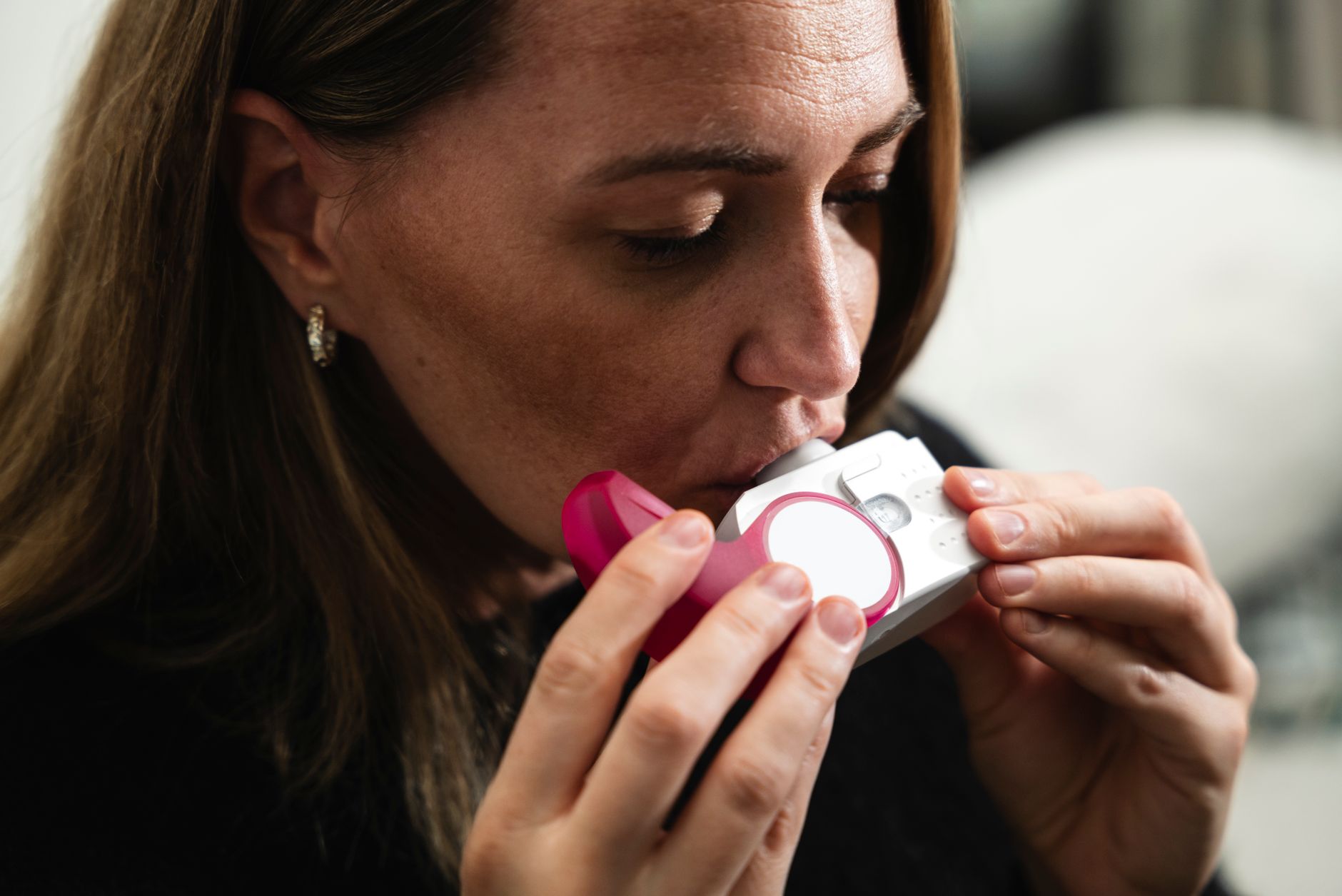
Yes, you can get disability benefits if you have COPD, but it requires meeting specific medical criteria and navigating a complex application process that often takes months or years. The Social Security Administration recognizes COPD as a qualifying condition under both Social Security Disability Insurance (SSDI) and Supplemental Security Income (SSI), but approval depends on whether your condition is severe enough to prevent substantial gainful activity and is expected to last at least 12 months or result in death. For example, a 55-year-old former construction worker with advanced COPD who requires oxygen therapy, experiences frequent exacerbations requiring hospitalization, and cannot perform any work activity would likely qualify, but someone with mild COPD who can still perform sedentary work would face denial.
The key to approval is demonstrating that your COPD is at an advanced stage with significant functional limitations. This means you need comprehensive medical documentation showing your lung function test results (FEV1 readings), hospitalization records, oxygen requirements, medication history, and how your condition affects your ability to work. Simply having a COPD diagnosis is not enough—you must prove the severity and show that you cannot work despite treatment and management efforts.
Table of Contents
- What Makes COPD Severe Enough for Disability Approval?
- Documenting Your COPD for the Social Security Administration
- Medical Evidence That Strengthens Your Application
- Timeline Expectations and the Application Process
- Why COPD Disability Claims Get Denied
- Working With a Disability Attorney or Non-Lawyer Representative
- Life and Work Considerations After Disability Approval
- Conclusion
- Frequently Asked Questions
What Makes COPD Severe Enough for Disability Approval?
copd qualifies for disability when it reaches GOLD Stage 3 or Stage 4 severity (severe or very severe), characterized by significantly reduced lung function and severe functional limitations. The Social Security Administration has a specific listing for COPD (Listing 3.02) that requires FEV1 values in a certain range, or if your FEV1 doesn’t meet the threshold, you can qualify under the “medical-vocational allowance” if your condition, combined with your age, education, and work history, prevents you from doing any work. The distinction is important: you don’t need to meet every criterion in the listing if other evidence shows you cannot work.
Real-world example: A 62-year-old retired teacher with moderate-to-severe COPD, an FEV1 of 32% (well below the 40% threshold in the listing), oxygen saturation that drops to 88% with minimal exertion, and a history of three hospitalizations in one year would likely qualify. However, a 48-year-old with COPD whose FEV1 is 48% and who currently works part-time might not qualify because they are demonstrating the ability to engage in substantial work activity. Severity is measured not just by numbers but by functional impact on your daily life and work capacity.
Documenting Your COPD for the Social Security Administration
Documentation is where most disability claims succeed or fail. You need spirometry test results showing your FEV1 values (the primary measure of lung function), arterial blood gas results if applicable, chest imaging (CT scans or X-rays), pulse oximetry readings showing oxygen saturation levels, and records of all hospitalizations or emergency room visits related to your respiratory condition. You also need statements from your treating physicians describing your functional capacity, limitations, and prognosis. One limitation to understand: social Security will not simply accept your doctor’s conclusion that you “cannot work”—they need objective medical evidence backing up that conclusion.
The documentation must be recent and ongoing. A medical record from three years ago that shows severe COPD but no current treatment or follow-up visits actually hurts your case because it suggests your condition has improved or is not being actively managed. You should have pulmonary function tests, imaging, and physician statements dated within the last three months before filing. Warning: if you stop treating for your COPD or miss appointments, Social Security may assume your condition has improved, making approval much less likely. Many applicants make the mistake of cutting back on medical care to save money, not realizing it undermines their disability case.
Medical Evidence That Strengthens Your Application
Specific medical findings significantly improve approval odds. Hospitalization records are powerful because they show that your COPD reached a crisis point requiring inpatient care—even one or two hospitalizations in a 12-month period strengthens your case considerably. Pulmonary function test results below 40% FEV1, oxygen saturation below 88% at rest or dropping sharply with minimal activity, cor pulmonale (right-sided heart failure secondary to COPD), or pulmonary hypertension all demonstrate advanced disease.
Medication records showing you’re on triple therapy inhalers, long-term oxygen therapy, oral corticosteroids, and possibly biologic medications indicate your condition is difficult to manage despite aggressive treatment. For example, an applicant with COPD who has been hospitalized twice in 18 months, requires home oxygen therapy 24/7, has an FEV1 of 28%, shows reduced oxygen saturation even at rest, and is on four different inhaled medications plus prednisone has compelling medical evidence. By contrast, an applicant with the same FEV1 percentage but no hospitalizations, only occasional oxygen use, minimal medication requirements, and no comorbidities will face a much harder case. The progression of your disease matters too—if your medical records show your FEV1 declining month after month despite treatment, this demonstrates an aggressive form of COPD with poor prognosis.

Timeline Expectations and the Application Process
Filing for disability with COPD typically involves three phases: initial application, reconsideration appeal if denied, and a hearing before an Administrative Law Judge if needed. The initial application decision usually takes 3-6 months, but if denied, the reconsideration review takes another 2-4 months. If you request a hearing before a judge, you may wait 6-18 months depending on your local Social Security office’s backlog. During the entire process, most applicants are not receiving benefits, so you must plan financially for a 12-24 month wait.
Many people with COPD get denied initially not because their condition isn’t severe enough, but because their documentation was incomplete. When you reapply or go to a hearing, you can add new medical evidence, recent test results, and additional physician statements that strengthen your case. However, this time gap also means your condition may have progressed, which actually helps your approval odds. Some disability attorneys recommend working with a lawyer from the start because they know exactly what evidence Social Security requires and can often expedite the process slightly. The tradeoff is that attorneys take 25% of your back pay (up to a maximum of around $7,200) as their fee, but they typically increase approval rates and reduce the time spent fighting denials.
Why COPD Disability Claims Get Denied
The most common reason for denial is insufficient medical evidence—applicants submit only a diagnosis without the required pulmonary function tests, imaging results, or recent treatment records. Another frequent reason is that the FEV1 percentage doesn’t meet the listing threshold, but the applicant fails to provide other evidence (like functional limitations, comorbidities, or work history) that would qualify under the medical-vocational allowance. Some applicants are denied because Social Security determines they can perform sedentary work despite COPD, even if they previously worked in physically demanding jobs.
Warning: if you have a history of substance abuse, mental health issues, or if Social Security suspects you’re exaggerating your symptoms, your credibility suffers and approval becomes much harder. Inconsistencies between what you report (like claiming you cannot walk to the mailbox) and what doctors observe (like noting you walked to the examination room without difficulty) will result in denial. Additionally, COPD patients who continue to smoke will find their claims weakened—Social Security reasons that smoking-related disease could be controlled by stopping the behavior, making your inability to work less credible in their eyes.
Working With a Disability Attorney or Non-Lawyer Representative
Hiring a disability attorney improves approval odds significantly—studies show that applicants with legal representation have substantially higher approval rates than those filing alone. An attorney will request your medical records from all treating physicians, organize them in the format Social Security requires, identify gaps in your evidence, and often coordinate additional testing or physician statements to strengthen your case. They understand the listing requirements for COPD and know when you have a strong case versus when you need additional evidence before filing. The fee structure is straightforward: attorneys work on contingency and only get paid if you win.
📨 Get Free Medicare Guides Alerts
Free · No spam · Unsubscribe anytime
Their fee is 25% of your back pay, capped at approximately $7,200 (though the exact cap can vary). For example, if you were denied initially, waited 14 months to get a hearing, and won with $21,000 in back pay, your attorney would receive $5,250 (25% of $21,000). You might think this is expensive, but it’s much less than you’d lose by being denied without proper representation. Many non-lawyer representatives also represent disability applicants at a similar fee structure, and some are quite effective, though they cannot appear in federal court if needed.
Life and Work Considerations After Disability Approval
Once approved for SSDI, you receive monthly benefits based on your work history and contributions to Social Security (typically $1,500-$3,500 per month for COPD applicants, though amounts vary significantly). You’re also eligible for Medicare after 24 months on SSDI, which is critical for COPD patients who need ongoing pulmonary medications, oxygen, and respiratory equipment. Important: if you return to work or your income exceeds $1,550 per month (2024 figure), your benefits are reduced or eliminated, and you lose Medicare coverage, so most COPD patients who begin working again find part-time or sedentary work only.
Some COPD patients worry that winning disability means they can never work again, but in reality, SSDI includes work incentive programs that allow you to test whether you can return to work without immediately losing all benefits. If you try working and find you cannot sustain it due to your COPD, you can stop and your benefits continue. However, many COPD patients experience progressive disease, meaning their condition worsens over time—while you may stabilize on disability for several years, additional decline is common. Regular reassessment by Social Security (called a Continuing Disability Review) typically happens every 3 years for COPD, so you should maintain consistent medical care and documentation throughout your disability period.
Conclusion
Getting disability benefits for COPD is achievable if you have documented evidence of severe disease that prevents work, though the process is lengthy and initial denials are common. Success depends on comprehensive medical documentation (FEV1 testing, imaging, hospitalization records, physician statements), demonstrating that your condition is severe enough under Social Security’s listing or that your functional limitations make work impossible despite your age and education. The timeline usually spans 12-24 months, and many applicants benefit from working with a disability attorney who understands the specific medical and procedural requirements.
If you have COPD and are considering disability, start by gathering all medical records, getting current pulmonary function tests, and documenting your functional limitations. Schedule an appointment with a Social Security field office to discuss your case, or consult with a disability attorney for a free initial evaluation. Do not delay seeking benefits if you believe your condition prevents work—the longer you wait, the less back pay you receive if ultimately approved, and COPD can progress rapidly in some individuals.
Frequently Asked Questions
Can I get disability benefits if I still have some lung function left?
Yes. COPD doesn’t need to be end-stage to qualify for disability. If your FEV1 is above 40% but below the listing threshold, you may still qualify under the medical-vocational allowance if your condition, combined with your age, education, and work history, prevents substantial work. The key is demonstrating functional limitations that prevent any type of work, not just your previous job.
How much will I receive in disability benefits for COPD?
SSDI amounts are based on your lifetime earnings history, not on your condition. Most COPD patients receive between $1,500 and $3,500 monthly, though some receive more or less depending on their work history. You receive the same amount regardless of whether you have mild or severe COPD. After 24 months on SSDI, you become eligible for Medicare, which covers most COPD-related medical expenses.
Will Social Security approve my disability claim if I’m still working part-time?
Probably not on the initial application. Social Security defines “substantial gainful activity” as earning more than approximately $1,550 monthly (2024 figure). If you’re earning above that amount, you’re likely to be denied. However, if your part-time income is below the threshold and you can demonstrate your condition prevents full-time work, approval is possible. Many applicants stop working entirely before filing to strengthen their case.
What if I’m denied the first time? How do I appeal?
You have 60 days from the denial notice to file a reconsideration request, which goes to a different examiner but is still just a paper review. If denied again, you can request a hearing before an Administrative Law Judge, which offers your best chance because a judge can consider all evidence, including new medical documentation and your testimony. Most approvals happen at the hearing stage, not the initial application stage.
Can Social Security reduce or end my benefits if my COPD improves?
COPD typically progresses rather than improves, but Social Security does perform periodic continuing disability reviews (usually every 3 years for COPD) to confirm you still meet disability criteria. If your condition significantly improved or your FEV1 increased substantially, benefits could be reduced. However, improved FEV1 alone isn’t enough—Social Security looks at your functional capacity, symptoms, and ability to work consistently.
Should I hire an attorney to help with my disability claim?
Having representation significantly improves approval odds and helps ensure your application includes all required medical evidence. However, attorneys cost 25% of your back pay (up to $7,200), and some applicants with strong medical evidence are approved without representation. If you’re uncertain about gathering the right documentation or have been denied once already, an attorney is highly worthwhile.
You Might Also Like
- Getting Disability with Chronic Pain
- Getting Disability with Back Pain
- Getting Disability with Arthritis