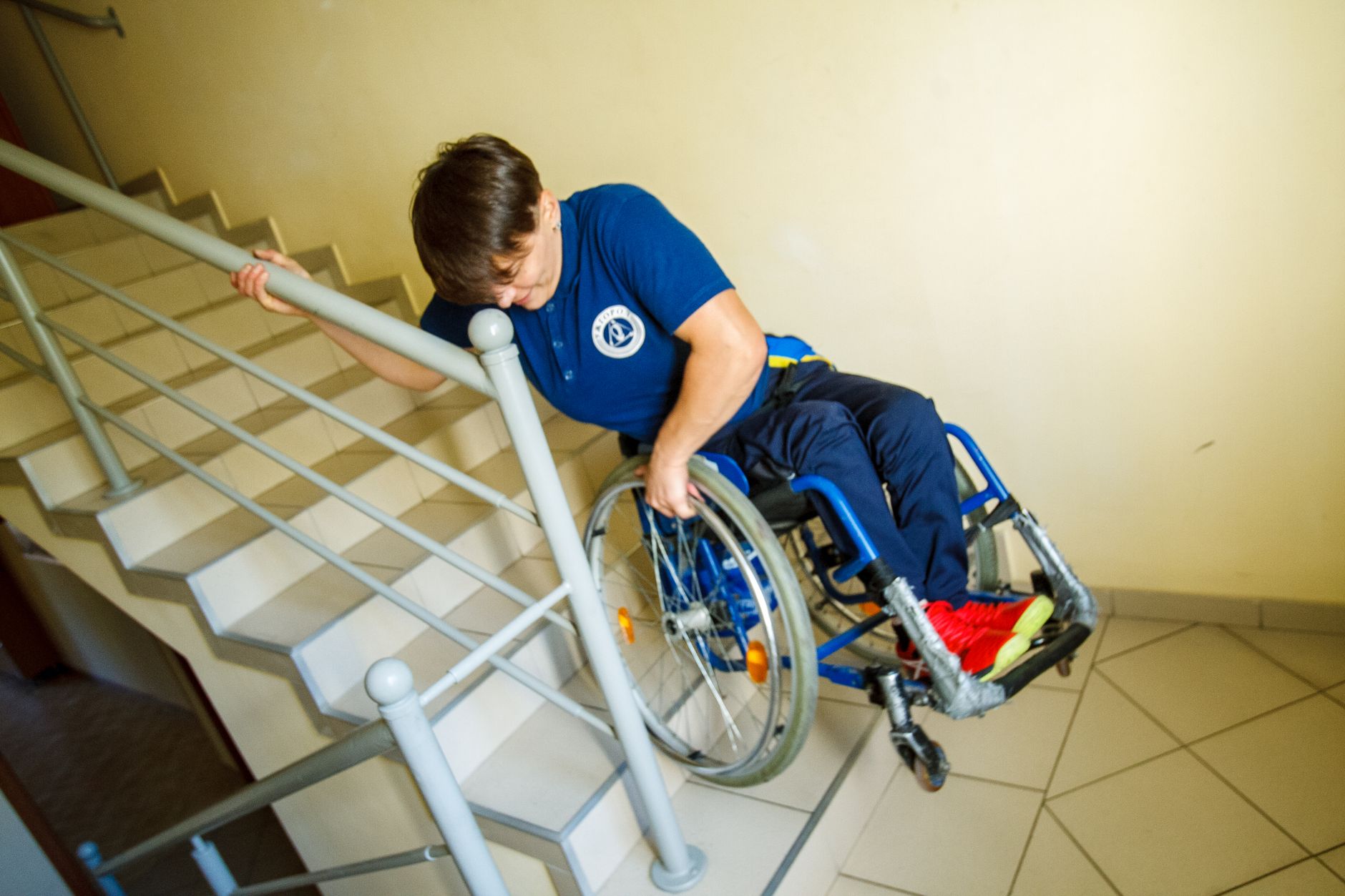
Yes, you can get disability benefits with a traumatic brain injury, but only if your condition meets specific medical and functional criteria set by the Social Security Administration. The SSA recognizes TBI as an especially severe disorder worthy of expedited review, though the process is still rigorous and requires substantial medical documentation. Consider the case of a 45-year-old construction worker who suffered a severe TBI in a fall, resulting in persistent memory loss, difficulty concentrating, and chronic headaches that prevent him from working—after a year of evidence gathering and one initial denial, he was approved for Social Security Disability Insurance with monthly benefits of $1,890.
The path to disability approval with TBI is challenging but achievable. Approximately 5.3 million Americans are currently living with permanent brain injuries, and while not all qualify for disability benefits, those with documented functional impairments have legal pathways available. The key is understanding what the SSA looks for, how long the process typically takes, and what medical evidence strengthens your claim. This article walks you through the entire process—from initial medical diagnosis through benefit awards—so you understand your rights and realistic chances of approval.
Table of Contents
- What Qualifies as Disability-Level Traumatic Brain Injury?
- Social Security Disability and TBI Claims
- Medical Evidence and the Three-Month Waiting Period
- Benefit Amounts and Income Limits Under SSDI and SSI
- Alternative Pathways When TBI Leaves No Motor Deficits
- Veterans and VA Disability Benefits for Combat-Related TBI
- Working with an Experienced Disability Attorney
- Conclusion
What Qualifies as Disability-Level Traumatic Brain Injury?
The SSA doesn’t approve disability benefits for TBI simply because someone has suffered a brain injury. Instead, the injury must result in specific functional limitations that prevent substantial gainful activity. traumatic brain injury occurs when external force damages the brain—common causes include motor vehicle accidents, falls, assaults, and combat injuries. The injury can range from mild concussions to severe damage resulting in coma or persistent vegetative state. The SSA’s disability determination focuses not on the cause or severity of the initial injury, but on the lasting consequences: can you work? Can you remember things? Can you follow instructions? Can you get along with others? The SSA uses Listing 11.18—introduced specifically in 2016 to address TBI claims—as the primary evaluation framework.
To qualify under this listing, your TBI must result in either motor function disorganization affecting two or more extremities (difficulty controlling arms or legs), or marked limitations in two or more areas of mental functioning. Mental functioning areas include: the ability to understand, remember, and apply information; the ability to interact appropriately with others; the ability to concentrate and persist with tasks; and the ability to regulate behavior and adjust to changes. A 52-year-old woman who experienced a TBI from a car accident, leaving her unable to drive, remember work instructions, or manage social interactions, would likely qualify—her condition affects both cognitive function and social capacity, meeting the threshold for two areas of marked limitation. One critical limitation: the SSA requires that your TBI symptoms must last a minimum of three consecutive months post-injury. Claims cannot be approved within this three-month window; the SSA must defer until at least three months have passed to ensure sufficient medical evidence exists. This rule frustrates claimants early in their recovery when disability may feel most severe, but it exists to distinguish temporary effects from permanent ones.
Social Security Disability and TBI Claims
If you have a TBI severe enough to prevent work, you’ll likely file for Social Security disability Insurance (SSDI) or Supplemental Security Income (SSI). SSDI is for workers who have paid Social Security taxes and become disabled; SSI is a needs-based program for disabled individuals with limited income and resources. Both programs use the same medical listings for approval decisions, but SSDI has no asset limits while SSI does, and SSDI benefit amounts depend on your prior earnings while SSI provides a fixed maximum benefit. The SSA considers TBI an especially severe disorder, which sometimes results in faster case review—though “faster” still typically means 3 to 6 months for an initial decision, and much longer if you need to appeal. During 2020, the SSA processed 214,110 TBI-related hospitalizations, giving some sense of the volume of cases.
The medical evidence requirements are strict: you’ll need detailed neurological testing (MRI, CT scans, cognitive assessments), physician statements documenting your functional limitations, and ideally treatment records showing consistent impairment over time. The SSA rarely approves TBI claims based on imaging alone; they need functional evidence that directly correlates with your limitations. If your MRI shows brain damage but your neuropsychological tests show only mild cognitive slowing, your claim faces an uphill battle. A significant warning: some claimants with TBI are initially denied because their medical records don’t clearly document functional decline. A person might have an impressive array of symptoms—fatigue, headaches, mood changes, concentration problems—but if the treating physician hasn’t written a statement explicitly linking these to work inability, the SSA will likely request additional evidence or deny the claim. This is why having an attorney or advocate who understands the SSA’s specific language requirements becomes invaluable.
Medical Evidence and the Three-Month Waiting Period
The three-month waiting period after TBI diagnosis is one of the most misunderstood aspects of disability claims. The SSA imposes this rule not to punish claimants but to distinguish temporary post-injury effects from lasting impairments. Many brain injuries improve substantially in the weeks and months following trauma, as swelling reduces and neural pathways reorganize. However, those with persistent deficits—memory problems that don’t resolve, personality changes, chronic pain, seizures—often see no improvement after three months and face years of lasting limitation. The SSA wants evidence of this permanence before awarding benefits. During this waiting period, you should focus on comprehensive medical documentation.
Request neuroimaging (MRI with contrast, CT scans), have a neuropsychological evaluation performed (a detailed battery of cognitive tests, not just bedside screening), and ensure your primary care physician documents your specific functional limitations in plain language. Don’t assume the treating team understands what the SSA needs; many physicians focus on medical management, not disability determination. You may need to ask your doctor directly: “Can I work in my prior job? Can I concentrate for eight hours? Can I remember daily instructions? Do I have mood or behavioral changes that affect my ability to interact with others?” Written answers to these questions are gold for a disability claim. An important limitation: if you’ve had a previous TBI with different symptoms, the SSA typically won’t combine symptoms from multiple injuries into a single claim unless they argue that the earlier injury caused pre-existing vulnerability. Each TBI is usually evaluated separately, based on the medical evidence from that specific injury and its aftermath. If you’re applying for disability on a recent TBI but have a prior brain injury history, be prepared for the SSA to examine both events and question whether the new symptoms truly stem from the recent injury versus the older one.

Benefit Amounts and Income Limits Under SSDI and SSI
If approved for disability, your monthly benefit amount depends on which program you receive. SSDI benefits are based on your prior earnings; the average SSDI benefit in 2026 is approximately $1,890 per month, though amounts vary widely. SSI provides a fixed maximum: $994 per month for an individual in 2026, or $1,491 for an eligible couple. The 2026 Cost of Living Adjustment (COLA) increased both programs’ benefit amounts by 2.8 percent, meaning your benefit amount will be lower in 2025 if you filed in previous years but higher if you’re newly approved in 2026 or later. To qualify for SSDI, you must earn below the Substantial Gainful Activity (SGA) limit: $1,690 per month for non-blind individuals, or $2,830 per month for blind individuals. This limit applies to any work you attempt; if you work and earn above this threshold, the SSA will find you no longer disabled, terminating your benefits. Some claimants with TBI attempt part-time work as they recover, hoping to maintain benefits if income stays below SGA.
However, the SSA also evaluates whether the work itself demonstrates you can perform substantial gainful activity, regardless of earnings. A person working 30 hours weekly at light duty, even if earning only $1,200 monthly, might lose disability if the SSA determines such work capacity proves you’re not fully disabled. This is the tradeoff of receiving benefits: you surrender the freedom to test whether you might work—any work attempt risks your case. SSI has separate limits: $994 monthly for individuals. Above that income—whether from work, family gifts, or benefits—triggers dollar-for-dollar reductions in SSI, and your SSI terminates completely if your countable resources exceed $2,000 (or $3,000 for couples). These limits are surprisingly low, trapping many claimants in poverty and discouraging rehabilitation. If you receive a settlement from a personal injury lawsuit related to your TBI, for example, you could find your SSI immediately terminated if the settlement amount (depending on how it’s structured) counts as a resource.
📨 Get Free Medicare Guides Alerts
Free · No spam · Unsubscribe anytime
Alternative Pathways When TBI Leaves No Motor Deficits
Not all TBIs result in motor impairment. Some people experience primarily cognitive changes—memory loss, executive dysfunction, slowed processing—without paralysis or weakness in their limbs. If your TBI doesn’t meet Listing 11.18’s motor function requirement and your mental limitations don’t reach the “marked” threshold across two areas, you still have options. The SSA will evaluate your case under alternative listings, most commonly Listing 12.02, which covers neurocognitive disorders. Under Listing 12.02, the SSA examines whether your cognitive impairment is so severe that you cannot engage in substantial gainful activity or unsupported work.
This listing requires evidence of significant cognitive decline and functional impact, supported by objective testing. The criteria are somewhat more flexible than the motor-focused Listing 11.18, but they’re also less specific and create more room for denial. An SSA examiner might see MRI evidence of brain injury and cognitive test results showing memory problems, but without a physician’s explicit statement that you cannot work, approve the claim as unlikely. There’s also Listing 11.20, which applies to TBIs resulting in coma or persistent vegetative state. If a severe TBI has left someone in a state of profound unresponsiveness, approval under this listing is nearly automatic, but it also reflects the most devastating category of injury. Most approved SSDI claims for TBI fall under Listing 11.18 (motor dysfunction or marked mental limitations), not these alternative categories.

Veterans and VA Disability Benefits for Combat-Related TBI
If your TBI occurred during military service, you may qualify for VA disability benefits in addition to, or instead of, SSDI. The VA uses a completely separate rating system: disabilities are rated from 0% to 100%, with each percentage corresponding to a specific monthly benefit amount. A 70% VA disability rating for TBI provides $1,808.45 per month (December 2025 through November 2026), a benefit that may exceed typical SSDI amounts and comes with healthcare coverage through the VA system. Combat-related TBIs are increasingly recognized by the VA, especially for veterans deployed to Iraq and Afghanistan where blast injuries are common. Many service members experienced repeated concussions or subconcussive impacts that led to lasting cognitive and neurological effects.
The VA will often approve higher disability ratings for TBI when the service connection is clear—that is, when medical records show the injury occurred during military service. One significant advantage: VA benefits are not means-tested like SSI, and VA ratings do not preclude you from working. A veteran receiving a 70% VA disability rating can simultaneously work full-time and earn income well above the SSDI SGA limit without affecting their VA benefit amount. However, if you’re a veteran and file for SSDI, the SSA will likely request VA records and may adjust its finding based on the VA’s service connection decision and rating. If the VA found you 70% disabled for TBI but the SSA initially denies your SSDI claim, you have strong evidence to appeal the SSA’s finding—the VA’s determination carries significant persuasive weight.
Working with an Experienced Disability Attorney
The statistics are sobering: more than two-thirds of initial SSDI and SSI claims are denied. For TBI specifically, where the functional impairment is often invisible (cognitive and neurological) rather than obvious (paralysis or blindness), the initial denial rate approaches 70%. However, claimants who appeal with attorney representation see approval rates above 60%—a dramatic reversal. This difference reflects the complexity of the SSA’s process and the importance of thorough medical development and persuasive advocacy.
A disability attorney or advocate will help you understand which SSA listing best applies to your TBI, identify gaps in your medical evidence, and request the specific tests and physician statements the SSA examines. They can also help you navigate the appeals process if you’re initially denied. Most importantly, they’ll ensure that your medical records are interpreted correctly; many physicians don’t fully understand what functional impairments the SSA requires to approve a claim, and an attorney bridges that gap. Attorney fees are capped at 25% of your back pay (the money owed from the date of application to approval, which often exceeds $10,000), so the cost of representation is justified by the typical benefit amounts recovered.
Conclusion
Getting disability benefits with a traumatic brain injury is achievable if your condition causes documented functional limitations lasting at least three months post-injury. The SSA recognizes TBI as an especially severe disorder, and Listing 11.18 provides a clear pathway for approval when you have motor dysfunction affecting multiple limbs or marked mental limitations in two or more functional areas. However, approval requires strong medical evidence, and initial denials are common—don’t assume a straightforward path even with obvious brain damage.
If you’re considering filing, begin by gathering comprehensive medical documentation, understanding the SSA’s specific functional requirements, and seeking guidance from an attorney or advocate experienced in TBI claims. The stakes are high: approved claimants receive monthly benefits ($1,690 to $2,830 SSDI, or $994 SSI, before deductions), access to Medicare or Medicaid, and protection from the pressure to work while recovering. The process demands patience—waiting three months post-injury before filing, then typically six months for initial decision—but for those with lasting TBI impairment, disability benefits provide essential income security and healthcare access during the long road of recovery and adjustment.
You Might Also Like
- How Traumatic Brain Injury Qualifies for Disability
- Getting Disability with Stroke
- Getting Disability with Parkinson’s