
Nevada offers significant tax advantages for retirees receiving Social Security benefits. The state has no income tax on individuals—a constitutional protection under Article 10, Section 1 of the Nevada Constitution—which means Social Security benefits are not taxed at the state level. For a retiree receiving $2,000 per month in Social Security benefits, this protection alone preserves approximately $240 per year that would otherwise go to state taxes in other states. However, Nevada residents are not completely sheltered from taxation on Social Security income.
While the state does not tax these benefits, the federal government may tax up to 85% of your Social Security benefits if your combined income exceeds certain thresholds. A Nevada resident with Social Security income, pension distributions, and investment earnings could still face substantial federal tax liability even though Nevada itself offers complete protection from state income taxation on retirement income. This unique position—no state tax combined with potential federal tax—requires Nevada residents to understand both layers of the tax code. Nevada’s advantage becomes even more valuable when combined with strategic income planning and an understanding of how different income sources interact under federal tax rules.
Table of Contents
- Why Nevada’s Tax-Free Social Security Is a Retirement Game-Changer
- How Federal Taxation Still Affects Nevada Social Security Recipients
- Understanding the 2026 Social Security Wage Base and Your Working Years
- Planning Your Nevada Retirement Income Strategy
- Medicare Tax, Wage Thresholds, and What High-Income Earners Must Know
- Sales Tax, Property Tax, and Other Nevada Taxes Affecting Your Retirement Budget
- Positioning Yourself as a Nevada Resident for Tax Benefits
- Conclusion
Why Nevada’s Tax-Free Social Security Is a Retirement Game-Changer
Nevada’s constitutional prohibition on income tax extends to all retirement income sources, not just social Security. Pensions from government, military, or private employment, 401(k) distributions, IRA withdrawals, and annuity payments are all completely exempt from Nevada state taxation. This comprehensive protection is rare—most states tax at least some of these income sources or have complex exemptions that create planning headaches. The practical impact becomes clear when comparing Nevada to neighboring California, which taxes both Social Security benefits and retirement income, or to states like New York or Oregon that apply state income tax to retirement distributions.
A Nevada resident with $60,000 in annual retirement income from Social Security and a pension pays zero state income tax, while the same resident in California could owe several thousand dollars. Over a 25-year retirement, this difference accumulates to substantial savings. One important limitation to note: Nevada’s protection applies only to income taxes. Sales taxes, property taxes, and other fees still apply. A retiree on a fixed Social Security income will pay Nevada’s 8.24% combined sales tax (6.85% state plus 1.39% local average) on purchases, which can offset some of the income tax savings over time.
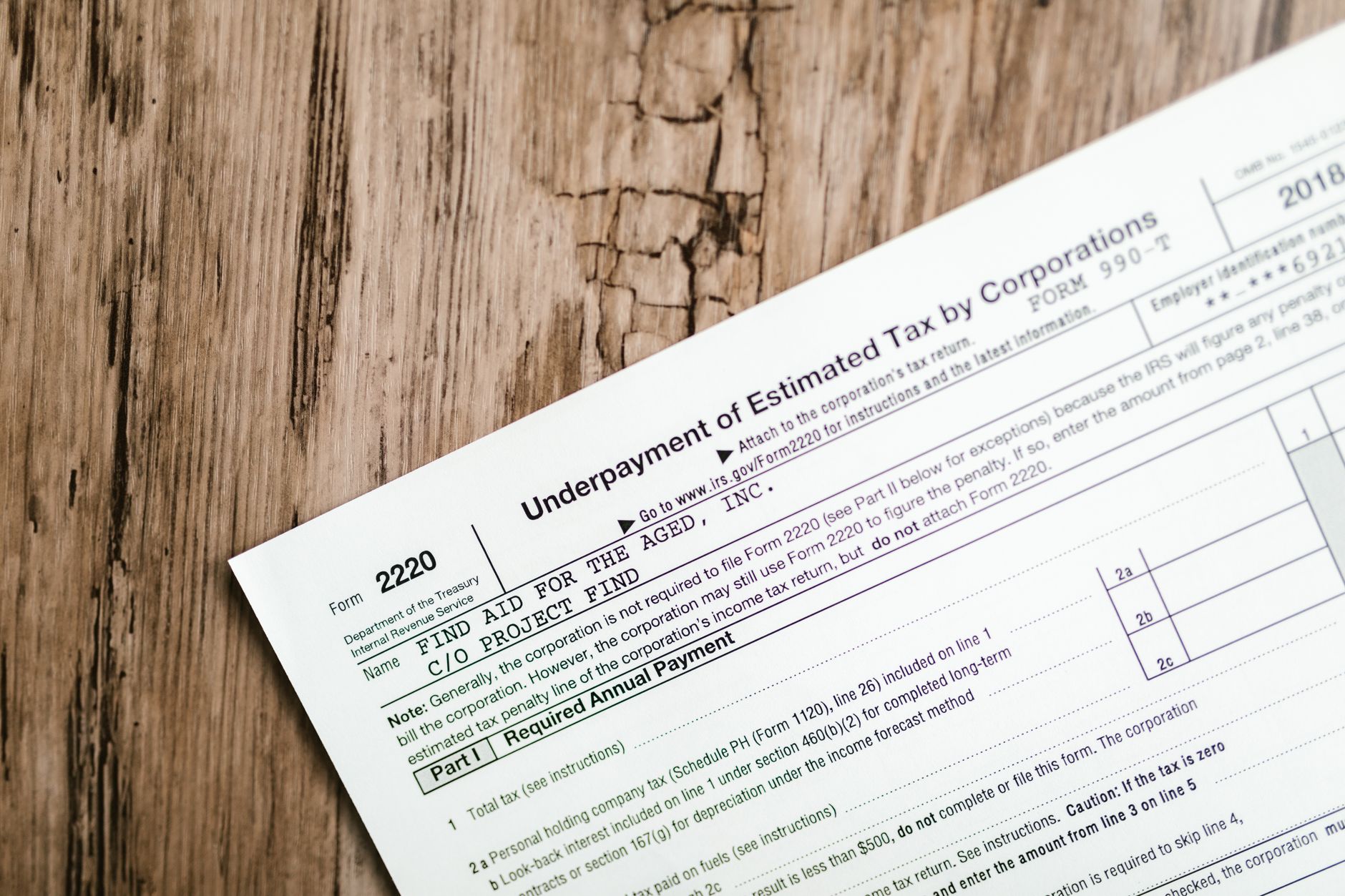
How Federal Taxation Still Affects Nevada Social Security Recipients
While Nevada doesn’t tax Social Security, the federal government has its own rules. Up to 85% of your Social Security benefits can be taxed federally if your “combined income” exceeds specific thresholds. Combined income is calculated by adding your wages, interest, dividends, and 50% of your Social Security benefits. For 2026, single filers with combined income above $25,000 and married couples above $32,000 enter the zone where some Social Security taxation occurs. Understanding this calculation is critical because it often catches retirees by surprise. Consider a Nevada widow receiving $24,000 annually in Social Security and $35,000 from a pension.
Her combined income totals $47,000 (pension $35,000 plus half of Social Security benefits $12,000). This puts her well into the federal taxation range, meaning a portion of her Social Security will be subject to federal income tax. She might owe $1,500 to $2,000 in federal taxes despite living in a state with no income tax. The limitation here is that federal taxation creates a complexity that Nevada’s state tax-free status cannot eliminate. Retirees often assume that because they live in Nevada, their Social Security is untaxed, then face an unexpected federal tax bill. Tax planning becomes essential—some retirees benefit from spreading income across multiple years, managing pension distributions strategically, or coordinating with investment decisions to stay below the threshold where Social Security becomes taxable.
Understanding the 2026 Social Security Wage Base and Your Working Years
For those still working or self-employed in Nevada, the 2026 Social Security wage base limit is critical to understand. The taxable wage base has increased to $184,500, up $8,400 from 2025—a 4.8% increase reflecting cost-of-living adjustments. This means employees and employers each pay 6.2% Social security tax on earnings up to this limit, resulting in a maximum Social Security tax of $11,439 per person in 2026. This wage base increase affects high-income earners and small business owners most directly.
A Nevada small business owner earning $250,000 annually pays Social Security tax only on the first $184,500, leaving the remaining $65,500 free of Social Security taxation. However, that remaining income is still subject to Medicare tax at 2.9% (or 3.8% for high earners with net investment income), plus federal income tax and self-employment tax obligations. The critical limitation: once you exceed the wage base, additional earnings are not protected from taxation—they’re just protected from Social Security contributions. This distinction matters for retirement planning. A high-earning Nevada resident should not assume that earning beyond the wage base limit is somehow tax-free; it simply has different tax consequences than the first $184,500.

Planning Your Nevada Retirement Income Strategy
Nevada’s tax advantages allow retirees greater flexibility in withdrawing from retirement accounts without the same state tax penalty other states impose. A retiree in Nevada can withdraw from traditional IRAs or 401(k)s without worrying about state income tax consequences, though federal income tax still applies. This creates planning opportunities that residents in high-tax states simply don’t have. Consider two scenarios: a Nevada retiree and a California retiree, both with identical $80,000 annual retirement income from Social Security, pensions, and IRA withdrawals. The Nevada resident owes approximately $6,000 to $8,000 in federal taxes, depending on their specific situation.
The California resident, in the same income situation, could owe $10,000 to $14,000 or more when state taxes are added. Over 20 years, this difference exceeds $100,000—money that stays in Nevada retirees’ pockets for healthcare, travel, or inheritance. The tradeoff worth considering: Nevada’s lack of income tax means the state must fund services through other revenue sources, particularly sales taxes and business taxes. Nevada residents with modest incomes who spend most of their money on taxable purchases might pay higher sales taxes than lower-income residents in states with income taxes but lower sales taxes. An analysis of your specific spending patterns is worthwhile.
📨 Get Free Medicare Guides Alerts
Free · No spam · Unsubscribe anytime
Medicare Tax, Wage Thresholds, and What High-Income Earners Must Know
High-income Nevada earners face the Net Investment Income Tax (NIIT), a 3.8% tax that applies regardless of state. Individuals earning over $200,000 and married couples over $250,000 pay an additional 3.8% Medicare tax on net investment income. This federal tax exists independently of Nevada’s state tax protection and often surprises retirees who didn’t plan for it during their working years. Additionally, self-employed Nevada residents pay both the employee and employer portions of Social Security tax—12.4% total—up to the $184,500 wage base limit. While a portion of self-employment tax is deductible, the full amount represents a substantial obligation.
A self-employed consultant earning $250,000 in Nevada owes $22,878 in self-employment tax on the Social Security portion alone, plus federal income tax and the NIIT on investment income. The warning here is significant: Nevada’s state tax advantage can create a false sense of security about retirement taxes. High-income earners and self-employed individuals should work with a tax professional to model their retirement income scenario carefully. The absence of state income tax does not mean retirement income is lightly taxed—it simply means one layer of taxation is removed. Federal obligations remain substantial.

Sales Tax, Property Tax, and Other Nevada Taxes Affecting Your Retirement Budget
While Social Security and retirement income escape state taxation in Nevada, retirees still encounter other taxes. Nevada’s combined sales tax averages 8.24%—6.85% state plus 1.39% local, with some counties reaching 8.375%. Over a year, a retiree spending $40,000 on taxable purchases (groceries, clothing, dining, fuel) pays $3,296 in sales taxes. Property taxes vary by county but average around 0.6%, so a $300,000 home generates approximately $1,800 in annual property tax. Nevada also has no state inheritance tax or estate tax, which benefits those leaving assets to heirs.
This protection extends to military pensions, which receive special consideration in some states but are fully protected in Nevada. A retired military officer receiving $3,000 monthly in military pension income pays zero Nevada state tax on this income, another advantage that varies significantly across states. The combination of these taxes—sales tax, property tax, and various business taxes—means Nevada’s overall tax burden depends heavily on individual circumstances. A retiree living modestly with low consumption and a paid-off home might pay very little total tax. A retiree who continues spending actively and owns real estate could see taxes consume 5% to 8% of annual income despite the lack of income tax.
Positioning Yourself as a Nevada Resident for Tax Benefits
If you’re considering relocating to Nevada for retirement, timing and documentation matter significantly. Residency establishes your tax home, which determines whether you benefit from Nevada’s tax advantages. Most states and the federal government consider you a resident based on where you spend the majority of your time and maintain your permanent home. Moving to Nevada specifically to avoid income taxes on retirement income is legal, but you must establish genuine residency—not simply claim Nevada while spending winters elsewhere.
The future outlook for Nevada’s tax advantage is stable. The Nevada Constitution’s prohibition on income tax is difficult to change, requiring approval from Nevada voters. Unlike some states that have recently implemented or expanded income taxes, Nevada’s constitutional protection makes dramatic changes unlikely. For those retiring in the coming years, Nevada’s tax-free status for retirement income should remain reliable planning ground. Staying informed about federal changes—particularly any adjustments to Social Security taxation thresholds or Medicare tax rules—remains essential as retirement approaches.
Conclusion
Nevada provides one of the most retirement-friendly tax environments in the United States, completely exempting Social Security benefits and all retirement income from state taxation. This advantage saves the average retiree thousands of dollars annually and compounds significantly over a multi-decade retirement. However, this state-level protection does not eliminate federal tax obligations, and high-income retirees should not assume their retirement income is lightly taxed simply because they live in Nevada.
The practical next step is to model your specific retirement scenario using Nevada’s tax rules and the 2026 federal thresholds. If you’re receiving Social Security or planning to draw from retirement accounts, consult with a tax professional who understands how combined income thresholds affect your federal taxation. Nevada’s tax advantages are real and valuable, but they work best when integrated into a comprehensive retirement income strategy that accounts for federal obligations, state sales taxes, and your individual income sources.
You Might Also Like
- Social Security and Taxes in Texas
- Social Security and Taxes in Pennsylvania
- Social Security and Taxes in Ohio