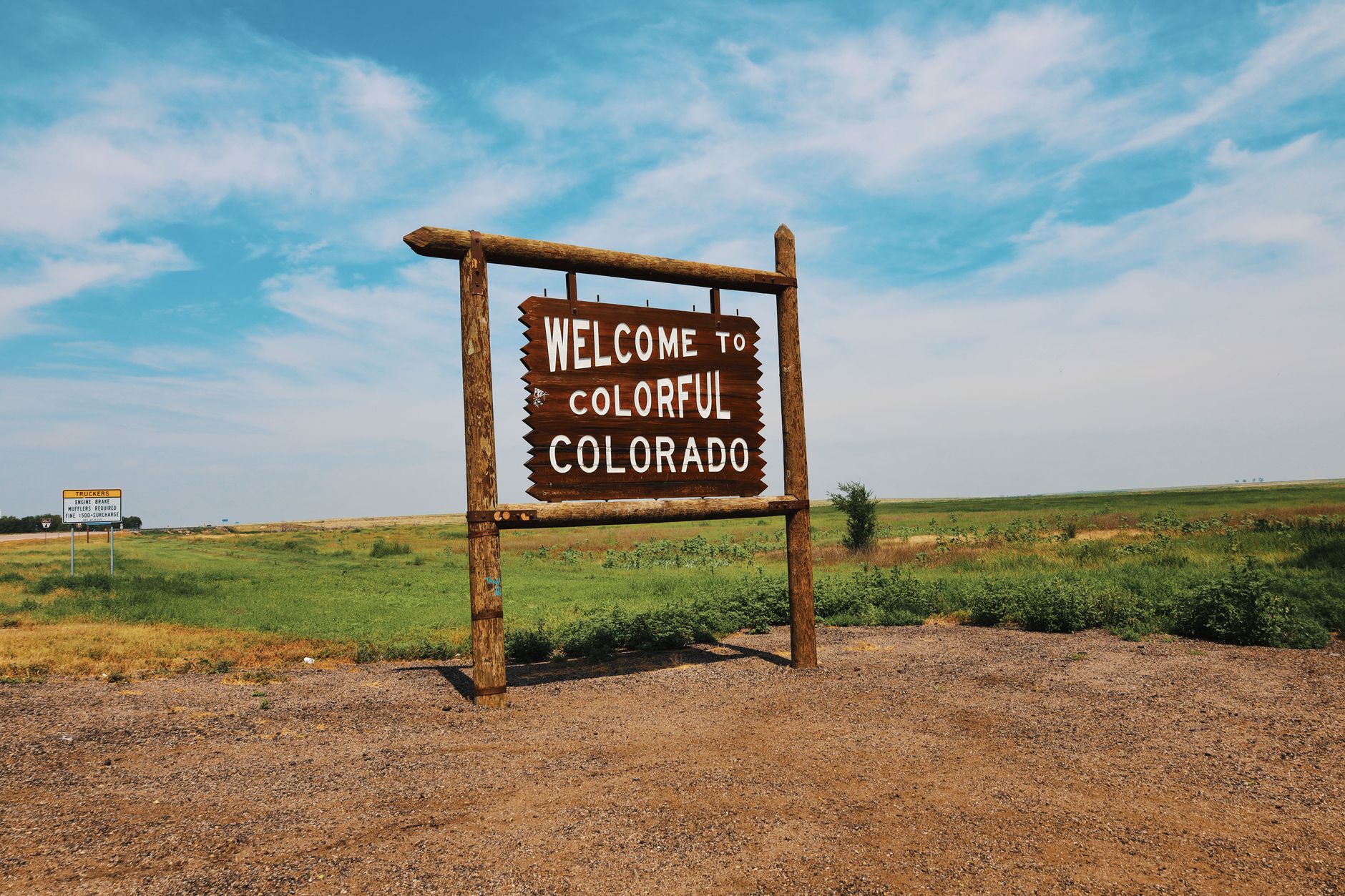
The best places to retire in Colorado include Denver, Boulder, Asheville, Fort Collins, and Durango, each offering unique advantages depending on your priorities, budget, and lifestyle preferences. Colorado stands out among retirement destinations due to its combination of natural beauty, outdoor recreational opportunities, relatively low cost of living compared to other Western states, and favorable tax treatment of retirement income. If you’re interested in cultural amenities and urban convenience while maintaining access to mountain landscapes, Denver offers the best balance—with a cost of living roughly 10-15% lower than major East Coast cities, proximity to world-class medical centers, and a thriving downtown with theaters, museums, and restaurants.
Colorado’s appeal to retirees has grown significantly over the past decade, attracting thousands of people annually. The state’s 300+ days of sunshine per year, absence of sales tax on groceries, and Social Security income exemption make it financially attractive. However, Colorado’s high elevation (Denver sits at 5,280 feet) can pose challenges for those with respiratory or cardiac conditions, and the dry climate requires adjustment for people accustomed to higher humidity. This guide examines the specific characteristics of Colorado’s top retirement destinations, explores financial considerations, and addresses practical concerns you should evaluate before making your move.
Table of Contents
- Which Colorado Cities Offer the Best Retirement Quality of Life?
- How Does Colorado’s High Elevation Affect Retirees?
- Which Colorado Town Provides the Best Healthcare Access for Seniors?
- What Are the True Housing Costs and Tax Implications for Colorado Retirees?
- What Financial Pitfalls Should Colorado Retirees Anticipate?
- Which Colorado Town Best Suits Active Retirees?
- How Is Colorado’s Retirement Market Evolving?
- Conclusion
- Frequently Asked Questions
Which Colorado Cities Offer the Best Retirement Quality of Life?
Denver reigns as Colorado’s most popular retirement destination, combining urban amenities with proximity to outdoor recreation. The Mile High City hosts major healthcare facilities including UCHealth and National Jewish Health, hosts professional sports teams, maintains a robust downtown theater district, and offers endless restaurant choices across diverse neighborhoods. A comfortable retirement in Denver typically requires $3,500-$4,500 monthly for a couple, compared to $4,800-$5,800 in Boulder or $2,800-$3,500 in Fort Collins. Fort Collins presents a compelling alternative for retirees seeking a smaller city atmosphere while avoiding Denver’s growth-related traffic congestion.
Home to Colorado State University, Fort Collins maintains a vibrant cultural calendar with music festivals, farmers markets, and outdoor events, yet retains a more manageable population of roughly 160,000 residents. The community attracts younger retirees particularly well, as the CSU connection brings younger cultural energy while property taxes remain moderate—averaging around $500 annually per $100,000 of home value. Asheville, nestled in the foothills near Boulder, caters to retirees prioritizing walkability and artistic culture. The area hosts numerous galleries, breweries, and live music venues within walkable neighborhoods, though home prices have escalated dramatically in recent years, with median home values now exceeding $600,000—making it expensive compared to other Colorado alternatives.

How Does Colorado’s High Elevation Affect Retirees?
Colorado’s elevation presents a significant health consideration often underestimated by relocating retirees. Denver sits at 5,280 feet, Fort Collins at 5,003 feet, and mountain communities reach 8,000-10,000 feet or higher. new arrivals commonly experience altitude sickness symptoms including headaches, shortness of breath, and sleep disruption during their first 2-4 weeks, though most people acclimate naturally. However, retirees with heart conditions, chronic obstructive pulmonary disease (COPD), or untreated high blood pressure should consult their physicians before moving, as altitude can exacerbate these conditions significantly. The elevation also accelerates dehydration—a critical concern for seniors, whose thirst sensation naturally diminishes with age.
Combined with Colorado’s single-digit humidity levels, many new retirees experience dry skin, chapped lips, and increased sinus problems. Long-time residents report requiring 30-50% more daily water intake than they consumed in lower-elevation states. Medical professionals recommend gradual acclimatization, with some suggesting a trial period of 2-3 months before committing to permanent relocation. Additionally, the high altitude amplifies sun exposure risks. Colorado receives 300 days of annual sunshine and receives nearly 35% more ultraviolet radiation than sea-level locations due to the thinner atmosphere. Dermatologists emphasize that retirees relocating to Colorado should increase sunscreen use and skin cancer screenings, as melanoma rates run higher in Colorado than national averages.
Which Colorado Town Provides the Best Healthcare Access for Seniors?
Denver clearly dominates for medical infrastructure, hosting two major academic medical centers—University of Colorado Hospital and UCHealth—plus numerous specialized facilities and over 15,000 physicians. Retirees with complex medical needs, those requiring specialists, or individuals with conditions like cancer or cardiac issues benefit tremendously from Denver’s healthcare depth. The city also maintains dozens of skilled nursing facilities and assisted living communities, providing continuity of care if needs change during retirement. Fort Collins offers solid healthcare through UCHealth Medical Center of the Rockies, which provides general services and most specialties, though complex cases may require referral to Denver facilities—roughly a 90-minute drive.
Smaller towns like Durango and Montrose maintain adequate rural hospitals but lack specialized programs, creating potential challenges if serious illness develops. Colorado Springs represents another strong healthcare option, home to Memorial Healthcare System and Centura Health facilities serving the southern Front Range. However, Colorado Springs experiences faster sprawl than Denver, meaning longer commute times to cultural attractions. Many retirees seeking Colorado Springs for its lower cost discover that some amenities require 30+ minute drives.

What Are the True Housing Costs and Tax Implications for Colorado Retirees?
Colorado offers significant tax advantages unavailable in many states. Colorado exempts Social Security income entirely from state income tax and excludes the first $24,000 of other retirement income for filers 55 and older (with higher limits for those 65+), making Social Security recipients effectively tax-free in Colorado. Combined with no sales tax on groceries and modest property taxes, Colorado’s overall tax burden for retirees runs 20-30% lighter than states like California or New York. However, housing costs have escalated substantially in desirable communities. Denver metro median home prices exceeded $600,000 in 2024, though neighborhoods further south or east offer modestly lower prices.
Fort Collins homes average $500,000-$550,000, while mountain communities like Durango or Telluride reach $800,000+. A critical tradeoff exists: choose convenient Denver or Boulder for healthcare and culture and pay premium prices, or select smaller towns for affordability and accept longer drives to specialists or cultural events. Rental options exist but rarely offer savings—a two-bedroom apartment in Denver rents for $1,800-$2,400 monthly, comparable to purchase economics. Property tax rates remain reasonable statewide, averaging around 0.50-0.60% of home value annually, significantly lower than Midwest states but slightly higher than some Western alternatives. Homeowners over 65 qualify for property tax exemptions on a portion of home value (typically $100,000 exemption), reducing taxes substantially for low-income seniors.
What Financial Pitfalls Should Colorado Retirees Anticipate?
Seasonal utility costs surprise many relocating retirees. While Colorado summers rarely require air conditioning (summer highs typically 80-85 degrees), winters bring significant heating expenses—particularly in mountain communities where homes sit uninsulated from older construction eras. Monthly heating bills during January and February can reach $200-$300 in an average home, compared to minimal summer cooling costs. Retirees should inspect HVAC systems carefully before purchasing and budget accordingly for climate control. The dry climate intensifies maintenance costs for both homes and vehicles.
Colorado’s lack of moisture means less rust, but the intense sun fades exterior paint rapidly and degrades rubber components faster than in humid climates. Used vehicles purchased elsewhere often deteriorate faster in Colorado, requiring more frequent maintenance. Additionally, the high altitude strains vehicle engines and shortens spark plug life—mechanics report 10-15% higher maintenance costs for vehicles relocating from lower elevations. Healthcare insurance presents another hidden consideration. Medicare covers Colorado adequately, but supplemental insurance options vary by region, and some specialists require higher copays in smaller communities where fewer providers create limited competition. Long-term care insurance becomes increasingly valuable in Colorado, as in-home care services and assisted living facilities run 10-20% more expensive than national averages, particularly in desirable Front Range communities.

Which Colorado Town Best Suits Active Retirees?
Boulder attracts highly active retirees willing to pay premium prices for outdoor recreation at their doorstep. The town sits adjacent to Flatiron and Green Mountain trails, offers rock climbing, hiking, biking, and skiing within 20 minutes, and maintains Colorado’s highest concentration of outdoor enthusiasts. However, Boulder’s median home price exceeds $750,000, and ongoing gentrification continues displacing long-term residents, making it financially accessible primarily to affluent retirees.
📨 Get Free Medicare Guides Alerts
Free · No spam · Unsubscribe anytime
Durango serves as a superior value alternative for active retirees, offering exceptional mountain biking, skiing at Purgatory Resort, excellent hiking, and a charming downtown with galleries and restaurants. Located in southwest Colorado, Durango is slightly more remote—Albuquerque sits 340 miles south and Denver 350 miles northeast—meaning longer drives to major medical centers and urban cultural events. The trade-off accepts reduced accessibility for dramatically increased outdoor recreation and a slower-paced lifestyle. Home prices in Durango average $550,000-$650,000, lower than Boulder but higher than Fort Collins.
How Is Colorado’s Retirement Market Evolving?
Colorado’s retirement market has shifted notably since 2020, with remote work enabling younger professionals to relocate to Colorado, dramatically increasing housing prices and competition for homes. This trend has pushed many traditional retirees from desirable neighborhoods toward suburbs or smaller towns. The state’s population growth—Colorado ranks among the nation’s fastest-growing states—will likely continue, increasing infrastructure costs, potentially raising property taxes to fund schools and utilities, and intensifying traffic congestion.
Looking forward, climate considerations increasingly influence retirement decisions. Colorado’s abundant water makes it more resilient than drier Western states like Arizona or Nevada, but the state faces long-term drought risks as climate change alters precipitation patterns. Retirees planning 20-30 year retirements should monitor Colorado’s water availability, as extended drought could affect property values, utility costs, and landscape viability in retirement communities.
Conclusion
Colorado offers exceptional retirement opportunities for those prioritizing natural beauty, outdoor recreation, tax advantages, and relatively affordable living compared to coastal alternatives. Denver provides the best healthcare access and cultural amenities, Fort Collins offers smaller-city charm with solid services, and mountain communities like Durango cater to active retirees accepting reduced urban convenience.
However, relocating retirees must honestly assess whether Colorado’s high elevation poses health risks, adjust expectations for the dry climate’s effects on comfort and maintenance costs, and recognize that desirable communities now command premium prices reflecting significant population migration. Before relocating permanently, spend 2-3 months in your target Colorado community during different seasons—experience the elevation directly, evaluate healthcare accessibility, assess housing markets, and determine whether the lifestyle genuinely fits your retirement vision. Colorado’s advantages prove substantial for the right retiree, but relocation is irreversible and expensive, making thorough evaluation essential before committing to the move.
Frequently Asked Questions
Does Colorado have state income tax on pensions and retirement accounts?
Colorado exempts Social Security entirely and excludes the first $24,000 of retirement income annually for filers 55 and older, making pensions and IRA distributions largely tax-free for most retirees. Federal taxes still apply, but state tax burden is minimal.
Is Colorado expensive compared to other Western retirement destinations?
Colorado generally costs less than California or Arizona’s premium retirement areas, but exceeds New Mexico, parts of Utah, and rural Mountain West locations. Denver and Boulder rival California prices, while Fort Collins and smaller towns offer more affordability.
Can retirees afford to retire in Colorado on Social Security alone?
In smaller towns like Fort Collins or Montrose, Social Security alone can support modest retirement living, though Denver and Boulder typically require supplemental income or significant savings. Average Social Security of $1,900 monthly covers basic housing and expenses outside major metros.
How severe is Colorado’s dry climate, and what adjustments are necessary?
Colorado’s 3-5% humidity (compared to national averages of 45-65%) requires increased water intake, humidifier use during winter, frequent lotion application, and higher sunscreen protection. Most retirees acclimate within 6 months.
What should retirees know about Colorado’s elevation before moving?
Altitudes from 5,000-10,000 feet cause 2-4 weeks of acclimatization for most people, but can permanently complicate conditions like heart disease or COPD. Medical consultation before relocating is essential if you have respiratory or cardiac conditions.
Are there affordable Colorado retirement communities outside Denver and Boulder?
Yes—Fort Collins, Loveland, Montrose, and Delta offer significantly lower costs while maintaining adequate services. Montrose and Delta in western Colorado cost 30-40% less than Denver but involve longer drives to major medical specialists.