
A decline in retirement savings is more than just a concerning number on a bank statement—it’s often the first visible symptom of deeper financial instability ahead. When people begin withdrawing from retirement accounts or stop contributing altogether, it typically signals that they’re struggling with immediate cash flow problems that demand urgent attention. Consider someone who’s been steadily adding $500 monthly to their 401(k) but suddenly stops contributions for several months, or worse, begins taking early withdrawals to cover living expenses.
This behavioral shift doesn’t occur in isolation; it reflects a person who has exhausted emergency reserves, fallen behind on debt, or faced an unexpected major expense that has fundamentally altered their financial picture. The troubling reality is that those who dip into retirement savings often face a cascading series of financial setbacks that extend well beyond the retirement years. Job loss, medical crises, caregiving obligations, or investment portfolio damage can all trigger the withdrawal of retirement funds—and these same events tend to create additional pressure on overall financial health. When someone raids their retirement account in their 40s or 50s, they’re not just losing the money itself; they’re losing decades of compound growth that cannot be recovered, and they’re frequently doing so while facing the very circumstances that make future recovery difficult.
Table of Contents
- Why Retirement Account Withdrawals Signal Broader Money Problems
- The Hidden Damage Beyond the Withdrawal Itself
- The Debt Accumulation Connection
- What the Numbers Aren’t Telling You About Your Cash Flow
- The Tax and Penalty Trap That Compounds Problems
- Medical Expenses and Healthcare as Primary Drivers
- The Pension and Social Security Intersection
- Frequently Asked Questions
Why Retirement Account Withdrawals Signal Broader Money Problems
Most people understand intellectually that raid their retirement savings incurs penalties, taxes, and opportunity costs. Yet the frequency of early withdrawals has climbed steadily, particularly among middle-income workers. According to employer plan data, roughly 1 in 5 employees with access to a 401(k) takes loans or withdrawals from their accounts in a given year. this persistent behavior despite the clear downsides suggests that the motivating circumstances are genuinely desperate—not discretionary spending or poor planning, but genuine financial scarcity.
The warning sign in retirement account drawdowns is what they reveal about a person’s emergency reserves. A healthy financial life includes liquid savings that can cover 3-6 months of expenses, allowing people to weather temporary income disruptions or unexpected bills without touching long-term accounts. When someone begins borrowing against their 401(k) or IRA, it typically means they’ve already exhausted that emergency buffer. Contractors who lose a client, employees who face reduced hours, and parents covering elder care costs often find themselves in this position: all the liquid resources are gone, bills are due, and retirement accounts become the last resort.

The Hidden Damage Beyond the Withdrawal Itself
While the immediate penalty and tax consequences of early retirement withdrawals are painful, the real damage lies in the disruption to compound growth. A 45-year-old who withdraws $20,000 from a retirement account loses not just that $20,000, but also the growth it would have generated over 20 years until retirement age. At a conservative 6% annual return, that $20,000 would have grown to approximately $64,000. The forgone growth is often larger than the initial withdrawal itself, yet this cost is invisible in the moment of withdrawal.
The limitation of treating a retirement account as an emergency fund is that it signals a complete absence of alternatives. Someone with access to credit, a supportive family member, or employer benefits would typically use those options first, not raid retirement savings. The fact that they’ve turned to their 401(k) suggests those other options have been exhausted. This pattern frequently appears in cases where someone is simultaneously taking on credit card debt at 18-24% interest while withdrawing from their retirement account. The financial trap deepens because they’re now servicing both the new debt and the tax consequences of the withdrawal, creating mounting pressure that extends into the following year.
The Debt Accumulation Connection
A drop in retirement savings often happens alongside rising consumer debt, and these two trends are frequently connected causes and effects. Someone who stops contributing to retirement while their credit card balance climbs is facing a double squeeze: they’ve stopped building for the future while simultaneously borrowing against it. This pattern appeared clearly during economic downturns, when employee 401(k) contributions dropped while credit card delinquencies rose.
The specific example that illustrates this clearly is the situation facing many caregivers. A daughter who begins supplementing her aging mother’s living expenses while managing her own household costs may simultaneously reduce her 401(k) contributions to create monthly cash flow, take a loan from her retirement account to cover a one-time expense, and increase her credit card balance to manage the gap. Over 18 months, she might reduce her retirement contributions by 30%, withdraw $15,000 from her account, and run up $8,000 in new credit card debt. Each of these moves represents a rational response to immediate pressure, but collectively they reveal a person whose financial structure is collapsing under unsustainable obligations.

What the Numbers Aren’t Telling You About Your Cash Flow
When someone’s retirement savings decline, the conversation often focuses on how much was lost and how many years of growth were sacrificed. What’s frequently overlooked is what the decline reveals about monthly cash flow. If contributions drop from $500 to $0, that person just found $500 in their monthly budget—or failed to find it and had to stop saving to pay other expenses. This distinction matters enormously for understanding the severity of the problem. A helpful comparison: imagine two scenarios.
In the first, someone reduces retirement contributions from $500 to $250 monthly and redirects that $250 to pay down credit card debt. In the second, someone eliminates retirement contributions entirely and the money still doesn’t appear—it was never freed up because monthly expenses are simply that tight. The first suggests a deliberate reallocation with a plan to resume savings later. The second suggests a genuine cash flow crisis. Most people who reduce retirement contributions fall into the second category, indicating that the real household budget is stretched beyond capacity.
The Tax and Penalty Trap That Compounds Problems
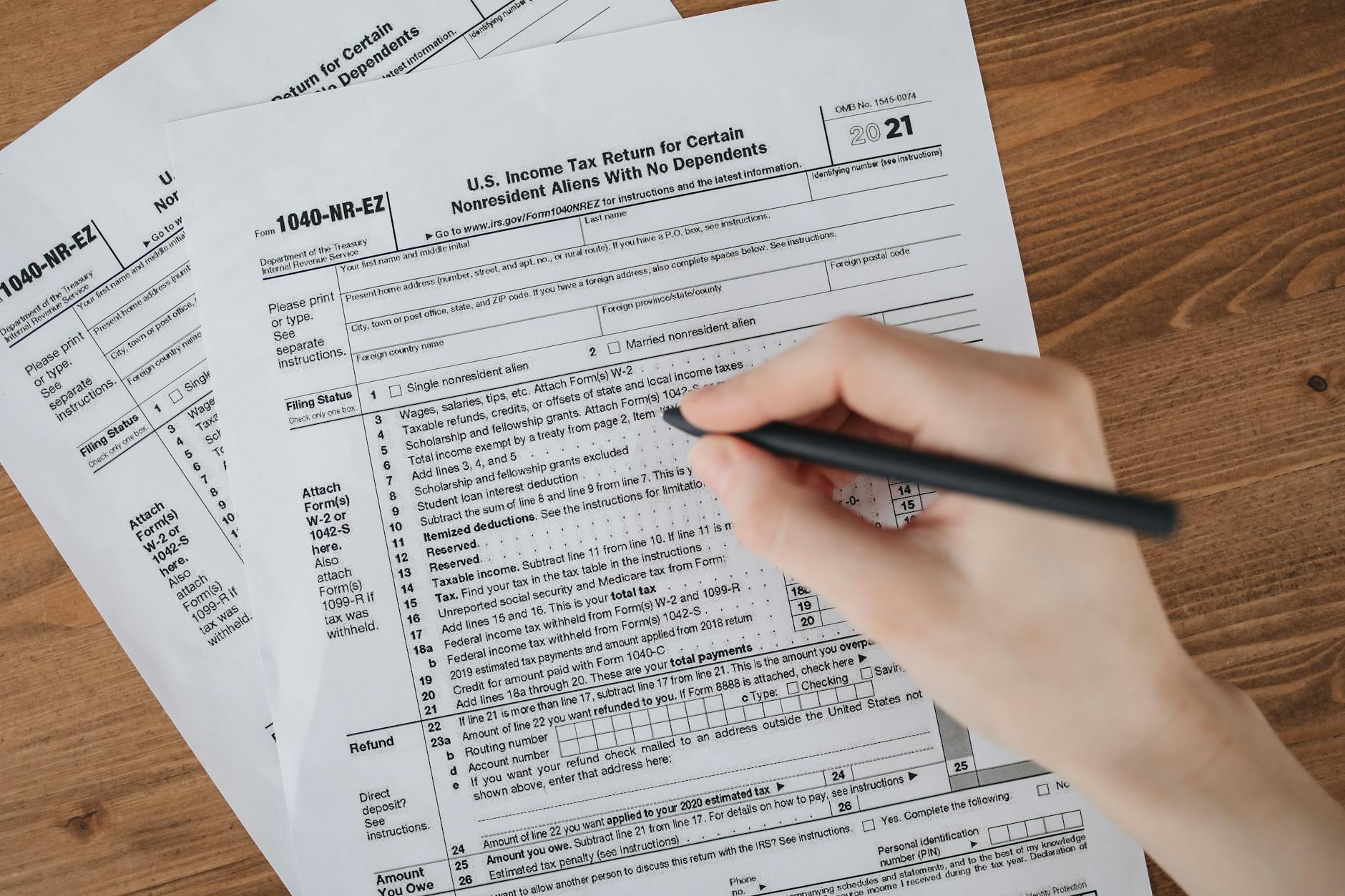
Early withdrawal from retirement accounts before age 59½ typically triggers a 10% penalty from the Internal Revenue Service, plus income taxes on the withdrawn amount. For someone in the 22% tax bracket withdrawing $20,000, the immediate cost is $6,400 (10% penalty plus 22% tax), effectively turning a $20,000 withdrawal into an out-of-pocket loss of $26,400 when combined with the lost balance. Yet many people fail to set aside enough to cover the tax bill and discover in April that they owe additional money they don’t have.
📨 Get Free Medicare Guides Alerts
Free · No spam · Unsubscribe anytime
The limitation that often traps people is the lag between the withdrawal and the tax bill. Someone withdraws $20,000 in September to handle an emergency, but the tax hit doesn’t arrive until April. In the intervening months, they’ve managed to stabilize somewhat, perhaps even rebuild some emergency savings—but April’s tax bill wipes it out again. Over a three-year period, multiple withdrawals and tax bills can create a pattern where someone is perpetually catching up, never quite recovering financially, and watching their retirement accounts dwindle while simultaneously drowning in the side effects of accessing them.
Medical Expenses and Healthcare as Primary Drivers
Among people over 55 who withdraw from retirement accounts, medical expenses and health insurance costs are the leading causes. A cancer diagnosis, a serious accident, or chronic condition management can drain savings quickly, and unlike discretionary spending, these expenses don’t stop when the money runs out. Someone paying $2,000 monthly in out-of-pocket medical costs while still earning a salary may cut retirement contributions, take a loan from their 401(k), and still fall behind as treatment continues.
The specific example that demonstrates this clearly is someone managing diabetes, hypertension, or arthritis over decades. The combination of specialist visits, medications, and devices can easily reach $500-$1,000 monthly, depending on insurance coverage and condition severity. A person in their late 50s dealing with multiple chronic conditions while working may face the choice of reducing retirement contributions, increasing credit card debt, or tapping retirement accounts. Many choose all three, creating the compounding effect that signals broader financial trouble.
The Pension and Social Security Intersection
For people with traditional pension plans, a drop in retirement savings takes on different significance. Someone with a guaranteed pension income might rationally reduce retirement account contributions because they’re already on track for retirement income. Conversely, someone without a pension who reduces retirement contributions is taking on substantially more longevity risk.
The absence of pension income makes retirement savings not optional—it’s the core mechanism for generating retirement income. The forward-looking reality is that fewer workers have access to defined benefit pensions, making personal retirement savings increasingly critical. For someone in their 30s or 40s without a pension, a drop in retirement savings is a warning flag not just about current cash flow problems, but about fundamental inadequacy in their retirement income planning. If they can’t save for retirement during their earning years, what mechanism will generate income during their retirement years? The retirement savings decline signals that this math doesn’t work, and without addressing it now, the financial trouble will extend directly into retirement.
Frequently Asked Questions
If I’ve already withdrawn from my retirement account, is it too late to recover?
Recovery is possible but requires addressing the underlying cash flow problem first. You must stop taking withdrawals, rebuild emergency savings to prevent future raids, and then resume aggressive retirement contributions. Many people find they can’t make progress on retirement accounts until they’ve dealt with debt and stabilized monthly cash flow.
Should I take a loan from my 401(k) instead of a withdrawal?
A 401(k) loan avoids the immediate tax penalty and theoretically allows repayment, but it still disrupts your retirement balance. The danger is that if you lose your job or leave the company, the loan typically becomes due immediately—if you can’t repay it, it converts to a taxable withdrawal. For genuine emergencies, you need a proper emergency fund, not a loan.
My employer offers a hardship withdrawal option. Should I use it?
Hardship withdrawals still have the same tax and penalty consequences as regular withdrawals. The only potential advantage is that some employers allow you to resume contributions sooner. Use this only if you’ve exhausted all other options and genuinely cannot meet basic living expenses.
How much should I prioritize retirement savings if I’m in financial trouble?
Once you’ve covered basic living expenses and have a starter emergency fund of $1,000-$2,000, you should begin contributing enough to capture any employer 401(k) match—this is free money and a guaranteed return. Only after stabilizing cash flow should you maximize retirement contributions.
What if my retirement accounts have already declined significantly?
The starting point is acceptance of where you are and a realistic retirement income plan. Meet with a fee-only financial planner to understand what income your existing savings can generate, what income sources you’ll have (Social Security, pension), and what the gap is. This determines how much you need to save going forward and whether you need to adjust retirement timing.
You Might Also Like
- Why Experts Are Calling This a “Warning Sign” for Retirement Savings
- This New Retirement Trend Could Leave Millions Unprepared
- Retirement Plans Could Change Forever as New 401(k) Rule Emerges