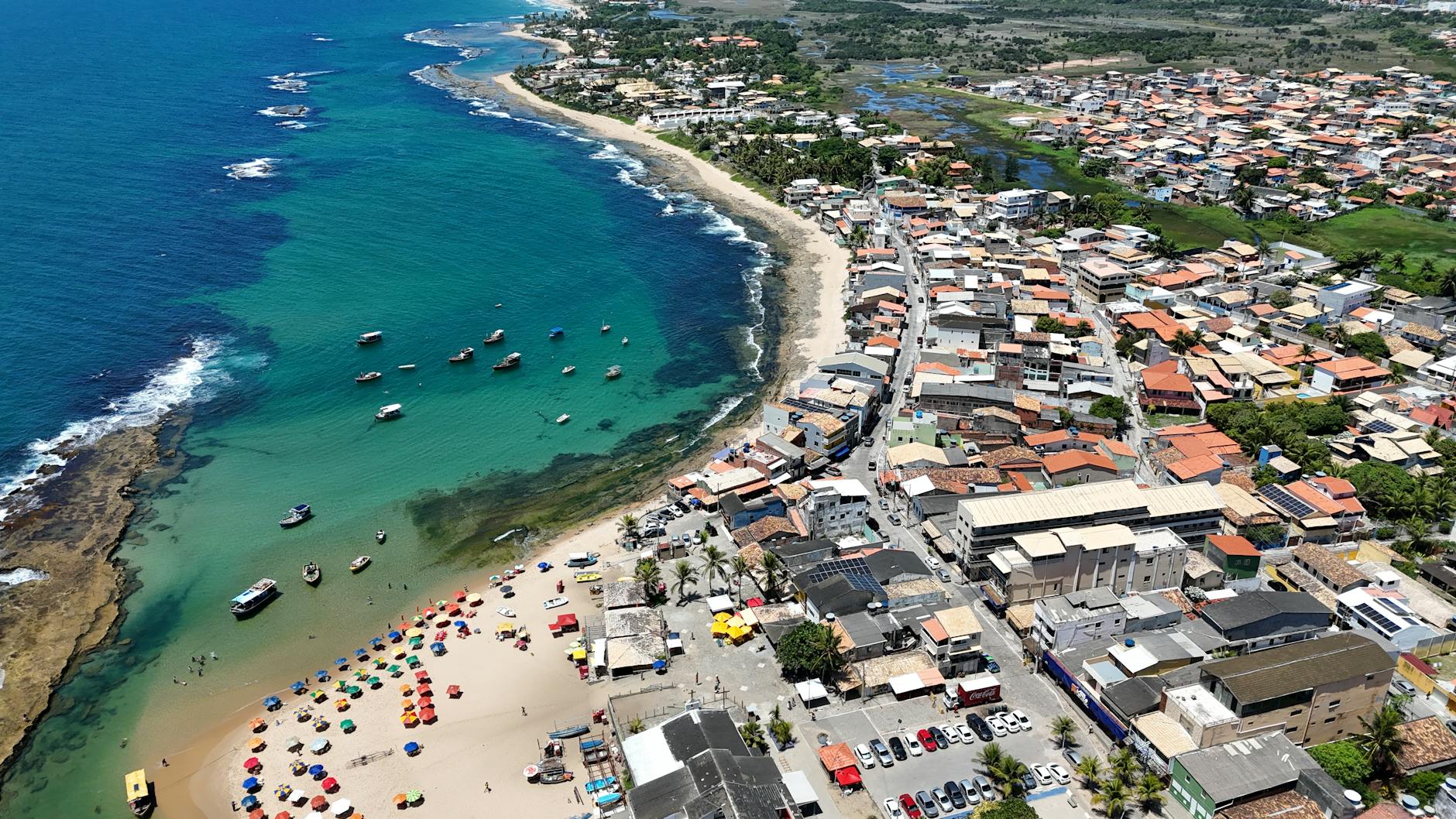
The most popular coastal towns for retirement in 2026 are heavily concentrated in Florida, with Daytona Beach, Naples, and Sarasota claiming the top three spots in the U.S. News & World Report rankings. That should not surprise anyone who has watched migration patterns over the past decade, but what has changed is the range of options now available — from towns where retirees can live comfortably on less than $1,800 a month to upscale enclaves like Naples, where more than half the population is already 65 or older. The draw is not just warm weather.
It is a combination of no state income tax, established healthcare networks, and communities that have already adapted their infrastructure to serve older residents. We will walk through the best-known destinations, the budget-friendly alternatives that rarely make headlines, Gulf Coast options gaining traction in 2026, and even an international pick for retirees willing to look beyond U.S. borders. Whether you are working with a generous pension or stretching a Social Security check of roughly $1,976 a month — the current national average — there is a coastal town worth examining.
Table of Contents
- Which Coastal Towns Are the Most Popular for Retirement in 2026?
- Affordable Coastal Towns Where Retirees Can Live on a Tight Budget
- Why Florida Dominates the Coastal Retirement Conversation
- How to Compare Coastal Retirement Towns Beyond Just Home Prices
- Common Pitfalls When Choosing a Coastal Retirement Town
- An International Alternative — Retiring to Coastal Portugal
- What the Coastal Retirement Market Looks Like Going Forward
- Frequently Asked Questions
Which Coastal Towns Are the Most Popular for Retirement in 2026?
According to U.S. News & World Report’s 2026 rankings, the five best beach towns to retire in the United States are Daytona Beach, Naples, Sarasota, Tampa, and Virginia Beach. Four of the five are in Florida, and the outlier — Virginia Beach, Virginia — still offers 38 miles of coastline and a population where roughly 17 percent of residents are 65 and older. Daytona Beach took the top spot largely on affordability, with a median home price of approximately $301,815 and average rent near $1,203 per month. For retirees watching every dollar, those numbers are meaningfully lower than the national median. Naples, ranked second, sits at the opposite end of the cost spectrum.
Median home prices there exceed $1.2 million, which prices out most retirees living on social Security alone. But the reason Naples consistently ranks high is its density of senior services and community design — 53 percent of its residents are age 65 or older, making it one of the most senior-friendly communities in the country. If you can afford the entry price, the infrastructure is already built around your needs. Sarasota, ranked third, offers a middle ground: a median home price near $497,190, median rent around $1,545 per month, and access to Siesta Key and Lido Key, two of the highest-rated beaches in Florida. Tampa rounds out the Florida picks at number four, appealing to retirees who want beach access without giving up big-city amenities like major hospitals, international airports, and professional sports. Its median home price sits at roughly $414,677 with rent averaging about $1,410 per month. Virginia Beach, at number five, is the best option on this list for retirees who prefer four distinct seasons and proximity to the mid-Atlantic corridor while still living on the coast.

Affordable Coastal Towns Where Retirees Can Live on a Tight Budget
The top-ranked towns get the most attention, but they are not always realistic for retirees whose primary income is Social Security. The average benefit of approximately $1,976 per month does not stretch far in Naples or even Sarasota. That is where lesser-known coastal towns become critical to the conversation. Pensacola, Florida, for instance, had a median sale price of $283,000 as of June 2025 and benefits from Florida’s lack of a state income tax. Gulfport, Mississippi, goes even further — its cost of living runs 15 percent below the national average, and housing costs sit 31 percent lower than the national figure. Calabash, North Carolina, offers a cost of living roughly 13 percent below the national average, and Myrtle Beach, South Carolina, pairs low living costs with a state that does not tax Social Security benefits and provides retirement income deductions.
These are not glamorous destinations, but they are functional ones. A retiree in Gulfport or Calabash can cover rent, groceries, and healthcare without draining savings at the pace someone in Sarasota might. FinanceBuzz has identified multiple beach towns where retirees can live on $1,800 a month or less, and most of them are in this category of smaller, quieter communities. However, if you are choosing a town purely on affordability, you need to weigh what you might be giving up. Smaller coastal towns often have fewer specialists and hospitals, limited public transit, and thinner social infrastructure. Gulfport and Calabash do not have the depth of senior programming or walkable downtowns that a Sarasota or Tampa can offer. For retirees with chronic health conditions or limited mobility, proximity to a major medical center may matter more than saving $400 a month on rent.
Why Florida Dominates the Coastal Retirement Conversation
florida‘s dominance in coastal retirement rankings is not accidental, and it goes well beyond the weather. The state’s lack of a personal income tax is the single biggest financial incentive for retirees on fixed incomes. Pension distributions, 401(k) withdrawals, Social Security benefits — none of it is taxed at the state level. For a retiree pulling $50,000 a year from a combination of those sources, the savings compared to a state like California or New York can amount to several thousand dollars annually. Beyond taxes, Florida has spent decades building retirement-oriented communities, healthcare networks, and social services. Towns like Crystal River and Englewood, with median home prices ranging from $339,900 to $497,500, represent the mid-tier of Florida’s coastal market — not bargain-basement, but accessible to retirees with moderate savings or a pension supplement.
The Gulf Coast corridor from Pensacola down through Panama City Beach and Sarasota has been specifically highlighted for 2026 as combining affordability with warm climate and solid healthcare access. The risk with Florida, and it is a real one, is insurance. Homeowner’s insurance premiums in coastal Florida have surged in recent years, and several major insurers have pulled out of the state entirely. A home that looks affordable on paper can become significantly less so once you factor in annual insurance costs that may run $3,000 to $6,000 or more in hurricane-prone zones. Flood insurance adds another layer. Retirees considering Florida need to get insurance quotes before making an offer on a property, not after.

How to Compare Coastal Retirement Towns Beyond Just Home Prices
Median home price is the number most lists lead with, but it is one of the least useful figures for making an actual retirement decision. A better comparison starts with total monthly cost of living — housing, healthcare, groceries, transportation, insurance, and taxes combined. Daytona Beach’s median home price of $301,815 looks significantly cheaper than Sarasota’s $497,190, but if Daytona’s insurance premiums are higher or its healthcare options require driving 45 minutes to a specialist, the real cost gap narrows. Tax structure is another variable that changes the math depending on where you are coming from. Virginia Beach sits in a state that taxes retirement income, including a portion of Social Security for higher earners. Myrtle Beach, just down the coast in South Carolina, exempts Social Security entirely and offers retirement income deductions.
That difference alone could be worth $2,000 to $4,000 a year for some retirees. Similarly, small-town options like Lewes, Delaware, benefit from a state with no sales tax and relatively low property taxes, which adds up over a 20- or 30-year retirement. The tradeoff between a larger town and a smaller one often comes down to healthcare access versus cost savings. Tampa gives you a major research hospital system and specialists in every field, but you pay for it in housing and congestion. Camden, Maine, which appears on multiple best-small-towns-for-retirement lists, offers genuine charm and surprisingly good healthcare access for its size, but the winters are long and heating costs are real. There is no single best answer — only the best answer for your specific health needs, income, and tolerance for seasonal weather.
Common Pitfalls When Choosing a Coastal Retirement Town
One of the most frequent mistakes retirees make is visiting a coastal town on vacation and assuming it will feel the same way year-round. Myrtle Beach in October is a very different place than Myrtle Beach in July, when traffic, humidity, and tourist crowds transform the experience. Similarly, Daytona Beach during Bike Week or spring break bears little resemblance to the quiet, affordable community that earned its top ranking. Anyone serious about relocating should spend time in a town during its least appealing season before committing. Another pitfall is underestimating healthcare logistics. A town may have a hospital, but that does not mean it has the cardiac surgeon, oncologist, or orthopedic specialist you might need at 75 or 80.
Retirees with Medicare Advantage plans also need to verify that their plan’s network extends to the new location — moving outside your plan’s service area can leave you scrambling to find new providers or switch plans during open enrollment. This is especially relevant for smaller towns like Calabash or Crystal River, where the nearest major medical center may be 30 to 60 minutes away. Finally, property taxes and special assessments in coastal areas can be unpredictable. Erosion mitigation, seawall repairs, beach renourishment projects — these costs get passed to property owners through assessments that do not show up in any “median home price” figure. A fixed-income retiree who budgets tightly may find a $2,000 special assessment in year three to be genuinely disruptive. Always ask about the history of special assessments in any coastal community before purchasing.
📨 Get Free Medicare Guides Alerts
Free · No spam · Unsubscribe anytime

An International Alternative — Retiring to Coastal Portugal
For retirees open to living abroad, Tavira in Portugal’s Algarve region has emerged as a leading option. The town is favored by U.S. retirees for its historical charm, calm beaches, and a cost of living that is significantly lower than comparable coastal towns in the United States. Portugal’s Non-Habitual Resident tax program, while it has evolved in recent years, still offers potential tax advantages for foreign retirees depending on their income sources and timing of application.
Tavira is not for everyone. Living abroad means navigating a foreign healthcare system, managing currency exchange risk, and accepting that you are far from family in a way that a move from Ohio to Florida is not. But for retirees with an adventurous streak and a moderate budget, it represents a genuinely different quality of life — one where a pension that feels tight in the U.S. can fund a comfortable, even generous, daily existence along the southern coast of Europe.
What the Coastal Retirement Market Looks Like Going Forward
The concentration of retirees in a handful of coastal states is creating its own set of pressures. Insurance markets in Florida are strained. Housing inventory in popular towns gets absorbed quickly. Infrastructure in smaller communities like Gulfport and Calabash was not designed for rapid population growth.
These pressures will not reverse the trend — the appeal of coastal retirement is too deeply rooted in American culture — but they will reshape which towns rise and fall in the rankings over the next decade. The towns most likely to gain ground are those that invest in healthcare infrastructure, manage insurance markets proactively, and maintain affordability through smart zoning and housing policy. Gulf Coast cities like Pensacola and Panama City Beach are already being highlighted as 2026 standouts for exactly these reasons. Retirees who do their homework now, rather than following the crowd to the same five or six destinations, will find the best combination of cost, comfort, and long-term livability.
Frequently Asked Questions
Can you retire to a beach town on Social Security alone?
Yes, in certain towns. The average Social Security benefit is approximately $1,976 per month, and multiple coastal towns — including Gulfport, Mississippi, and Calabash, North Carolina — have costs of living low enough to make this feasible. Gulfport’s cost of living runs 15 percent below the national average, and housing there is 31 percent cheaper than the national figure. It will be tight, but it is possible with disciplined budgeting.
Which coastal states do not tax retirement income?
Florida is the most prominent — it has no state income tax at all, which means pensions, Social Security, and retirement account withdrawals are untaxed. South Carolina does not tax Social Security benefits and offers retirement income deductions. Delaware has no sales tax and relatively favorable treatment of retirement income. Each state’s rules differ, so check the specifics for your income sources.
Is Naples, Florida, realistic for middle-income retirees?
For most, no. The median home price in Naples exceeds $1.2 million, putting homeownership out of reach for retirees relying primarily on Social Security or a modest pension. However, 53 percent of Naples residents are 65 or older, so the town is exceptionally well set up for seniors who can afford it. Renting or living in nearby communities with lower price points is an alternative worth exploring.
What are the hidden costs of retiring in a coastal town?
Homeowner’s insurance in hurricane-prone areas can run several thousand dollars a year and has been rising sharply, particularly in Florida. Flood insurance is often required separately. Special assessments for beach renourishment, seawall repairs, and erosion mitigation can add unexpected costs. Property taxes in desirable coastal areas also tend to be higher than inland equivalents.
Are there good coastal retirement options outside the Southeast?
Yes. Virginia Beach, Virginia, offers 38 miles of coastline with a four-season climate. Lewes, Delaware, and Camden, Maine, appear on best-small-town retirement lists for their healthcare access and lower cost of living. Internationally, Tavira in Portugal’s Algarve region is a top pick for retirees seeking a dramatically lower cost of living with European coastal charm.
What should I check before committing to a coastal retirement town?
Verify that your health insurance network covers providers in the new area. Get homeowner’s and flood insurance quotes before making a purchase offer. Research the history of special assessments in any community or HOA. Visit during the least appealing season to see what daily life actually looks like. And build a complete monthly budget that accounts for all local costs, not just housing.
You Might Also Like
- Most Popular Retirement Locations in the United States
- Why Florida Remains the Top Retirement Destination
- Investment Planning Tips for People Close to Retirement