Retirement Fund Balances Increase Your Social Security Tax Rate

Social Security's 12.4% payroll tax rate hasn't changed since 1990, despite declining trust funds and deteriorating solvency. Here's what actually changed in 2026.
Social Security's 12.4% payroll tax rate hasn't changed since 1990, despite declining trust funds and deteriorating solvency. Here's what actually changed in 2026.

Georgia is notably friendly to Social Security recipients when it comes to taxes. The state exempts 100% of Social Security income from state income tax,...

Georgia offers compelling advantages for retirees, particularly its low cost of living compared to many other states and favorable tax treatment of...

Professional leaders can shape their exit through phased retirement, full departure, consulting, or encore roles—each with distinct financial and personal tradeoffs.

The best places to retire in Ohio include Columbus, Cleveland, Cincinnati, and smaller towns like Granville and Yellow Springs, which offer low cost of...

Canadian homeowners are rethinking retirement, shifting from home equity dependency to building diversified income streams.

Your ex-spouse's age doesn't affect the percentage you receive at 63—only your age does. Here's what actually determines your divorced spousal benefit.

Federal pensions anchor America's most stable retirement security—but they face pressure from inflation, benefit gaps, and Social Security's solvency crisis.
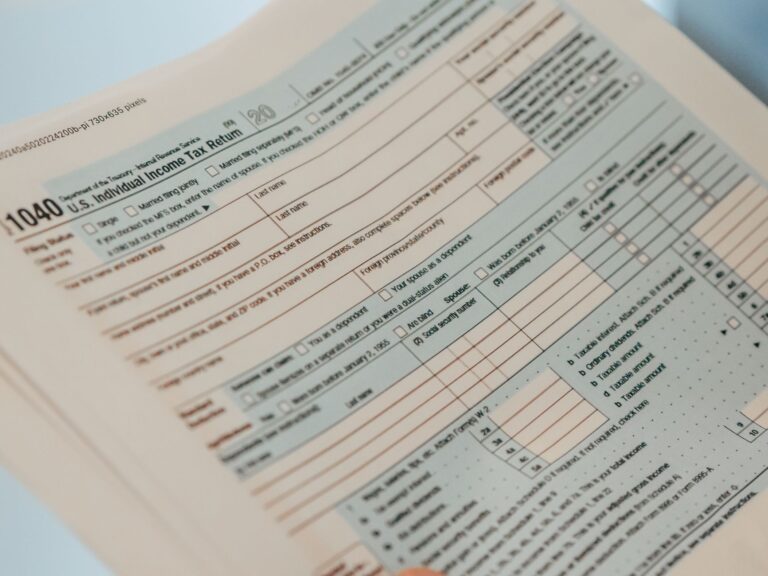
The good news for Ohio retirees is straightforward: Ohio does not tax Social Security benefits at the state level.

Newborns born between July and December 2026 automatically receive Social Security cards with a special Freedom 250 commemorative design at no added cost.