Should You Get a Lawyer for Disability

Whether you need a lawyer for disability depends on your specific situation, but most people pursuing Social Security Disability Insurance (SSDI) or...
Whether you need a lawyer for disability depends on your specific situation, but most people pursuing Social Security Disability Insurance (SSDI) or...

The reconsideration level is the formal appeals step in Social Security where an independent reviewer examines a denied benefit claim without the...

A denial letter is an official notification from your pension plan, Social Security administration, or disability insurance provider stating that your...

Social Security and SSDI benefits rise 2.8% in 2026, but individual increases vary significantly based on earnings history and work capacity limits.
The initial disability decision is the first determination made by Social Security or your state disability agency when you file for disability benefits.

Global pension assets surged to record levels in 2026, with U.S. public plans reaching their strongest funding positions since 2021.
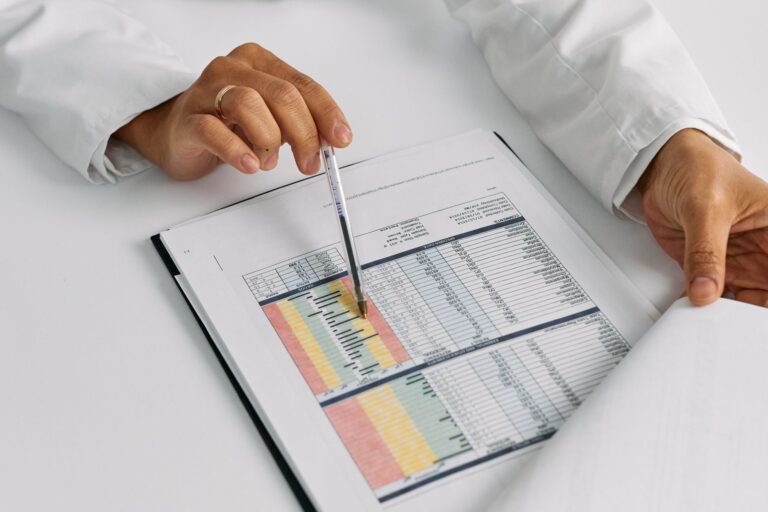
"The Ce Doctor Report" is not a formally named government document—rather, it's a reference to the medical evaluation report generated when the Social...

Social Security's earnings test cuts benefits for working retirees, but current means-testing proposals would affect few and fix little.

The Social Security Administration orders consultative exams to obtain medical evidence needed to make disability claim decisions when existing medical...

A CE exam, or Continuing Education exam, is a formal assessment that retirement and pension professionals must pass to maintain or renew their credentials...