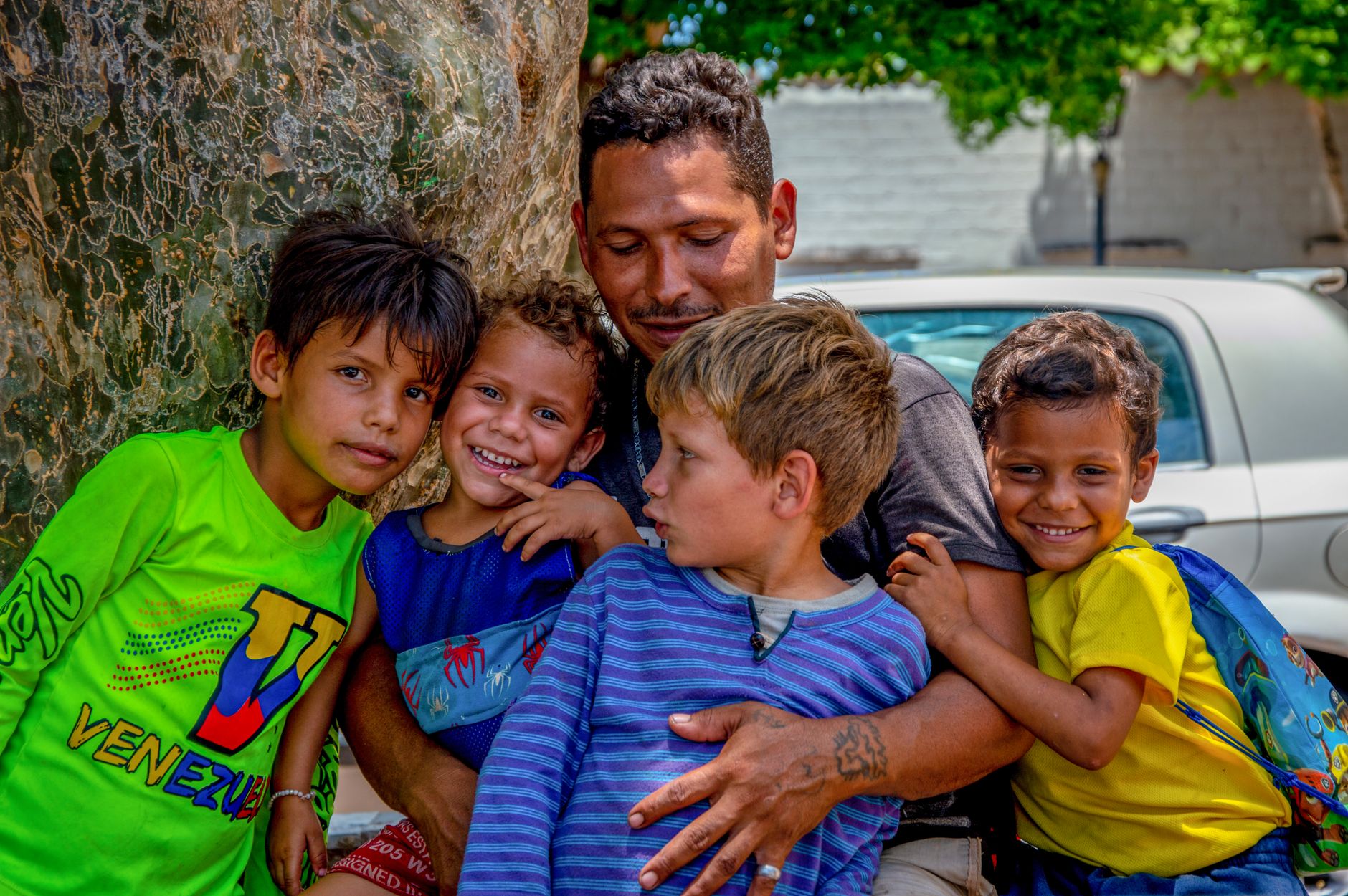
Social Security provides a crucial safety net for children in several important ways. While many people associate Social Security with retirement benefits for workers, the program actually supports millions of children whose parents are retired, disabled, or deceased. Children can receive up to 50% of a parent’s Social Security benefit if they are unmarried and either under age 18, ages 18-19 in high school full-time, or age 18 or older with a disability that began before age 22.
Beyond dependent benefits, Social Security also provides Supplemental Security Income (SSI) for disabled and blind children, and continues supporting adults who became disabled before age 22 through Disabled Adult Child benefits. Understanding Social Security for children matters whether you are a parent planning for your family’s financial security, a grandparent helping raise grandchildren, or an adult who received these benefits as a child and may qualify for continued support. The program operates under specific eligibility rules and income limits that change yearly—in 2026, the maximum SSI payment for a child is $994 per month, and families must stay within defined income thresholds to qualify. Knowing how these benefits work can help families take full advantage of support they are entitled to receive.
Table of Contents
- How Child Dependent Benefits Work on a Parent’s Social Security Record
- Supplemental Security Income (SSI) for Disabled and Blind Children
- Disabled Adult Child (DAC) Benefits for Continued Support Past Age 18
- Income Limits and How Work Affects Social Security Benefits for Children
- Student Work Exemptions and Special Earnings Rules
- Parental Income and the Deeming Process
- Looking Forward: 2026 Updates and Benefit Planning
- Conclusion
How Child Dependent Benefits Work on a Parent’s Social Security Record
When a parent becomes entitled to Social Security retirement or disability benefits, their children become eligible for what is known as child dependent benefits. Each eligible child can receive up to 50% of the parent’s primary insurance amount, which is the full benefit the parent receives before any reductions are applied. For example, if a parent’s monthly Social Security retirement benefit is $2,000, each qualifying child can receive up to $1,000 monthly, though the total paid to all family members is capped at a family maximum, typically around 150% to 180% of the parent’s benefit. To qualify as a child dependent, your eligibility depends on your age and status. You must be under age 18 (with no exceptions beyond this point unless you meet other criteria), ages 18-19 and a full-time high school student, or age 18 or older with a disability that began before age 22.
An important limitation to understand is that once you turn 19 and are no longer in high school full-time, you lose child dependent benefits unless you have a qualifying disability. This means high school seniors need to stay enrolled through graduation to maintain their benefits through that school year. The application process requires a formal Social Security application, and there are important deadlines to know about. Parents should apply for child benefits when they apply for their own retirement or disability benefits. If you miss the initial application period, you may still be able to claim retroactively, but retroactive benefits are typically limited to a specific period, so delays in applying can mean lost benefits that cannot be recovered.

Supplemental Security Income (SSI) for Disabled and Blind Children
Supplemental Security Income is a separate program from social security that specifically serves disabled, blind, and elderly individuals with limited income and resources. For children, SSI provides critical support starting from birth if a child meets the disability or blindness criteria—there is no minimum age requirement. Unlike child dependent benefits, which are based on a parent’s Social Security record, SSI is a needs-based program, meaning it considers the family’s total income and resources to determine eligibility. The eligibility criteria for children with disabilities are more expansive than the adult definition. A child is considered disabled for SSI purposes if they have a severe medical condition or combination of conditions that can be expected to last at least 12 months or result in death, and the condition must significantly limit their ability to function. This includes conditions such as cerebral palsy, cystic fibrosis, Down syndrome, autism, severe mental illness, and many other disabilities.
The Social Security Administration maintains an extensive listing of disabling conditions, but individual cases are evaluated based on medical evidence and functional limitations, not just a diagnosis alone. One critical limitation of SSI is the income and resource limits it imposes on the entire household. In 2026, the maximum federal SSI benefit for a child is $994 per month. Income limits vary by family composition, but a disabled child from a single-parent household with one non-disabled sibling can qualify if the family has unearned income of $2,525 per month or less, or earned income of $4,598 or less. These income limits are surprisingly restrictive, which means families earning above these thresholds may lose eligibility entirely, even if their actual expenses are high due to the child’s medical needs. Additionally, SSI counts parental income according to “deeming” rules, where a portion of parent income is counted against the child’s eligibility even if the parent does not directly give money to the child.
Disabled Adult Child (DAC) Benefits for Continued Support Past Age 18
One of social Security’s most valuable but often overlooked programs is Disabled Adult Child benefits. If you became disabled before age 22 and your parent receives Social Security retirement or disability benefits, you may be able to continue receiving benefits on your parent’s record for life, even after your parent dies. This creates a safety net for young adults whose disabilities prevent employment—rather than losing all support at age 18 or 19, they can transition to DAC benefits and maintain continuous coverage. The disability standard for DAC benefits is the same as for regular adult Social Security disability: you must have a severe condition that prevents you from working at a substantial level of activity and is expected to last at least 12 months or result in death. However, to qualify, the disability must have started before age 22.
This means someone who develops a disability at age 25 does not qualify for DAC benefits, even if that person’s parent has Social Security. The timing of disability onset is a hard cutoff—it is determined from medical records and typically includes the onset date noted by a treating physician. An important advantage of DAC benefits is that they can continue even if the parent has not yet retired. If a parent becomes disabled and receives SSDI (Social Security Disability Insurance), their children and adult children with disabilities who meet the age-22 requirement can become beneficiaries. Additionally, when the parent ultimately passes away, DAC beneficiaries typically transition to Survivor Beneficiary benefits, providing continuity of support. However, if a DAC beneficiary’s income or resources exceed program limits, or if they achieve substantial gainful activity in employment, benefits can be terminated, so careful management of work and income is necessary.

Income Limits and How Work Affects Social Security Benefits for Children
Understanding income limits is essential because exceeding them can result in loss of benefits entirely. For SSI recipients, the income thresholds are strictly enforced. In 2026, the limits are specific to family composition and can vary, but generally, a family cannot have more than about $2,500-$2,600 in monthly unearned income for a child to remain eligible. This creates a paradox: a parent who receives a modest Social Security benefit themselves, combined with a child’s SSI, could exceed the income limit if the family earns any additional income, potentially losing the child’s entire SSI benefit. Work is treated differently depending on the type of benefit. For child dependent benefits, work does not affect eligibility or payment amounts—a high school student or younger child can earn unlimited income and still receive their full 50% of the parent’s benefit.
However, for disabled children or adults receiving SSI, earnings above certain thresholds can reduce benefits. SSI uses a work incentive called “Plan to Achieve Self-Support” (PASS) that allows disabled beneficiaries to set aside income and resources for a work goal without losing eligibility, and there is an “expedited reinstatement” provision that allows returning to benefits within five years if work attempt fails. For young adults receiving DAC benefits, the substantial gainful activity threshold is $1,690 in gross monthly earnings for 2026. Earnings above this amount, after deducting work-related expenses, can trigger benefit termination. This creates a challenging situation for DAC beneficiaries who want to work: earning even slightly above the threshold can result in losing all benefits, creating a “cliff” effect where a small pay raise causes a loss of thousands of dollars in annual support. Some DAC beneficiaries choose to work part-time and deliberately keep earnings below this threshold to maintain their medical insurance and benefit stability.
📨 Get Free Medicare Guides Alerts
Free · No spam · Unsubscribe anytime
Student Work Exemptions and Special Earnings Rules
Social Security recognizes that young people need opportunities to work and earn money, so special rules apply to students. For SSI recipients who are students under age 22, there is a “student earned income exclusion” that allows earnings up to $9,730 per year with no effect on eligibility or benefit payments in 2026. This means a teenager receiving SSI can work a part-time job throughout the year, earn several thousand dollars, and maintain their full SSI benefit, making it possible to build savings and work experience without penalizing families economically. This student exemption is a powerful benefit but comes with important limitations. First, it applies only to earnings from work, not to other income like gifts, allowances from family members, or interest on savings.
Second, the exemption applies only to students under age 22, so when a student turns 22, even if they are still in school, the exemption no longer applies. Third, the earnings must genuinely be from the student’s own work—if a parent gives a child money and calls it “wages” for nominal work, the SSA can question this and disallow the exemption if the work is not real or commensurate with payment. Additionally, there is an important interaction between school attendance and SSI eligibility itself. Students in school get a more favorable disability standard—they are evaluated on how their disability affects school performance and functioning in a school setting, rather than on whether they could work a full-time job. Once a student leaves school and turns 22, the evaluation shifts to whether they can work at a substantial level, which is a significantly harder standard to meet. This means some students with disabilities who would not qualify for disability benefits in an employment context do qualify while in school, but lose benefits upon graduation unless they can meet the adult work-capacity standard.

Parental Income and the Deeming Process
One of the most confusing aspects of SSI for children is how parental income is treated through the “deeming” process. SSI considers both the child’s own income and a portion of the parents’ income when determining the child’s benefit amount. Essentially, the government assumes that parents will support their children and counts some or all of parental income as though it belonged to the child, even though the parent may have many other expenses and may not actually give the child any money.
For example, if a parent has a monthly income of $3,000 and a disabled child receives SSI with a maximum benefit of $994, the SSA would count the parent’s income starting at a threshold ($2,325 in 2026 for a household of two), then exclude a portion, and count the remainder against the child’s benefit. The calculation can result in the child receiving a reduced SSI benefit or, if parental income is very high, no SSI benefit at all. This deeming process continues until the child turns 18, at which point deeming from parents stops and only the child’s own income is counted. For many families with disabled children, the transition from childhood to age 18 represents a significant increase in SSI benefits because parental income deeming ends.
Looking Forward: 2026 Updates and Benefit Planning
As Social Security continues to evolve, 2026 brings several updates relevant to children’s benefits. The federal maximum SSI payment increased to $994 per month, income limits were adjusted for inflation, and the student earnings exclusion rose to $9,730 annually. The Social Security Administration has also announced special initiatives, including commemorative cards for newborns as part of America’s 250th anniversary celebration in 2026, reflecting ongoing efforts to make Social Security more accessible and visible in families’ lives. For families planning ahead, the key insight is that Social Security for children is not one-size-fits-all.
Families with a retired, disabled, or deceased parent should explore whether their children qualify for dependent benefits. Families with a child who has a disability or is blind should investigate SSI even if the child is very young. Young adults who became disabled before age 22 should understand DAC benefits and how they protect future financial security. As inflation continues and income thresholds adjust annually, staying informed about current limits and planning around work and earnings can make the difference between a family thriving with consistent support and unnecessarily losing benefits.
Conclusion
Social Security provides essential support to millions of children through multiple programs: child dependent benefits based on a parent’s record, Supplemental Security Income for disabled and blind children, and Disabled Adult Child benefits for adults disabled before age 22. Each program has distinct eligibility criteria, benefit amounts, and rules about how work and family income affect payments. Understanding these programs and staying aware of annual updates to income limits and benefit amounts is critical for families.
If you believe your child or a young adult in your family may qualify for Social Security benefits, the first step is to contact the Social Security Administration directly. You can apply online at ssa.gov, by phone at 1-800-772-1213, or in person at a local Social Security office. Bring documentation including the child’s birth certificate, the parent’s Social Security card, and medical evidence if applying based on disability. Benefits often have retroactive provisions, so applying early can recover months or years of missed payments—waiting to apply can cost families thousands of dollars in lost support.
You Might Also Like
- Why certain Social Security beneficiaries are receiving double payments this July
- Va Benefits and Social Security
- Social Security for Widows