
Professional athletes returning from retirement have become a notable phenomenon in recent years, with high-profile figures deciding to extend their careers beyond their initial planned end dates. This trend reflects a complex mix of personal, financial, and competitive motivations—but it also raises important questions about long-term financial planning, pension management, and the stability of retirement income.
When athletes step away from sport and then decide to return, they’re often confronting decisions that everyday workers face: whether their initial retirement savings were sufficient, how to balance the desire for continued income against the risks of delayed retirement, and whether re-entering the workforce after time away is the right choice. Tom Brady’s retirement and subsequent return to the Tampa Bay Buccaneers is perhaps the most visible recent example, but the pattern extends across professional sports. Each case reveals crucial lessons about how athletes (and by extension, all workers) should plan for transitions between active earning and retirement, manage pension income strategically, and understand the tax and financial implications of coming out of retirement.
Table of Contents
- Why Do Successful Athletes Choose to Come Out of Retirement?
- The Financial Implications of Unretiring: Pensions and Deferred Income
- How Does Returning to Work Impact Social Security and Retirement Savings?
- Medical Risk and the Unseen Cost of Extended Competition
- Tax Complexity and the Hidden Cost of Unretiring
- Endorsement Deals and Secondary Income Streams During Unretirement
- Planning for the Final Retirement: When Unretirement Ends
Why Do Successful Athletes Choose to Come Out of Retirement?
Athletes who have already stepped away from competition often return because their initial retirement timeline didn’t match their actual financial reality or personal fulfillment needs. Some find that retirement income streams—including pensions, endorsements, and investments—haven’t grown as expected, making a return to earning necessary. Others discover that the structure, purpose, and identity tied to their sport matter more than anticipated, and they’re willing to extend their earning years to maintain that engagement.
The financial motivation is often underestimated: even athletes who appear wealthy may face unexpected expenses, investment losses, family obligations, or changing tax situations that make continuing to earn appealing. This mirrors patterns seen in the broader workforce, where many workers plan to retire at a specific age but choose to work longer than expected. A 2024 study found that approximately 40% of workers delayed their retirement by at least two years compared to their original target, often citing financial concerns or the desire to continue working. For athletes, the calculation is similar—returning might mean securing additional income, delaying Social Security claims for higher future benefits, or rebuilding savings that were depleted.

The Financial Implications of Unretiring: Pensions and Deferred Income
When an athlete returns to active competition after retiring, the financial consequences can be significant and sometimes counterintuitive. many professional sports have pension systems where benefits are calculated based on years of service and timing of withdrawal—returning to play after receiving pension distributions may not increase those pension benefits, but it can provide immediate income from salary while allowing previous retirement distributions to grow. This creates a layered income approach that some athletes use strategically, though it requires careful coordination to avoid tax complications. One critical limitation is that not all pension systems adjust favorably for those who unretire.
An athlete who started receiving pension benefits at age 50 but returns to play five years later won’t retroactively increase those initial pension payments. However, they can earn new salary income while their pension continues to accrue separately. This dual-income approach can work well if managed correctly, but it also creates complexity: athletes must understand how pension distributions interact with new salary, how this affects tax liability, and whether early withdrawal penalties or reductions apply. The tax burden of combining active income with pension distributions can be substantial, especially if the athlete is in a high tax bracket.
How Does Returning to Work Impact Social Security and Retirement Savings?
For athletes who’ve been receiving Social Security retirement benefits or other government retirement benefits, returning to work can trigger earnings limits and require strategic planning. In the United States, workers under full retirement age who earn above a certain threshold face a reduction in Social Security benefits—currently $1 per $2 earned above the limit. For a high-earning athlete returning to a lucrative contract, this reduction could be substantial, though they must weigh this against the long-term benefit of delayed benefits (each year of delay increases future benefits by approximately 8%).
The decision to unretire also affects overall retirement savings strategy. An athlete who expected to live on fixed pension and Social Security income suddenly has new earning capacity, which can be redirected toward savings, tax-advantaged accounts, or legacy goals. Conversely, the return to work may delay access to other retirement strategies, such as required minimum distribution management or charitable giving plans that make sense only during retirement years. The practical takeaway: athletes (and workers generally) should recalculate their full retirement picture when circumstances change, including how new income interacts with existing benefits and what new goals become achievable.

Medical Risk and the Unseen Cost of Extended Competition
One of the most overlooked aspects of unretiring is the medical risk and long-term health implications of returning to professional sports. An athlete who’s taken time away from competition is returning to an environment with injury risk, physical strain, and intensive training. Injuries sustained during an unretirement period can derail not just the comeback attempt but also compromise the rest of retirement—catastrophic injuries may require expensive medical care, long-term disability management, or lifestyle adjustments that weren’t part of the original retirement plan. This reality has a direct financial component that extends beyond salary and pension.
📨 Get Free Medicare Guides Alerts
Free · No spam · Unsubscribe anytime
An athlete might earn $10 million over a two-year comeback but face $2-3 million in medical expenses for a serious injury, rehabilitation, or ongoing care. Compare this to the alternative: staying retired, protecting your health, and living within your original retirement plan with reduced income. The tradeoff is real: extended earning potential versus health security and the stability of a fixed retirement income. Athletes (and workers) considering extended work years should factor in health insurance, disability insurance, and the true cost of health complications—not just the headline salary figures.
Tax Complexity and the Hidden Cost of Unretiring
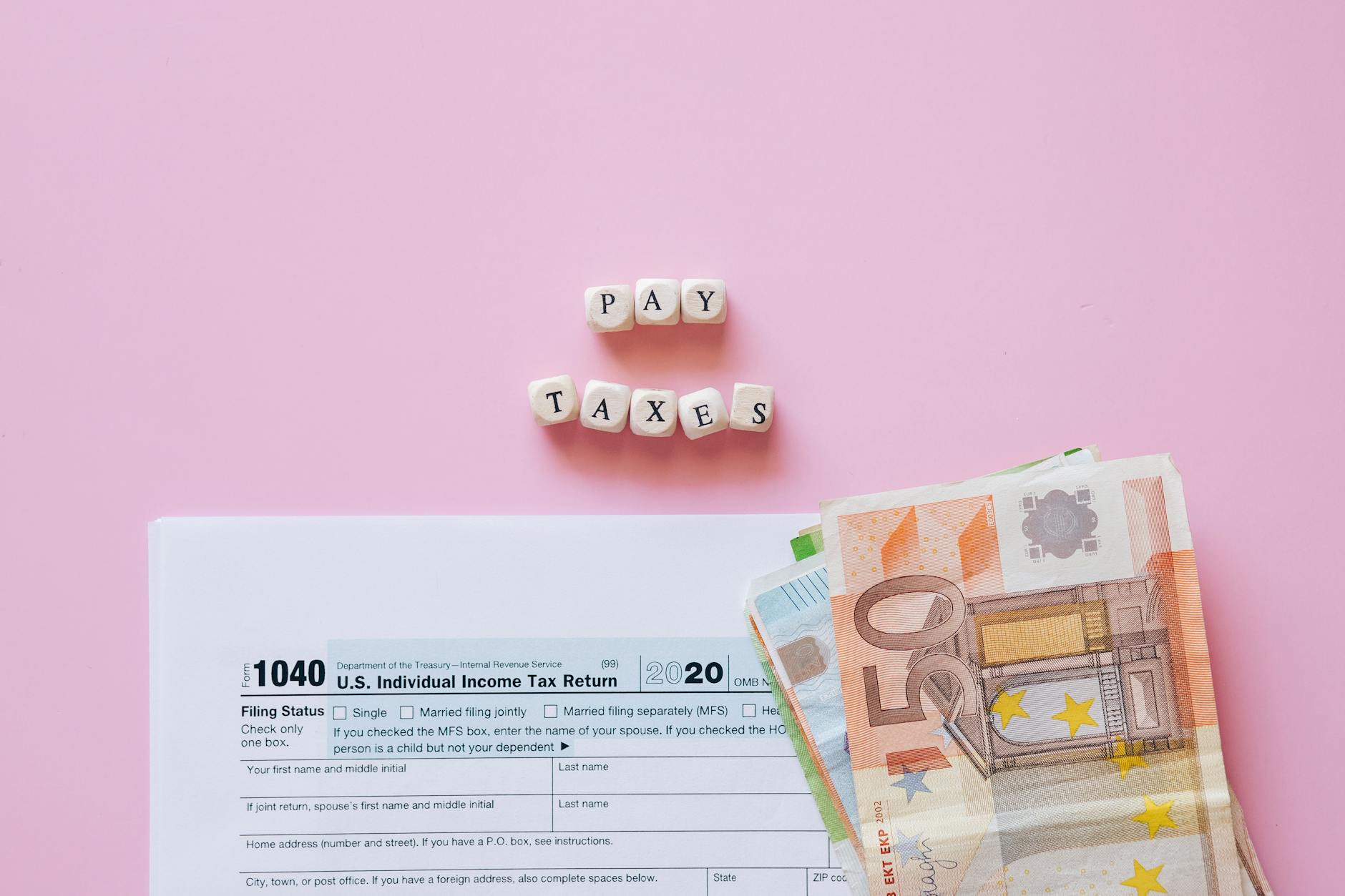
Returning to work after retirement creates a cascade of tax complications that many athletes don’t anticipate. A retired athlete receiving pension distributions and investment income is subject to one tax structure. Once they return to active play, they’re now managing W-2 income (or 1099 income for contract athletes), pension payments, endorsement income, and investment gains—each with different tax treatment. The marginal tax rate applied to new income can be significantly higher than expected, especially if the comeback pushes the athlete into a higher federal bracket or triggers alternative minimum tax (AMT) considerations.
State and local taxes compound this issue: an athlete who relocated during retirement may not have accounted for the tax implications of returning to a different state with active income. For example, an athlete who retired to Florida (no state income tax) but returns to play for a team in California faces California state income tax on that new salary—a 13.3% additional burden in the highest bracket. The warning here is critical: athletes should consult with tax professionals before committing to unretirement, as the actual after-tax income from a comeback may be 20-30% lower than the headline salary figure. Without proper tax planning, an athlete might unretire for what appears to be a $10 million payday, only to discover that federal taxes, state taxes, and self-employment taxes reduce the take-home amount significantly.
Endorsement Deals and Secondary Income Streams During Unretirement
A notable advantage of returning from retirement is the opportunity to revitalize endorsement income and secondary revenue streams. Athletes often find that their marketability increases during an unretirement comeback—media attention, renewed fan engagement, and the narrative of a comeback attract sponsors and broadcasting opportunities. An athlete who was fading from endorsement deals during retirement may suddenly find new sponsorship offers, appearance fees, and speaking engagements tied to their return to competition.
This secondary income can be strategically valuable because it’s often more flexible than salary. Endorsements and appearances may be negotiated as deferred income, bonuses tied to performance, or payments spread across multiple years—allowing the athlete to manage tax consequences and retirement income more effectively. However, this income is also temporary and dependent on maintaining the comeback narrative and performance level. An athlete who returns but doesn’t perform well will see endorsement deals disappear quickly, leaving them dependent on the base salary alone.
Planning for the Final Retirement: When Unretirement Ends
Unretiring means retiring again, and that second retirement requires its own strategic planning. An athlete who returns for two or three years is effectively delaying their “real” retirement and must ensure their body, finances, and life circumstances are ready for the transition a second time. The psychological component is significant—returning once and then retiring again can be mentally more difficult than retiring initially, particularly if the second retirement involves a loss of performance or an injury-forced end.
From a financial standpoint, the final retirement should incorporate the lessons learned from the unretirement period. If the athlete’s pension and original retirement income proved insufficient (which is why they unretired), the additional earnings should be strategically deployed into investments, lower-risk income vehicles, or deferred compensation structures that provide stability for the final retirement years. Planning for the second retirement should begin during the unretirement phase, not after it ends.
You Might Also Like
- Why Experts Are Calling This a “Warning Sign” for Retirement Savings
- This Simple Rule Could Turn a Modest Income Into a Million Dollar Retirement
- This One Habit Could Change Your Entire Retirement Outlook