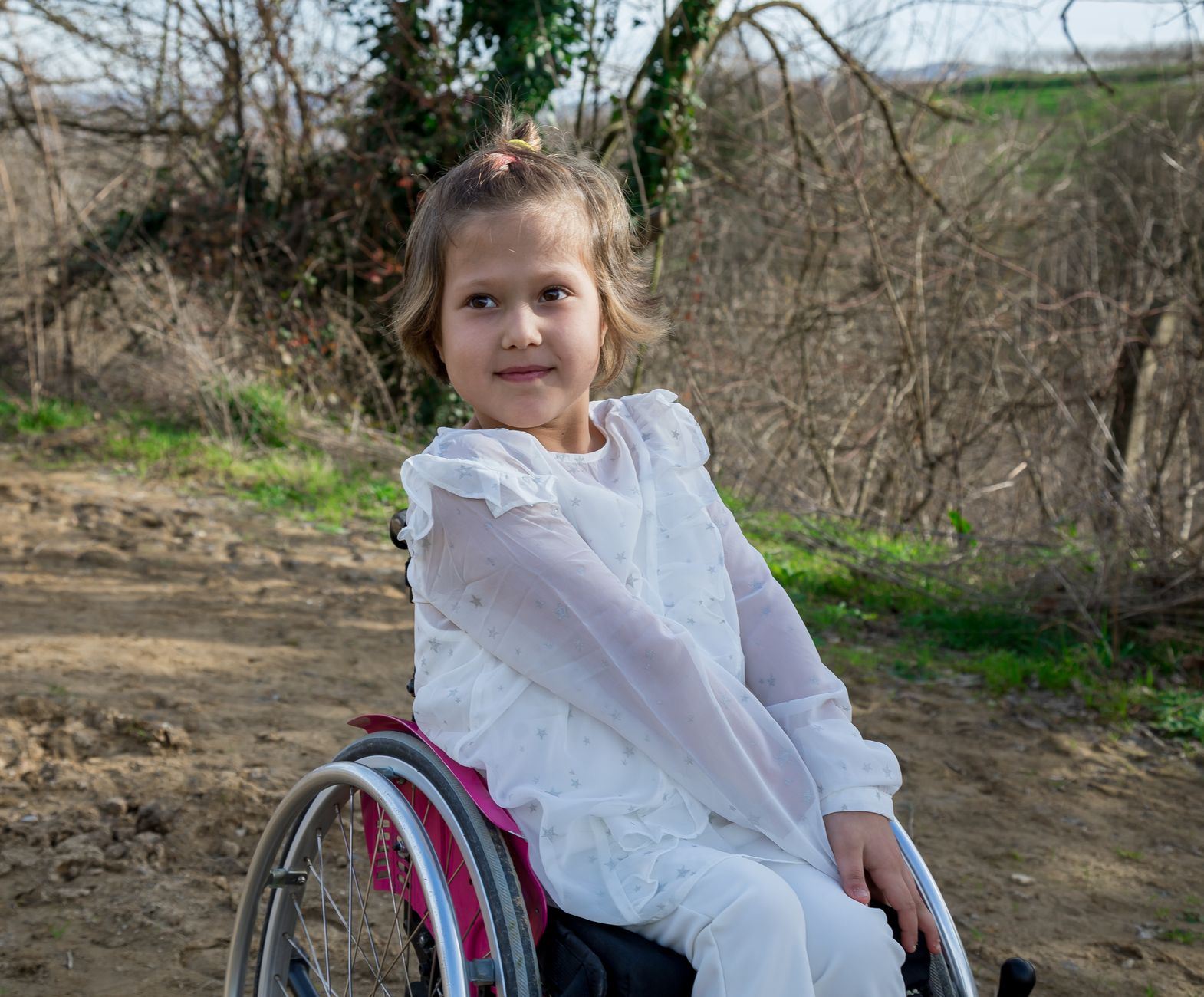
Childhood disability determination is the formal process used by the Social Security Administration and other government agencies to establish whether a child meets the criteria for disability benefits based on a medical or physical/mental condition that substantially limits their ability to function in daily activities. The determination typically examines the severity and duration of the condition—whether it has lasted or is expected to last at least twelve months or result in death—and whether the child’s impairment prevents them from doing age-appropriate activities. For example, a nine-year-old with cerebral palsy affecting mobility and requiring substantial assistance with self-care would undergo a comprehensive medical and functional evaluation to determine eligibility for Supplemental Security Income (SSI) or other support programs that can provide critical financial assistance to the family. Understanding childhood disability determination matters for retirement and pension security because these benefits often directly impact a family’s financial stability and long-term planning.
When a child receives benefits, it reduces the financial burden on parents during their working years and can affect retirement savings, pension contributions, and household budgeting decisions. Additionally, many retirement-age parents have disabled adult children who may still receive benefits on their own records or as disabled adult children on their parents’ Social Security records—a connection that directly ties childhood disability determinations to retirement security planning. The process is neither automatic nor simple. Families must navigate medical documentation requirements, functional assessments, appeals procedures, and ongoing eligibility reviews. Misunderstanding how the determination works or failing to properly document a child’s condition can delay benefits that families depend on during crucial financial periods.
Table of Contents
- What Medical Conditions Qualify for Childhood Disability Benefits?
- The Medical and Functional Evaluation Process
- The Application and Appeals Process for Childhood Disability
- How Childhood Disability Benefits Affect Family Financial Planning
- Common Challenges and Mistakes in Childhood Disability Determination
- Disabled Adult Children and Retirement Planning
- Future Outlook and Long-Term Planning Considerations
- Conclusion
- Frequently Asked Questions
What Medical Conditions Qualify for Childhood Disability Benefits?
The social security Administration maintains a “Listings of Impairments”—essentially a detailed medical reference guide—that outlines conditions meeting disability criteria for children. These listings cover conditions in multiple categories: nervous system disorders (including cerebral palsy, epilepsy, and autism spectrum disorder), musculoskeletal and connective tissue disorders, respiratory conditions (such as cystic fibrosis), cardiovascular conditions, and metabolic disorders like juvenile diabetes. A child does not need to have a condition that exactly matches an SSA listing to qualify, however; the agency can also find a child disabled through a “medical-vocational allowance” approach, which evaluates whether the combination of impairments—even if individually less severe—prevents the child from engaging in age-appropriate activities. For instance, a child with moderate asthma alone might not automatically qualify under the respiratory listings, but if that child also has significant anxiety disorder and mild developmental delay, the combined effect on their ability to attend school consistently and interact with peers could support a disability determination.
The key standard is functional impact, not diagnosis alone. This is why medical documentation quality matters enormously—physicians often focus on diagnosis and treatment rather than detailed functional limitations, leaving families scrambling to obtain records that actually describe what the child cannot do in practical terms. One important limitation: childhood disability determinations are more generous than adult standards because children are not expected to work. However, when a child reaches age 18, they are re-evaluated under adult disability standards—a transition called the “age-18 redetermination.” Many children whose benefits were approved based on childhood impairment standards do not continue to qualify under the stricter adult criteria. This can create a significant gap in family financial planning if parents have come to rely on the benefit income.

The Medical and Functional Evaluation Process
The disability determination begins when a family files an application—either for Supplemental Security Income (SSI) if the family has limited resources, or as a disabled child on a parent’s social Security record if the parent is retired, disabled, or deceased. The SSA then orders medical evidence, typically requesting records from all treating physicians, mental health providers, and schools. This evidence gathering phase can take weeks to months and often requires families to actively pursue and submit medical records themselves if doctors’ offices are slow to respond. Once evidence is compiled, a state agency’s disability examiner reviews the file and decides whether the child meets the medical criteria. This examination goes beyond just reading the diagnosis; it includes evaluating the severity, frequency, and duration of symptoms, the child’s functional abilities in home and school settings, and any medication side effects. For a child with intellectual disability, for example, the examiner reviews adaptive functioning—can the child dress themselves, use the toilet independently, follow instructions, interact appropriately with peers? For a child with a physical condition, the evaluation covers range of motion, pain levels, and mobility limitations.
A critical limitation many families encounter is that medical records from routine visits often lack the detail needed for disability determination. A pediatrician’s note stating “patient has ADHD and takes Adderall” does not provide the functional information an examiner needs. More useful documentation would describe: the child’s inability to maintain attention for academic tasks, behavioral episodes requiring removal from the classroom, social conflicts with peers, or ongoing need for medication adjustments. Families should proactively request that doctors document specific functional limitations, not just diagnoses. Additionally, school records—often more detailed about functional impact—should always be included with the application. Some families mistakenly assume medical records alone are sufficient, only to discover the examiner needs more information about how the condition affects the child’s daily functioning.
The Application and Appeals Process for Childhood Disability
The initial application for childhood disability requires submitting extensive documentation: birth certificate, Social Security number, proof of the parent’s work record (if applying on the parent’s record), medical records, school records, and detailed information about the child’s functional abilities. Many families can file online through SSA.gov or in person at a Social Security office, though in-person appointments often mean significant wait times. The agency processes applications in stages, typically taking 60-90 days for an initial decision, though cases involving more complex medical conditions often extend beyond this timeframe. When an initial decision is denial—which occurs in roughly 65-70% of initial childhood disability applications—families have the right to appeal. The appeal process involves several levels: reconsideration (a new examiner reviews the file), a hearing before an Administrative Law Judge, the Appeals Council, and potentially federal court. Many families incorrectly assume a denial is final or believe they cannot present new evidence during appeals.
In reality, each appeal level allows families to submit additional medical records, updated evidence of the child’s condition, and even testimony. Hiring a disability advocate or attorney for the hearing stage significantly improves approval rates—studies show representation increases approval likelihood by 20-30 percentage points compared to unrepresented cases. However, this also introduces costs: attorney fees typically run 25% of past-due benefits (capped at $6,000) or a flat fee if no benefits are awarded. A practical example: suppose a child with autism spectrum disorder is initially denied because the medical records focus on the diagnosis but lack detail about functional limitations. On reconsideration, the family submits updated school records showing the child requires a one-on-one aide for most of the school day, has significant difficulty with social interaction and communication, and cannot handle changes to routine without behavioral distress. This additional evidence of functional impact often results in approval. Families should never accept an initial denial without pursuing reconsideration or a hearing, especially since the appeal process itself is free and many denials reflect insufficient documentation rather than ineligibility.

How Childhood Disability Benefits Affect Family Financial Planning
For families with limited income and resources, childhood disability can open access to Supplemental Security Income (SSI), which provides monthly cash benefits plus Medicaid coverage—benefits that significantly reduce out-of-pocket medical costs and free up family income for other needs. For middle-income families unable to access SSI due to resource limits, a child’s disability may still qualify them for benefits as a “disabled adult child” on a parent’s Social Security record, providing benefit payments to the child and sometimes modestly increasing the parent’s retirement benefit. The monthly payment amount varies by state and circumstance but typically ranges from $400-$900 for SSI and varies widely for Social Security child benefits. The tradeoff families face is that SSI eligibility involves asset limits—currently $2,000 for an individual child—which can restrict how much the family can save and what resources they hold. For a working family, this means they cannot accumulate emergency savings above the limit without jeopardizing their child’s benefits.
Some families address this by establishing ABLE accounts or Special Needs Trusts (SNTs), which allow protected savings without counting against the SSI resource limit. However, not all families are aware of these options, and those who are may lack the funds or financial planning expertise to set them up properly. A family with retirement-age parents and a disabled adult child on benefits should understand that if the parent dies or becomes ineligible, the child’s benefit may change—or if the child’s own income increases, benefits could be reduced or eliminated. This creates ongoing financial interdependence that affects retirement decisions: parents may need to work longer if they expect their disabled child to lose benefits, or they may need to plan for continued support in their estate. The comparison: a family with a child who qualifies for disability benefits may have access to $150,000-$250,000+ in cumulative benefits over the child’s lifetime and continuous Medicaid coverage, whereas a family whose child does not qualify faces all medical and care costs directly. This is why the determination process itself—getting it right—carries such significant long-term financial consequences.
Common Challenges and Mistakes in Childhood Disability Determination
A frequent mistake families make is applying too late or waiting to apply until the child’s condition is clearly severe. While there is no age minimum for SSI applications, applying earlier preserves potential retroactive benefits—SSA can pay benefits back to the date of application or, in some cases, the date the child’s condition became disabling. Families waiting until a child is older may lose months or years of potential benefit payments. Another common error is failing to provide school records or recent medical documentation. Schools maintain detailed records about a child’s functional limitations, accommodations needed, behavioral issues, and academic performance—information that often makes the difference between denial and approval but that some families omit assuming it is irrelevant. Families also underestimate the importance of following medical recommendations. If a child’s physician prescribes therapy, tutoring, or medication but the family cannot afford it or the child misses appointments, SSA may view this as evidence the condition is not as limiting as claimed. Conversely, consistent medical treatment and ongoing specialist care strengthen a determination case.
A warning: families should be cautious about SSA’s “continuing disability reviews” (CDRs), which occur periodically to confirm the child’s condition has not medically improved. During a CDR, SSA may request new medical evidence, and if the family cannot provide updated records or if records show improvement, the agency can terminate benefits. Children with permanent conditions (like cerebral palsy) typically face CDRs every three years, while children with conditions expected to improve face reviews every 12-18 months. Families who do not respond to CDR notices may lose benefits unintentionally. Another limitation: the appeals process, while free initially, becomes lengthy and stressful. An appeal hearing can take 12-18 months to schedule, meaning families wait an extended period—often without the benefit payment—before receiving a judge’s decision. Some families give up during this time, missing the opportunity to reverse an incorrect denial. Those who persist often eventually succeed, but the emotional and financial toll during the waiting period can be substantial.

Disabled Adult Children and Retirement Planning
Many retirement-age parents have adult children who became disabled in childhood and continue to receive benefits on their parents’ Social Security records. When a parent retires and begins claiming Social Security, their disabled adult child (if disabled before age 22) can receive a benefit of up to 50% of the parent’s primary insurance amount, regardless of the adult child’s own work history. This arrangement is called a “disabled adult child” benefit and remains in effect as long as the child remains disabled, even if the parent passes away—at which point the child may transition to survivor benefits at a higher rate. For retirement planning, this is significant: parents with disabled adult children should be aware that their Social Security claiming strategy affects the child’s lifetime benefit total. If a parent delays claiming Social Security until age 70 (receiving a higher primary insurance amount), the disabled adult child receives proportionally higher benefits as well. Conversely, if a parent claims at 62 (receiving a reduced amount), the child’s lifetime payments are also reduced.
📨 Get Free Medicare Guides Alerts
Free · No spam · Unsubscribe anytime
A specific example: a parent with a primary insurance amount of $2,400 monthly, if claimed at 70, allows a disabled adult child to receive approximately $1,200 monthly in benefits. If that same parent claims at 62 and receives $1,680 monthly instead, the child receives only about $840 monthly—a reduction of $4,320 annually that compounds over the child’s lifetime. Additionally, retirement-age parents should understand that disabled adult children’s benefits continue after the parent’s death if the child was disabled before age 22. This provides a crucial measure of financial security for adult children who cannot work. However, if the parent has not properly documented the child’s disability status with Social Security or has allowed the child’s disability determination to lapse, the child may not automatically qualify for survivor benefits. Retirement planning discussions should include explicit attention to the disabled child’s benefit status and ensuring all documentation is current.
Future Outlook and Long-Term Planning Considerations
The childhood disability determination process continues to evolve, with ongoing policy discussions about whether current standards adequately capture modern conditions like autism spectrum disorder and attention deficit/hyperactivity disorder, which present variable severity and do not always fit neatly into traditional listings. Increased emphasis on functional assessment rather than strict diagnostic criteria has made the process more individualized but also sometimes less predictable for families trying to understand their chances of approval. Looking forward, families should consider establishing special needs planning documents—powers of attorney, wills designating guardians or successor trustees, and Special Needs Trusts—well before parents reach retirement age.
These structures ensure continuity of care and financial support for disabled children or disabled adult children, protecting benefit eligibility while providing additional resources. Parents who have never formally established these protections should consult an elder law or special needs attorney, particularly as they approach retirement and begin planning their estates. The earlier these conversations happen, the more options are available and the better the family’s long-term security.
Conclusion
Childhood disability determination is a formal, evidence-based process that evaluates whether a child’s medical condition and functional limitations qualify them for government benefits like SSI or Social Security disabled child benefits. The determination requires careful medical documentation, detailed functional assessment, and often persistence through an appeals process if the initial application is denied. Understanding the process—including the importance of functional evidence, the appeal rights available, and the long-term benefit implications—helps families navigate a complex system that carries significant financial consequences for decades.
For retirement and pension security planning, childhood disability determinations matter because they affect family financial capacity during working years and influence retirement claiming strategies and legacy planning for retirement-age parents with disabled adult children. Families should proactively gather and submit comprehensive medical and school records, understand their appeal rights if denied, and—for parents with disabled adult children—carefully consider how Social Security claiming decisions affect the child’s lifetime benefit total. Taking time to understand the determination process and seek professional guidance when needed often pays dividends in benefits approved and financial stability secured.
Frequently Asked Questions
What is the age range for childhood disability benefits?
A child can receive disability benefits starting from infancy through age 18, at which point they are re-evaluated under adult disability standards. If they continue to meet the adult criteria, benefits may continue as a disabled adult child (if on a parent’s record) or as a disabled worker (if they have earnings history).
If my child is initially denied, will applying again help?
Not necessarily a second full application, but an appeal—specifically requesting reconsideration or an Administrative Law Judge hearing—is highly valuable. Appeals allow you to submit new medical evidence and challenge the examiner’s reasoning. Most families should pursue at least the reconsideration and hearing levels before giving up.
How does a Special Needs Trust protect my disabled child’s benefits?
A properly structured SNT holds assets on behalf of the disabled child without counting as the child’s own resources, so SSI and Medicaid eligibility is not jeopardized. The trustee can spend SNT funds on the child’s needs that government benefits don’t cover, such as education, recreation, or housing improvements.
Does my disabled child’s benefit continue if I die?
If your disabled adult child was disabled before age 22 and is on your Social Security record, yes—they transition to survivor benefits, which are typically higher than the child’s benefit rate and continue for life as long as they remain disabled.
Can my disabled child’s earnings affect their benefits?
Yes. For SSI, the child’s own earnings reduce benefits significantly—over $65 monthly in earned income results in a $1 benefit reduction for every $2 earned. For Social Security disabled child benefits, earnings also trigger benefit reduction. However, special work incentive programs like the Student Earned Income Exclusion and Plan to Achieve Self-Support (PASS) can protect some earnings.
What happens during a continuing disability review (CDR)?
The SSA requests updated medical evidence to confirm the child’s condition has not improved to the point of ineligibility. You must respond with current medical records or risk benefit termination. For permanent conditions, CDRs typically occur every three years; for conditions expected to improve, reviews are more frequent.