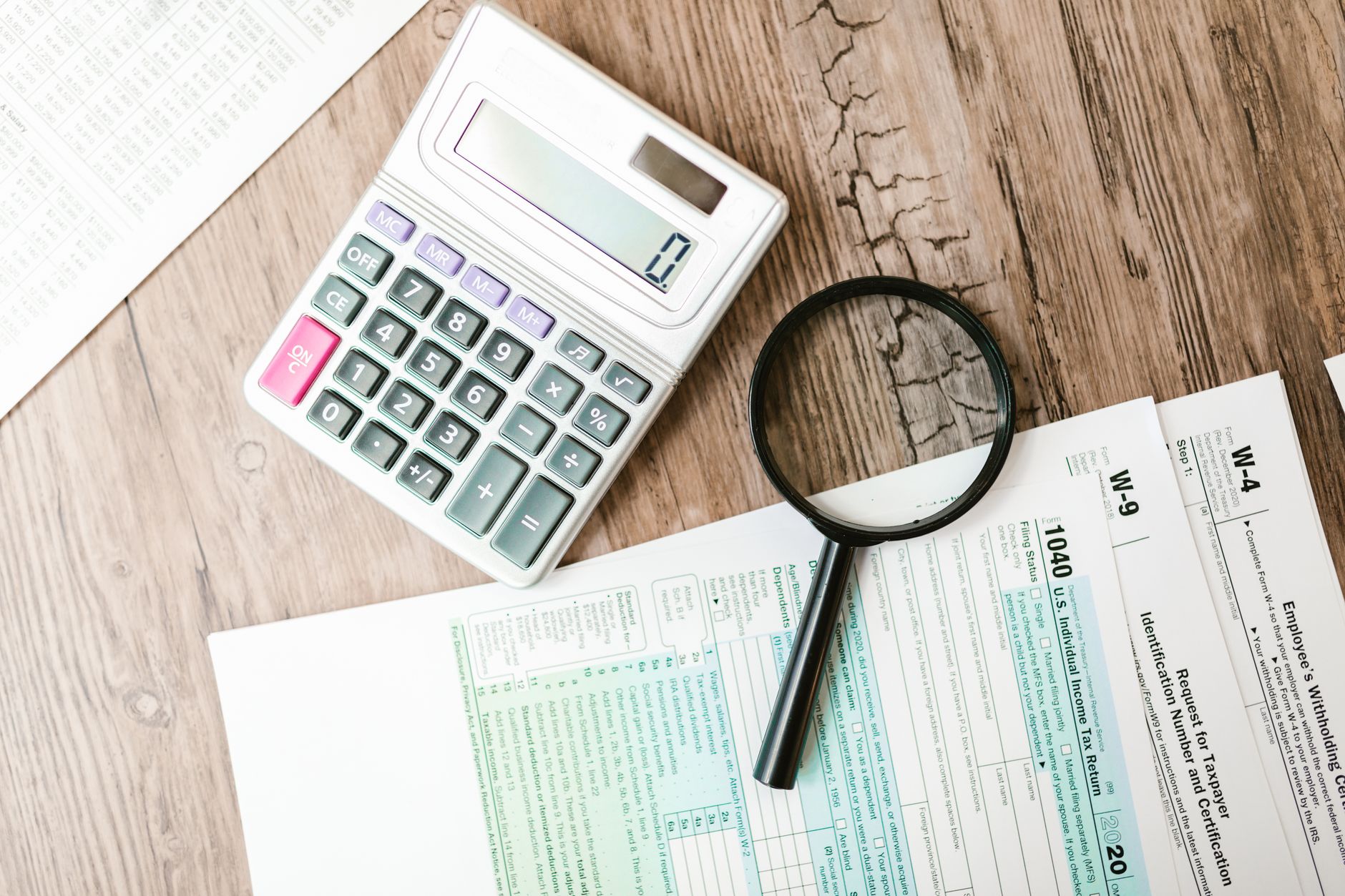
Completing Social Security Administration forms is a straightforward process once you understand which forms apply to your situation and what information they require. The most common SSA form is the Application for Retirement Insurance Benefits (Form SSA-1-BK), which you’ll need to file when you’re ready to claim Social Security retirement benefits. You can apply in person at your local Social Security office, by phone at 1-800-772-1213, or online through your personal my Social Security account—a digital approach that has streamlined the process significantly for many applicants.
The key to completing SSA forms successfully is gathering your documentation beforehand and understanding the specific form’s purpose. For example, if you’re applying for retirement benefits at age 67, you’ll need your birth certificate, proof of citizenship or lawful permanent resident status, your W-2 forms or tax return from the previous year, and your bank account information for direct deposit. Many people rush through forms or submit incomplete applications, which delays processing by weeks or months. The entire process typically takes 3 to 5 minutes online, but incomplete submissions can extend the timeline to 6 months or longer.
Table of Contents
- What SSA Forms Do You Need for Retirement Benefits?
- Understanding Documentation Requirements and Verification
- Completing the Application Online vs. In-Person
- Step-by-Step Process for Submitting Your Application
- Common Mistakes and Why They Delay Processing
- Appeals and Corrections After Submission
- Planning Your Application Timing and Future Considerations
- Conclusion
What SSA Forms Do You Need for Retirement Benefits?
The Social Security Administration uses different forms depending on what benefits you’re claiming and your specific circumstances. The foundational form is SSA-1-BK, the retirement benefits application, but you might also need Form SSA-8, which is a statement about your work outside the United States; Form SSA-521, a statement about your residence outside the United States; or Form SSA-44, which authorizes a representative to act on your behalf. If you’re filing based on your spouse’s work record, you’ll need additional forms recognizing your spousal relationship. Consider a real-world scenario: Maria, age 66, wants to claim retirement benefits. She’s a U.S.
citizen who worked for 35 years, so she only needs SSA-1-BK. However, her brother José, also 66, worked for 15 years in the United States, then spent 10 years working in Mexico before returning. José needs SSA-1-BK, SSA-8 (his work outside the U.S.), and possibly SSA-521 (his residence history). Each additional form adds complexity and processing time. Knowing which forms apply to your situation prevents unnecessary delays and confusion during the application process.

Understanding Documentation Requirements and Verification
The SSA requires specific documents to verify your identity, age, and work history before approving your application. Original or certified copies of your birth certificate, Social Security card, and government-issued photo ID are essential. You’ll also need proof of U.S. citizenship or lawful permanent resident status—typically your passport, naturalization certificate, or green card. Additionally, you must provide evidence of your earnings record: either W-2 forms from your final years of work or a recent tax return showing self-employment income.
One critical limitation that catches many applicants off-guard is the SSA’s strict document requirements. They won’t accept notarized copies of a birth certificate unless it’s from your state’s vital records office, and they won’t proceed without certified originals in certain situations. If you’ve lost your original documents, replacing them can take 4 to 8 weeks before you even submit your SSA application. For someone born abroad, the verification process can extend significantly—the SSA may request additional documentation like a consular report of birth abroad or a passport from your country of origin. Planning ahead and gathering documents 2 to 3 months before your intended claim date prevents this bottleneck.
Completing the Application Online vs. In-Person
My Social Security accounts have transformed how people apply for benefits. Creating an account and completing your application online takes about 5 to 15 minutes, and you can save your progress and return later without losing your work. The online system guides you through each question and highlights fields you’ve missed. You’ll receive confirmation immediately after submission and can check your application status within 24 hours. This method is especially valuable if you’re applying during high-volume periods when Social Security offices are overwhelmed.
In-person applications, by contrast, involve scheduling an appointment (which itself may require a 2 to 3 week wait), traveling to your local office, and potentially waiting in line. The advantage is that a Social Security representative can answer questions immediately and ensure your application is complete before you leave. This approach works well if you’re uncomfortable using online systems, have complex circumstances requiring immediate clarification, or if your documents are incomplete and you want guidance on how to fix them. A comparison: Tom, a 62-year-old with straightforward work history, applied online and received benefit approval in 6 weeks. His neighbor Ruth, similar age but with five jobs in five states plus a brief self-employment period, went in-person and worked directly with a representative to clarify her W-2 discrepancies, taking 8 weeks total but avoiding multiple rounds of requests for additional information.

Step-by-Step Process for Submitting Your Application
The online application begins with creating or logging into your my Social Security account, then selecting “Apply for Retirement Benefits.” You’ll be asked basic questions: your name, Social Security number, date of birth, and citizenship status. Next comes employment history—the system will ask you to confirm or correct the earnings record already in Social Security’s database. For most people, this information is accurate because the SSA has been collecting it throughout your working life via payroll taxes. You’ll then provide banking information for direct deposit, select your claim date (the month you want benefits to begin), and review declarations confirming your citizenship and residency status.
After submitting your application, the SSA sends a confirmation notice to your email or mailing address within 5 to 7 days. At this point, your application enters processing, which typically takes 3 to 5 weeks if everything is complete and accurate. If the SSA needs additional information—perhaps clarification on a gap in your work history or verification of a name change—they’ll contact you. A practical tradeoff: submitting early (before you need the money) gives you a buffer to provide missing documents without delaying the start of your benefit payments. Submitting in the month you want benefits to begin leaves no room for corrections, and delays mean waiting another month to start receiving payments.
📨 Get Free Medicare Guides Alerts
Free · No spam · Unsubscribe anytime
Common Mistakes and Why They Delay Processing
The most frequent error on SSA applications is incomplete employment information. If you had gaps in employment, name changes, or worked under different names in different jobs, the SSA needs you to clarify these on your application. Another common mistake is providing incorrect banking information for direct deposit—one transposed digit on your account number and the SSA will reject your application as it cannot verify the account. A third frequent error involves marital history: if you’ve been married multiple times, the SSA needs the dates of all marriages and divorces to determine if you’re eligible for spousal or survivor benefits on more than one record. A warning worth highlighting: don’t assume the SSA has correct information about your work history.
Many people worked “off the books,” had informal employment, or had employers who under-reported wages. If your actual career earnings are higher than what the SSA shows, you can request a correction, but this must happen before you claim benefits. After you start receiving benefits, correcting your earnings record becomes much more complicated and may result in lower monthly payments than you were entitled to. For example, Dennis worked three jobs in his 50s but his largest employer under-reported his wages for two years. When he claimed benefits at 66, his monthly payment was $340 less than it should have been because the SSA’s earnings record was incomplete. He discovered the error after benefits started, and while the SSA corrected his record, they could only pay back benefits for the current and previous year, not the additional $20,000 in underpayments from earlier years.

Appeals and Corrections After Submission
If the SSA denies your application or decides you don’t qualify, you have the right to appeal. The appeals process involves four levels: reconsideration (the SSA reviews your case), a hearing before an administrative law judge, appeals council review, and federal court appeal. Most reconsideration requests take 2 to 3 months; if you proceed to a hearing, you’re typically looking at 6 to 12 months. However, you can continue working and earning while your appeal is pending. If you ultimately win your appeal, the SSA pays back benefits from your original claim date, not the appeal decision date—a meaningful financial recovery for those whose appeals succeed.
Correcting errors on an active application is faster than appealing a denial. If you’ve already submitted your application but realize you forgot to mention a period of employment or made an error on your form, contact your local Social Security office or call 1-800-772-1213 and ask to amend your application before it’s approved. An example: Jennifer submitted her application at 63 with the intention of claiming at 65, but she forgot to include her self-employment income from a consulting business she ran for three years in the 1990s. She contacted the SSA two weeks after submitting, and they added this information before her file was adjudicated, increasing her projected monthly benefit by $78. Had she waited until after approval to report the income, she would have needed to request a wage correction and re-adjudication, a process taking several months.
Planning Your Application Timing and Future Considerations
The timing of your SSA application has substantial long-term consequences, and understanding these implications helps you make informed decisions. Claiming at 62 results in roughly a 30% permanent reduction in your monthly benefit compared to waiting until your full retirement age (66 or 67, depending on your birth year). Conversely, delaying benefits until age 70 increases your monthly payment by roughly 24% to 32% over your full retirement age benefit. The decision depends on your health, life expectancy, family history, and financial needs. Social Security’s internal data shows that people who claim early are unlikely to “break even” unless they live into their early 80s, while those who delay tend to receive larger total lifetime benefits if they live past 82.
As the population ages and Social Security faces solvency challenges—projected to occur around 2034—future applicants may encounter changes to claiming rules, age requirements, or benefit formulas. Currently, there’s ongoing debate about raising the full retirement age and means-testing benefits. Filing your application sooner rather than later, when rules are clear and straightforward, provides certainty. However, this recommendation must be balanced against the increased benefits you receive by waiting longer. The best approach is to review your complete situation—your health, family longevity, other income sources, and household needs—then apply strategically at the time that aligns with your overall retirement plan.
Conclusion
Completing SSA forms is manageable when you understand which forms you need, gather the required documentation beforehand, and choose the application method that works best for your situation. The online my Social Security account offers the fastest path for most people, with completion times of 5 to 15 minutes and decisions within 3 to 5 weeks. The most important action is starting early: gather your documents 2 to 3 months before your intended claim date, review your earnings record on the my Social Security website to verify accuracy, and submit your application at the time that aligns with your personal retirement goals rather than rushing due to financial pressure.
Your next step is to create a my Social Security account if you haven’t already, verify the information the SSA has on file, and review your projected benefits at different claim ages. This gives you a clear picture of your options and enough time to correct any errors before applying. Remember that applying for Social Security is one component of retirement planning; coordinate your application with your Medicare enrollment (which occurs at 65) and any other income sources to ensure a smooth transition into retirement. The SSA’s website, ssa.gov, provides detailed guides specific to your situation, and speaking with a financial advisor or benefits counselor can help you optimize your claiming strategy for your circumstances.