
The lowest-cost retirement destinations in 2026 span from Southeast Asian countries like Vietnam and Thailand, where everyday expenses run roughly two-thirds less than in the United States, to domestic options like Wyoming and Tennessee, where retirees pay zero state income tax and enjoy housing costs well below the national median. For retirees willing to move abroad, countries like Panama and Mexico offer full, comfortable lifestyles for as little as $1,000 to $2,000 per month, while stateside picks like Ohio and Kentucky keep median home prices under $265,000. Whether your retirement savings feel generous or razor-thin, geography is one of the most powerful levers you can pull. A retiree spending $4,000 a month in a mid-tier American city could live at the same standard — or better — for half that amount in Chiang Mai, Thailand, or Cuenca, Ecuador.
This article walks through the best international and domestic destinations for stretching your retirement dollar, the tax implications that can quietly erode your income, the tradeoffs you should weigh before relocating, and the practical steps to make a move without unpleasant surprises. The goal here is not to romanticize expatriate life or oversell any single location. Every destination has drawbacks, and what works for a couple with a $3,000 monthly pension looks very different from what works for a single retiree on Social Security alone. What follows is a grounded look at where the numbers actually favor retirees in 2026.
Table of Contents
- Which International Retirement Destinations Offer the Lowest Cost of Living?
- Most Affordable U.S. States for Retirement in 2026
- Healthcare Access and Quality Across Low-Cost Retirement Destinations
- How to Compare the True Cost of Retiring Abroad Versus Staying in the U.S.
- Tax Pitfalls That Can Undermine a Low-Cost Retirement
- Visa and Residency Requirements for Retiring Abroad
- Planning Your Move and What to Expect in the First Year
Which International Retirement Destinations Offer the Lowest Cost of Living?
Vietnam consistently ranks among the cheapest countries in the world for retirees. Food and housing there are approximately two-thirds cheaper than in the United States, which means a retiree spending $1,500 a month on rent and groceries stateside might cover similar needs for around $500 in cities like Da Nang or Ho Chi Minh City. Thailand remains another top pick: a comfortable lifestyle near Pattaya — covering housing, utilities, food, entertainment, and healthcare — runs about $2,000 per month. Chiang Mai, in northern Thailand, is especially popular among retirees who want affordability paired with a strong expatriate community and reliable medical care. In Latin America, Panama and Mexico stand out. The mountain town of Boquete, Panama, draws retirees with costs ranging from $1,000 to $2,200 per month depending on lifestyle, and particularly frugal expats report living on under $1,000. Mexico is even more accessible for Americans: retirees commonly report living comfortably on $1,200 per month, and those with $3,000 a month describe living “like a king.” Ecuador adds a unique advantage — it uses the U.S.
Dollar as its official currency, which eliminates currency exchange risk entirely. Cities like Cuenca and Loja attract retirees with mild climates, affordable healthcare, and a lower overall cost of living. For those drawn to Europe or Asia beyond Thailand, Portugal ranks as the top European destination for American retirees, with couples budgeting $1,800 to $2,600 per month outside Lisbon and Porto. The country offers the D7 residence visa, access to public healthcare, and a mild Atlantic climate. Turkey’s coastal cities like Antalya and Izmir deliver low housing costs, affordable food, and a warm cultural blend of European and Middle Eastern influences. And Sri Lanka, still under the radar for many, offers some of the easiest and cheapest retirement visa requirements in Asia. Each of these markets has a different risk profile — currency volatility in Turkey, political shifts in Southeast Asia, healthcare quality that varies by city — so treating any list as one-size-fits-all would be a mistake.

Most Affordable U.S. States for Retirement in 2026
Not every retiree wants to leave the country, and the good news is that several U.S. states offer meaningfully lower costs of living. Tennessee, Kansas, and South Dakota ranked among the most affordable states for overall cost of living in 2026, while Wyoming earned the top spot among affordable retirement destinations specifically, combining no personal income tax with favorable cost-of-living metrics. For retirees whose income comes primarily from Social Security, pensions, or retirement account withdrawals, the absence of state income tax can translate to thousands of dollars saved annually. Ohio and Kentucky also deserve serious consideration. Ohio has the fifth-lowest housing costs in the nation, with a median home sale price of $242,000 — roughly half what you would pay in many coastal markets.
Kentucky is similarly positioned with a median home sale price of $264,000 and a tax-friendly environment for retirees. Arizona, ranked the third most affordable state for retirees, adds warm weather and a well-developed healthcare infrastructure to its cost advantages. However, if your primary concern is preserving retirement income from taxation, you need to look beyond headline cost-of-living numbers. Tennessee has no state income tax at all, meaning Social Security benefits and retirement income go untouched, and property taxes remain low. By contrast, eight states still tax Social Security benefits in 2026: Colorado, Connecticut, Minnesota, Montana, New Mexico, Rhode Island, Utah, and Vermont. A retiree collecting $25,000 per year in Social Security could face a meaningful state tax bill in those states — money that would stay in your pocket in Tennessee, Wyoming, or South Dakota. The lesson: compare total cost of living, not just housing prices or tax rates in isolation.
Healthcare Access and Quality Across Low-Cost Retirement Destinations
One of the biggest hidden variables in choosing a retirement destination is healthcare. In Thailand, private hospitals in Bangkok and Chiang Mai are known internationally for quality care at a fraction of U.S. prices, and many retirees pair affordable local insurance with occasional medical tourism for elective procedures. Portugal offers access to its public healthcare system for legal residents, including retirees on the D7 visa, which can dramatically reduce out-of-pocket medical costs compared to relying solely on private insurance. In Ecuador, the public healthcare system is available to residents and covers a wide range of services, though quality varies by location. Cuenca, the most popular retirement city, has several modern hospitals, but retirees in smaller towns may find themselves traveling for specialized care.
Mexico presents a similar picture: excellent private hospitals exist in cities like Guadalajara, Merida, and Mexico City, while rural areas may lack reliable access. The important point is that low cost of living and high-quality healthcare do not always overlap geographically. A town where rent is $400 a month may require a two-hour drive to reach a well-equipped hospital. Domestically, retirees on Medicare face fewer access concerns but should still verify provider networks before relocating. Rural parts of Kentucky, Ohio, and Tennessee may have limited specialist availability compared to metro areas. Arizona, particularly the Phoenix and Tucson corridors, has strong healthcare infrastructure that serves a large retiree population. If you have chronic health conditions or anticipate needing regular specialist care, healthcare access should rank alongside cost of living as a primary factor in your decision.
How to Compare the True Cost of Retiring Abroad Versus Staying in the U.S.
The sticker price of a destination — $1,200 a month in Mexico, $2,000 in Thailand — is only part of the calculation. Retirees also need to account for the cost of flights home, visa fees and renewals, international health insurance, currency fluctuation risk, and the potential tax obligations of maintaining U.S. citizenship while living abroad. Americans are taxed on worldwide income regardless of where they live, and while foreign earned income exclusions exist, pension and Social Security income generally remain taxable by the IRS. Consider a concrete comparison. A couple retiring to Boquete, Panama, on a combined $2,500 monthly income might spend $1,500 on living expenses and pocket the remaining $1,000 as savings. The same couple in a low-cost U.S.
📨 Get Free Medicare Guides Alerts
Free · No spam · Unsubscribe anytime
State like Tennessee might spend $2,200 per month but avoid the complications of international banking, visa renewals, and being far from family. The Panama option looks cheaper on paper, but factor in two round-trip flights to the U.S. per year at $600 each, international health insurance at $300 per month, and occasional currency-related price swings, and the gap narrows. Neither option is universally better — it depends on your health, family situation, appetite for adventure, and tolerance for bureaucracy. Ecuador’s use of the U.S. dollar is a genuine advantage in this comparison, since it removes one of the biggest financial uncertainties of retiring abroad. Turkey’s lira, by contrast, has been highly volatile in recent years, which can work in a dollar-earning retiree’s favor when the lira weakens but creates unpredictability in long-term financial planning. If you are risk-averse with a fixed income, dollarized economies or stable domestic markets may deserve priority over the absolute cheapest options.
Tax Pitfalls That Can Undermine a Low-Cost Retirement
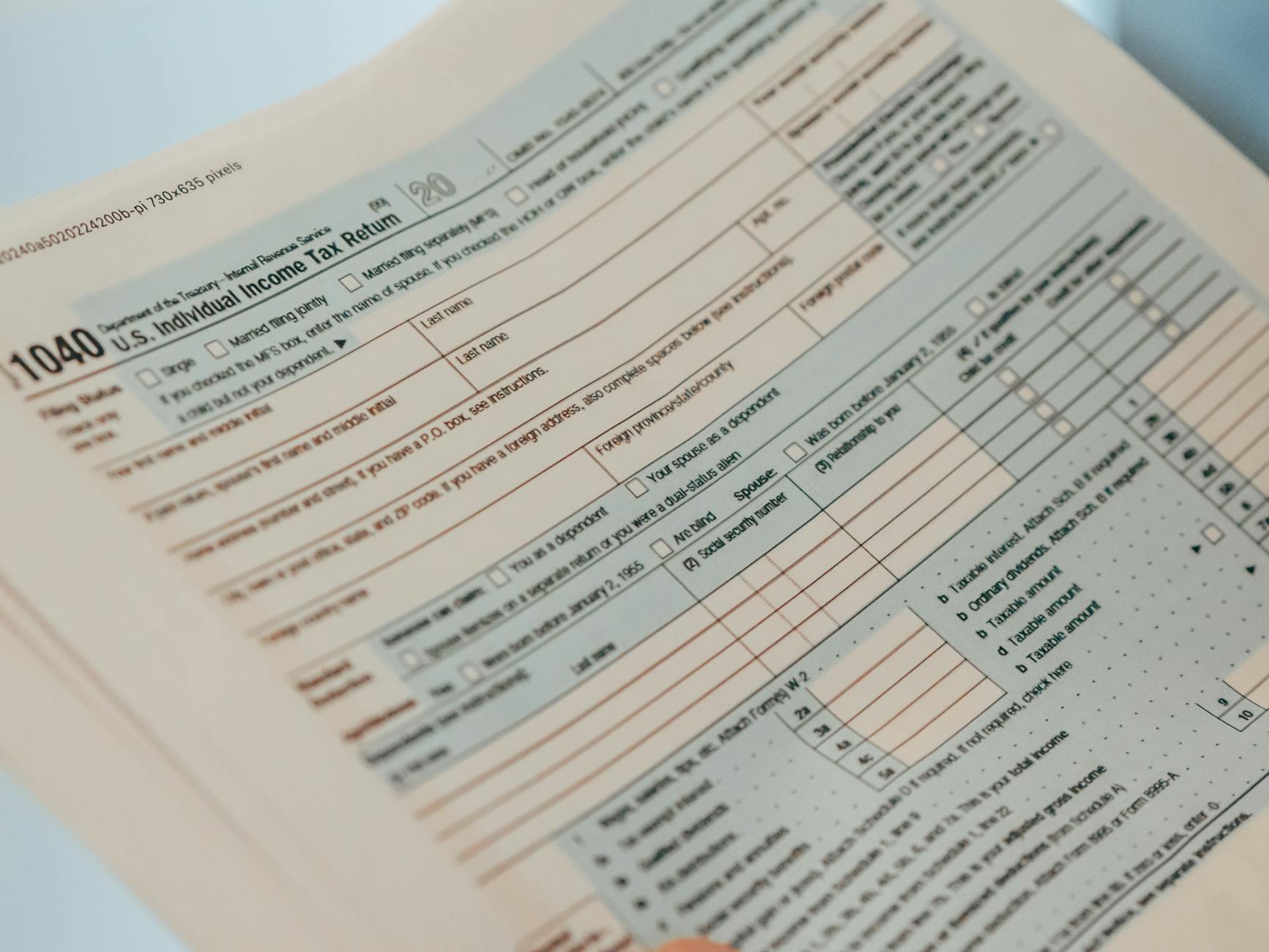
Moving to a low-cost-of-living state or country does not automatically mean your tax burden drops. The eight U.S. states that still tax Social Security in 2026 — Colorado, Connecticut, Minnesota, Montana, New Mexico, Rhode Island, Utah, and Vermont — can take a meaningful bite out of benefits that would be fully preserved in states like Tennessee, Wyoming, or South Dakota. A retiree who moves from New York to New Mexico expecting broad savings might be surprised to find that while housing costs less, Social Security income is still partially taxed at the state level. Internationally, the picture is even more detailed. Some countries have tax treaties with the United States that prevent double taxation of pension income, while others do not.
Portugal, for instance, has historically offered favorable tax treatment for new residents under its Non-Habitual Resident program, though the terms of that program have been revised in recent years, and retirees should verify current rules before making plans. Panama does not tax foreign-sourced income, which means U.S. Social Security and pension payments received there are generally not subject to Panamanian tax — but they remain subject to U.S. federal tax. The warning here is straightforward: do not choose a retirement destination based on cost of living alone without consulting a tax professional who understands cross-border or multi-state taxation. A move that saves $800 a month in rent but triggers an unexpected $3,000 annual tax bill is not the bargain it appeared to be. Run the full numbers before committing.
Visa and Residency Requirements for Retiring Abroad
Every country on this list has different rules for retirees who want to stay long-term, and those rules change frequently. Portugal’s D7 visa requires proof of stable passive income and has become one of the most popular pathways for American retirees entering Europe. Panama’s Pensionado visa is considered one of the most retiree-friendly in the Western Hemisphere, offering discounts on everything from medical services to restaurants. Thailand offers long-stay visas for retirees over 50 who can demonstrate a minimum bank balance or monthly income, while Sri Lanka has recently positioned itself as one of the easiest and cheapest countries in Asia for obtaining a retirement visa.
Mexico allows retirees to enter on a temporary resident visa by proving regular income above a set threshold, and the proximity to the U.S. makes it easy to handle renewals and border logistics. Ecuador similarly requires proof of pension or retirement income for its resident visa. The critical point is that visa requirements can change with little notice — Thailand has adjusted its financial requirements multiple times in recent years — so any retirement plan that depends on a specific visa should include a contingency if terms shift after you have already relocated.
Planning Your Move and What to Expect in the First Year
The first year of a retirement relocation, whether domestic or international, is almost always more expensive and more stressful than the steady state that follows. Moving costs, security deposits, furnishing a new home, learning local systems for banking and healthcare, and the inevitable mistakes of navigating an unfamiliar place all add up. Experienced expat retirees consistently advise renting for at least six months to a year before buying property, visiting a destination in its least attractive season before committing, and keeping enough liquid savings in a U.S. bank account to cover an emergency return.
Looking ahead, the broader trend favors retirees who are willing to be geographically flexible. Remote healthcare consultations, international banking apps, and growing expatriate communities in places like Cuenca, Chiang Mai, and the Algarve coast of Portugal are reducing the friction of living abroad. Domestically, states competing for retiree residents may continue to sweeten tax incentives. The retirees who will stretch their savings the furthest in the coming years are those who treat location as a financial decision with the same rigor they would apply to an investment portfolio — researching thoroughly, testing assumptions on the ground, and remaining willing to adjust when circumstances change.
You Might Also Like
- Retirement Cities with the Best Healthcare Access
- Most Common Retirement Locations with Low Taxes
- Best Small Towns for Peaceful Retirement Living