
The most common retirement locations with low taxes are states like Florida, Wyoming, Alaska, and South Dakota, all of which charge zero state income tax and impose no estate or inheritance taxes. Outside the United States, countries such as Portugal, Panama, and Costa Rica have become popular landing spots for American retirees seeking favorable tax treatment on pension and Social Security income. For example, a retiree collecting $50,000 per year in Social Security and pension income would owe nothing in state income tax by moving to Florida, while the same income could be partially taxed in a state like Minnesota or Vermont. But the picture is more complicated than simply picking a state or country with no income tax.
Property taxes, sales taxes, estate taxes, and cost of living all factor into the real financial impact of any move. Texas has no income tax, but its property taxes are among the highest in the nation. New Hampshire skips the income tax but makes up for it with some of the steepest property tax bills in the country.
Table of Contents
- Which U.S. States Have the Lowest Taxes for Retirees?
- How Social Security Taxation Varies by State
- The Hidden Tax Tradeoffs in No-Income-Tax States
- Best Countries Abroad for Tax-Friendly Retirement
- Why U.S. Tax Obligations Follow You Abroad
- States That Give Extra Tax Breaks to Older Retirees
- Where the Trend Is Heading
- Frequently Asked Questions
Which U.S. States Have the Lowest Taxes for Retirees?
Nine states currently levy zero state income tax: Alaska, Florida, Nevada, New Hampshire, South Dakota, Tennessee, Texas, Washington, and Wyoming. For retirees whose income comes primarily from pensions, 401(k) distributions, and Social Security, settling in one of these states eliminates what is often the single largest state-level tax obligation. Florida stands out as the most popular choice, combining no individual income tax with no estate or inheritance tax, a homestead exemption that significantly reduces property tax bills for longtime residents, and an average combined sales tax rate of 6.98 percent, which is lower than many other no-income-tax states. Beyond the zero-income-tax group, several states with low flat tax rates deserve attention. Arizona and North Dakota both impose a flat income tax rate of just 2.5 percent.
Ohio charges 2.75 percent, Indiana sits at 2.95 percent, and Louisiana rounds out the list at 3 percent. Ohio is particularly attractive to retirees because it pairs that low rate with exemptions on Social Security benefits and military retirement pay, all within a state that has a noticeably low cost of living compared to coastal alternatives. South Dakota and Wyoming frequently rank at the top of tax-friendliness indexes published by the Tax Foundation and similar organizations. Both states have no income tax, no estate tax, and moderate overall costs. Wyoming adds low crime rates to the equation, which matters to retirees prioritizing safety alongside savings.

How Social Security Taxation Varies by State
As of 2026, only eight states still tax social Security benefits: Colorado, Connecticut, Minnesota, Montana, New Mexico, Rhode Island, Utah, and Vermont. West Virginia fully phased out its Social Security tax in 2026, joining the large majority of states that leave these benefits alone. This is a significant shift from a decade ago, when more than a dozen states taxed Social Security income in some form. If you are currently living in one of those eight remaining states and Social Security makes up a substantial portion of your retirement income, the savings from relocating could be meaningful, potentially thousands of dollars per year depending on your benefit level. However, not taxing Social Security does not automatically make a state cheap for retirees.
A state can exempt Social Security while still taxing pension distributions, IRA withdrawals, and investment income at high rates. South Carolina, for example, does not tax Social Security and provides generous retirement income deductions for residents age 65 and older, but its top income tax rate is 7 percent, which applies to other forms of income above certain thresholds. Retirees with large 401(k) balances or significant capital gains need to look beyond the Social Security exemption and evaluate how all their income sources will be treated. The trend across the country is clearly moving toward exempting Social Security from state taxes, so retirees in states that still tax these benefits may see relief in the coming years. But waiting on potential legislation is a gamble, and anyone close to retirement should plan based on current law, not projected changes.
The Hidden Tax Tradeoffs in No-Income-Tax States
The assumption that no income tax equals low total taxes is one of the most common and costly mistakes retirees make when choosing where to relocate. States that forgo income tax revenue have to fund their budgets through other mechanisms, and those alternative taxes can hit retirees hard depending on their lifestyle and spending habits. Texas is the clearest example. The state charges no income tax, but its property tax rates are among the highest in the country. A retiree who buys a $350,000 home in Texas could easily face an annual property tax bill north of $7,000, while the same home in a state with modest income taxes might carry a property tax bill under $3,000.
Washington state pairs its zero income tax with a high sales tax rate and an estate tax that kicks in at $2.193 million, which can catch retirees with significant accumulated wealth off guard. New Hampshire charges no income tax but has property tax rates that rank among the steepest nationally, creating a particular burden for retirees who own their homes outright and are living on fixed incomes. Tennessee, while income-tax-free, imposes above-average sales tax rates that add up quickly on everyday purchases. The right comparison for any retiree is total tax burden: income taxes plus property taxes plus sales taxes plus any estate or inheritance taxes. A state like South Dakota or Wyoming, which keeps all of these relatively low, may save you more than a state like Texas or Washington that zeros out one category but compensates aggressively in others.

Best Countries Abroad for Tax-Friendly Retirement
For retirees willing to move outside the United States, several countries offer tax structures that are remarkably favorable to American pension and Social Security income. Portugal ranked as the number one overall retirement destination in 2026, offering foreign income that is tax-free for the first three years of residency, with no wealth or inheritance tax. That means a U.S. retiree who moves to Portugal and lives on Social Security, pension distributions, and investment income from American accounts could owe zero Portuguese tax for a full three years after arriving. Panama and Costa Rica take a different approach by simply not taxing foreign-sourced income at all. Since U.S.
Pensions and Social Security originate outside these countries, they are generally not subject to local taxation. This makes both countries especially attractive for retirees whose income comes entirely from American sources. Italy offers a flat 7 percent tax rate on foreign pension income for up to 10 years, while Greece provides a flat 7 percent rate on all foreign-sourced income for up to 15 years, compared to its normal progressive rates of 9 to 44 percent. France, under the U.S.-France tax treaty, can result in almost no local tax burden for American retirees whose income is entirely passive. For retirees on tighter budgets, Mexico and Malaysia stand out as destinations where comfortable living is possible on less than $2,500 per month, including housing and healthcare. The combination of low local taxes, affordable cost of living, and accessible medical care makes these countries particularly practical for retirees whose savings or pension income would stretch thin in most U.S. cities.
Why U.S. Tax Obligations Follow You Abroad
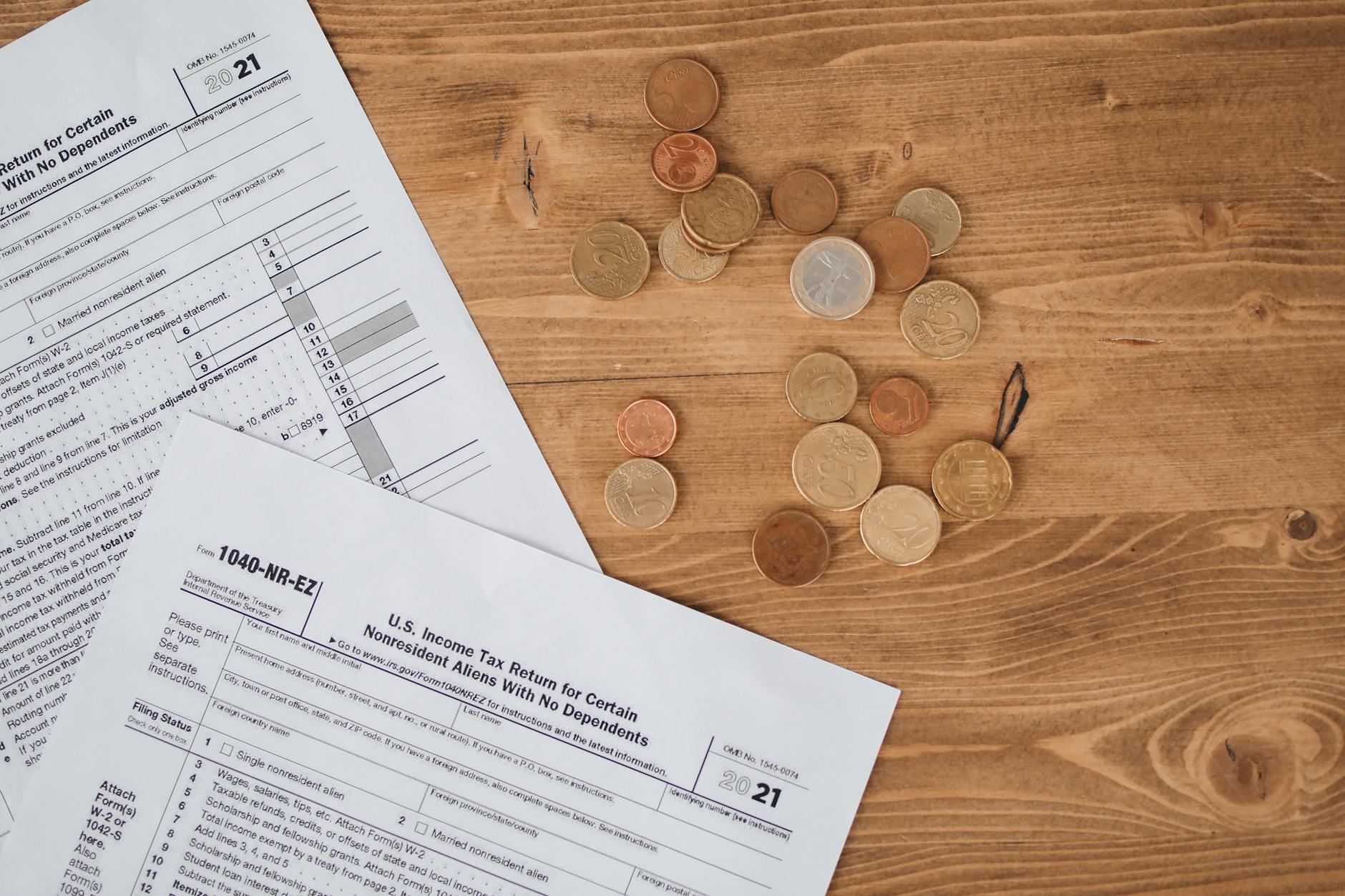
One critical limitation that many retirees overlook when considering an international move is that American citizens and permanent residents must report their global income to the IRS regardless of where they live. Moving to Panama or Portugal does not eliminate your U.S. federal tax obligation. You are still required to file a return, report all income, and potentially pay federal taxes on it. The good news is that most retirees living abroad owe little or nothing to the IRS after applying foreign tax credits and available deductions. If you pay taxes to your new country of residence, those payments generally offset your U.S. tax liability dollar for dollar through the Foreign Tax Credit.
📨 Get Free Medicare Guides Alerts
Free · No spam · Unsubscribe anytime
And if your new country does not tax your income, your U.S. tax bill remains what it would have been living stateside, so you are no worse off federally but you have eliminated the state tax layer entirely. Retirees who move abroad from a high-tax state like California or New York effectively pocket those state tax savings in full. That said, the paperwork burden of filing from abroad is real. You may need to file FBAR reports for foreign bank accounts, comply with FATCA requirements, and navigate the interaction between U.S. tax law and your host country’s tax treaty. Working with a tax professional who specializes in expatriate returns is not optional for most retirees abroad. The penalties for noncompliance, even inadvertent noncompliance, can be severe.
States That Give Extra Tax Breaks to Older Retirees
Several states go beyond simply not taxing Social Security and offer additional deductions or exemptions specifically for residents over 65. South Carolina is a standout in this category, providing generous retirement income deductions that can shelter a significant portion of pension and investment income from state tax for qualifying seniors. Ohio exempts not only Social Security but also military retirement pay, making it one of the most attractive options for veterans on a fixed budget, all while maintaining a top income tax rate of just 2.75 percent.
These age-specific provisions can meaningfully shift the math for retirees comparing states. A 60-year-old evaluating a move to South Carolina might face a different tax picture than a 66-year-old making the same move, simply because of the additional deductions that unlock at 65. Before ruling out a state based on its headline tax rate, it pays to look at what exemptions and deductions are available to older taxpayers specifically.
Where the Trend Is Heading
The national trajectory is unmistakable. States are competing for retirees and their spending power by reducing or eliminating taxes on retirement income. West Virginia’s full phase-out of Social Security taxation in 2026 is the most recent example, and several other states have introduced or advanced similar legislation. For retirees planning moves three to five years out, this trend suggests that the list of tax-friendly states will only grow, but it also means that today’s tax-haven states may see increased demand, higher housing costs, and more crowded healthcare systems as more retirees arrive.
Internationally, countries like Portugal, Greece, and Italy are actively courting foreign retirees with special visa programs and flat-tax incentives. These programs can change, however. Portugal’s Non-Habitual Resident program has been revised multiple times, and there is no guarantee that current incentives will remain intact indefinitely. The best approach is to make decisions based on current law while building in flexibility for the possibility that tax rules in your chosen destination could shift.
Frequently Asked Questions
Do I have to pay U.S. federal taxes if I retire in another country?
Yes. U.S. citizens and permanent residents must report worldwide income to the IRS regardless of where they live. However, most retirees abroad owe little or nothing after applying foreign tax credits and deductions that offset the local taxes they pay in their host country.
Which state has the lowest overall tax burden for retirees?
Alaska, Wyoming, and South Dakota consistently rank at the top for lowest total tax burden on retirees because they combine no income tax with low property taxes, low sales taxes, and no estate taxes. Florida is close behind and far more popular due to its climate and infrastructure.
Is it true that only eight states still tax Social Security in 2026?
Yes. As of 2026, Colorado, Connecticut, Minnesota, Montana, New Mexico, Rhode Island, Utah, and Vermont are the only states that still tax Social Security benefits. West Virginia eliminated its Social Security tax in 2026.
Can I really live on less than $2,500 a month abroad?
In countries like Mexico and Malaysia, many retirees live comfortably on that budget or less, covering housing, food, transportation, and healthcare. However, lifestyle choices, location within the country, and healthcare needs all affect actual costs significantly.
Does moving to a no-income-tax state always save me money?
Not necessarily. States without income taxes often compensate through higher property taxes, sales taxes, or other fees. Texas and New Hampshire are common examples where retirees expecting big savings are surprised by steep property tax bills. Always compare total tax burden, not just income tax rates.
You Might Also Like
- Most Popular Retirement Locations in the United States
- Most Popular Coastal Towns for Retirement
- Best Retirement Locations for Active Seniors