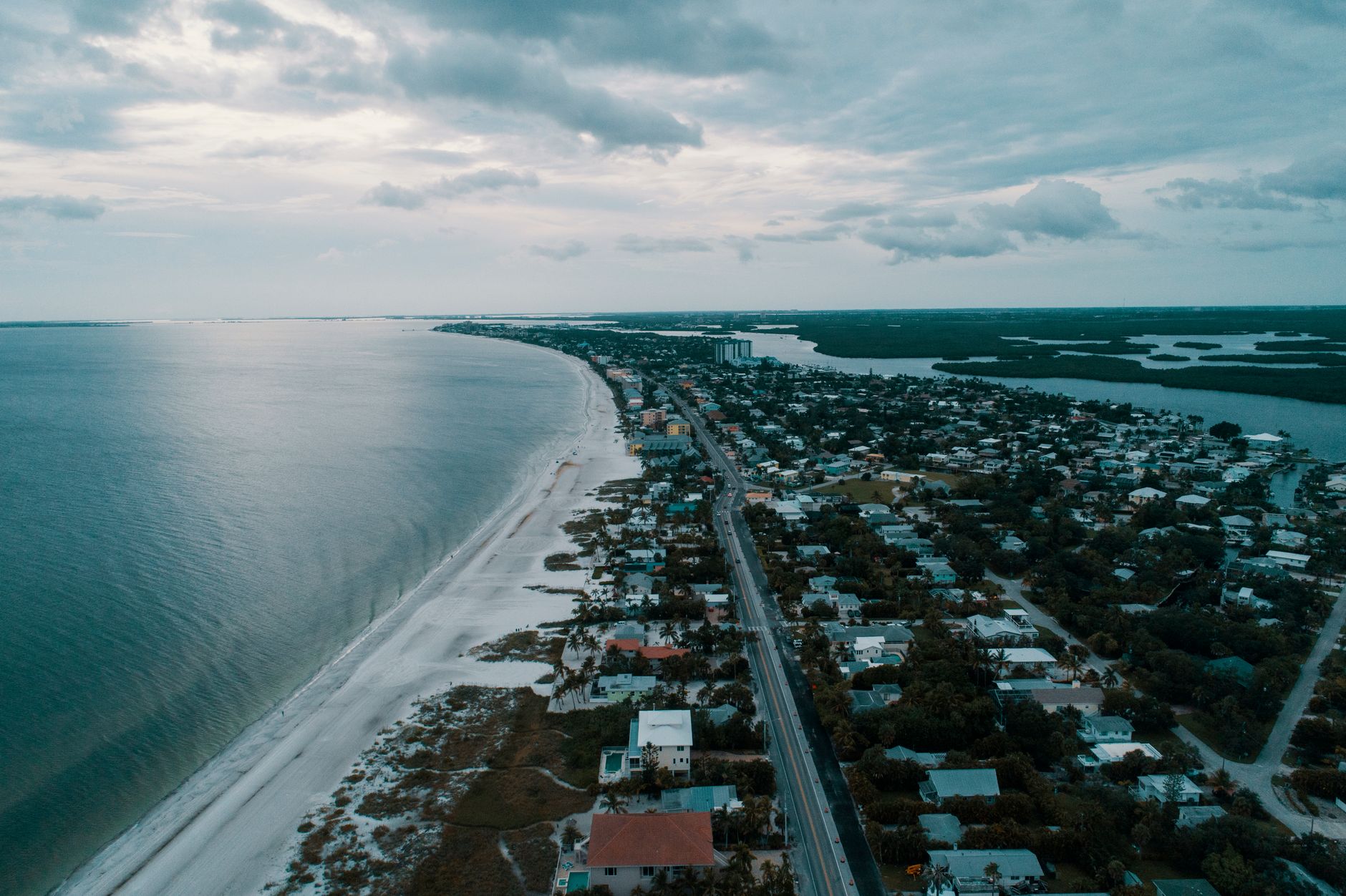
The best places to retire in Florida depend on your priorities: some retirees prioritize affordability and gravitate toward Sebring or The Villages, where housing costs remain reasonable and communities cater specifically to seniors. Others seek vibrant cultural scenes and are willing to pay more for Miami or Tampa neighborhoods. Still others want quiet beach life and choose smaller coastal towns like Amelia Island or Venice.
Florida’s appeal as a retirement destination is straightforward—no state income tax saves retirees significant money compared to other states, and the warm climate eliminates heating bills and appeals to those with arthritis or other conditions worsened by cold weather. Florida consistently ranks as the top retirement destination in America, drawing over 3,000 new residents daily. This influx reflects genuine advantages: a 12-month growing season, established senior communities with healthcare infrastructure, and financial benefits that compound over decades. However, the best location for you depends on balancing trade-offs between cost, community, healthcare quality, and proximity to family.
Table of Contents
- Which Florida Retirement Destinations Offer the Best Value for Your Budget?
- Healthcare Access and Medical Infrastructure in Retiree-Friendly Florida Communities
- Understanding Florida’s Climate and Weather Trade-Offs for Retirees
- Balancing Retirement Lifestyle: Active Communities, Culture, and Social Engagement
- Tax Implications and Insurance Costs That Impact Retirement Income
- Coastal Versus Inland: Weighing Beaches, Weather, and Prices
- The Future of Retirement in Florida—Population Growth, Infrastructure, and Planning Ahead
- Conclusion
- Frequently Asked Questions
Which Florida Retirement Destinations Offer the Best Value for Your Budget?
If cost of living is your primary concern, central Florida communities like Sebring and Lake Placid offer significantly lower housing prices than coastal areas. A retiree can find a two-bedroom home in Sebring for $200,000 to $300,000, whereas the same property in Tampa would cost $400,000 to $500,000. The Villages, a massive retirement community near Ocala with over 125,000 residents, offers a different value proposition: while home prices have risen to $300,000 to $450,000 in recent years, residents benefit from amenities included in homeowners’ association fees—golf courses, recreation centers, and organized social events—that would cost thousands per month if purchased separately.
Budget-conscious retirees should note that while property taxes in Florida are lower than northern states, the rate varies by county. Alachua County (Gainesville area) has relatively low tax rates, while Miami-Dade County’s rates are higher, which can add $2,000 to $3,000 annually depending on home value. Utility costs also vary: air conditioning costs are highest in summer months across the entire state, ranging from $150 to $300 monthly during peak season. Northeastern Florida towns like Fernandina Beach and Jacksonville offer a middle ground—lower real estate prices than Miami or Tampa, reasonable property taxes, and genuine four-season weather that appeals to those seeking cooler months.

Healthcare Access and Medical Infrastructure in Retiree-Friendly Florida Communities
Healthcare quality becomes increasingly important as you age, and Florida’s major metropolitan areas have clear advantages in this regard. Tampa and Jacksonville both have multiple major medical centers—Tampa has Moffitt Cancer Center (ranked nationally for oncology) and multiple teaching hospitals, while Jacksonville’s Mayo Clinic campus provides world-class specialty care. Smaller communities trade some specialty access for convenience; a Sebring resident might need to drive an hour to Lakeland or Orlando for advanced treatments, though basic primary care and urgent care facilities are available locally. A significant limitation in rural and mid-size Florida communities is the shortage of specialists, particularly geriatricians, neurologists, and cardiologists.
The Villages has addressed this by establishing its own medical center and partnering with nearby hospitals, but smaller towns like Cedar Key or Yankeetown lack comprehensive medical facilities. If you take multiple medications or have chronic conditions requiring specialist oversight, proximity to major medical centers matters. Medicare covers the same procedures statewide, but wait times for appointments and the availability of telehealth options can differ substantially. Retirees with complex medical needs should research specific hospitals’ specialties and physician availability before committing to a location.
Understanding Florida’s Climate and Weather Trade-Offs for Retirees
Florida’s subtropical and tropical climate is a primary draw for retirees fleeing northeastern winters, but the summer heat and hurricane season present real challenges that newer retirees sometimes underestimate. South Florida’s Miami and Fort Lauderdale areas experience temperatures regularly exceeding 90°F from June through September, with humidity that makes outdoor activity miserable without early morning or evening scheduling. Central Florida communities like Ocala and Sebring experience slightly lower humidity and marginally cooler summers, a difference of 2–3 degrees that many retirees report as noticeable. Hurricane risk is a genuine consideration, though modern building codes have improved significantly.
Since Hurricane Ian in 2022 damaged or destroyed homes across Southwest Florida, insurance costs have spiked—some coastal properties saw premiums double or triple. Inland communities are safer from hurricane surge but not immune to wind and rain damage. A home in Sebring costs roughly $1,200 annually for homeowners insurance, while a coastal property in Naples might cost $3,000 to $5,000 for the same coverage. The reality is that coastal living in Florida requires acceptance of hurricane season (June through November) and either robust insurance or substantial financial reserves.

Balancing Retirement Lifestyle: Active Communities, Culture, and Social Engagement
For retirees seeking structured community and built-in social opportunities, The Villages offers unmatched advantages: over 3,000 registered clubs, daily recreation, and a culture of activities from golf to gardening to theater productions. A typical Villages resident participates in 5–10 organized activities weekly. However, The Villages operates almost as a gated community—it’s designed for active seniors aged 55-plus and can feel insular; many residents report rarely venturing beyond its borders.
Larger cities like Tampa and Miami provide cultural institutions—museums, theaters, concert halls, universities offering lifelong learning programs—but require more initiative to access. A retiree in Tampa might attend Florida Orchestra performances or USF Osher Lifelong Learning programs, but these don’t happen organically; they require planning and often driving. Smaller coastal towns like Amelia Island or Venice offer quieter lifestyles with strong natural beauty; Venice has a thriving arts district and beaches, but limited medical specialists and fewer social programs. The trade-off is between structured comfort (The Villages) and independence with cultural access (major cities) or natural peace with self-directed social engagement (smaller towns).
Tax Implications and Insurance Costs That Impact Retirement Income
Florida’s lack of state income tax is often cited as its greatest advantage—a retiree with $60,000 in annual income saves approximately $2,400 to $4,000 per year compared to neighboring states like Georgia (5.75% state income tax) or South Carolina (0% to 7%). However, property taxes, insurance, and other costs vary significantly. Homestead exemptions are available to Florida residents, which reduce taxable property value by up to $50,000, providing meaningful savings for homeowners. You must file for a homestead exemption in your county to qualify, a step many new retirees overlook.
Insurance costs deserve serious attention. Home insurance has become expensive statewide, and coastal property insurance borders on prohibitive. Flood insurance, required for mortgaged properties in flood zones and strongly recommended even if not required, adds another $800 to $1,500 annually. Some inland communities like Ocala, Sebring, and Gainesville have lower insurance costs and lower flood risk, making them genuinely cheaper on a total cost basis despite slightly lower home values. Auto insurance also increases in areas with higher traffic, theft, or fraud—South Florida’s auto insurance can run 30–50% higher than central Florida’s.

Coastal Versus Inland: Weighing Beaches, Weather, and Prices
Coastal retirement communities—Amelia Island in the northeast, Sanibel and Captiva in Southwest Florida, and the Palm Beach area in Southeast Florida—offer beach access and lower humidity near the ocean. Amelia Island appeals to retirees seeking a smaller, quieter beach town with lower costs than Miami-area communities; homes range from $400,000 to $700,000, and the historic downtown offers dining and walking culture. However, coastal properties require flood insurance, have higher hurricane exposure, and appreciate less reliably during economic downturns.
📨 Get Free Medicare Guides Alerts
Free · No spam · Unsubscribe anytime
Inland communities consistently offer better value and lower insurance costs. Ocala, 85 miles inland in north-central Florida, offers horse country charm, reasonable prices ($250,000 to $400,000 for comparable homes), and a strong sense of community. Sebring, in Highlands County, is similarly affordable and appeals to golf enthusiasts. The inland trade-off is summer heat without ocean breezes and less proximity to beaches—though most inland Floridians visit beaches for vacations rather than daily recreation.
The Future of Retirement in Florida—Population Growth, Infrastructure, and Planning Ahead
Florida’s rapid growth presents both opportunity and risk for future retirees. Population projections show Florida gaining over 3 million residents by 2040, putting pressure on infrastructure, traffic, and housing availability. Some regions are managing growth well—Tampa Bay has expanded its transit system and added housing; others like South Florida are straining under congestion.
A retiree choosing a location now should consider whether the area’s infrastructure and governance can handle continued growth. Climate change and sea-level rise are beginning to impact insurance, property values, and development patterns. Some experts project that certain coastal areas will become increasingly expensive and difficult to insure within 20 to 30 years, making inland communities a more stable long-term choice. Retirees planning to age in place for 20+ years should evaluate not just current conditions but foreseeable changes in their chosen community.
Conclusion
The best place to retire in Florida depends on your specific priorities: The Villages offers unmatched community and activity but at higher initial cost and less cultural diversity; Tampa and Miami provide culture and healthcare but require more active planning and higher expenses; smaller communities like Sebring, Ocala, or Amelia Island offer lower costs and quieter lifestyles but require more independence and self-directed social engagement.
Before relocating, spend extended time—ideally a month or more—in your target community during summer months to experience the heat and humidity, test the healthcare facilities, and evaluate whether the social environment feels right. Your decision should reflect honest answers to three questions: What is your annual retirement income and how much can housing cost? How important is specialized healthcare and proximity to major medical centers? Do you prefer structured community and organized activities, or independence with natural surroundings? Once you understand these priorities, Florida offers options for nearly every retirement lifestyle, backed by genuine financial advantages and a climate that works for retirees with limited mobility or cold-weather health concerns.
Frequently Asked Questions
Does Florida’s lack of income tax apply to retirement account withdrawals?
Yes. Florida has no state income tax on any income, including Social Security benefits, IRA distributions, and pension withdrawals. This saves most Florida retirees $2,000 to $5,000 annually compared to high-tax states, though property taxes and insurance costs must be factored into the total picture.
What is the homestead exemption, and how do I apply?
Florida’s homestead exemption reduces your home’s taxable value by up to $50,000, saving approximately $600 to $1,200 per year on property taxes. You apply through your county property appraiser’s office in the year you move to Florida; the exemption typically takes effect the following tax year.
Is it better to rent or buy as a retiree in Florida?
This depends on your timeline and financial situation. Buying locks in stability and eliminates rent increases but requires significant upfront capital and ongoing maintenance. Renting offers flexibility and eliminates property tax and insurance risk but provides no tax deductions and exposes you to annual rent increases (typically 3–5% in Florida communities). Many retirees rent for the first year while evaluating whether they want to stay permanently.
How much does hurricane insurance add to homeowners insurance costs?
Flood insurance (separate from homeowners insurance) costs $800 to $1,500 annually for inland properties and $1,500 to $3,000+ for coastal properties. Standard homeowners insurance has increased statewide; expect $1,200 to $2,000 annually for inland homes and $3,000 to $6,000 for coastal homes, depending on age, construction, and location.
Which Florida communities have the best healthcare for seniors with chronic conditions?
Tampa, Jacksonville, and Miami have major medical centers with extensive specialty care. The Villages has established its own medical center and partnerships with nearby hospitals. Smaller communities like Sebring and Ocala have adequate primary care but limited specialists; retirees with complex medical needs should verify specialist availability before relocating.
Is The Villages worth the cost for the community and activities?
For retirees seeking structured social engagement and organized activities, The Villages delivers genuine value—membership in clubs and access to recreation centers that might cost $5,000+ separately are included in HOA fees. However, if you’re independent, culturally engaged, or prefer spontaneous social connection, smaller cities like Tampa or Amelia Island may suit you better and cost significantly less.
You Might Also Like
- Best Places to Retire in Texas
- Best Places to Retire in California
- Retirement in Florida Pros and Cons