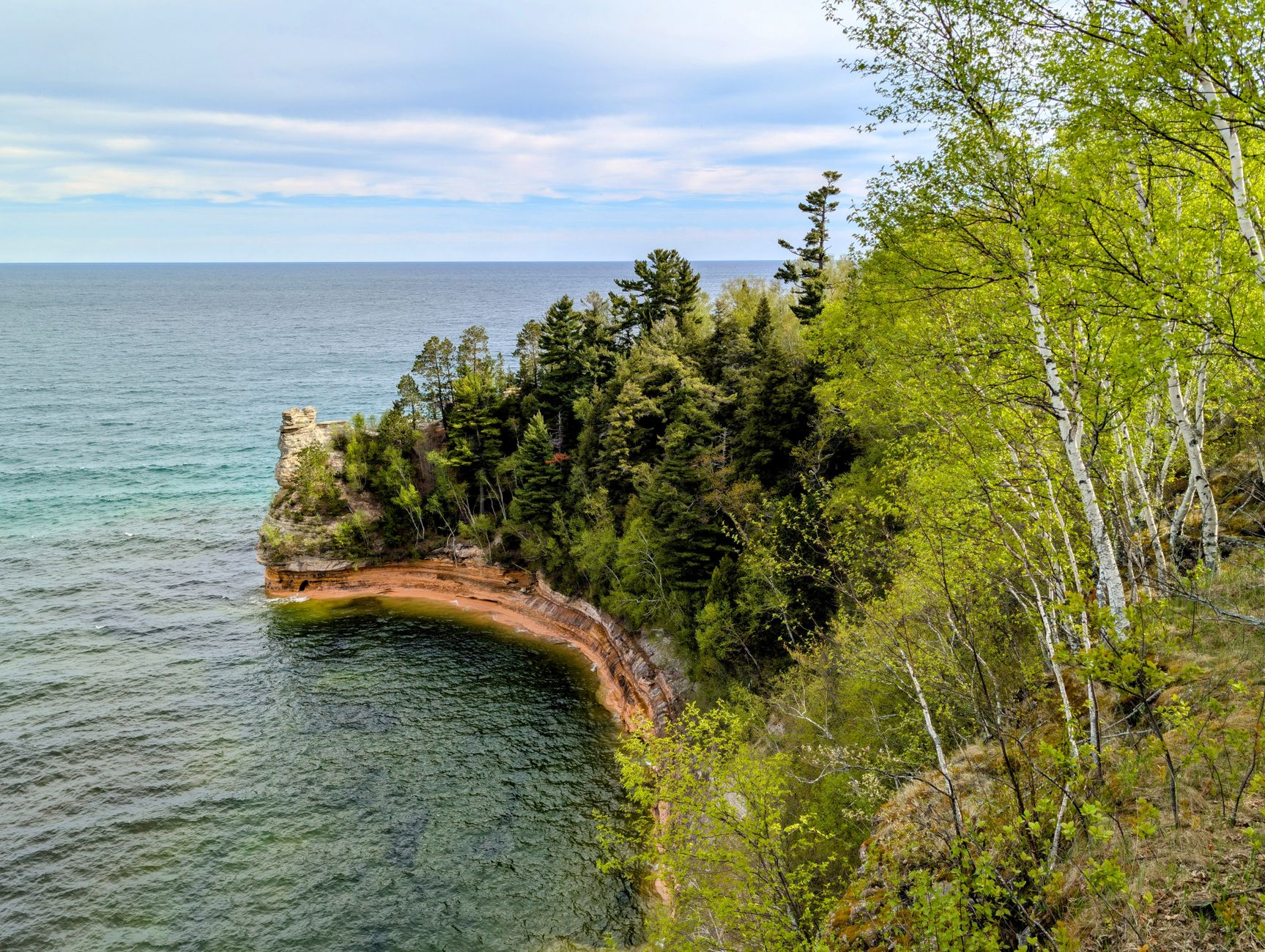
Michigan presents a mixed picture for retirees, offering genuine financial advantages in some areas while presenting significant challenges in others. The state has become increasingly attractive to retirees primarily because of its favorable tax treatment of retirement income and relatively lower cost of living compared to national averages, but these benefits come with the reality of harsh winters, aging infrastructure in some regions, and a healthcare landscape that requires careful navigation. A 65-year-old retired autoworker from Detroit who spent $2,800 monthly on housing, taxes, and utilities in 2025 could see those costs drop by 20-30 percent by moving from an urban area to smaller Michigan towns, though they would also face longer driving distances to specialist medical care.
Michigan’s appeal hinges on understanding which specific advantages matter most to your situation and acknowledging that the drawbacks are substantial, not minor inconveniences. The state ranks among the best for tax efficiency for pension income and Social Security, yet has some of the most unpredictable weather and a median home price that has risen 40 percent in five years in certain regions. Your decision should rest on whether you prioritize financial stability and low taxes over weather tolerance and proximity to major urban amenities.
Table of Contents
- How Does Michigan’s Tax System Benefit Retirees?
- What Are the Real Costs of Living and Healthcare in Michigan?
- What State Benefits and Senior Programs Can Michigan Retirees Access?
- How Does Michigan’s Housing Market Affect Retirement Planning?
- What Health and Lifestyle Challenges Do Michigan Winters Create?
- What Economic and Community Factors Should Influence Your Decision?
- What Does the Future Hold for Michigan Retirees?
- Conclusion
- Frequently Asked Questions
How Does Michigan’s Tax System Benefit Retirees?
Michigan offers one of the most retiree-friendly tax codes in America, particularly for those drawing from pensions and retirement accounts. The state fully exempts military pensions, allows substantial deductions on other pension income for residents over 67, and has a relatively low state income tax rate of 4.25 percent. Notably, social Security benefits are not taxed in Michigan, which provides significant savings compared to states like Colorado or Vermont that tax these benefits. A married couple with a combined income of $80,000—consisting of $35,000 in Social Security and $45,000 in pension payments—would owe zero Michigan income tax on their Social Security portion, saving them roughly $1,400-$1,800 annually compared to states that tax Social Security benefits fully.
However, the pension deduction phases out at higher income levels, and property taxes remain a complication. While the state income tax is favorable, Michigan’s effective property tax rate averages 1.56 percent, which is above the national average of 1.08 percent. A retiree with a home valued at $250,000 in Michigan would pay approximately $3,900 annually in property taxes, compared to $2,700 in a lower-tax state like Alabama. Additionally, counties bordering Lake Michigan and the affluent suburbs of Detroit charge significantly higher property taxes—sometimes exceeding 2.2 percent—which can erase much of the income tax advantage for those living in those areas.

What Are the Real Costs of Living and Healthcare in Michigan?
Michigan’s cost of living is genuinely below the national average, with groceries roughly 5-8 percent cheaper than the US median and utilities that benefit from the state’s access to hydroelectric and natural gas resources. A retiree’s grocery budget of $400 monthly in Michigan typically stretches further than in coastal states, and heating costs, while significant in winter, are offset by the state’s energy infrastructure. Healthcare, however, presents a more complex picture. While Medicare is available to all eligible seniors regardless of location, Michigan has experienced physician shortages in rural areas, and specialist appointments in regions outside Detroit and Grand Rapids can involve 45-minute to two-hour drives.
The limitation worth acknowledging is that Michigan’s healthcare quality varies dramatically by region. Detroit’s Henry Ford Health System and University of Michigan Health are excellent, but residents in the Upper Peninsula or rural counties in northwest Michigan report difficulty finding cardiologists, rheumatologists, and other specialists who accept Medicare. Nursing home costs in Michigan average $8,500-$9,200 monthly for semi-private rooms, which is moderate compared to the national average of $9,700 but significantly higher than southern states like Tennessee ($7,200) or Arkansas ($6,800). A retiree who develops Alzheimer’s disease or requires long-term care should budget for costs that will consume a substantial portion of savings unless long-term care insurance was purchased before retirement.
What State Benefits and Senior Programs Can Michigan Retirees Access?
Michigan offers several programs specifically designed for older adults, including the Michigan Senior Property Tax Credit, which reduces property taxes for low-income seniors, and the Home Heating Credit, which helps offset winter utility costs. The Michigan Retired Teachers’ Association provides advocacy and discounted services for retired educators, and the state funds Area Agencies on Aging in each county that offer meal programs, transportation assistance, and care coordination. A 70-year-old with a fixed income of $28,000 annually and a home valued at $150,000 could qualify for the Senior Property Tax Credit, potentially reducing annual property tax bills by $300-$600.
The Senior Millage Program in many Michigan counties designates specific funding for senior services, and Detroit and other municipalities offer property tax deferrals for seniors age 65 and older with household incomes below $55,000. These programs genuinely reduce the effective cost of living for lower-income retirees, but they come with income limits and asset caps that can disqualify those with even modest retirement savings. A retiree with $200,000 in liquid assets and a pension of $35,000 annually would likely exceed the asset limits for many assistance programs, making these benefits unavailable regardless of monthly cash flow. The programs work best for those with minimal savings who have relied primarily on Social Security and modest pensions.

How Does Michigan’s Housing Market Affect Retirement Planning?
Michigan’s housing market has become increasingly expensive, particularly in desirable retirement destinations. The median home price in areas like Traverse City and the Mackinac Island region has climbed above $400,000, driven by remote workers relocating from urban centers and wealthy retirees seeking waterfront properties. However, smaller towns and inland areas still offer homes in the $150,000-$250,000 range, providing genuine opportunity for downsizing retirees who can accept less scenic surroundings. A retiree selling a $350,000 home in Illinois and purchasing a $200,000 home in rural Michigan could net $150,000 in proceeds while maintaining a comfortable living situation.
The tradeoff involves accepting location constraints and community size. Towns with homes priced under $200,000 typically lack the cultural amenities, restaurant options, and entertainment venues of larger communities, and some have struggling school systems and aging infrastructure. Properties in the Upper Peninsula or rural areas around Grayling may require substantial maintenance due to freeze-thaw cycles and wood-eating insect populations, and finding contractors in winter or for specialized repairs can be difficult. Additionally, the rising housing costs in popular areas like the Sleeping Bear Dunes region are pricing out moderate-income retirees, forcing them to choose less desirable locations or remain in their current state. Real estate appreciation has accelerated—homes in northwest Michigan gained 12-15 percent annually from 2021-2024—making this strategy more viable for those executing it now rather than waiting.
What Health and Lifestyle Challenges Do Michigan Winters Create?
Michigan’s winter climate presents the most significant lifestyle downside for many potential retirees, with the state experiencing an average of 140-160 days of snowfall annually depending on region, and some Upper Peninsula areas receiving over 200 inches. Seasonal Affective Disorder (SAD) affects retirees at higher rates than the general population, and the physical demands of maintaining a home during winter—snow removal, ice management, and weather-related isolation—become increasingly difficult with age. A 72-year-old with arthritis or mobility issues may find that hiring snow removal services costs $150-$300 per event, adding $2,000-$4,000 annually to winter expenses, or may experience depression and social isolation during the five-month winter period. The limitation extends to healthcare access during severe weather events.
Road conditions during winter storms can delay ambulance responses or make travel to medical appointments dangerous for older drivers or those with vision problems. Additionally, the emotional toll of prolonged winter darkness—the sun sets at 5:15 PM in December in most of Michigan—triggers depression in 15-20 percent of the population, with higher rates among those already dealing with age-related health challenges. Some retirees adopt a “snowbird” strategy, spending winters in Florida or Arizona and returning to Michigan for spring and fall, but this requires maintaining two residences and adds significant expense. Others choose to move permanently to warmer states once they reach their early 70s, accepting Michigan as a temporary retirement destination rather than a long-term one.

What Economic and Community Factors Should Influence Your Decision?
Michigan’s economy has diversified beyond automotive manufacturing, with growing healthcare, technology, and educational sectors providing stability but also creating regional disparities. The Lansing and Ann Arbor areas offer robust cultural institutions, excellent universities, and strong job markets for those who may pursue part-time work in retirement, but rural areas have experienced population decline and economic stagnation. A retiree interested in serving on nonprofit boards, participating in university lectures, or engaging with cultural institutions would thrive in Ann Arbor or East Lansing, where the University of Michigan and Michigan State University create communities with theaters, museums, and educational opportunities. However, a retiree moving to a rural area near Traverse City would gain access to outdoor recreation—hiking, water activities, and scenic drives—but lose access to urban cultural amenities.
Community character matters significantly. Western Michigan communities along the Lake Michigan shoreline attract affluent retirees and maintain upscale amenities, while mid-state communities like Kalamazoo and Battle Creek offer small-city living with reasonable costs. Northern Michigan’s Petoskey and Charlevoix have become increasingly expensive and crowded with seasonal visitors, fundamentally changing their character from quiet retirement destinations to tourist towns. The choice between an affordable inland town and a picturesque but pricey lakeside community should rest on your actual priorities—if you envision retirement as golf and waterfront dining, the cost premium in popular areas is real and will continue to climb. If you prioritize outdoor hiking, gardening, and cultural engagement, moderately-priced towns offer equivalent or better quality of life at half the cost.
What Does the Future Hold for Michigan Retirees?
Michigan’s long-term trajectory for retirees depends on infrastructure investment and workforce retention. The state faces challenges from population aging—Michigan ranks in the top 10 states for median age at 40.1 years—which strains state budgets for elder services while reducing the working-age population that supports pension systems. However, investment in healthcare infrastructure around major universities and recent moves to attract tech workers suggest Michigan is attempting to diversify its economy beyond historical manufacturing dependence. The question for prospective retirees is whether these investments will translate into improved services and economic vitality, or whether rural areas will continue experiencing decline.
Climate change presents an evolving consideration. Milder winters could make Michigan more attractive to retirees in coming decades, as the average winter temperature could rise 2-4 degrees Fahrenheit by 2050. Conversely, increased flooding in low-lying areas and water quality challenges in the Great Lakes region create new risks. For someone retiring now, Michigan’s advantages are substantial and immediate, but those planning retirement 10-15 years in the future should monitor whether the state successfully addresses infrastructure, healthcare access in rural areas, and economic diversification. The tax benefits and cost of living advantages are unlikely to change, but the quality of life factors that make or break a retirement move—healthcare access, winter severity, community vitality—remain fluid.
Conclusion
Retirement in Michigan offers genuine financial benefits, particularly regarding state income taxes, the exemption of Social Security benefits from taxation, and lower-than-average housing costs in many areas. The combination of favorable tax treatment and a relatively modest cost of living can extend your retirement savings by 15-20 percent compared to national averages, a significant advantage for those on fixed incomes. These advantages are real, documented, and substantial enough to justify serious consideration, especially if your retirement income consists largely of pensions and Social Security. However, these financial benefits come with tradeoffs that demand honest assessment.
The winter climate is severe and affects daily life, healthcare infrastructure varies dramatically by location, and the rising housing costs in desirable areas have made Michigan less affordable than it was five years ago. Your decision should balance the genuine financial advantages against your personal tolerance for cold weather, your healthcare requirements, your desire for cultural and social engagement, and whether you can afford to live in one of Michigan’s more desirable communities or must accept a less attractive location to achieve cost savings. For retirees who are flexible on location, financially disciplined, and can tolerate or actively enjoy Michigan’s winters, the state offers strong value. For those with significant healthcare needs, an intolerance for long winters, or a strong preference for cultural amenities, the financial advantages may not outweigh the lifestyle costs of choosing Michigan over warmer, larger urban alternatives.
Frequently Asked Questions
Is Michigan income tax really better for retirees than Florida or Texas?
Yes, Michigan’s tax treatment of Social Security (fully exempt) and pensions (partially deductible for those 67+) is more favorable than Florida and Texas for most retirees. However, Florida’s complete lack of state income tax can provide slightly larger savings for very high-income retirees. For moderate-income retirees living on Social Security and pensions, Michigan’s effective tax burden is comparable to or lower than Florida when property tax differences are factored in.
What’s the best time of year to visit Michigan to see if you’d enjoy retiring there?
Visit during late September through October to experience the area’s best climate while seeing fall foliage, then return in January or February to experience actual winter conditions. Many retirees regret moving to Michigan after visiting only during summer or early fall, when the weather is beautiful but unrepresentative of nine months of the year.
Can I find affordable housing and good healthcare in Michigan as a retiree?
You can find affordable housing easily in inland rural areas ($150,000-$200,000), but this typically means sacrificing proximity to major healthcare centers. Urban and lakeside areas near excellent medical facilities command prices of $300,000+. The trade-off between housing cost and healthcare access is the central challenge in choosing a Michigan retirement location.
How much do retirees actually save by moving to Michigan from higher-tax states?
A retiree with $60,000 annual income from pensions and Social Security would save approximately $2,000-$3,000 annually in state income taxes compared to states like New York or California. However, property tax, utilities, and other costs must be considered—the total savings are usually 10-15 percent of annual living expenses, not dramatic transformation.
Is Michigan’s winter climate actually a major issue for retirees?
Yes, for those unaccustomed to harsh winters or with mobility limitations. Winter driving, snow removal, seasonal depression, and isolation are documented challenges for Michigan retirees. However, those who grew up in northern climates or enjoy winter sports often thrive. Honestly assessing your personal relationship with winter is essential before committing to Michigan retirement.
What’s the best Michigan region for retirees seeking good healthcare and lower costs?
The Lansing area offers good balance: proximity to Michigan State University’s medical school, reasonable housing costs ($200,000-$280,000 median), and sufficient cultural amenities. Kalamazoo and Battle Creek also offer decent healthcare access and affordability. Avoid very rural areas unless you accept longer travel times to specialist care.