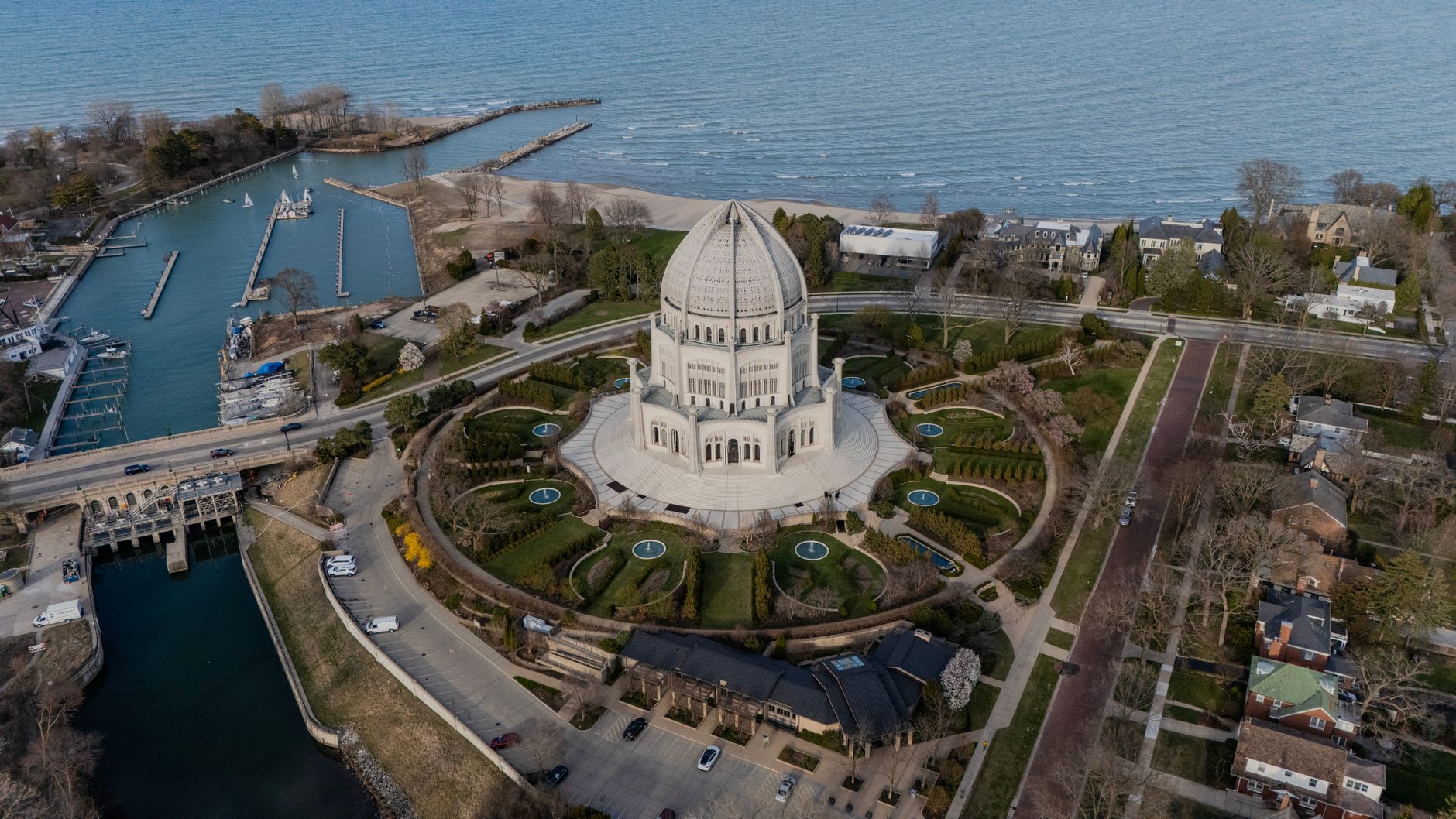
Michigan offers several excellent retirement destinations, with Traverse City, Ann Arbor, and the Lake Michigan shoreline communities standing out as top choices. The state’s appeal for retirees stems from a combination of factors: relatively affordable housing compared to other Great Lakes states, no state income tax on Social Security benefits, world-class healthcare infrastructure, and abundant outdoor recreation. Traverse City, for example, has emerged as a particularly popular retirement hub, attracting retirees with its thriving downtown, cultural amenities, medical facilities, and proximity to both beaches and wine country—though retirees should expect Michigan’s harsh winters as a significant tradeoff.
The cost of living in Michigan’s best retirement communities remains reasonable, with median home prices in desirable areas ranging from $200,000 to $400,000 depending on location and proximity to water. Unlike Florida or Arizona, Michigan offers genuine seasonal change, lower property taxes than surrounding states, and a stable healthcare ecosystem anchored by major medical centers. However, the climate is not for everyone—Michigan experiences long, cold winters with significant snowfall, which can present challenges for retirees with mobility issues or those accustomed to warmer climates.
Table of Contents
- What Makes a Michigan Retirement Community Attractive to Retirees?
- Regional Variations—Which Part of Michigan Suits Different Retirees?
- Healthcare Access and Medical Considerations for Michigan Retirees
- Cost of Living and Housing Markets Across Michigan Retirement Destinations
- Winter Weather and Seasonal Challenges for Michigan Retirees
- Cultural and Social Engagement in Michigan Retirement Communities
- The Future of Michigan Retirement Communities and Emerging Trends
- Conclusion
- Frequently Asked Questions
What Makes a Michigan Retirement Community Attractive to Retirees?
Michigan’s appeal to retirees centers on three primary factors: favorable tax treatment, reasonable living costs, and quality-of-life amenities. The state does not tax social Security income or military pensions, which can result in meaningful savings for many retirees. A retiree receiving $30,000 annually in Social Security would pay zero state income tax in Michigan, whereas that same income would incur state income tax in states like Illinois or Pennsylvania. Additionally, Michigan’s property tax rate averages around 1.6% of home value, which is lower than the national average and substantially lower than northeastern states.
Beyond financial advantages, Michigan’s best retirement communities offer strong healthcare infrastructure, vibrant cultural scenes, and easy access to nature. Communities like Ann Arbor host two major universities, creating a culture of intellectual engagement, events, and medical excellence through the University of Michigan Health System. The state’s Great Lakes provide natural beauty and recreational opportunities, while smaller cities maintain walkable downtown cores with restaurants, shops, and services—features often missing in sprawling retirement communities in other states. However, prospective retirees should factor in the cost of heating bills during winter months, which can run $1,500 to $2,500 annually in northern Michigan.

Regional Variations—Which Part of Michigan Suits Different Retirees?
Michigan’s geography divides the state into distinct regions, each offering different advantages and tradeoffs for retirees. Northern Michigan, including communities like Traverse City and Petoskey, offers stunning natural scenery, Lake Michigan access, and a thriving arts and wine culture, but these areas experience severe winters with 200+ inches of annual snowfall in some locations and have limited healthcare infrastructure compared to larger cities. Southern Michigan, particularly areas around Ann Arbor and Kalamazoo, provides urban amenities, excellent medical centers, and cultural institutions, but median home prices are higher and winters, while slightly milder than the north, still average 40-50 inches of snow annually.
The Lake Michigan shoreline presents a different calculus—communities like Harbor Springs, Frankfort, and South Haven offer waterfront living and tourist-driven economies that create vibrant summers and cultural events. Yet these same communities experience dramatic seasonal population swings, can feel isolated during winter months, and waterfront property commands premium prices that may not suit moderate-budget retirees. A waterfront home in Harbor Springs might cost $500,000 to $800,000, whereas similar square footage just three miles inland costs 30-40% less. Central Michigan communities like Midland offer a middle ground with reasonable costs, moderate winters, and growing healthcare services, though they lack the cultural draw of Ann Arbor or the natural beauty of Traverse City.
Healthcare Access and Medical Considerations for Michigan Retirees
Healthcare quality is paramount for retirees, and Michigan’s major population centers provide world-class medical facilities. The University of Michigan Health System in Ann Arbor consistently ranks among the top medical centers in the nation and attracts specialists across all disciplines. Beaumont Hospital in Royal Oak and Henry Ford Health System in Detroit provide comparable excellence for the southeast region. However, retirees in northern Michigan face significant limitations—Traverse City Regional Medical Center serves the region but cannot match the specialized capabilities of Ann Arbor or Detroit, and serious cardiac cases or complex surgeries often require travel of 200+ miles.
A specific example illustrates this limitation: a 72-year-old retiree requiring a rare orthopedic procedure would have access to specialists at the University of Michigan, whereas the same procedure might require travel to Detroit or even out of state if attempting care in Petoskey. This healthcare geography consideration should weigh heavily in retirement location decisions, particularly for retirees with existing health conditions. Medicare coverage applies across Michigan equally, but the quality and availability of specialists varies dramatically between regions. Rural areas of northern Michigan have experienced physician shortages in recent years, with many primary care positions remaining unfilled, creating months-long wait times for new patient appointments.
Cost of Living and Housing Markets Across Michigan Retirement Destinations
Michigan’s housing affordability is one of its primary advantages for retirees on fixed incomes, though costs vary substantially by region and proximity to amenities. In 2024, median home prices in Kalamazoo hover around $185,000, while comparable properties in Ann Arbor average $310,000 due to the university’s presence and stronger job market. Traverse City, despite its popularity, maintains median prices around $275,000, while rural northern Michigan offers homes for $150,000 to $200,000. These prices represent 40-60% discounts compared to coastal retirement destinations in Florida or California.
Rental options exist but are surprisingly limited in smaller Michigan communities. Traverse City has experienced rental shortages as seasonal tourism has driven investor interest, pushing monthly rents for two-bedroom apartments from $900 five years ago to $1,200-$1,400 currently. By comparison, renting in Kalamazoo averages $800-$1,000 monthly, and rural areas offer even lower costs. Property taxes add another consideration—a $250,000 home in Michigan incurs roughly $4,000 in annual property taxes, while utilities, groceries, and healthcare costs remain close to national averages. The tradeoff many retirees face is between choosing lower-cost rural areas with limited services versus paying more for proximity to healthcare, dining, and cultural amenities.
Winter Weather and Seasonal Challenges for Michigan Retirees
Michigan’s climate represents the single largest adjustment for retirees relocating from warmer states. The state receives an average of 88 inches of snow annually, with northern Michigan receiving 150-200 inches in some locations due to lake-effect snowfall from Lake Michigan and Lake Superior. This snowfall creates significant maintenance demands—roof shoveling, driveway clearing, and sidewalk maintenance become necessary either through personal effort or paid services. Hiring a snow removal service costs $100-$150 per visit or $500-$1,500 for seasonal contracts, a recurring expense that most Arizona or Florida retirees never face. Beyond snow, Michigan winters create vehicle maintenance challenges and driving hazards that demand careful management.
Retirees must invest in quality snow tires, maintain battery health for cold-weather starting, and develop winter driving skills or reduce vehicle dependence. Road salt accelerates vehicle corrosion, requiring more frequent undercarriage washing and attention to rust prevention. Additionally, seasonal affective disorder (SAD) affects a meaningful percentage of winter residents, particularly in northern Michigan where winter daylight averages only seven to eight hours. Mental health professionals report increased depression and anxiety during winter months among retirees unaccustomed to these conditions. For retirees with mobility challenges or those experiencing balance problems, winter conditions present genuine safety hazards—slip-and-fall injuries increase dramatically during icy periods, and emergency response times can extend in rural areas during severe weather.

Cultural and Social Engagement in Michigan Retirement Communities
Successful retirement depends not only on financial and healthcare security but also on social engagement and cultural opportunities. Traverse City hosts the National Cherry Festival annually, draws renowned performers to its Traverse City Film Festival, and maintains a robust arts scene with galleries and theaters throughout downtown. Ann Arbor’s cultural calendar exceeds most comparable cities—the University of Michigan hosts theater, music, and athletics events constantly, while the surrounding community supports independent bookstores, restaurants, and entertainment venues. Smaller communities like Frankfort and Saugatuck have developed strong artistic communities, attracting retirees interested in creative pursuits.
📨 Get Free Medicare Guides Alerts
Free · No spam · Unsubscribe anytime
Social integration presents more variation than cultural amenities. Communities with university anchors tend to be more transient and less family-oriented, which can make social networking easier for retirees seeking diverse peer groups but potentially more challenging for those seeking long-term community roots. Smaller lake communities sometimes present cliques based on generational waves of settlement, where newer arrivals may face a period of integration before gaining full community acceptance. Retiree-focused communities are limited in Michigan compared to other states—there are no major active-adult communities comparable to Hilton Head or The Villages in Florida, which means retirees in Michigan must build social networks through churches, clubs, volunteer organizations, and neighborhood connections.
The Future of Michigan Retirement Communities and Emerging Trends
Michigan’s retirement landscape is evolving in response to both demographic shifts and economic changes. Younger retirees (ages 55-70) are increasingly choosing Michigan communities over traditional Florida destinations, driven partly by climate change concerns about sea-level rise and hurricane risk, and partly by the appeal of four-season living. Tech-influenced communities are beginning to develop around Ann Arbor and Grand Rapids, attracting remote workers and younger retirees who combine work and retirement rather than stopping work abruptly. This is changing the character of communities that previously attracted older, fixed-income populations.
Housing development is accelerating in northern Michigan, particularly around Traverse City, which has seen significant new construction of both single-family homes and age-restricted communities in recent years. Prices have risen accordingly—Traverse City has evolved from an affordable retirement destination to a moderately expensive one, though still significantly cheaper than comparable coastal communities. The long-term sustainability of Michigan’s appeal depends partly on the state’s ability to address healthcare workforce shortages in rural areas and to maintain affordable housing as tourism-driven development continues. Retirees considering Michigan should view the current window as relatively favorable in terms of affordability, with the clear understanding that rapid price appreciation may be underway in popular communities.
Conclusion
Michigan represents a legitimate alternative to traditional retirement destinations, offering no Social Security tax, moderate housing costs, quality healthcare in urban areas, and genuine four-season living with abundant outdoor recreation. The best communities—Traverse City for cultural amenities and natural beauty, Ann Arbor for healthcare and intellectual engagement, and smaller lake towns for peaceful living—each serve different retirement preferences and budgets. Retirees considering Michigan should honestly assess their winter tolerance, healthcare needs, and social engagement preferences before relocating, as the long winters and seasonal climate represent genuine adjustments that no amount of cultural amenities can overcome for those who truly prefer warm weather. The decision to retire in Michigan ultimately depends on matching personal priorities with community characteristics.
Retirees with extensive healthcare needs should prioritize proximity to major medical centers, making Ann Arbor or southeastern Michigan more suitable than northern options. Those seeking cultural engagement and social vitality should consider university towns or established artistic communities. And those with limited budgets and high weather tolerance can find excellent value in smaller communities throughout the state. Before selecting a Michigan retirement community, prospective retirees should plan a multi-week visit during winter months to experience actual weather conditions rather than relying on summer visits, and should meet with healthcare providers and social organizations to assess whether a community genuinely aligns with their retirement vision.
Frequently Asked Questions
Does Michigan tax retirement income?
Michigan does not tax Social Security benefits or military pensions, which provides significant tax savings for many retirees. However, the state does tax other retirement income sources including 401(k) distributions, IRA withdrawals, and pension income from civilian employment. This makes Michigan particularly attractive for retirees whose primary income comes from Social Security.
What is the cost of living for retirees in Michigan?
Median home prices range from $150,000 in rural areas to $310,000 in Ann Arbor, with property taxes averaging 1.6% of home value. Monthly living expenses for a single retiree average $2,000-$2,500 outside of major cities, including utilities, groceries, healthcare, and entertainment. Northern winters add seasonal heating costs of $1,500-$2,500 annually.
Which Michigan city is best for healthcare access?
Ann Arbor offers the most comprehensive healthcare through the University of Michigan Health System, consistently ranked among the nation’s top medical centers. For southeastern Michigan retirees, Henry Ford Health System and Beaumont Hospital provide comparable excellence. Northern Michigan communities have more limited specialist availability and longer travel distances for complex medical procedures.
How severe are Michigan winters, and what should retirees expect?
Michigan averages 88 inches of annual snowfall statewide, with northern regions receiving 150-200 inches. Winters run from November through March, with daily highs averaging 25-35°F. Retirees should expect snow removal costs, vehicle maintenance challenges, increased heating bills, and reduced daylight hours (7-8 hours in winter). Those with mobility issues or those relocating from warm climates face genuine adjustment challenges.
Are there age-restricted retirement communities in Michigan?
Michigan has limited age-restricted communities compared to Florida or Arizona, so retirees should expect to integrate into mixed-age neighborhoods. Some developments are beginning in northern Michigan around Traverse City, but the traditional active-adult community model is not established in Michigan. Social engagement typically occurs through churches, clubs, volunteer organizations, and neighborhood networks.
How quickly is the retirement market in Michigan changing?
Popular communities like Traverse City are experiencing rapid price appreciation and development, with home prices increasing 15-20% in recent years. Smaller communities remain more stable. Retirees considering Michigan should view current affordability as a window that may narrow as migration from other states continues, particularly if climate concerns drive retirees away from Florida and coastal areas.