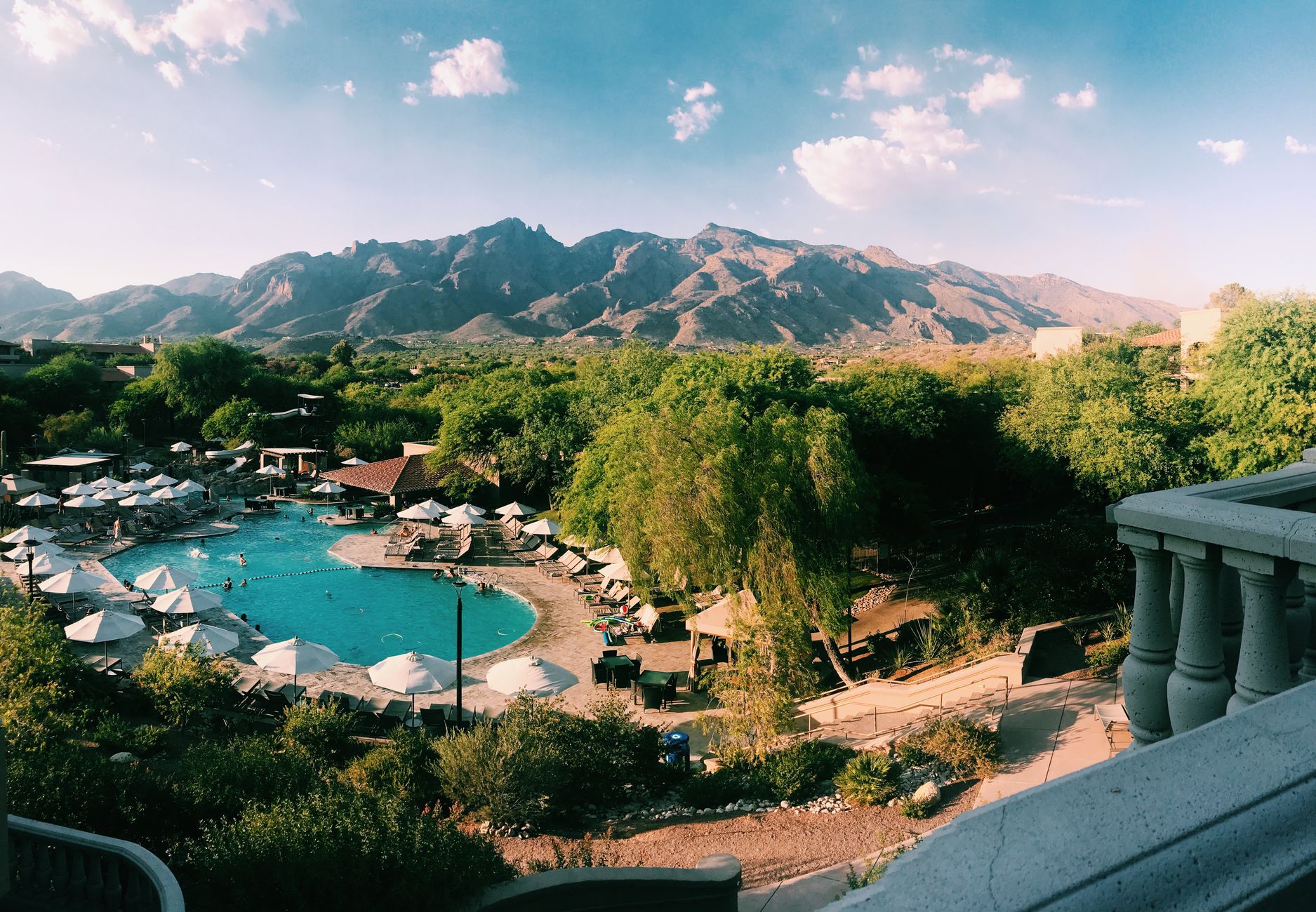
Arizona presents a mixed picture for retirees, with significant financial advantages offset by environmental and affordability challenges that deserve careful consideration. The state’s lack of income tax stands out as a major draw for retirees living on fixed incomes, potentially saving thousands annually for someone in the upper tax brackets—a couple relocating from California or New York might keep an extra $8,000 to $15,000 per year simply by establishing Arizona residency. However, this tax benefit masks rising property taxes, extreme summer heat that limits outdoor activity for half the year, and increasing housing costs in desirable retirement communities like Scottsdale and Sun City, where median home prices have climbed 40% over the past five years.
The real decision comes down to whether Arizona’s financial perks outweigh the trade-offs specific to your health, lifestyle, and where exactly in the state you’d live. A retiree with arthritis might find the dry climate and warm winters therapeutic, while someone with respiratory issues could struggle with dust storms and low humidity. Your budget matters too: a retired couple with $60,000 in annual income will experience Arizona very differently than one with $150,000, and the suburban sprawl of Phoenix presents different challenges than the mountain communities around Flagstaff.
Table of Contents
- Does Arizona’s Tax Advantage Really Benefit Retirees?
- The Cost of Living in Arizona’s Most Popular Retirement Areas
- Climate, Health, and Daily Life in Arizona
- Healthcare Access and Costs for Older Adults
- Water Scarcity and Long-Term Environmental Concerns
- Social Life, Communities, and Retiree Networks
- Visas, Housing Rules, and Long-Term Stability
- Conclusion
Does Arizona’s Tax Advantage Really Benefit Retirees?
Arizona has no state income tax, making it one of the most tax-friendly states for retirees who live primarily on pensions, social Security, or investment withdrawals. For someone with $75,000 in annual retirement income from pensions and investments, this means avoiding a state income tax bill that would run $3,000 to $4,500 in states like Colorado or North Carolina. This advantage extends to Social Security benefits, which remain fully taxable in a handful of states but are completely untaxed in Arizona, providing substantial relief for retirees counting on this income stream.
The tax picture gets complicated when you factor in property taxes, which have risen steadily across Arizona. The state imposes a property tax rate of approximately 0.6% of assessed property value, which sounds low but adds up in expensive markets. A $400,000 home in Phoenix carries annual property taxes around $2,400, while the same home in lower-cost areas like Sierra Vista runs closer to $1,800. You also face sales tax rates between 7.5% and 10% depending on location—higher than the national average—which erodes some of the income tax savings, especially if you spend heavily on goods and services.

The Cost of Living in Arizona’s Most Popular Retirement Areas
Arizona’s overall cost of living ranks in the middle nationally, but this average masks dramatic variations between regions and a troubling trend of rising costs in the places where retirees actually want to live. Tucson remains genuinely affordable, with a retired couple managing comfortably on $50,000 annually, but Sun City West, Scottsdale, and the wealthy areas of Phoenix have become expensive alternatives to California, with some homes pushing $600,000 and modest condos starting at $350,000. Grocery and utility costs track slightly below the national average, but healthcare costs run higher than many states, and if you need assisted living or memory care, Arizona’s prices rank among the nation’s highest, sometimes exceeding California’s. One significant limitation: Arizona’s affordability advantage has narrowed sharply since 2018.
Many retirees and remote workers relocated to Arizona seeking cheap housing, which drove prices up in the most desirable areas. This means the $300,000 home purchase you planned five years ago now costs $420,000 in the same neighborhood. If you’re relocating on a fixed income, this price inflation matters—your retirement savings don’t stretch as far as they did even three years ago. Smaller towns like Payson or Cottonwood offer lower costs but also less access to specialized healthcare and fewer cultural amenities, forcing a real trade-off between affordability and lifestyle.
Climate, Health, and Daily Life in Arizona
Arizona’s warm winters are genuinely therapeutic for people with arthritis, seasonal depression, or an aversion to snow and ice. From November through March, temperatures hover in the 60s and 70s in Phoenix, and many retirees spend this period outdoors golfing, hiking, or simply sitting on patios without heavy coats. For someone fleeing the gray winters of the Midwest or Northeast, this climate shift improves both physical health and mood. The state’s 300+ days of sunshine annually exceed most regions, and the low humidity in many areas helps people with certain respiratory conditions. The summer heat, however, deserves serious weight in your decision.
Phoenix regularly reaches 115°F from july through September, and the inside of a parked car can hit 180°F in minutes. This heat isn’t abstract—it’s a safety issue that confines many retirees indoors during peak summer, requiring careful planning for outdoor activities. Air conditioning costs rise sharply, and hospital admissions for heat-related illness spike among seniors over 65. Additionally, Arizona’s low humidity causes rapid dehydration, skin dryness, and can aggravate certain respiratory conditions like asthma and COPD. A retiree with mobility issues or limited resources for handling summer heat may find Arizona unexpectedly constraining half the year.

Healthcare Access and Costs for Older Adults
Arizona has solidified its reputation as a destination for healthcare, with major medical centers in Phoenix (Mayo Clinic, Banner Health, HonorHealth) and Tucson (University of Arizona Medical Center) offering world-class care. Specialists are readily available, and wait times for appointments are often shorter than in less-populated states. However, this quality comes with a price: Medicare Advantage plans in Arizona have grown more expensive, with some supplemental plans costing $200-$300 monthly, and out-of-pocket costs for those on traditional Medicare run higher than the national average. Long-term care costs are particularly steep—assisted living runs $4,500-$6,500 monthly in Phoenix, and memory care can exceed $7,000, compared to $3,500-$4,500 in the Midwest.
A critical limitation: Arizona’s aging population means demand for healthcare services outpaces supply in some specialties, particularly geriatric care and behavioral health. Rural parts of Arizona face severe shortages of primary care doctors, and some retirees in communities like Yuma or the White Mountains find themselves traveling 60+ miles for basic medical services. If you have specific healthcare needs—dialysis, cancer treatment, or cognitive decline—confirm that your location of choice has the appropriate facilities before relocating. Telehealth can bridge some gaps, but it’s not a substitute for hands-on specialist care that older adults sometimes require.
📨 Get Free Medicare Guides Alerts
Free · No spam · Unsubscribe anytime
Water Scarcity and Long-Term Environmental Concerns
Arizona’s water supply represents a genuine long-term concern that rarely makes it into retirement relocation guides. The state depends on the Colorado River for approximately 80% of its water, and drought conditions combined with rising demand from neighboring states have created a structural water shortage. Lake Mead and Lake Powell, the two largest reservoirs, have dropped to historic lows, and the Colorado River Compact, which governs water distribution, is under strain. Retirees should understand that water restrictions could intensify, affecting irrigation-dependent communities and raising questions about long-term sustainability for the heavily watered landscaping common in Phoenix suburbs.
This concern isn’t purely theoretical. Communities in Arizona have already implemented water restrictions limiting lawn irrigation to specific days, and some builders have shifted toward xeriscape landscaping to reduce demand. For retirees relocating to water-intensive communities like Scottsdale or Sun City, these restrictions could affect your ability to maintain the desert landscaping and golf courses that make these areas appealing. Additionally, as water becomes scarcer and more expensive, utility costs could rise more steeply than they have in other states. Some financial advisors recommend against buying in heavily developed desert communities on water scarcity grounds alone, viewing it as a long-term risk to property values and quality of life.

Social Life, Communities, and Retiree Networks
Arizona hosts some of the nation’s most established active adult communities, where 55+ living is the norm and social calendars fill quickly. Sun City, with over 38,000 residents, offers clubhouses, golf courses, restaurants, and organized activities built into the community structure. Scottsdale, Chandler, and Tucson support robust retiree populations with cultural institutions, hiking groups, volunteer opportunities, and lifelong learning programs through community colleges.
For extroverts and those seeking immediate social connection, these areas deliver in ways that many other retirement destinations cannot. However, the flip side exists: many of these mega-communities feel like age-segregated bubbles, with limited intergenerational contact and social structures that can feel isolating if you’re not into golf or bridge. Smaller Arizona towns like Jerome or Bisbee attract retirees seeking artsy, alternative communities, but they lack the medical infrastructure and social programming of larger areas. The choice between a sprawling active adult community and a smaller, more diverse town involves real trade-offs in social connection, convenience, and access to services that matter differently depending on your personality and needs.
Visas, Housing Rules, and Long-Term Stability
If you’re considering an extended move to Arizona rather than full-time relocation, understand the residency requirements for tax purposes. Arizona considers you a resident if you spend more than 183 days in the state during a calendar year, or if you have a permanent home there and spend any part of the year in Arizona—the rule is complex enough to warrant consultation with a tax professional. For snowbirds splitting time between Arizona and another state, this distinction matters because it affects which state can tax your income and claim you as a resident. Some retirees have faced audits or legal disputes with their previous state of residence over residency claims, so documenting your Arizona residency carefully is worth the effort.
Housing stability in Arizona also depends on whether you own or rent and how you purchase property. Buying is straightforward, but rental properties in Arizona increasingly impose age restrictions (55+) or other limitations, and rental costs have climbed significantly, making long-term rental retirement less viable for many. Property values in desirable areas continue appreciating, which benefits current owners but makes entry increasingly expensive for new retirees. As mentioned earlier, the rapid price appreciation over the past five years means that Arizona’s affordability advantage exists mainly for those buying at current inflated prices or renting (which erodes the financial benefit of relocation).
Conclusion
Arizona offers genuine advantages for retirement: meaningful tax savings, warm winters that ease joint pain and seasonal depression, and robust communities built specifically for active older adults. The state’s healthcare infrastructure, diversity of landscapes (from desert to mountain), and strong retiree networks create a compelling case, particularly for people prioritizing financial efficiency and warm-weather living. For someone with joint pain, aversion to snow, or substantial retirement income subject to state taxes, Arizona can be an excellent choice.
The decision should weigh these benefits against the specific trade-offs: extreme summer heat that confines activity, rising housing costs that have narrowed the affordability gap, long-term water sustainability questions, and higher healthcare costs in desirable areas. Before committing to relocation, spend several weeks in your target Arizona community during both mild winters and brutal summers, confirm access to the healthcare services you’ll need, and run detailed financial projections comparing taxes, housing, and utilities against your current location. Arizona works beautifully for some retirees and frustrates others—success depends on matching the state’s genuine strengths with your own non-negotiable priorities.
You Might Also Like
- Retirement in Texas Pros and Cons
- Retirement in Pennsylvania Pros and Cons
- Retirement in Ohio Pros and Cons