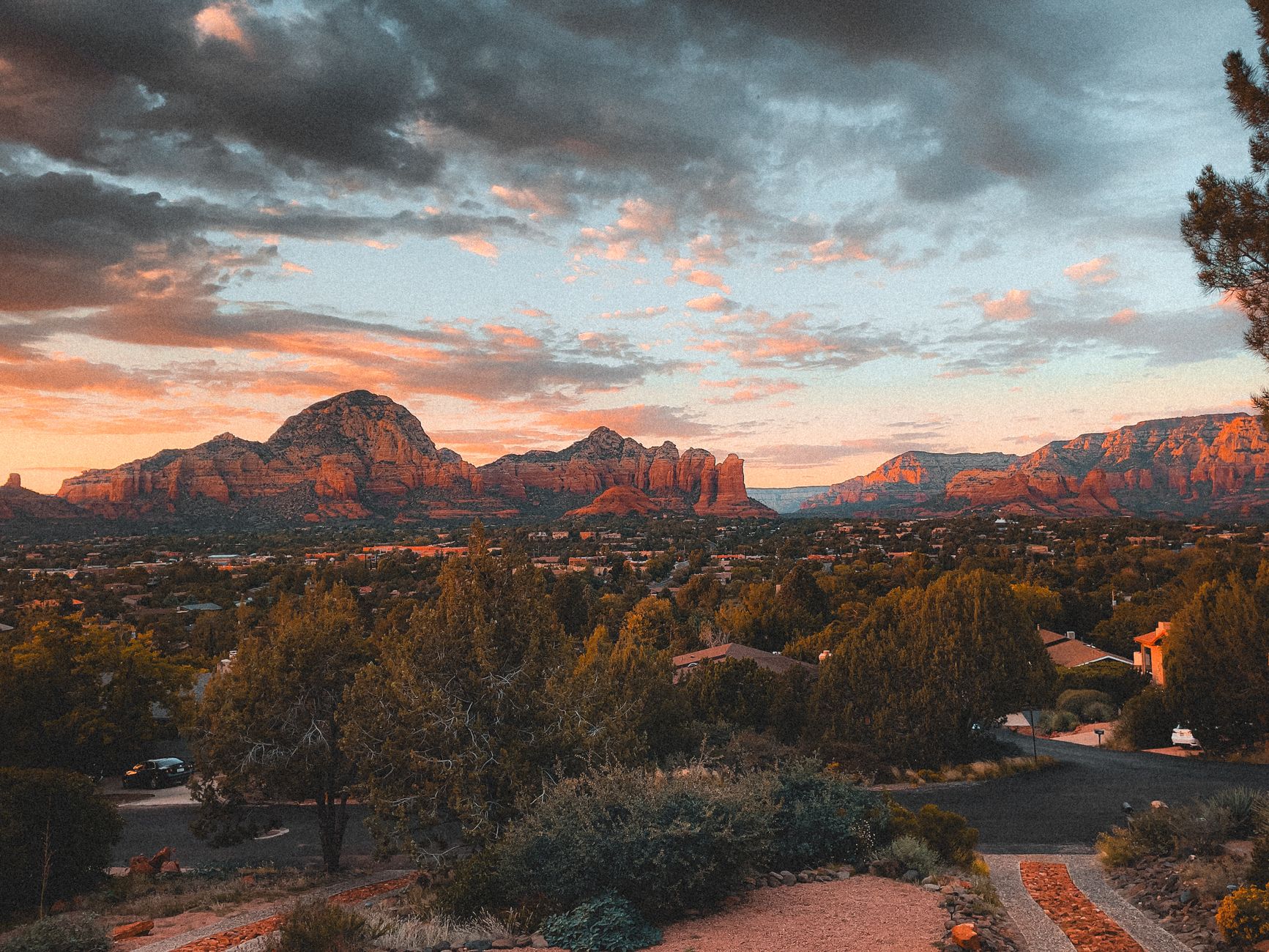
Arizona’s best retirement destinations include Scottsdale, Sun City, Tucson, Sedona, and Green Valley, each offering distinct advantages depending on your lifestyle, budget, and healthcare needs. Scottsdale, in the Phoenix metropolitan area, attracts affluent retirees with year-round golf, upscale dining, and proximity to world-class medical centers, though median home prices exceed $600,000. For retirees on moderate pensions, Sun City offers a more affordable alternative with planned communities designed specifically for active seniors, where homes typically range from $300,000 to $400,000 and include access to multiple recreation centers, golf courses, and organized social programs.
Arizona’s retirement appeal stems from three core factors: no state income tax on Social Security benefits, a warm winter climate that eliminates heating costs and seasonal relocation, and a well-established network of age-restricted communities with built-in social infrastructure. However, the desert environment demands serious consideration—summer temperatures routinely exceed 110 degrees, air conditioning costs spike from June through September, and the intense sun requires constant skin protection and home maintenance. The state has become increasingly expensive in desirable retirement towns, with property appreciation outpacing many retirees’ fixed incomes.
Table of Contents
- What Makes Arizona an Attractive Retirement State?
- The Arizona Heat Factor and Its Real Costs
- The Best Specific Arizona Retirement Towns
- Healthcare Access and Medical Considerations for Retirees
- Property Taxes, HOA Fees, and Hidden Retirement Costs
- The Active Retirement Lifestyle—Golf, Outdoor Activities, and Social Programs
- Arizona’s Retirement Landscape Looking Forward
- Conclusion
- Frequently Asked Questions
What Makes Arizona an Attractive Retirement State?
Arizona’s financial advantage for retirees is substantial but requires understanding the specifics. The state exempts social Security, Railroad retirement, and most pension income from state income tax, a significant benefit compared to states like California or New York that tax pensions heavily. A retiree receiving $30,000 annually in Social Security plus $20,000 in pension income would owe zero state income tax in Arizona, whereas the same income would generate $3,000 to $5,000 in taxes in high-tax states.
Additionally, Arizona’s property tax rates are moderate at approximately 0.62% of assessed home value, lower than the national average of 0.84%. The healthcare infrastructure in Arizona is robust, particularly in the Phoenix area, where Mayo Clinic Arizona operates major facilities and Banner Health operates dozens of hospitals and urgent care centers. Rural areas like Green Valley south of Tucson have smaller hospitals but reliable access to specialists in Tucson, 30 miles away. However, retirees should verify that their preferred doctors and specialists accept Medicare and participate in their chosen Medicare Advantage or Medigap plans, as some rural retirement communities have limited provider networks and may require 30+ mile drives for certain specialties.

The Arizona Heat Factor and Its Real Costs
The desert heat is not a minor inconvenience—it’s a significant lifestyle and financial factor that many prospective retirees underestimate. Phoenix and Scottsdale experience temperatures above 95 degrees from May through October, with peak summer months regularly reaching 115 to 120 degrees. Air conditioning bills in summer months often reach $200 to $400 per month, and mandatory cooling during June through September adds $2,400 to $4,800 annually to your living expenses compared to cooler climates.
Tucson and areas near Flagstaff at higher elevations have slightly more moderate summers, with Flagstaff reaching only 85 degrees in July, but these areas experience cold winters unsuitable for retirees seeking year-round warmth. The heat also accelerates home maintenance costs: exterior paint fades within five to seven years instead of ten; HVAC systems require replacement every 10 to 12 years instead of 15 to 20; and pool maintenance becomes necessary to prevent algae growth during the scorching months, adding $100 to $200 monthly. Outdoor activities like golf, hiking, and dining are primarily spring (October-April) pursuits, limiting the active lifestyle Arizona advertises during summer months when temperatures make outdoor exposure dangerous. A significant warning: heat-related medical emergencies increase sharply among retirees, particularly those with cardiovascular conditions, during June through August.
The Best Specific Arizona Retirement Towns
Scottsdale represents Arizona’s premium retirement market, built on golf, luxury dining, and world-class medical access via Mayo Clinic Arizona. The community attracts wealthy retirees seeking cultural amenities, with art galleries, world-class restaurants, and upscale shopping concentrated in Old Scottsdale and Kierland Commons. Home prices start at $600,000 for modest two-bedroom condos and reach $2 million-plus for golf course properties. Healthcare is exceptional—Mayo Clinic is minutes away—but the cost of living rivals major metropolitan areas on the coasts. Sun City, developed by Del Webb starting in 1960, pioneered the age-restricted retirement community model with 38,000 residents, eight golf courses, and dozens of clubs organized by hobby and interest.
Homes range from $250,000 for resale condos to $450,000 for newer construction, and mandatory community fees ($200-$350 monthly) cover recreation center operations, security, and landscaping. The built-in social structure is appealing for retirees seeking community, but the mandatory fees and age-restricted environment (adults must be 55+) limit flexibility. Sun City has aged, and some residents report declining home values and deferred maintenance on common areas. Green Valley, 30 miles south of Tucson, offers a quieter alternative with a small-town feel, moderate home prices ($200,000-$350,000), and proximity to Tucson’s healthcare and cultural resources. The community attracts budget-conscious retirees and outdoor enthusiasts interested in hiking, golfing, and desert exploration. The downside: Tucson’s medical specialties are 30-40 minutes away, and Green Valley’s local amenities are limited compared to Phoenix-area communities.
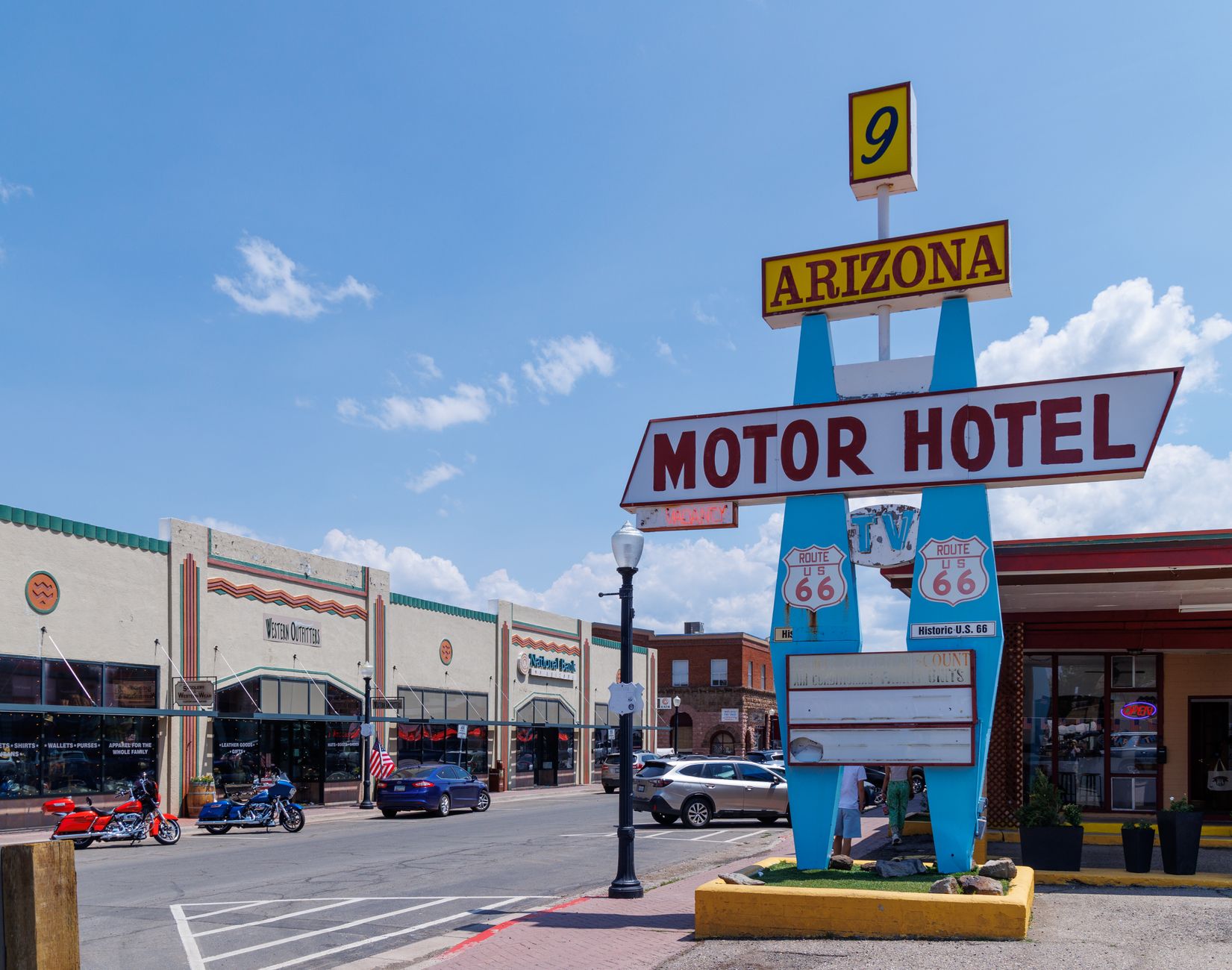
Healthcare Access and Medical Considerations for Retirees
Arizona’s healthcare landscape varies dramatically by location. Phoenix and Scottsdale offer world-class facilities—Mayo Clinic Arizona, Banner University Medical Center, and Arizona Heart Institute—with specialists in virtually every field. Retirees in these areas rarely face delays for surgical procedures or specialist appointments. Tucson, with University of Arizona Medical Center and Banner facilities, provides solid secondary-level care but fewer transplant, complex surgery, and specialized treatment options. Rural retirement communities like Green Valley and Cottonwood must accept longer travel times for complex cases—a retiree requiring open-heart surgery in Green Valley may need to arrange transportation to Phoenix, 120+ miles away.
Medicare coverage in Arizona is comprehensive, but Medicare Advantage plans vary by location. Phoenix-area retirees have 50+ Medicare Advantage options with $0 premiums; Green Valley residents have 8 to 12 options. Specialists often charge higher out-of-pocket costs in rural areas due to limited competition. A practical consideration: retirees considering Arizona should verify their specific health conditions and required specialists are well-represented in their target town before relocating. A retiree requiring ongoing cancer treatment, for instance, should confirm oncology services are available locally or within 30 miles, as multi-week treatment regimens make long-distance care impractical.
Property Taxes, HOA Fees, and Hidden Retirement Costs
Arizona’s property tax rate appears attractive at 0.62% statewide, but assessed values have climbed steeply in desirable retirement communities. A $400,000 home in Sun City generates approximately $2,480 annually in property taxes, but add the mandatory HOA fees of $250-$350 monthly ($3,000-$4,200 annually), resulting in total property costs of $5,480-$6,680 per year before insurance and maintenance. Age-restricted communities like Sun City, Ironwood, and Robson Ranch impose these HOA fees to maintain community amenities, but the charges increase 3-5% annually. Retirees on fixed pensions should model these increases over a 20-year retirement window—what costs $3,000 today may cost $6,000 in 15 years.
A significant warning: Arizona has experienced rapid appreciation in retirement community home prices over the past decade, which is positive for equity but problematic for purchase timing. A home that cost $250,000 in 2015 in Sun City now costs $320,000-$340,000, pricing out middle-income retirees. Additionally, some older Sun City properties face declining values in certain neighborhoods due to aging infrastructure, deferred maintenance on common areas, and perception that newer communities like Trilogy and Del Webb communities offer better amenities. Retirees should hire independent home inspectors and request 10 years of HOA financial statements before purchasing in older planned communities.

The Active Retirement Lifestyle—Golf, Outdoor Activities, and Social Programs
Arizona’s retirement communities thrive on organized activities—golf courses are ubiquitous, with Sun City maintaining eight championship courses and smaller communities offering daily play at public courses within 10 miles. Golf enthusiasts retire to Arizona specifically for this access, though green fees range from $35 to $150 per round, and memberships at private clubs cost $5,000 to $15,000 initiation plus $200-$500 monthly dues.
📨 Get Free Medicare Guides Alerts
Free · No spam · Unsubscribe anytime
Beyond golf, hiking is exceptional during cooler months—Sedona’s Red Rock Country offers hundreds of trails within 30 miles, and the Phoenix-area foothills have endless options from November through April. Sun City and similar communities organize hundreds of clubs—card clubs, art classes, woodworking shops, book clubs, and travel groups—creating a built-in social structure particularly valuable for recently widowed retirees or those relocating far from family. This social infrastructure is one of planned community’s greatest strengths, but it requires personality fit; some retirees find the structured environment stifling, while others thrive in the activity-rich environment.
Arizona’s Retirement Landscape Looking Forward
Arizona’s retirement market is evolving. The state is attracting younger retirees (ages 55-65) and active boomers interested in lifestyle communities rather than traditional quiet retirement, driving development of mixed-use communities with luxury amenities, rental options, and flexible age restrictions.
Simultaneously, older Sun City residents are aging in place, and some neighborhoods face demographic skew toward very elderly residents (average age 80+), which can shift community culture toward healthcare and less toward active recreation. Climate migration patterns suggest Arizona’s appeal will remain strong through 2030-2040, though extreme heat events (temperatures exceeding 125 degrees) are increasing. Retirees should monitor long-term climate forecasts for their specific target town and consider how intensifying heat and water scarcity might affect home values, cooling costs, and quality of life in subsequent decades.
Conclusion
Arizona offers compelling retirement destinations for retirees prioritizing tax benefits, warm winters, and established community infrastructure. Scottsdale and Phoenix area communities provide medical excellence and cultural amenities at premium prices; Sun City and planned communities offer structured social environments at moderate costs; and smaller towns like Green Valley provide quiet, affordable living for budget-conscious retirees. Each destination serves different retirement profiles, and the “best” choice depends entirely on your health status, budget, social preferences, and ability to handle intense desert heat.
Before relocating to Arizona, spend at least two months in your target town during summer months (July-August) to understand the heat reality, test healthcare access, and evaluate community fit. Rent before buying, connect with local retirees in online forums and Facebook groups, and verify that your essential medical specialists and social networks exist in your target area. Arizona can be an exceptional retirement choice, but it requires informed decision-making rather than romantic assumptions about desert sunsets and perpetual golf season.
Frequently Asked Questions
Does Arizona have state income tax on retirement income?
Arizona exempts Social Security and most pension income from state income tax, a significant advantage. However, income from part-time work, rental properties, and some investment dividends is taxable. Retirees should consult a CPA to verify their specific income streams.
What is the cost of living in Arizona retirement communities compared to other states?
Arizona retirement communities are mid-range nationally. Sun City home prices ($300,000-$400,000) are lower than Florida’s The Villages ($400,000-$600,000) but higher than rural retirement communities in the South. Property taxes and HOA fees are moderate, but air conditioning costs are higher than cooler-climate states.
How do I know if I can handle the Arizona heat?
Rent for two months during summer (July-August) in your target town. Experience the 115+ degree temperatures, evaluate air conditioning costs, and assess whether you can comfortably spend summers indoors or whether you’ll relocate seasonally. Many retirees find summer heat unbearable despite enjoying spring and fall.
Are Arizona retirement communities age-restricted, and does that matter?
Many planned communities like Sun City require residents to be 55 or older, which maintains age-similar communities but limits flexibility if younger family members want to live with you. Age-restricted communities also cannot be inherited by younger heirs—the property must be sold to someone meeting age requirements.
How far are Arizona retirement communities from quality healthcare?
Phoenix and Scottsdale have world-class medical facilities minutes away. Tucson offers solid secondary care with major medical centers. Rural communities like Green Valley require 30-40 mile drives for specialists. Verify your specific healthcare needs (specialists, hospital proximity) match your target town before relocating.
What happens if I move to Arizona and decide it’s not for me?
Resale markets are active in established communities, though selling may take 60-120 days depending on market conditions and property condition. Rental markets are also strong—many retirees rent initial properties for a year before committing to purchase. However, if you own in an older community with declining values, selling at a loss is a real possibility.