
Retiring in Washington State presents a mixed picture that depends heavily on your income sources, health status, and lifestyle expectations. Washington’s lack of state income tax is a genuine financial advantage for retirees, potentially saving someone who earned $100,000 annually roughly $5,000-$7,000 per year compared to neighboring Oregon or California. However, this tax benefit can be offset by higher property taxes, rising cost of living, and limited senior-specific tax breaks on retirement income sources like pensions and Social Security.
Washington offers legitimate attractions for retirees: no income tax, reasonable healthcare facilities in major cities, and diverse communities ranging from rural island communities to urban Seattle neighborhoods. At the same time, the state’s aging population infrastructure lags behind some competitors, the wet climate isn’t suitable for everyone, and long-term care costs remain stubbornly high. Understanding both sides of this equation is essential before committing to retirement here.
Table of Contents
- What Are the Tax Advantages of Retiring in Washington?
- How Does Washington’s Cost of Living Impact Retirement Plans?
- What Healthcare Resources Are Available for Washington Retirees?
- How Do Washington’s Property Taxes and Housing Costs Compare to Neighboring States?
- What Are the Climate and Lifestyle Trade-offs in Washington?
- What Are the Challenges with Long-Term Care and Estate Planning?
- Is Washington’s Retirement Environment Improving or Declining?
- Conclusion
- Frequently Asked Questions
What Are the Tax Advantages of Retiring in Washington?
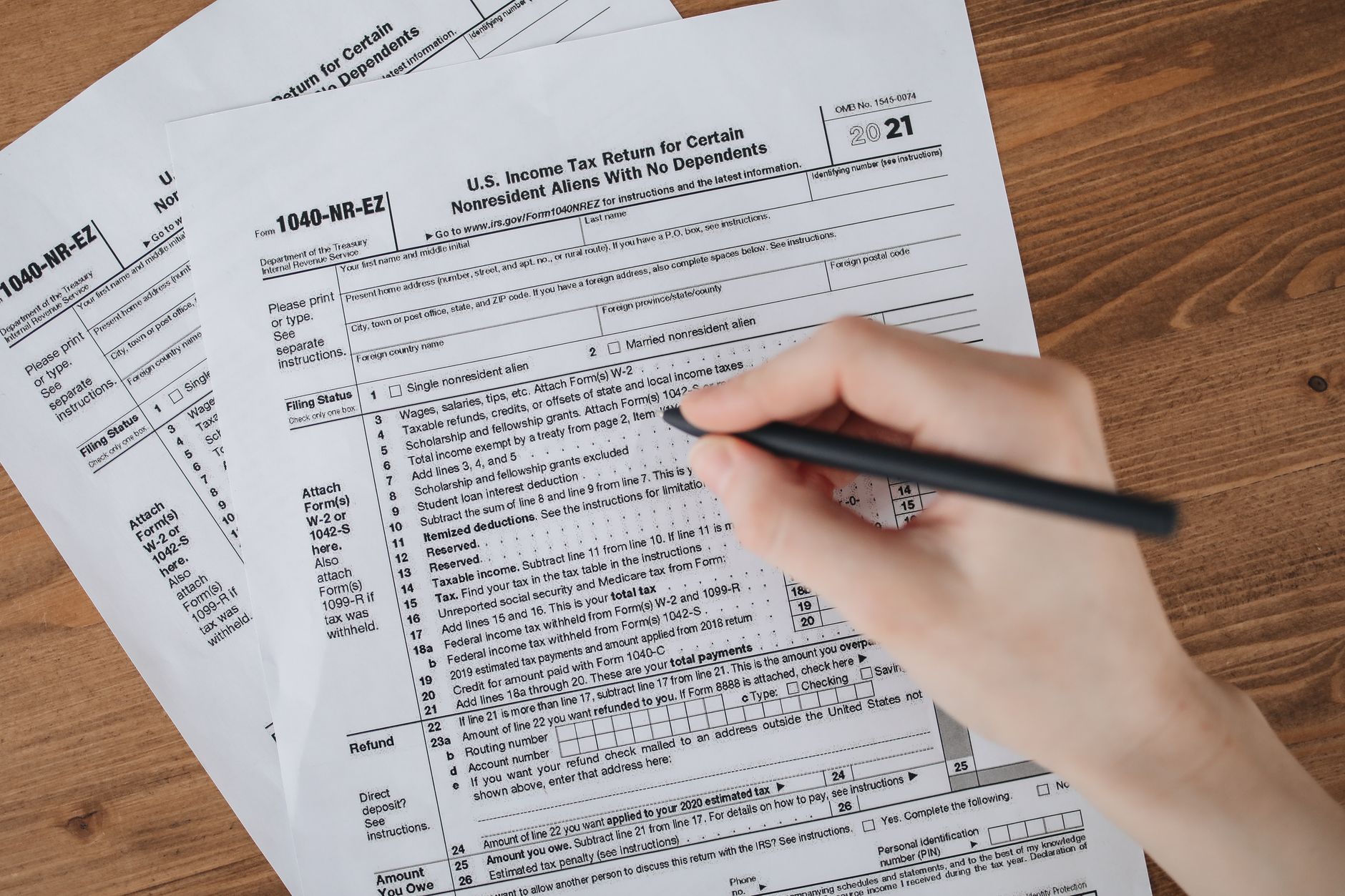
Washington’s most compelling advantage is the complete absence of state income tax on any source of income, including social Security, pensions, 401(k) withdrawals, and investment dividends. This structure is unusual and genuinely valuable for retirees who spent careers in high-tax states. A retiree with a $50,000 annual pension would owe $2,000-$3,000 in state income tax in Oregon or California but nothing in Washington. For couples with combined retirement income exceeding $80,000, the tax savings over a 20-year retirement can exceed $100,000. The catch is that Washington compensates for lost income tax revenue through property taxes and sales taxes. Property tax rates average around 0.84% of home value statewide, though some counties like King County (Seattle) run closer to 1%.
Sales tax averages 8.9% statewide and can reach 10.25% in some cities. For retirees on modest fixed incomes who spend considerable money on groceries, household items, and healthcare supplies, the sales tax adds up faster than people expect. A retired couple spending $40,000 annually might pay $3,200-$4,000 in sales tax—offsetting some of the income tax savings. Washington also lacks significant tax breaks specifically for retirees. Unlike some states, Washington doesn’t exempt retirement income from taxation (since there’s no income tax), doesn’t offer property tax reductions for seniors, and doesn’t provide special deductions for long-term care insurance. The state does allow a small homeowners’ exemption for those over 61 with limited income, but the income thresholds are restrictive and the tax reduction minimal.
How Does Washington’s Cost of Living Impact Retirement Plans?
Washington’s cost of living has escalated substantially over the past decade, particularly in western Washington where most of the population lives. Housing costs in the Puget Sound region (Seattle, Tacoma, Bellevue) have nearly doubled since 2015, with median home prices now exceeding $700,000 in many communities. Even in smaller towns like Olympia or Spokane, a modest retirement home costs $400,000-$500,000. For retirees relying on fixed income sources, this creates a serious affordability problem if they haven’t already paid off a mortgage or don’t have substantial savings. The state’s healthcare costs remain elevated and are rising faster than inflation.
Medicare supplements (Medigap plans) and Part D prescription drug coverage in Washington average $150-$250 monthly per person, slightly higher than the national median. Long-term care costs are particularly punishing: nursing home care averages $8,000-$9,000 monthly, while assisted living runs $4,500-$6,500 monthly. These figures significantly exceed the national average and present a real risk for couples without substantial savings or long-term care insurance. A practical example: a retired couple living in Tacoma with a combined Social Security income of $4,000 monthly faces approximately $1,600-$1,800 in rent for a two-bedroom apartment, $300 in utilities, $400 in groceries, $200 in transportation, and $300 in healthcare costs—totaling roughly $2,800 in essential expenses before any entertainment or unexpected costs. This leaves them with a dangerous financial margin. In rural areas like the Tri-Cities region, comparable costs run 20-30% lower, which is why some retirees strategically relocate within the state.
What Healthcare Resources Are Available for Washington Retirees?
Washington maintains a functional Medicare infrastructure with most major insurance carriers offering Medicare Advantage and Medigap plans throughout the state. The Seattle-Tacoma-Bellevue region has excellent medical facilities including the University of Washington Medical Center, Swedish Medical Center, and numerous specialized clinics. Outside these urban corridors, healthcare access becomes more limited—rural areas of eastern Washington and the Olympic Peninsula have fewer specialists and longer wait times for appointments. The state has a notable eldercare ecosystem including senior centers, congregate meal programs, and home and community-based services funded through Medicaid waivers. The Division of Aging and Long-Term Care maintains a searchable database of licensed assisted living facilities and nursing homes.
However, quality and cost vary dramatically by region and facility. A limitation many retirees discover too late: Washington’s nursing homes experience chronic staffing shortages, and some facilities have accumulated regulatory violations related to care quality and infection control. Mental health services for seniors are less robustly available than physical healthcare. Depression and anxiety affect roughly 15-20% of seniors but go untreated in many Washington communities due to limited geriatric mental health specialists. Rural counties like Grant, Ferry, and Lincoln counties have particular shortages. This gap in services can significantly impact quality of life for retirees struggling with depression or cognitive decline.

How Do Washington’s Property Taxes and Housing Costs Compare to Neighboring States?
Washington’s effective property tax rate averages around 0.84% of home value, which appears moderate until you calculate actual dollar amounts on expensive Pacific Northwest homes. A retired couple owning a $600,000 home would pay approximately $5,040 annually in property taxes. In comparison, Oregon’s property tax rate averages 0.97% (resulting in $5,820 on that same home), Idaho’s averages 0.77% ($4,620), and California’s averages 0.76% ($4,560). The difference isn’t dramatic in percentage terms but compounds significantly over decades. Washington’s specific advantage erodes for retirees with very high-value properties or those living in high-assessment counties.
King County (Seattle area) and Pierce County (Tacoma area) apply aggressive assessments, sometimes resulting in effective property tax rates near 1.1-1.2%. A retiree with a $1 million home in Seattle could expect $10,000-$12,000 in annual property taxes—comparable to or higher than well-designed tax systems in other states. Eastern Washington counties like Spokane, Whitman, and Asotin counties offer relief with effective rates closer to 0.65%. The homeowners’ exemption program provides modest relief for homeowners 61 and older with household income below $35,000, reducing assessed value by up to $60,000. However, this income cap eliminates most middle-class retirees with pensions or investment income exceeding that threshold. Additionally, Proposition 1 (passed in 2006) limits property tax growth to 1% annually regardless of home value appreciation, which provides some predictability for long-term budgeting but also means homes purchased at low values decades ago still carry minimal tax assessments while newly arrived retirees with similar properties pay significantly more.
What Are the Climate and Lifestyle Trade-offs in Washington?
Washington’s Pacific maritime climate presents a significant quality-of-life trade-off many retirees underestimate. Western Washington receives 150-180 cloudy days annually, with Seattle averaging just 50 sunny days per year. For retirees with seasonal affective disorder, arthritis exacerbated by damp weather, or those accustomed to sunny climates, this represents a real health and psychological challenge. The state’s reputation for rain is accurate: annual rainfall exceeds 35 inches in Seattle, 45 inches in Tacoma, and 50+ inches in the Olympic Peninsula. Winter months (November through March) are particularly gray and dreary. Eastern Washington offers dramatically different weather—more sunshine, drier conditions, and hotter summers—but trades the Puget Sound’s milder winters for temperature extremes.
Spokane experiences subzero winters and 90+ degree summers, creating heating and cooling challenges on fixed budgets. The geographic split creates vastly different retirement experiences depending on location: Puget Sound retirees enjoy mild winters but endure months of overcast skies, while eastern Washington retirees gain sunshine but sacrifice winter mildness and spring/fall pleasantness. The state’s recreational opportunities are genuine: proximity to mountains, water, national parks (North Cascades, Olympic), and hiking are real advantages for active retirees. However, this outdoor lifestyle requires physical capability and interest. A retired couple with mobility limitations or those who prioritize warm-weather activities may find Washington’s attractions irrelevant to their actual retirement needs. Additionally, winter weather and dark mornings can restrict outdoor activity, particularly for those with arthritis or balance concerns.

What Are the Challenges with Long-Term Care and Estate Planning?
Washington’s long-term care infrastructure faces significant capacity problems. The state’s aging population has created waiting lists for quality assisted living facilities in desirable communities, with some facilities reporting wait times of 6-12 months for move-in. Nursing home availability is particularly tight in western Washington, forcing some families to seek care in rural or less desirable locations.
📨 Get Free Medicare Guides Alerts
Free · No spam · Unsubscribe anytime
Medicaid-funded beds are especially scarce—only about 30% of nursing home beds accept Medicaid, creating barriers for retirees who deplete savings and require public insurance coverage. The state’s estate planning environment is relatively straightforward compared to some states, but Washington imposes substantial capital gains taxes on inherited assets in certain circumstances—a factor that trips up retirees planning wealth transfer. Washington has relatively high rates of uninsured long-term care costs among elderly residents compared to national averages, suggesting many retirees fail to plan adequately for extended care needs.
Is Washington’s Retirement Environment Improving or Declining?
Washington faces demographic pressures that will shape retirement conditions over the next decade. The state’s population is aging faster than the national average, with the over-65 population expected to grow by 40% by 2030. This demographic surge will strain healthcare systems, long-term care capacity, and state services designed for seniors.
Housing availability for seniors specifically has not kept pace with demand, and affordable senior housing remains scarce outside of major urban centers. Policy discussions around property tax reform, senior tax credits, and long-term care insurance expansion continue but move slowly. Some positive momentum exists around telehealth expansion (addressing rural healthcare access) and home-based care alternatives to institutional settings. However, budget constraints and political disagreement over tax policy suggest major improvements in affordability or tax benefits are unlikely in the near term.
Conclusion
Retirement in Washington offers genuine financial advantages, particularly the absence of state income tax, coupled with significant quality-of-life appeal for those who enjoy the Pacific Northwest’s landscape and communities. For retirees with paid-off homes, diverse income sources, and preference for mild winters and outdoor recreation, Washington can be an excellent choice that preserves income over decades compared to high-tax states.
However, prospective retirees must honestly assess whether they can afford escalating housing and healthcare costs, whether the climate suits their health needs and preferences, and whether they have adequate long-term care planning in place. A detailed financial projection comparing taxes, housing, and healthcare across Washington’s specific region of interest versus alternative states remains essential. Washington rewards retirees who plan comprehensively, but it penalizes those who underestimate costs or arrive unprepared for its climate and social conditions.
Frequently Asked Questions
Does Washington tax Social Security?
No. Washington has no state income tax on Social Security, pensions, 401(k) withdrawals, or any other retirement income source. This is one of the state’s primary advantages for retirees.
What is the cost difference between Seattle and Spokane for retirement?
Housing, assisted living, and dining costs in Seattle typically run 35-50% higher than Spokane. Spokane offers greater affordability but significantly less temperate winters and fewer medical specialists.
Does Washington offer property tax breaks for seniors?
Washington’s homeowners’ exemption program reduces assessed value by up to $60,000 for homeowners 61+ with household income below $35,000. This income cap excludes most middle-class retirees, making the program of limited value.
Are nursing homes in Washington regulated well?
Washington maintains state licensing standards and inspection processes, but many facilities have documented staffing shortages and quality issues. Capacity shortages in desirable areas create waiting lists. Research individual facilities carefully.
What are the heating and cooling costs in Washington?
Western Washington heating costs average $800-$1,200 annually due to mild winters. Cooling costs are minimal. Eastern Washington residents face higher heating costs in winter ($1,500-$2,000) and may need air conditioning in summer, increasing total HVAC expenses.
Should I retire in rural or urban Washington?
Rural areas offer lower housing costs (20-40% savings) but limited healthcare access and fewer services. Urban areas provide medical specialists, senior services, and cultural activities but cost significantly more. The best choice depends on health status and financial resources.
You Might Also Like
- Retirement in Tennessee Pros and Cons
- Retirement in Pennsylvania Pros and Cons
- Retirement in Ohio Pros and Cons