
Washington State offers several compelling options for retirees, with the Puget Sound region around Seattle, Spokane in Eastern Washington, and smaller communities like Bellingham and Bremerton each presenting distinct advantages. The state’s most significant draw for retirees is its lack of state income tax, which can preserve retirement savings and pension income more effectively than most other states. For example, a retired couple receiving $75,000 annually in Social Security and pension income would avoid roughly $5,000 to $7,000 in state income taxes compared to neighboring Oregon or California—a meaningful difference over two or three decades of retirement.
Beyond tax advantages, Washington attracts retirees with diverse geography, from coastal living to mountain proximity, along with relatively strong healthcare infrastructure and increasingly accessible senior services. However, choosing the right place within Washington requires understanding regional differences in cost of living, climate, healthcare quality, and community infrastructure. Some areas like Seattle have seen dramatic housing cost increases, while others offer far greater affordability.
Table of Contents
- What Makes Washington State Tax-Friendly for Retirement Income?
- Seattle and the Puget Sound Region—Amenities and Affordability Tradeoffs
- Spokane and Eastern Washington—Lower Costs and Four-Season Living
- Assessing Your Budget—Monthly Costs and Financial Planning
- Healthcare Access and Aging in Place Considerations
- Coastal Communities and Lifestyle-Focused Retirement
- Future Outlook—Climate Considerations and Washington’s Evolving Retirement Landscape
- Conclusion
What Makes Washington State Tax-Friendly for Retirement Income?
Washington State has no personal income tax, which is rare among U.S. states and creates immediate financial advantages for retirees. This means social Security benefits, pension distributions, and withdrawal from retirement accounts face no state-level income tax—a benefit not available to retirees in 41 other states.
Property taxes exist (averaging around 0.84% of home value statewide), along with sales taxes that rank among the nation’s higher at approximately 10.2% when combined state and local rates, but these are often lower in total tax burden compared to states with income taxes. A practical comparison illustrates this advantage: a retiree in Washington with a $50,000 annual pension might keep that income entirely, whereas the same retiree in California would owe roughly $2,500 in state income tax. Over a 25-year retirement, this difference compounds to $62,500 in additional spendable income. However, prospective retirees should note that Washington’s higher sales tax means every purchase carries tax implications, so discretionary spending patterns affect actual savings more than in income-tax states.
Seattle and the Puget Sound Region—Amenities and Affordability Tradeoffs
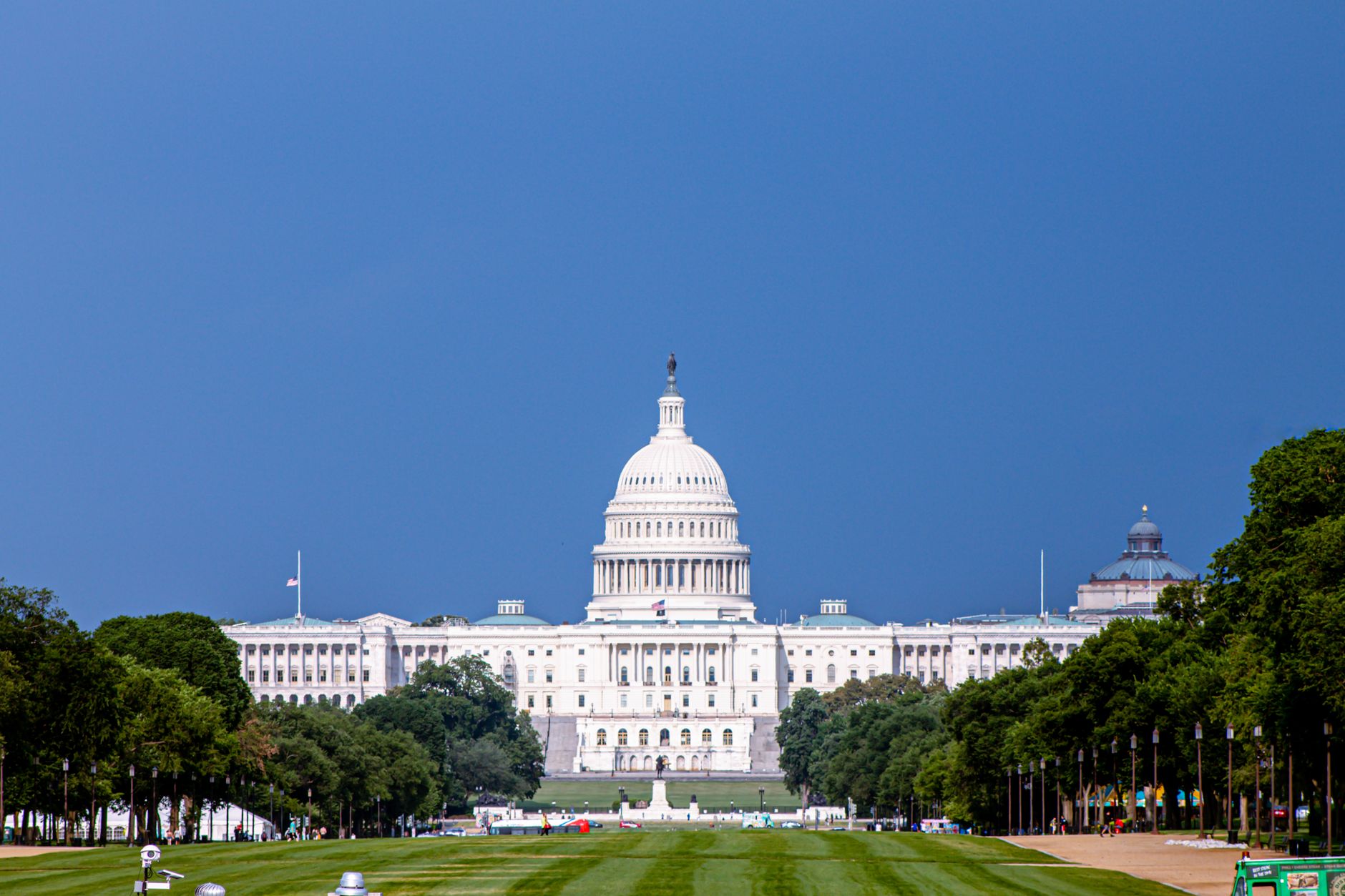
The Seattle metropolitan area and surrounding Puget Sound communities like Tacoma, Olympia, and Bremerton represent Washington’s most developed urban retirement markets, with excellent healthcare facilities, cultural amenities, and walkable neighborhoods suited to aging in place. Seattle itself hosts leading medical centers including the University of Washington Medical Center and Swedish Medical Center, which attract retirees seeking proximity to specialized care. Downtown neighborhoods, waterfront communities, and nearby suburbs like Edmonds and Bainbridge Island offer vibrant senior communities with restaurants, arts programs, and social activities.
The significant limitation is cost: median home prices in Seattle approached $750,000 as of 2024, and even surrounding communities command $400,000 to $600,000 for modest homes. Rental apartments for seniors start around $1,500 to $2,000 monthly for one-bedroom units in desirable areas. Retirees on fixed incomes of $60,000 or less annually may find Seattle proper financially challenging, though smaller towns in the Puget Sound area—like Olympia (the state capital), Longview, or Port Angeles—offer substantially lower housing costs ($300,000 to $450,000) while maintaining reasonable access to urban healthcare and services.
Spokane and Eastern Washington—Lower Costs and Four-Season Living
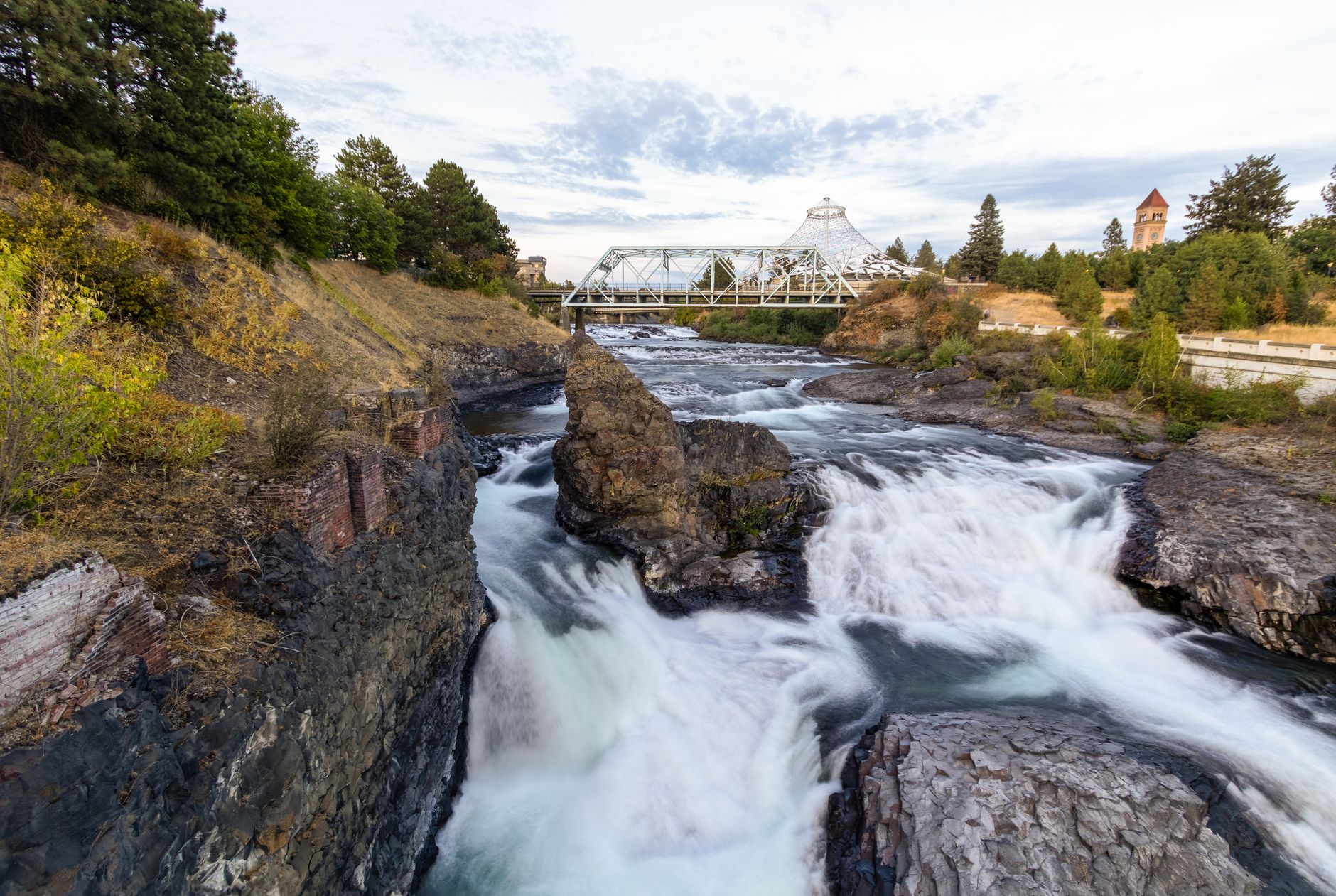
Spokane, located in Eastern Washington near the Idaho border, represents Washington’s second-largest metropolitan area and offers significantly lower cost of living than the Puget Sound region. Home prices in Spokane average $350,000 to $400,000 for well-maintained single-family homes, and rental apartments for seniors can be found for $900 to $1,400 monthly. The community hosts Gonzaga University and strong healthcare institutions like Spokane Regional Medical Center, providing specialized care without the expense premium of the Seattle market.
The primary tradeoff for Spokane retirees is climate: Eastern Washington experiences genuine winters with consistent snow and temperatures dropping to 0°F or below, contrasting sharply with the Pacific-influenced mild winters of Western Washington. Retirees with mobility challenges, arthritis, or those seeking year-round outdoor activities may find this restrictive. Additionally, Spokane offers fewer cultural amenities and nightlife than Seattle, though the city has undergone revitalization with growing downtown arts districts and farmer markets. For retirees prioritizing affordability and the community feel of a mid-sized city over urban sophistication, Spokane remains an underrated option.
Assessing Your Budget—Monthly Costs and Financial Planning
retirement planning in Washington requires honest budgeting across housing, healthcare, food, transportation, and leisure—categories where costs vary dramatically by region. A retiree in Spokane might expect total monthly expenses of $2,200 to $2,800 (excluding large medical events), including rent or mortgage ($900–$1,200), utilities ($150–$180), groceries and dining ($400–$500), transportation ($250–$350), and entertainment ($200–$250). The same lifestyle in Seattle typically runs $3,500 to $4,200 monthly, a difference of $15,600 to $16,800 annually.
Social Security alone provides an average benefit of roughly $1,900 monthly as of 2024, which means many retirees rely on pensions, retirement account withdrawals, or part-time work to reach sufficient income. A practical exercise: calculate your annual retirement income from all sources (Social Security, pension, investment distributions, rental income), subtract 10% for Washington’s property and sales taxes, then assess whether remaining income comfortably covers your regional expenses with a 20% cushion for unexpected costs. This prevents the painful discovery, five years into retirement, that housing costs have consumed 60% of income. Retirees with less than $40,000 in annual retirement income may find Western Washington unaffordable unless living in small towns or with significant home equity.
📨 Get Free Medicare Guides Alerts
Free · No spam · Unsubscribe anytime
Healthcare Access and Aging in Place Considerations
Washington State maintains solid healthcare infrastructure overall, but quality and proximity vary significantly by location. Seattle and Spokane have major medical centers with specialists in cardiology, oncology, orthopedics, and neurology, while smaller communities often rely on regional hospitals requiring 30-minute to two-hour drives for specialized care. Retirees with chronic conditions—diabetes, heart disease, Parkinson’s—should research whether their preferred specialists practice in their chosen community before moving.
A critical warning applies to rural and small-town areas: long-term care facilities and assisted-living communities remain limited outside the Puget Sound region and Spokane. A retiree in a small coastal town like Port Townsend or Longview might find excellent community and lower costs but discover that when aging in place becomes difficult, available memory care facilities have long waiting lists (sometimes 18 months) or require moving 60+ miles away to access care. This is not a reason to avoid smaller communities, but it demands advance planning—researching available senior housing, assisted living, and memory care options before retirement, and potentially purchasing long-term care insurance or setting aside funds specifically for future care needs.

Coastal Communities and Lifestyle-Focused Retirement
Washington’s Pacific coastal communities—including Bellingham, Anacortes, Port Townsend, and Port Angeles—attract retirees seeking outdoor recreation, smaller-town atmosphere, and natural beauty. Bellingham, home to Western Washington University, offers a college-town vibe with walkable downtown, local breweries, arts venues, and proximity to both mountains and water. Housing costs run $400,000 to $550,000, making these communities more affordable than Seattle yet more expensive than inland Eastern Washington alternatives.
Coastal living carries its own considerations: maritime weather means frequent cloudy days and rain (Port Angeles averages 145 rainy days annually), some communities have limited healthcare infrastructure, and isolation during winter can affect mental health in retirement. However, for retirees with active outdoor interests—hiking, kayaking, sailing, photography—these communities provide unmatched lifestyle value. Many retirees discover that the first six months of coastal living align perfectly with their expectations, then reassess after experiencing the reality of gray skies from October through April.
Future Outlook—Climate Considerations and Washington’s Evolving Retirement Landscape
Climate change is reshaping retirement decisions in Washington. While the state has historically avoided the extreme heat waves affecting California, Oregon, and the Southwest, summers have grown warmer (with occasional heat events exceeding 100°F), and wildfire smoke now impacts air quality in late summer, particularly in Eastern Washington and the Puget Sound region. Conversely, Western Washington’s mild winters and lower temperature extremes continue to offer climate resilience compared to the Midwest and Northeast, making it increasingly attractive to retirees displaced by heat and severe weather.
Washington’s aging population is driving expansion of retirement services and senior housing, with new developments emerging in both urban and small-town markets. Technology adoption in healthcare (telehealth, remote monitoring) is gradually reducing the healthcare access gap between large cities and rural areas, though this remains a work in progress. Retirees considering Washington today should view 2030-2040 climate impacts as relevant to their decision—particularly around air quality, heat tolerance if choosing Eastern Washington, and infrastructure resilience if choosing flood-prone coastal or river communities.
Conclusion
The best places to retire in Washington depend on your financial situation, health priorities, and lifestyle preferences. Seattle and the Puget Sound region offer unparalleled urban amenities, healthcare, and cultural engagement but demand higher financial resources, with housing costs remaining the largest barrier. Spokane and Eastern Washington provide significantly lower costs and four-season recreation but require comfort with cold winters and smaller-city scale.
Coastal communities offer the lifestyle richness many retirees seek—natural beauty, outdoor recreation, artistic communities—at moderate costs and with the climate stability increasingly valued in retirement planning. Before deciding on a specific Washington community, spend at least one full month visiting your top choice during different seasons, meet with a local financial advisor or CPA to verify tax and cost assumptions, and research available healthcare and senior services in detail. Washington’s lack of state income tax provides a genuine advantage to retirees, but that advantage only matters if your chosen community aligns with your actual lifestyle, health needs, and budget. The state offers diverse options; finding the right one requires honest assessment of priorities rather than chasing reputation or real estate trends.
You Might Also Like
- Best Places to Retire in Tennessee
- Best Places to Retire in Pennsylvania
- Best Places to Retire in Ohio