
The best retirement locations for healthy and active lifestyles in 2026 cluster around cities with strong walkability, outdoor recreation access, and quality healthcare — and the top picks may surprise you. According to U.S. News, which evaluated more than 850 cities across thousands of data points, Midland, Michigan claims the number one spot overall, thanks to its walkable neighborhoods, extensive trail system, and green spaces with housing costs well below the national average. Close behind are Weirton, West Virginia and Homosassa Springs, Florida, both of which score high on quality of life and affordability. The days of assuming you need to move to Phoenix or Miami to stay active in retirement are fading fast.
What makes these rankings particularly useful is the weight given to the factors retirees actually care about. Quality of life accounts for 31 percent of the overall score, and healthcare quality represents 15 percent, according to The Motley Fool’s 2025 retiree survey. That means the cities rising to the top are not just affordable or sunny — they are places where people can realistically walk to errands, access trails and parks, and get solid medical care when they need it. Beyond city rankings, we will look at which states offer the strongest overall environment for staying healthy after 60, examine standout active-adult communities, and discuss how to weigh climate, cost, and healthcare access against each other when making one of the biggest decisions of your life.
Table of Contents
- Which Retirement Locations Offer the Healthiest and Most Active Lifestyles in 2026?
- Best States for Active Retirees — And Where the Rankings Fall Short
- Cities Built for Walking, Biking, and Outdoor Living in Retirement
- How to Compare Active-Adult Communities Against Independent Living
- Healthcare Access — The Factor That Can Make or Break an Active Retirement
- The Midwest’s Quiet Rise as a Retirement Destination
- What the Future of Active Retirement Looks Like
Which Retirement Locations Offer the Healthiest and Most Active Lifestyles in 2026?
The U.S. News 2026 rankings reveal a clear trend: midsize cities with strong infrastructure for walking, biking, and outdoor recreation are outperforming traditional retirement hotspots. The top five — Midland, Michigan; Weirton, West Virginia; Homosassa Springs, Florida; The Woodlands, Texas; and Spring, Texas — each bring something different to the table. Midland offers classic Midwest charm with trails and green space. Homosassa Springs, on Florida’s Gulf Coast, centers its appeal around natural springs, wildlife trails, and water-themed activities. The two Texas entries benefit from no state income tax and proximity to major metro healthcare systems. The Midwest, in particular, occupied nearly one-third of the top 30 places to retire in 2026.
That is a significant shift from a decade ago, when Southern and Western states dominated these lists almost exclusively. Cities like Madison, Wisconsin — consistently ranked one of the most bike-friendly cities in the country — illustrate why. Madison has a high density of bike lanes and pedestrian pathways, a compact layout that keeps daily errands within easy reach, and a culture built around outdoor recreation in every season. For retirees who define “active” as daily movement woven into their routine rather than occasional resort-style golf, these Midwestern cities deliver. The comparison between a place like Homosassa Springs and Midland is worth thinking about carefully. Homosassa Springs gives you year-round warm weather and water access, but it is a small community with limited cultural offerings and a narrow healthcare network. Midland has four genuine seasons and cold winters, but its trail system, walkability, and proximity to larger Michigan cities give it a different kind of flexibility. Neither is universally better — the right choice depends on whether you prioritize climate or infrastructure.

Best States for Active Retirees — And Where the Rankings Fall Short
At the state level, Wyoming earned the top spot for retirement overall in 2026, followed by Florida, South Dakota, Colorado, Minnesota, and Alaska. These rankings factor in tax burden, cost of living, healthcare access, and outdoor recreation opportunities. Colorado stands out for active lifestyles specifically: it is home to the fourth-highest percentage of seniors in good health and the third-highest percentage who are physically active. That is not a coincidence — the state’s geography, altitude, and culture all encourage movement. However, state-level rankings can be misleading if you do not look at the city level. Wyoming ranks number one overall, but much of the state is extremely rural, with limited healthcare infrastructure and long drives to the nearest hospital.
If you have a chronic condition that requires regular specialist visits, retiring to a beautiful but remote Wyoming town could become a serious problem. The same caution applies to Alaska, where stunning natural beauty comes paired with isolation, harsh winters, and some of the highest healthcare costs in the country. A state can score well on tax friendliness and outdoor access while still being a poor fit for someone who needs regular medical care or simply does not want to drive 90 minutes to a grocery store. Florida’s second-place finish reflects its enduring appeal — no state income tax, warm weather, extensive senior services — but also a slight decline from prior years. Rising property insurance costs, increasing hurricane risk, and rapid population growth have started to chip away at the financial case for Florida retirement, particularly along the coasts. retirees considering Florida should factor in not just today’s costs but the trajectory of insurance premiums and property taxes, which have climbed sharply in several counties over the past three years.
Cities Built for Walking, Biking, and Outdoor Living in Retirement
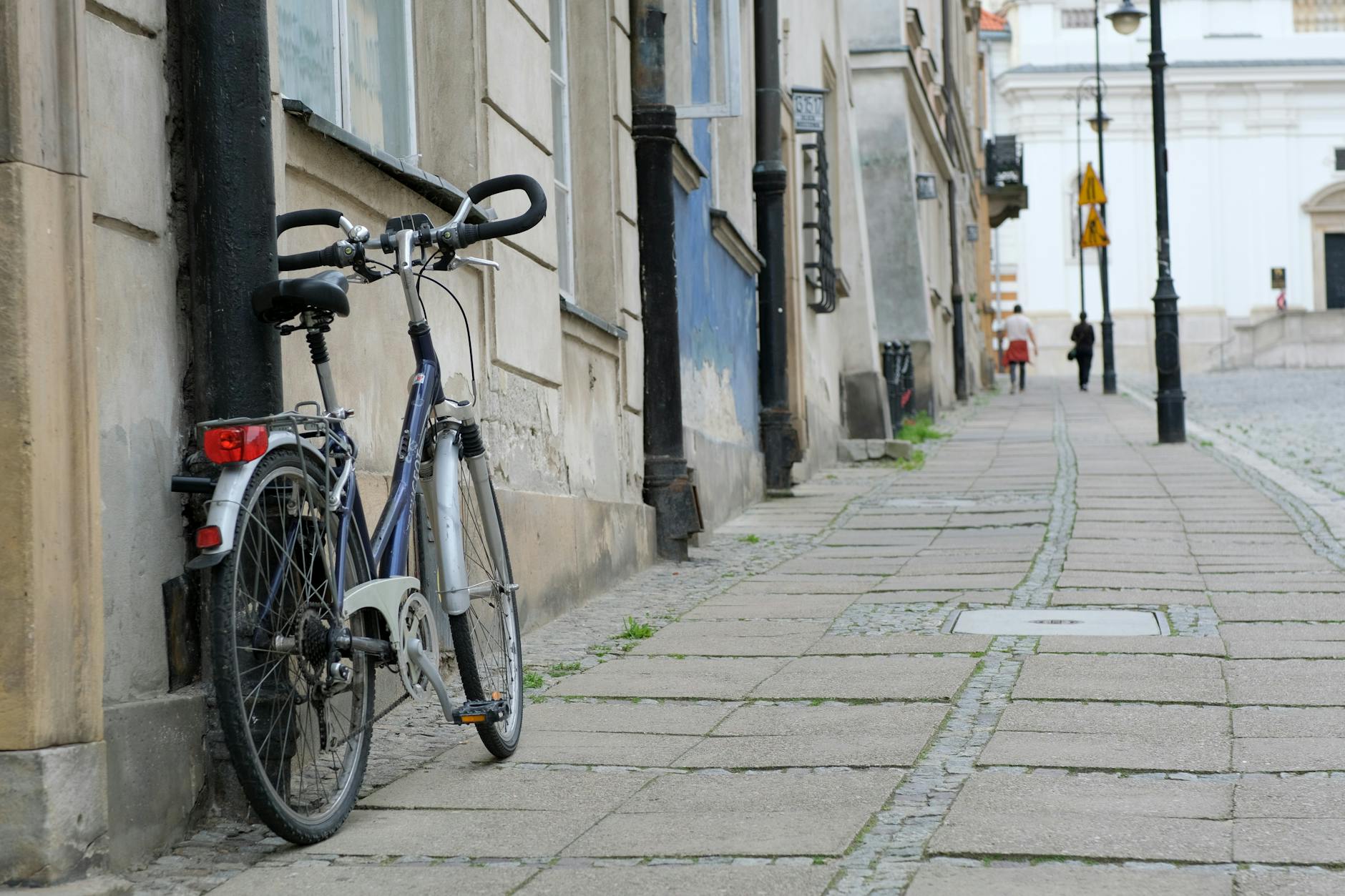
For retirees who want to stay active without a gym membership or a car, walkability and outdoor recreation access matter more than almost any other factor. Several cities stand out in this category. Chattanooga, Tennessee is highly walkable and bike-friendly, with downtown condos and townhomes near parks, restaurants, and entertainment. The city has invested heavily in its riverfront and trail system, making it possible to live a genuinely car-light lifestyle in retirement — something that is rare in the Southeast. St. Petersburg, Florida offers a different model: a walkable downtown core with Gulf beaches, a thriving arts scene, and year-round sunshine.
It is one of the few Florida cities where you can reasonably walk or bike to daily errands, cultural events, and the waterfront without relying on a car. Cape Coral, also in Florida, takes a more water-focused approach — it has more than 400 miles of navigable canals, earning it the nickname “Waterfront Wonderland.” Fishing, swimming, kayaking, and boating are part of daily life there, not weekend activities. Colorado Springs rounds out the standouts with its proximity to mountain recreation, low property taxes, and top-rated hospitals. Located at the foot of Pikes Peak, the city gives retirees access to hiking, cycling, and skiing within minutes of home. Mackenzie Place, a senior community in Colorado Springs, markets itself on exactly this combination — year-round outdoor access in the Rocky Mountains with the healthcare infrastructure of a mid-sized city. The tradeoff is altitude: at over 6,000 feet, Colorado Springs is not ideal for retirees with certain cardiovascular or respiratory conditions, and the adjustment period can be real.
How to Compare Active-Adult Communities Against Independent Living
Active-adult communities have become a major part of the retirement landscape, and the best ones are designed specifically around healthy, active lifestyles. Sun City Texas, located about 35 miles north of Austin, is a 4,000-acre age-restricted community with three private golf courses, a state-of-the-art fitness center, and more than 140 fitness classes. Freedom Pointe at The Villages in Florida is consistently top-rated for its warm-weather active lifestyle programming. These communities offer convenience, built-in social networks, and amenities that would be difficult to replicate on your own. The tradeoff is cost and flexibility. Active-adult communities typically come with HOA fees that can run several hundred dollars per month, and those fees tend to increase over time.
📨 Get Free Medicare Guides Alerts
Free · No spam · Unsubscribe anytime
You are also locked into a specific geographic area and social ecosystem — if the community’s culture does not suit you, changing course means selling your home and starting over. By contrast, retiring independently in a walkable city like Chattanooga or Madison gives you more freedom to shape your daily life, but you have to build your own social connections and find your own fitness infrastructure. Neither approach is inherently better, but retirees who thrive on structure and social programming tend to do well in planned communities, while those who value independence and variety often prefer urban or semi-urban settings. It is also worth noting that not all active-adult communities deliver on their marketing. Before committing, visit for an extended stay — ideally a week or more — during different seasons. Talk to current residents, not just the sales team. Ask specifically about healthcare access, wait times at on-site medical facilities, and what happens when residents age into needing more care than the community provides.
Healthcare Access — The Factor That Can Make or Break an Active Retirement
The most beautiful, walkable, affordable retirement destination in the country is a poor choice if it cannot keep you healthy. Healthcare quality accounts for 15 percent of the U.S. News ranking methodology, and for good reason. Active retirees tend to focus on recreation and lifestyle when choosing a location, but healthcare access becomes the dominant concern as you age — and that transition can happen faster than anyone expects. A single fall, a new diagnosis, or a spouse’s health crisis can shift your priorities overnight. Colorado Springs scores well here because it pairs outdoor recreation with top-rated hospitals and a deep specialist network.
Midland, Michigan benefits from its proximity to larger medical systems. But some otherwise appealing retirement towns — particularly smaller communities in Wyoming, Montana, and rural Florida — have limited hospital capacity and may require helicopter transport for serious emergencies. If you are considering a rural or semi-rural location, check not just whether there is a hospital nearby but whether it has an emergency department, cardiac care, and orthopedic surgery. Active retirees are more likely to need orthopedic care, and a 90-minute ambulance ride to the nearest surgical center is a real risk factor. One practical step too few retirees take: before moving, call the local medical offices in your target city and ask whether they are accepting new Medicare patients. In some popular retirement destinations, primary care physicians are so overwhelmed by the influx of seniors that wait times for new-patient appointments can stretch to months. Having a beautiful trail system outside your door means less if you cannot get in to see a doctor when your knee starts giving out.

The Midwest’s Quiet Rise as a Retirement Destination
The Midwest’s strong showing in the 2026 rankings — nearly one-third of the top 30 — deserves specific attention. Cities like Midland, Michigan and Madison, Wisconsin are drawing retirees with a combination of affordability, walkability, and community infrastructure that coastal cities increasingly struggle to match. Housing costs in Midland remain well below the national average, and Madison’s compact, bike-friendly layout gives retirees daily physical activity without requiring a dedicated exercise routine.
The obvious downside is winter. Midwestern winters are long, cold, and can limit outdoor activity for months at a time. For retirees with arthritis or other conditions aggravated by cold weather, this is not a minor inconvenience — it is a lifestyle constraint. Some retirees split the difference by spending winters in a warmer climate and returning to the Midwest for spring through fall, but that “snowbird” approach only works if you can afford to maintain two residences or have reliable seasonal rental options.
What the Future of Active Retirement Looks Like
The trend lines in the 2026 data point toward a future where active retirement is less about finding the one perfect sunny destination and more about matching a location’s specific strengths to your personal health profile, activity preferences, and financial reality. The rise of midsize Midwestern cities, the growing importance of walkability scores, and the increasing weight retirees place on healthcare access all suggest that the retirement landscape is becoming more detailed and more personal.
Expect to see more cities invest in pedestrian infrastructure, bike lanes, and trail systems specifically to attract the retiree demographic — and the economic activity that comes with it. The communities and cities that figure out how to combine outdoor access, healthcare quality, and affordability will win the next decade of retirement migration. For anyone making this decision now, the best advice is simple: visit before you commit, prioritize healthcare access alongside recreation, and be honest with yourself about what kind of daily life will actually keep you moving.
You Might Also Like
- Best Retirement Locations for Active Seniors
- Top Retirement Locations in Asia for Affordable Living
- Retirement Locations with Great Public Transportation