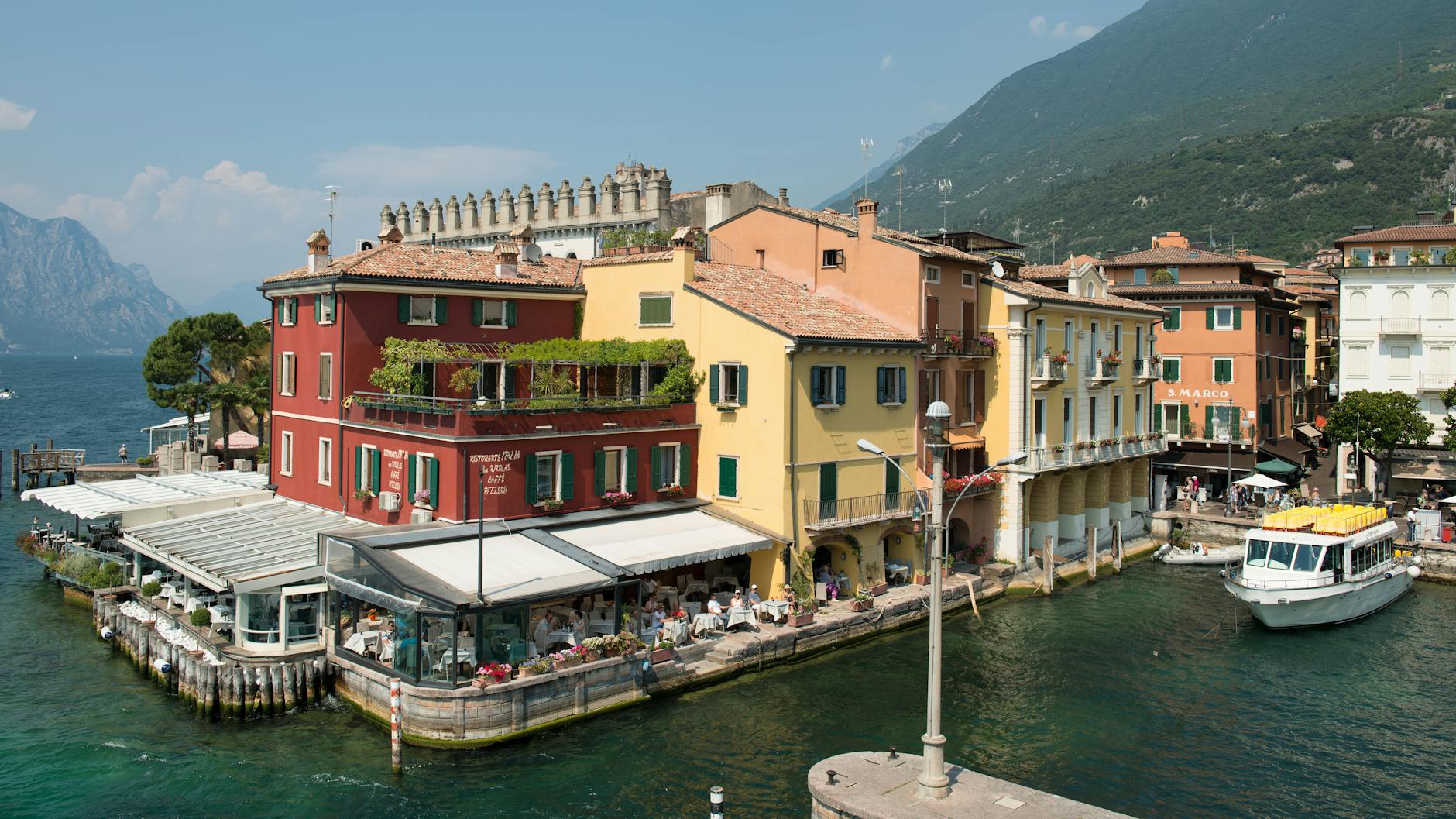
The most popular lakefront retirement destinations in the United States span from the glacial shores of the Finger Lakes in New York to the warm, tax-friendly waters of Tellico Lake in Tennessee. For retirees seeking a balance of natural beauty, affordability, and community, lakes like Lake Norman in North Carolina, Lake of the Ozarks in Missouri, and Lake Pend Oreille in Idaho consistently rank among the top choices. These destinations offer something coastal living often cannot: lower costs, quieter surroundings, and year-round outdoor recreation without the hurricane insurance premiums. Lakefront living has become a serious contender in the retirement housing market. According to a survey by PrivateCommunities.com, “lakefront” ranked third among active adult homebuyers for preferred location type, behind only golf communities and near-the-beach settings.
The average U.S. lake home listing price sits at approximately $533,900 as of Winter 2024, down slightly from $544,300 the previous winter, according to Lake Homes Realty data reported by Yahoo Finance. That price point, while not cheap, undercuts many coastal markets by a wide margin and opens the door to waterfront living that might otherwise be out of reach. Whether you are five years from retirement or actively shopping for your next home, the information here is grounded in current market data and verified sources.
Table of Contents
- What Are the Most Popular Lakefront Retirement Destinations in America?
- How Much Does It Really Cost to Retire on a Lake?
- Affordable Lakefront Retirement Communities Under $350,000
- How State Taxes Affect Your Lakefront Retirement Budget
- Hidden Challenges of Lakefront Retirement Living
- Why Lake Michigan and the Great Lakes Region Deserve a Closer Look
- The Future of Lakefront Retirement Markets
What Are the Most Popular Lakefront Retirement Destinations in America?
Several lakes have earned reputations as premier retirement destinations, each for different reasons. Lake Tahoe, straddling the California-Nevada border, draws outdoor enthusiasts with year-round skiing, hiking, and water sports, though the average home value in South Lake Tahoe sits at $651,300, making it one of the pricier options. Lake Norman, the largest man-made lake in North Carolina, has become one of the top retirement lakes in the Southeast thanks to its proximity to Charlotte and a more moderate cost of living. The Finger Lakes region in New York, with its 11 glacial lakes and lush vineyards, appeals to retirees who want a slower pace of life without sacrificing cultural amenities. In the Midwest and South, Lake of the Ozarks in Missouri stands out for its extensive boating, fishing, and over a dozen golf courses, all at a cost of living well below coastal areas.
Tellico Lake in Tennessee benefits from the state’s lack of a state income tax, which is a meaningful financial advantage for retirees living on fixed incomes. Lake Pend Oreille in Idaho, the fifth deepest lake in America at 2,100 feet elevation, offers warm summers and mild winters in the small community of Bayview. And Lake Michigan’s Charlevoix area provides swimming, sailing, and small-town charm, though Michigan winters are not for everyone. The diversity of these destinations matters. A retiree who thrives in a four-season climate with access to skiing will have a very different experience at Lake Tahoe than someone who prioritizes low taxes and warm weather at Tellico Lake. There is no single “best” lake town for retirement. The right choice depends on your budget, your health needs, your tolerance for winter, and how far you want to be from family and medical facilities.

How Much Does It Really Cost to Retire on a Lake?
The financial picture of lakefront retirement is more detailed than listing prices suggest. While the national average lake home listing price hovers around $533,900, that figure masks enormous regional variation. In Grove, Oklahoma, the median sale price is $269,000, with many homes available under $300,000. In Putnam County, Florida, lakefront homes are priced between $200,000 and $350,000, with a median listing price of $289,900, well below Florida’s coastal markets. Compare that to Lake Tahoe’s $651,300 average, and you can see the range spans hundreds of thousands of dollars for what is broadly called “lakefront living.” Beyond the purchase price, retirees need to account for ongoing expenses. According to the U.S. Bureau of Labor Statistics Consumer Expenditure Survey, the average household headed by someone 65 or older spends approximately $5,000 per month, covering an average household size of 1.7 people.
That figure includes housing, food, healthcare, transportation, and other essentials. Lakefront properties can add costs that landlocked homes do not, including flood insurance, dock maintenance, septic system upkeep, and higher property taxes in waterfront zones. Some lakefront communities also carry homeowners association fees that fund shared amenities like boat launches and clubhouses. However, if your retirement budget is tight, do not assume lakefront living is automatically out of reach. Many popular lake retirement areas in Missouri, Tennessee, Oklahoma, and Georgia have housing costs 30 to 60 percent below the national average, according to GoBankingRates. The key is choosing your state and lake carefully. Mississippi, for example, is the most affordable state for retirement overall, with a cost of living 14 percent below the national average. A retiree who fixates on well-known destinations like Lake Tahoe may miss far more affordable options that offer a comparable quality of life on the water.
Affordable Lakefront Retirement Communities Under $350,000
For retirees who want the structure and social benefits of a planned community without the six-figure premium, several 55-plus lakefront developments offer homes under $350,000. Cresswind at Lake Lanier in Gainesville, Georgia is an active adult community where homes are available below that threshold, providing access to one of the most popular recreational lakes in the Southeast. Del Webb at Lake Oconee in Greensboro, Georgia offers another affordable option in the same state, with the Del Webb brand’s typical package of fitness centers, walking trails, and organized social activities. In Virginia, Trilogy at Lake Frederick is a lakefront 55-plus community that also keeps home prices under $350,000. These communities are specifically designed for retirees, which means they tend to include amenities like pools, pickleball courts, and community centers, while also maintaining a quieter atmosphere than family-oriented neighborhoods.
For someone relocating from a high-cost metro area, selling a suburban home and purchasing in one of these communities can free up significant cash that bolsters retirement savings. The tradeoff with planned communities is that you are buying into a set of rules and fees along with the home. HOA restrictions may limit what you can do with your property, from the color of your front door to whether you can park a boat in your driveway. Monthly or annual HOA fees add to your fixed costs. And the social environment, while a benefit for many, is not for everyone. Retirees who value independence and privacy may prefer buying a standalone lakefront property in a less structured setting, even if it means giving up some amenities.

How State Taxes Affect Your Lakefront Retirement Budget
Where you retire on a lake matters almost as much as which lake you choose, because state tax policy can add or subtract thousands of dollars from your annual expenses. Tennessee, home to popular Tellico Lake, has no state income tax, which means retirement income from pensions, Social Security, and investment withdrawals is not taxed at the state level. This is a significant advantage over states like California, where the top marginal income tax rate can exceed 13 percent, and New York, which also levies state and local income taxes on retirement distributions. The comparison becomes even starker when you factor in overall cost of living. According to GoBankingRates data for 2026, the most expensive housing indexes belong to Hawaii at 298.6, Massachusetts at 232.9, and California at 191.8. Meanwhile, states with popular lake retirement destinations like Missouri, Tennessee, Oklahoma, and Georgia have housing costs that run 30 to 60 percent below the national average.
📨 Get Free Medicare Guides Alerts
Free · No spam · Unsubscribe anytime
A retiree choosing between a lakefront home on the Finger Lakes in New York and one on Tellico Lake in Tennessee is not just choosing between two bodies of water. They are choosing between two fundamentally different tax and cost environments that could amount to tens of thousands of dollars in savings over a 20-year retirement. That said, low taxes are not the only factor worth weighing. States with lower taxes sometimes have fewer public services, less strong healthcare infrastructure, or lower-quality roads. Tennessee’s lack of a state income tax, for instance, is partly offset by a sales tax rate that is among the highest in the country. Retirees should look at the full financial picture, including property taxes, sales taxes, healthcare access, and insurance costs, rather than making a decision based on income tax alone.
Hidden Challenges of Lakefront Retirement Living
Lakefront retirement is not without its complications, and some of them only become apparent after you have moved in. Water quality and lake levels can fluctuate significantly depending on weather patterns, drought conditions, and upstream development. Retirees who buy on a reservoir or man-made lake like Lake Norman or Lake of the Ozarks should understand that water levels may be managed by a utility company or the Army Corps of Engineers, which means your waterfront view could recede by dozens of feet during dry years. Insurance is another area that catches buyers off guard. Lakefront homes often require flood insurance even if they are not in a federally designated flood zone, and premiums have been rising as climate-related weather events increase.
Homeowners insurance rates near water tend to be higher than inland properties, and not all carriers are willing to write policies for homes with docks, boathouses, or steep lake-access terrain. In Florida’s Putnam County, for example, the attractive home prices must be weighed against the state’s increasingly volatile insurance market. Maintenance costs are also higher than many retirees anticipate. Erosion control, seawall repair, dock replacement, and dealing with invasive aquatic species are ongoing expenses that do not apply to a typical suburban home. Septic systems, which are common in rural lakefront areas, require periodic pumping and eventual replacement. Retirees on fixed incomes should budget conservatively for these recurring costs and avoid stretching their home purchase budget to the point where maintenance becomes a financial strain.

Why Lake Michigan and the Great Lakes Region Deserve a Closer Look
The Great Lakes region is sometimes overlooked in retirement discussions because of its winters, but communities like Charlevoix on Lake Michigan offer a quality of life that rivals more famous destinations. Charlevoix provides swimming, sailing, and a walkable downtown with restaurants and galleries, all in a small-town setting that avoids the congestion of larger resort areas. Housing costs in northern Michigan are generally more moderate than comparable waterfront in the Southeast, and the region’s summers are among the most pleasant in the country. The limitation is obvious: winter.
Northern Michigan winters are long, cold, and snowy, which can be isolating for retirees who do not enjoy cold-weather activities. Healthcare access in rural Great Lakes communities can also be limited, with the nearest major hospital sometimes an hour or more away. For retirees who are willing to be snowbirds, spending summers on Lake Michigan and winters somewhere warmer, the region offers outstanding value. But for those who plan to live year-round in one place, the climate is a real consideration that should not be romanticized.
The Future of Lakefront Retirement Markets
The lakefront retirement market is evolving as baby boomers continue to drive demand and remote work allows younger retirees to live farther from urban centers. The slight dip in average lake home listing prices from $544,300 to $533,900 between Winter 2023 and Winter 2024 suggests the market may be stabilizing after several years of rapid appreciation, but lakefront properties in desirable areas remain competitive. Communities that combine water access with healthcare infrastructure, moderate climate, and tax advantages, places like the Georgia lakes and Tennessee’s Tellico Lake, are likely to see continued interest. Looking ahead, retirees should watch for changes in flood insurance policy, state tax law, and water resource management that could affect the long-term value and livability of lakefront properties.
Climate patterns are shifting lake levels and water temperatures in ways that were not a factor for previous generations of retirees. The destinations that will age best are those with diversified local economies, strong community infrastructure, and sustainable water management. Buying lakefront property is not just a lifestyle decision. It is a long-term investment that deserves the same level of due diligence as any other major financial commitment in retirement.
You Might Also Like
- Most Popular International Retirement Destinations for Americans
- Most Popular Retirement Locations in the United States
- Most Popular Retirement Locations Near the Ocean