
Greece, Panama, and Costa Rica top the list of the most popular international retirement destinations for Americans in 2026, according to International Living’s Annual Global Retirement Index. Greece claimed the number one spot worldwide, while Panama and Costa Rica continue to attract retirees with low costs of living, accessible healthcare, and straightforward visa programs. Portugal, meanwhile, ranks as the best European option for Americans according to Global Citizen Solutions, thanks to its mild climate, affordable living, and the D7 residence visa that simplifies the relocation process. These destinations share a common thread: monthly living costs that run 34 to 71 percent lower than comparable expenses in the United States. The trend is not a niche fantasy. More than 790,000 people were receiving Social Security benefits while living outside the United States in 2025, one of the highest totals on record.
Roughly 450,000 Americans have formally retired abroad, with 38 percent choosing Europe as their base. Polls suggest about one-third of Americans, roughly 117 million people, say they would like to settle in another country someday. Whether that interest converts into action depends on finances, healthcare needs, family ties, and tolerance for bureaucracy. The goal here is not to sell you on a dream but to lay out the realistic picture. Retiring abroad can stretch a modest pension or Social Security check significantly further, but it also introduces complications around taxes, estate planning, and access to care. What follows is a destination-by-destination look at where Americans are actually going and why.
Table of Contents
- Which International Retirement Destinations Are Most Popular With Americans in 2026?
- How Much Does It Actually Cost to Retire Abroad Compared to the United States?
- Healthcare Access and Quality in Top Retirement Countries
- Tax Implications and Financial Planning for American Retirees Abroad
- Visa Programs, Residency Requirements, and Legal Hurdles
- The Emotional and Social Realities of Retiring Abroad
- What the Future Looks Like for Americans Retiring Internationally
Which International Retirement Destinations Are Most Popular With Americans in 2026?
The rankings shift slightly each year, but a handful of countries consistently appear at the top of every major retirement index. International Living’s 2026 rankings place Greece first, followed by Panama and Costa Rica. The evaluations draw on 20 indicators spread across six categories: procedure, citizenship and mobility, economics, taxes, quality of life, and safety and integration. Other destinations that regularly appear on shortlists include Mexico, Italy, Spain (particularly the Tarragona region), Crete in Greece, and the Gascony region of France. Boquete, Panama, earned the number one retirement haven designation from Live and Invest Overseas, specifically for Americans seeking affordable healthcare and outdoor living on a modest budget. A retiree couple can live comfortably in Boquete on roughly $2,400 per month, which covers housing, food, transportation, and healthcare.
Compare that to a mid-tier American city where the same lifestyle might run $4,500 or more. Portugal, particularly the Algarve region, draws Americans who want European culture and healthcare standards at a fraction of Western European prices, with monthly costs averaging around $3,085. Mexico deserves special mention for its geographic convenience. It benefits from close proximity to the United States and abundant cheap flights, often under $100 to most major U.S. destinations. That proximity matters when grandchildren are born, when aging parents need attention, or when you simply want to watch a football game in your old hometown bar. For retirees who want to be abroad but not feel far away, Mexico offers a practical middle ground that distant destinations like Thailand or the Philippines cannot match.

How Much Does It Actually Cost to Retire Abroad Compared to the United States?
Cost of living is the single biggest driver pushing americans toward international retirement, and the savings can be dramatic. In Southeast Asia, the numbers are especially striking. A couple can live in Thailand on $1,500 to $2,500 per month, and the Philippines drops even lower at $1,200 to $2,000 per month. Malaysia offers some of the cheapest urban living available to retirees, with one-bedroom apartment rents in Kuala Lumpur running $300 to $500 per month and utilities adding just $40 to $60. In Latin America, Puerto Vallarta, Mexico comes in around $3,305 per month, while Portugal outside of Lisbon and Porto ranges from $1,800 to $2,600 for a couple. However, headline cost figures can be misleading if you do not account for lifestyle differences. A retiree who eats local food, uses public transit, and rents a modest apartment will hit those low numbers.
A retiree who insists on imported American groceries, drives a private car, and lives in a gated expat community will spend considerably more, sometimes approaching U.S. levels. The savings are real, but they require some willingness to adapt to local norms. Air conditioning costs in tropical climates, for instance, can add hundreds to monthly utility bills that the averages do not always reflect. There is also the question of currency risk. If the dollar weakens against the euro or the Thai baht, your purchasing power shrinks without your spending changing at all. Retirees living on fixed social Security income in a country with a strengthening local currency can find their comfortable budget suddenly tight. This is not a reason to avoid retiring abroad, but it is a reason to build a cushion into your budget rather than planning to spend every last dollar of your monthly check.
Healthcare Access and Quality in Top Retirement Countries
Healthcare is often the second consideration after cost, and it is where the decision gets complicated. Portugal offers excellent public healthcare that residents can access through its national health service, and the country’s D7 visa provides a pathway to residency that includes healthcare enrollment. Panama’s Pensionado visa program has long been considered one of the most retiree-friendly in the world, with discounts on medical services, prescriptions, and even entertainment. Costa Rica’s public healthcare system, known as the Caja, covers residents for a monthly fee based on income and is generally well-regarded for primary and preventive care. In Southeast Asian destinations like Thailand and Malaysia, private healthcare is widely available and often excellent, particularly in major cities. Bangkok’s Bumrungrad Hospital, for example, is internationally accredited and treats patients from around the world at a fraction of U.S. prices.
A doctor visit that might cost $200 in the States can run $30 to $50 in Thailand. However, rural areas in these countries may have limited medical infrastructure, which means retirees with chronic conditions or mobility issues need to think carefully about where exactly within a country they settle, not just which country they choose. Medicare does not cover healthcare outside the United States, full stop. This is a critical point that many aspiring expat retirees overlook. You will need either local health insurance, international expat insurance, or enough savings to self-insure. Premiums for international health insurance vary widely based on age, health status, and coverage level, but retirees over 65 should expect to pay $300 to $600 per month for comprehensive coverage. Some retirees maintain a U.S. address and return periodically for Medicare-covered procedures, but this strategy has legal and logistical gray areas that warrant professional advice.

Tax Implications and Financial Planning for American Retirees Abroad
The United States is one of the few countries that taxes its citizens on worldwide income regardless of where they live. Moving to Panama does not free you from filing a U.S. tax return every April. That said, 15 countries now offer tax-free or tax-friendly incentives specifically targeting U.S. retiree expats, including Panama, Costa Rica, Malaysia, and Portugal. These incentives typically apply to local taxes, meaning you may owe little or nothing to your host country while still owing the IRS. The tradeoff between tax-friendly and tax-complex destinations is worth examining. Portugal’s Non-Habitual Resident tax regime, for instance, has offered favorable treatment of foreign pension income, but the program’s terms have changed multiple times in recent years, and what applied when your neighbor moved there may not apply when you do.
📨 Get Free Medicare Guides Alerts
Free · No spam · Unsubscribe anytime
Panama exempts foreign-sourced income from local taxation entirely, making it one of the simplest options from a tax perspective. Costa Rica similarly does not tax income earned outside the country. Compare this to France or Italy, where the lifestyle may be appealing but the local tax obligations can be substantial and the bureaucracy formidable. Social Security benefits are payable in most countries, which is why more than 790,000 people were receiving checks abroad in 2025. However, a handful of countries, including Cuba, North Korea, and certain former Soviet states, are restricted. You should verify that your chosen destination allows direct deposit of Social Security funds before making any commitments. Estate planning also becomes more complicated when you own property or hold assets in a foreign country, and the intersection of U.S. estate tax law with local inheritance rules can create unexpected tax bills for your heirs if not handled properly.
Visa Programs, Residency Requirements, and Legal Hurdles
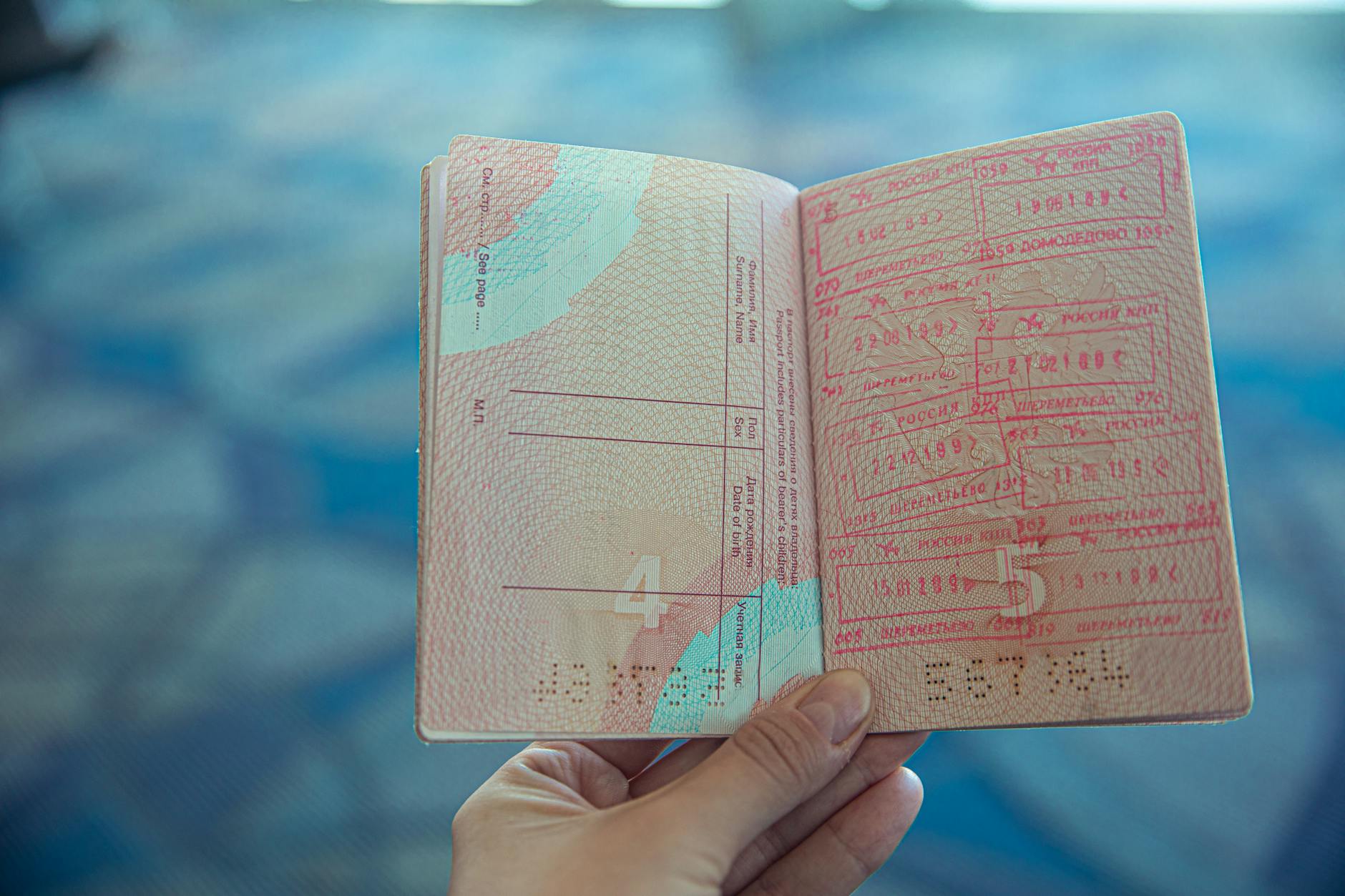
Every country on the popular retirement list has some form of retirement or long-stay visa, but the requirements, costs, and renewal processes vary enormously. Portugal’s D7 visa requires proof of passive income, typically around $800 to $1,100 per month from Social Security or pensions, along with health insurance and a clean criminal record. Panama’s Pensionado visa requires proof of at least $1,000 per month in pension income. Mexico’s temporary resident visa requires income of roughly $2,500 per month or significant savings. A common pitfall is assuming that a tourist visa is good enough. Many Americans start by visiting a country on a 90- or 180-day tourist visa and then try to extend or convert it into a residency permit. In some countries this works; in others it creates legal headaches.
Thailand, for instance, does not offer a straightforward retirement visa to anyone under 50, and even the over-50 visa requires proof of 800,000 baht (roughly $22,000) in a Thai bank account or monthly income of 65,000 baht. Overstaying a tourist visa, even unintentionally, can result in fines, deportation, and bans on reentry. Residency is not the same as citizenship, and neither guarantees permanence. Countries can and do change their visa programs. Portugal has tightened its Golden Visa program significantly in recent years. Malaysia’s MM2H (My Second Home) program was suspended and then relaunched with higher financial thresholds. If your retirement plan depends entirely on a specific visa program remaining unchanged for 20 or 30 years, you are building on uncertain ground. Have a backup plan, and keep enough flexibility in your finances to pivot if the rules change.
The Emotional and Social Realities of Retiring Abroad
The financial case for retiring abroad is often straightforward, but the emotional adjustment catches people off guard. Language barriers, distance from family, and the loss of familiar social networks can lead to isolation, particularly for retirees who move to a country where they do not speak the local language. Expat communities exist in every popular destination, but they can be insular and transient, with people cycling in and out every few years. Building lasting friendships takes effort and intention, just as it does at home.
Consider the experience of retirees in Mexico’s Lake Chapala region, one of the largest American expat communities in the world. Many describe a vibrant social life with English-language clubs, volunteer organizations, and cultural events. But others report feeling stuck in an expat bubble, never truly integrating into Mexican life and gradually losing connection with friends and family back in the States. The retirees who tend to thrive abroad are those who learn at least basic local language skills, engage with their host community, and maintain regular travel back to the U.S. rather than treating their move as a clean break.
What the Future Looks Like for Americans Retiring Internationally
The trend toward international retirement is accelerating, not slowing. Rising healthcare costs in the United States, stagnant pension values, and the growing gap between Social Security benefits and the cost of living in major American cities are pushing more retirees to look beyond U.S. borders. With roughly one-third of Americans expressing interest in living abroad someday, the infrastructure supporting expat retirees, from international banking to telehealth services to remote-friendly tax preparation, will continue to improve.
Countries are competing for retiree dollars. The 15 nations offering tax-free or tax-friendly incentives for American expats represent a deliberate economic strategy: retirees bring stable, predictable income from abroad, spend locally, and generally do not compete with local workers for jobs. Expect more countries to introduce or expand retirement visa programs in the coming years, particularly in regions where tourism revenue has declined. For Americans planning retirement in the next five to ten years, the options are likely to become more numerous and more accessible, not less. The key is doing the homework now, visiting before committing, and building a financial plan that accounts for the uncertainties that come with living in someone else’s country.
You Might Also Like
- Most Popular Retirement Locations in the United States
- Most Popular Retirement Locations Near the Ocean
- Most Popular Retirement Communities in the U.S.