
Americans retiring to the mountains are gravitating toward a surprisingly affordable set of small towns scattered across Montana, Colorado, Idaho, Oregon, and the southern Appalachians. Places like Anaconda, Montana, where the median home price sits around $282,000 and the cost of living runs 23.4 percent cheaper than the national average, or Joseph, Oregon, where daily expenses come in 3.6 percent below the U.S. average, are drawing retirees who want mountain scenery without the price tag of Aspen or Jackson Hole. With more than 61 million older adults now accounting for nearly 18 percent of the U.S. population, a growing share are looking past the usual Sunbelt destinations and choosing elevation over humidity. This shift is not just about scenery.
Retirees are making calculated financial decisions based on home prices, state tax policy, healthcare access, and proximity to outdoor recreation. The average monthly Social Security benefit for retired workers is roughly $2,000, which means most people cannot afford a mountain town where a modest home costs $800,000. The towns gaining the most traction are the ones where that benefit check actually stretches. The coverage below moves from the Rocky Mountain West to the Blue Ridge, from towns where you can buy a home for under $300,000 to resort communities where you are paying for world-class amenities. Whether you are living on Social Security alone or drawing from a healthy pension, the right mountain town depends on what you are willing to trade for that view.
Table of Contents
- Which Mountain Towns Are Retirees Choosing in the Rocky Mountain West?
- How Do Higher-End Mountain Towns Compare for Retirement?
- What Makes the Blue Ridge and Southern Mountains Different for Retirees?
- Can You Retire in a Mountain Town on Social Security Alone?
- What Are the Hidden Risks of Mountain Town Retirement?
- What Role Does State Tax Policy Play in Choosing a Mountain Town?
- Where Is Mountain Town Retirement Headed?
Which Mountain Towns Are Retirees Choosing in the Rocky Mountain West?
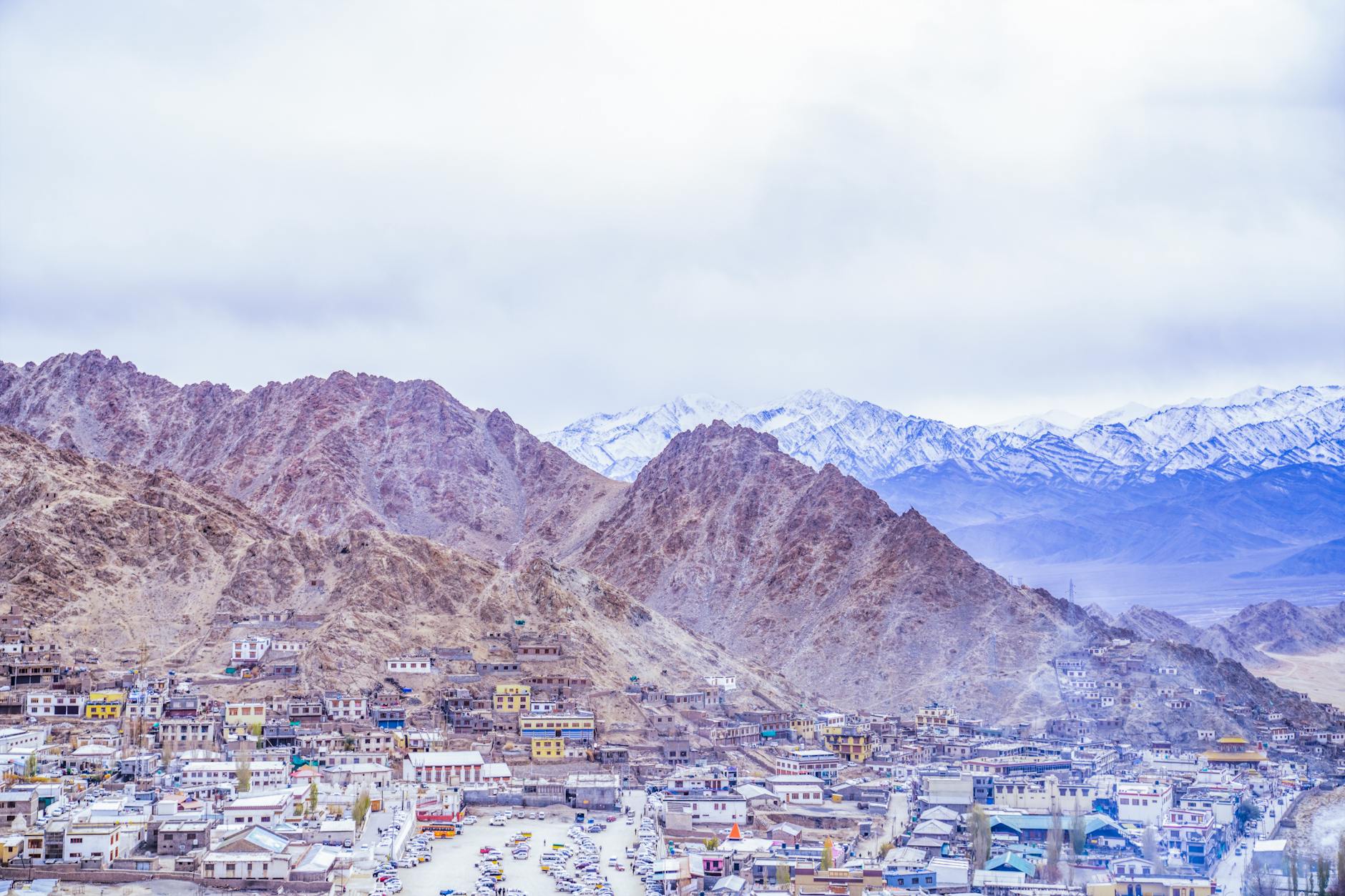
Montana dominates the conversation when it comes to affordable mountain retirement, and the numbers explain why. Butte offers a median home value of roughly $270,000, well below the state average of $454,000. White Sulphur Springs, a quieter option with hot springs and a small-town pace, comes in at about $303,000. Dillon, with a median home value near $370,000, sits in a tight-knit ranching community surrounded by national forest. These are not resort towns. They are working towns where retirees can buy property without competing against second-home buyers from out of state. Colorado and Idaho offer their own entries, though affordability is relative. Craig, Colorado has a median home price near $365,000, a significant discount compared to Colorado’s statewide average of $585,000.
Salmon, Idaho lists at a median of $459,000, still below Idaho’s $565,000 average. Estes Park, Colorado, the eastern gateway to Rocky Mountain National Park, has become increasingly popular among retirees seeking proximity to nature and national park access, though its growing popularity has pushed prices upward. The pattern across the Rockies is consistent: the towns that remain affordable are typically the ones farthest from major ski resorts and interstate highways. One important comparison within Montana illustrates the range. Livingston, just north of Yellowstone, has seen its median home price climb to approximately $600,000, with one-bedroom rentals averaging around $1,350 per month. That is more than double what you would pay in Anaconda or Butte. Livingston’s proximity to Bozeman and its growing reputation as an arts community have driven prices well past what a retiree on a fixed income can comfortably manage. The lesson is that not all Montana mountain towns are created equal, and the gap between the affordable ones and the aspirational ones is widening.
How Do Higher-End Mountain Towns Compare for Retirement?
Not every retiree is shopping on a social Security budget. For those with pensions, investment income, or significant savings, a handful of mountain towns offer a premium lifestyle with amenities that smaller towns simply cannot match. Park City, Utah sits just 35 minutes from Salt Lake City’s international airport and its world-class hospital system. The town has three ski resorts, more than 400 miles of trails, and a walkable historic Main Street. For retirees who want mountain living without giving up urban convenience, Park City is hard to beat, though the cost of entry is substantially higher than anything in rural Montana. Bend, Oregon presents an interesting middle ground. The town averages roughly 300 sunny days per year, and Mt. Bachelor skiing is just 22 minutes away.
More importantly for retirees, Oregon does not tax Social Security benefits, which can meaningfully stretch retirement income compared to states that do. Bend has grown rapidly over the past decade, which has pushed housing costs up, but the tax advantage and climate combination keeps it on most retirement lists. However, if you are on a tight budget, Bend’s rising home prices may put it out of reach, and the town’s popularity means traffic and crowding during peak seasons are no longer the minor inconveniences they once were. The tradeoff with higher-end mountain towns is straightforward. You get better healthcare access, more dining and cultural options, easier airport connections, and well-maintained infrastructure. You pay for all of it through higher home prices, property taxes, and general cost of living. For a retiree with a federal pension or a well-funded 401(k), Park City or Bend may be worth every dollar. For someone relying primarily on Social Security, these towns are better suited for a visit than a permanent address.
What Makes the Blue Ridge and Southern Mountains Different for Retirees?
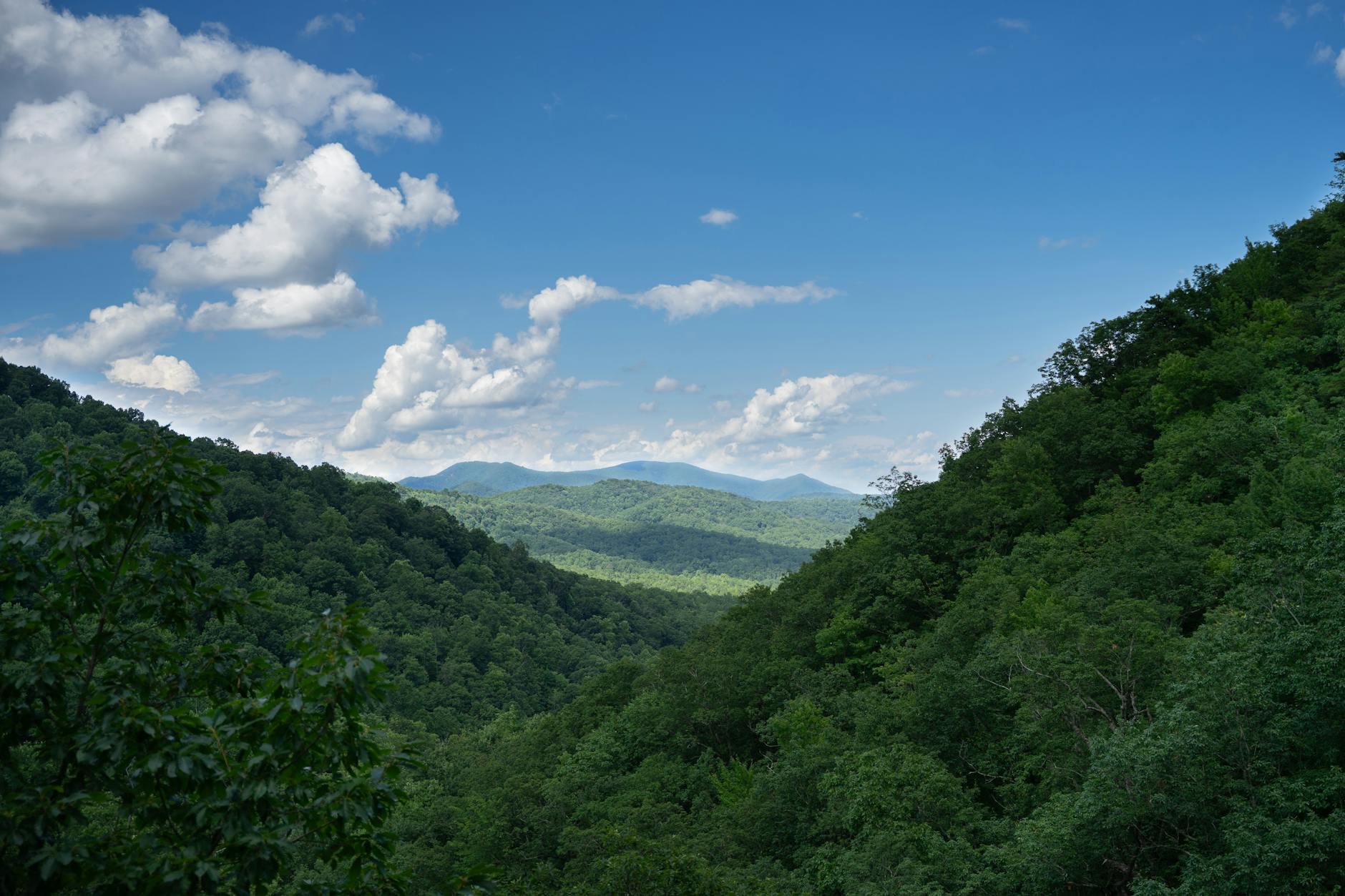
The southern Appalachian mountains offer a fundamentally different retirement proposition than the Rockies. The climate is milder, the elevations are lower, and the cultural fabric leans more toward arts, food, and music than backcountry skiing. Asheville, North Carolina has become the flagship retirement destination in this region, known for its vibrant arts scene, farm-to-table restaurants, and a walkable downtown nestled in the Blue Ridge Mountains. The city draws retirees who want cultural stimulation alongside mountain views, and its mild four-season climate avoids the harsh winters that come with high-altitude Rocky Mountain towns. Blowing Rock, North Carolina offers a quieter alternative. Named “Best Mountain Town” by Southern Living and included on Investopedia’s list of best places to retire in the South, Blowing Rock sits along the Blue Ridge Parkway at about 3,500 feet of elevation.
It is a small community with a seasonal tourism economy, which means it gets busy in summer and fall but slows considerably in winter. For retirees who want genuine small-town mountain life in the eastern United States, it checks most boxes. Knoxville, Tennessee is not technically a mountain town, but its proximity to the Great Smoky Mountains and its affordability make it a practical compromise. The median home value is around $360,650, compared to $426,126 in Nashville, and Tennessee has no state income tax. Retirees who want easy access to mountain hiking and scenery without giving up city-level healthcare, shopping, and dining often land on Knoxville as their answer. The limitation is that you are living in a mid-sized city, not a mountain town, so the daily experience is suburban rather than alpine.
Can You Retire in a Mountain Town on Social Security Alone?
This is the question that matters most for a large share of American retirees. With the average monthly Social Security benefit sitting at approximately $2,000, or $24,000 per year, the math has to work on a very tight budget. A handful of mountain towns make it possible, though none of them make it comfortable. Joseph, Oregon stands out with a cost of living score of 96.4, meaning expenses run 3.6 percent below the national average and a full 15.7 percent below Oregon’s state average. Combined with Oregon’s policy of not taxing Social Security, Joseph gives retirees more purchasing power per dollar than most mountain destinations. In Montana, Anaconda and Butte are the strongest candidates for Social Security-level budgets. Anaconda’s cost of living is 23.4 percent cheaper than the national average, and its $282,000 median home price is among the lowest of any mountain town in the state.
📨 Get Free Medicare Guides Alerts
Free · No spam · Unsubscribe anytime
Butte, at $270,000, is even more affordable. Both towns have basic healthcare facilities, grocery stores, and the kind of community infrastructure that makes daily life functional. They are not glamorous, but they are real, and a retiree who owns a home outright in either town can cover basic expenses on Social Security alone. The tradeoff is isolation. The towns where Social Security stretches the farthest are almost always the ones farthest from major hospitals, airports, and family. If you need specialized medical care, you may be driving two or three hours to reach it. If your grandchildren live in Denver or Portland, visits require planning and significant travel. Retiring on Social Security in a mountain town is financially possible in the right location, but it requires honest accounting of what you are giving up in exchange for that low cost of living.
What Are the Hidden Risks of Mountain Town Retirement?
Healthcare access is the single biggest concern that retirees underestimate when choosing a mountain town. Small communities like Salmon, Idaho or White Sulphur Springs, Montana may have a local clinic or critical access hospital, but they do not have cardiologists, oncologists, or trauma centers. Taos, New Mexico has Holy Cross Medical Center, which provides a reasonable baseline of care, but anything beyond routine treatment means a drive to Albuquerque or Santa Fe. As retirees age and their medical needs increase, this gap between where they live and where they can receive care becomes a serious quality-of-life issue. Winter severity is the other factor that catches people off guard. A mountain town that feels perfect in July can be genuinely difficult in January.
Roads close, power goes out, and temperatures in northern Montana or high-altitude Colorado can stay well below zero for weeks. Retirees with mobility limitations or chronic health conditions may find that winter effectively confines them to their homes for months at a time. Some retirees solve this by becoming snowbirds, spending winters in a warmer location, but that requires the financial resources to maintain two residences. Property insurance costs in mountain communities have also been rising sharply, particularly in wildfire-prone areas of Colorado, Montana, and Oregon. Some insurers have pulled out of high-risk zones entirely, leaving homeowners to seek coverage through state programs that are more expensive and less comprehensive. Before committing to a mountain town, retirees should get actual insurance quotes for the specific property they are considering. A home that looks affordable based on its purchase price can become much less so once you factor in $3,000 or $4,000 per year in fire insurance premiums.

What Role Does State Tax Policy Play in Choosing a Mountain Town?
State tax policy can swing a retiree’s effective income by thousands of dollars per year, and it varies dramatically among mountain states. Oregon does not tax Social Security benefits, which directly benefits retirees in Bend or Joseph. Tennessee has no state income tax at all, making Knoxville and other Smoky Mountain communities financially attractive. Montana taxes most retirement income but has no sales tax, which helps with day-to-day expenses. New Mexico offers partial exemptions on retirement income depending on your age and income level.
The practical impact depends on your income mix. A retiree living primarily on Social Security will benefit most from states that exempt those benefits. A retiree drawing from a pension or traditional IRA needs to look at overall income tax rates. Colorado, for example, offers a retirement income exclusion for residents over 55, which can offset some of the state’s income tax. The point is that comparing mountain towns across state lines requires looking at the full tax picture, not just home prices. A town with a slightly higher median home value in a tax-friendly state may cost less overall than a cheaper town in a state that taxes every dollar of your pension.
Where Is Mountain Town Retirement Headed?
The trend toward mountain town retirement is accelerating, driven by remote work flexibility, rising Sunbelt temperatures, and a generational shift in what retirees want from their later years. The 61 million older adults currently in the U.S. population will grow substantially over the next decade as the tail end of the baby boom generation reaches retirement age. Towns that are affordable today, places like Anaconda, Craig, and Joseph, may not stay that way if demand continues to rise.
Estes Park and Livingston are already examples of mountain towns where retiree interest and second-home demand have pushed prices beyond what most fixed-income buyers can afford. The retirees who benefit most will be the ones who move early, before a town’s discovery drives up prices, and who do thorough homework on healthcare, insurance, taxes, and winter conditions before signing a purchase agreement. Mountain retirement is not a fantasy. It is a practical option for millions of Americans. But it works best when the decision is driven by spreadsheets and site visits rather than magazine covers and Instagram posts.
You Might Also Like
- Most Popular Coastal Towns for Retirement
- Why Florida Remains the Top Retirement Destination
- Most Popular Retirement Locations in the United States