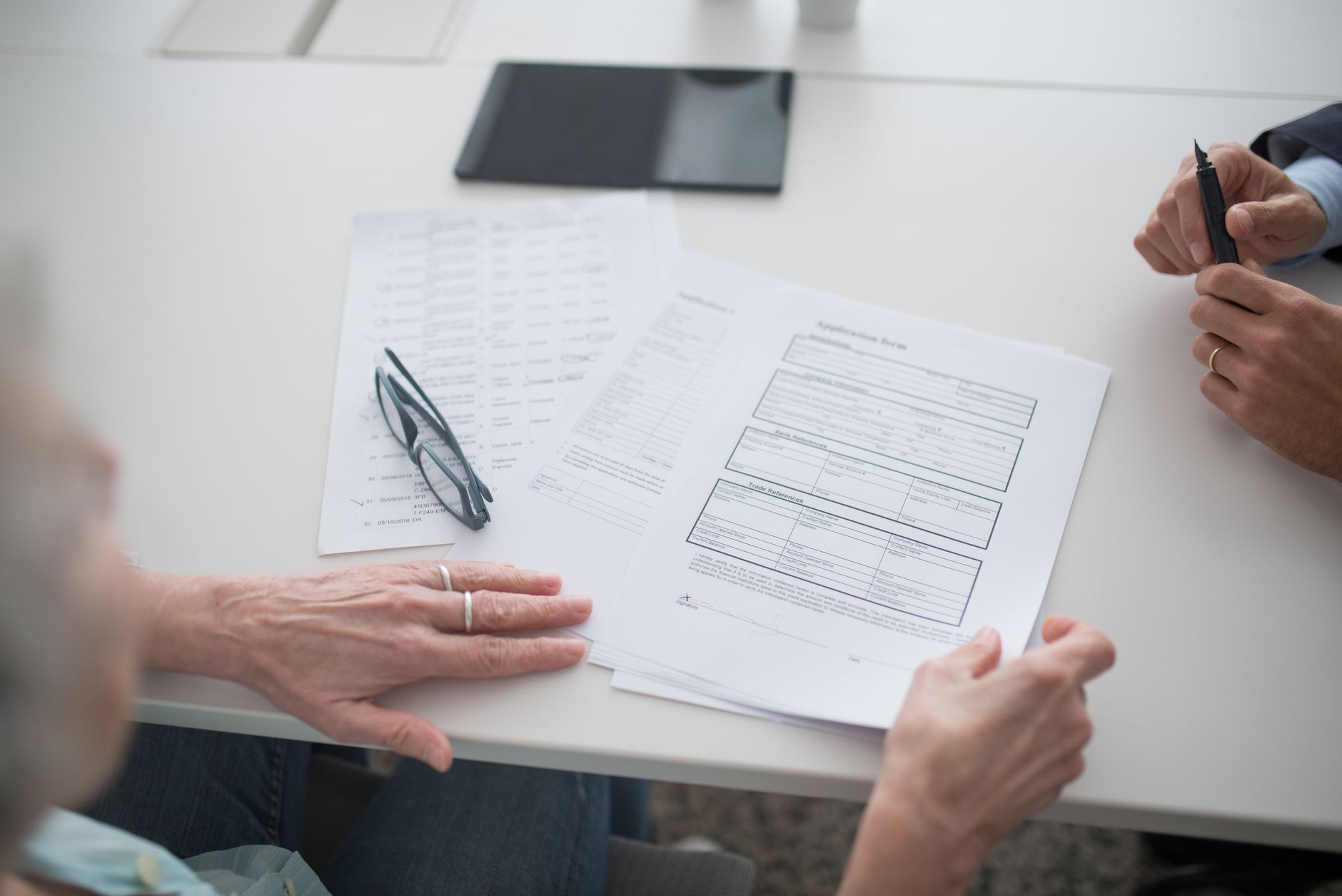
To claim survivor benefits from a pension, Social Security, or other retirement program, you’ll need to submit specific legal documents that prove your relationship to the deceased beneficiary and your eligibility status. The exact documents required vary by program and plan, but generally include a death certificate, proof of relationship, birth certificates, marriage certificates, and identification—along with any documents required by the specific pension plan administrator or government agency. For example, if you’re a surviving spouse applying for a deceased spouse’s pension benefit, you’ll need the original or certified death certificate, your marriage certificate, proof of citizenship or legal residency, and government-issued identification.
Missing even one required document can delay your claim by weeks or months, so understanding the full documentation checklist upfront can save significant time and frustration. The Social Security Administration, federal pension programs (FERS, CSRS), private pension plans, and railroad retirement all have their own specific requirements, but many documents overlap. Each program may also require additional items based on your situation—whether you’re a spouse, child, parent, or former spouse. The sooner you gather these documents after the beneficiary’s death, the sooner you can file your claim and begin receiving benefits you may be entitled to.
Table of Contents
- What Documents Prove Relationship to the Deceased Beneficiary?
- Government-Issued Identification and Citizenship Documentation
- The Death Certificate—Obtaining Certified Copies and Handling Missing Records
- Birth Certificates and Dependent Child Documentation
- Marriage and Divorce Documentation for Former and Current Spouses
- Proof of Financial Dependency and Guardianship for Adult Beneficiaries
- Ongoing Documentation Requirements and Periodic Recertification
- Conclusion
- Frequently Asked Questions
What Documents Prove Relationship to the Deceased Beneficiary?
The foundation of any survivor benefits claim is proof of your legal relationship to the person whose benefits you’re claiming. For spouses, this means providing the original or certified copy of the marriage certificate—not a photocopy, and not a digital image alone in most cases. If there were previous marriages, you may need divorce decrees or annulment documents to prove the prior marriage was legally dissolved. For children, you’ll need birth certificates showing the deceased as a parent, and for parents claiming survivor benefits, you’ll need birth certificates showing the deceased as your child.
These relationship documents must be certified copies from the appropriate vital records office in the state or country where the event occurred. One common pitfall is assuming that a marriage certificate dated after the retirement plan began disqualifies you from survivor benefits. Many plans allow surviving spouses married to the beneficiary at the time of death, regardless of when the marriage occurred—though this is plan-specific. Similarly, adopted children typically have the same survivor benefits rights as biological children, but you’ll need adoption papers to prove the legal relationship. A widow who remarried after her husband’s death while still in her 50s, for instance, can still claim his survivor benefits in many cases, but she’ll need her current marriage certificate along with the original marriage certificate to the deceased.
Government-Issued Identification and Citizenship Documentation
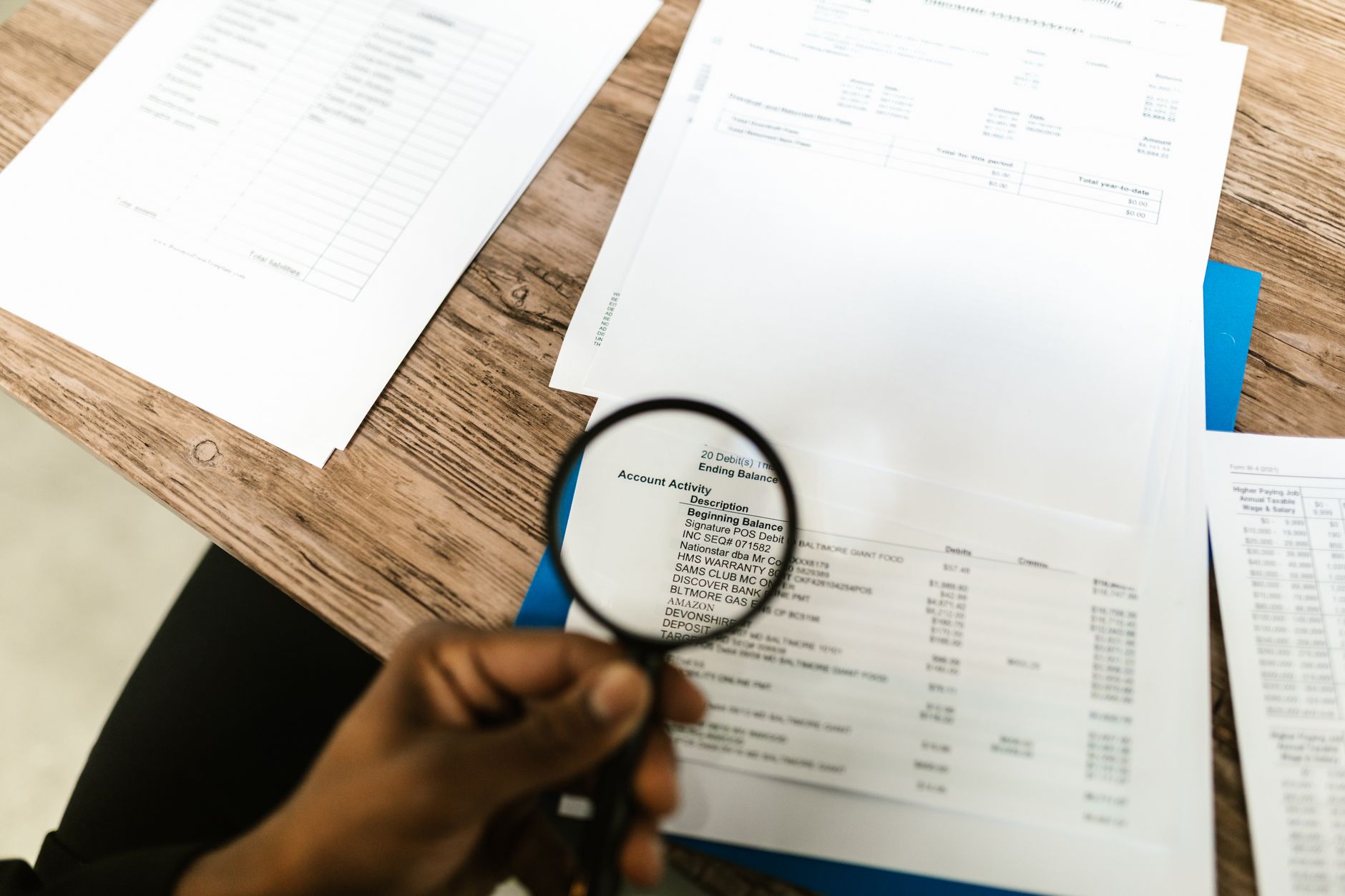
Beyond proving your relationship, you must prove your own identity and, in many cases, your citizenship or legal residency status. For social Security survivor benefits and federal pensions, valid government-issued photo identification such as a driver’s license, passport, or state ID is required. If you’re a non-citizen, you may need proof of legal permanent residency (green card) or other authorized work status documents. The document must be current or only recently expired; an ID that expired a decade ago typically won’t be accepted. Citizenship requirements vary significantly by program.
Social Security survivor benefits are generally available to U.S. citizens and certain non-citizens (including permanent residents and some temporary visa holders), but private pension plans often restrict survivor benefits to U.S. citizens or at minimum require that the beneficiary be legally residing in the country. This is a critical limitation: a non-citizen surviving spouse with valid permanent residency may qualify for Social Security but not for a private corporate pension. Additionally, if you’re outside the United States, you may need to submit your documents to an American embassy or consulate for verification, which can add weeks to the process.
The Death Certificate—Obtaining Certified Copies and Handling Missing Records
The death certificate is the single most important document in your survivor benefits claim, and many claims are delayed because applicants submit non-certified photocopies or digital images instead of official certified copies. Certified copies must be obtained from the vital records office in the state, county, or country where the person died. Ordering these can take 1-4 weeks depending on the jurisdiction, and you typically need multiple copies—Social Security may want one, the pension plan another, and other agencies a third. If the death occurred many years ago or in another country, obtaining a death certificate can become significantly more complicated and expensive.
Deaths abroad, for instance, may require working with a U.S. embassy to get an official record, which can take several months. In rare cases where a death certificate cannot be obtained (such as deaths in a disaster where no body was recovered), the Social Security Administration or pension plan may accept alternative documentation, such as a court order declaring presumed death or a newspaper announcement. However, these alternatives require case-by-case review and are typically approved only after normal channels are exhausted. Expect delays and additional requests for clarification if you’re in this situation.
Birth Certificates and Dependent Child Documentation
If you’re applying as a child of the deceased (whether biological, legally adopted, or stepchild), you’ll need an original or certified birth certificate showing the deceased as a parent. For stepchildren, the requirements are stricter: you’ll need to prove the deceased legally adopted you or that you were living with the deceased when they died and were being wholly supported by them. Social Security requires stepchildren to prove dependency and legal relationship, whereas some private pension plans may not provide survivor benefits to stepchildren at all.
For dependent children under 18, or up to age 19 if still in high school, you’ll need proof of their current enrollment and school records if they’re over 18. Disabled adult children (if the disability began before age 22) require medical records documenting the disability and ongoing treatment. This is a critical point: a child who becomes disabled after the beneficiary’s death typically cannot claim survivor benefits, but a child whose disability began before the beneficiary’s death can claim benefits for life, even after turning 18. One example is a 20-year-old whose parent had a stroke when the child was 16, causing permanent disability; that child would still qualify for survivor benefits years later, but would need medical documentation of the disability’s onset date.
Marriage and Divorce Documentation for Former and Current Spouses
The documentation requirements for spouses can become complex when there are multiple marriages involved. A surviving spouse must provide the original marriage certificate, government-issued ID, and often a birth certificate. However, if the spouse remarried after the beneficiary’s death, the pension plan or Social Security may suspend benefits—depending on when the remarriage occurred. Federal rules allow a surviving spouse to receive benefits if they remarry after age 60 (age 50 if disabled), but private pension plans often have stricter rules or no provision for remarriage.
Former spouses have their own documentation path: to claim a deceased ex-spouse’s benefits, you must prove the marriage lasted at least 10 years, provide the divorce decree, and prove you haven’t remarried since the death. Many people don’t realize that a former spouse can claim survivor benefits even if the divorced ex-spouse remarried and had other children—the Social Security system allocates benefits among all entitled family members. However, this creates a limitation: benefits are divided among all eligible survivors, so if there’s a current spouse and children, the former spouse’s portion may be reduced. A woman divorced for 15 years from a man with a $2,000/month pension may find that her survivor benefit is significantly lower than expected because the pension is divided among the current widow and any surviving children.
Proof of Financial Dependency and Guardianship for Adult Beneficiaries
In certain situations, you may need to document financial dependency or guardianship. If an adult disabled child or adult parent is claiming survivor benefits, you may need to provide evidence of their financial relationship to the deceased—such as tax returns showing the deceased claimed them as a dependent, or documentation that the deceased was providing primary financial support. For parents claiming their adult child’s survivor benefits, you must show that you were wholly or partly dependent on the deceased’s income at the time of death.
📨 Get Free Medicare Guides Alerts
Free · No spam · Unsubscribe anytime
Additionally, if you’re the legal guardian of a minor grandchild and that grandchild qualifies for survivor benefits based on the grandparent’s death, you’ll need guardianship documents from the court. These requirements vary significantly by jurisdiction and by whether the claim is through Social Security or a private pension plan. A 67-year-old grandmother caring for her grandchild after the child’s parent’s death must provide court documents proving guardianship before the child can receive the great-grandparent’s Social Security survivor benefits—and in many pension plans, such claims are rejected entirely because the grandparent-grandchild relationship isn’t covered.
Ongoing Documentation Requirements and Periodic Recertification
Submitting documents once doesn’t end your documentation obligations. Social Security typically requires periodic verification, especially for minor children (to confirm they’re still in school) and disabled beneficiaries (to confirm the disability continues). You should expect mail from Social Security or the pension plan administrator asking for updated proof of enrollment, disability status, or residency. Failing to respond to these requests can result in benefit suspension or termination, even if your claim was properly approved years earlier.
Non-U.S. citizens receiving survivor benefits often face the most stringent ongoing documentation requirements, including annual proofs of residency and periodic contact with U.S. embassies abroad. If you move, marry, or experience a change in living situation, you may be required to report it and provide updated documentation. Many people assume that once benefits are approved, no further documentation is needed—but this assumption has cost thousands of beneficiaries their benefits when they failed to respond to routine verification requests.
Conclusion
Gathering the correct documents before filing your survivor benefits claim significantly reduces the likelihood of delays, denials, or requests for additional information. Start by contacting the Social Security Administration, your plan administrator, or the federal pension office to get a complete checklist specific to your situation, as requirements vary by program and individual circumstances. Request certified copies of birth certificates, death certificates, and marriage documents early, since these can take weeks to obtain from vital records offices.
Beyond the basic documents, your specific situation may require additional items—disability records, school enrollment proofs, guardianship papers, or dependency documentation. Don’t submit photocopies or assume digital images are acceptable; agencies almost always require certified or original documents. Keep copies of everything you submit, stay organized as you gather materials, and respond promptly to any requests for additional documentation once your claim is filed. The effort to properly document your claim upfront will save you months of frustration and ensure you receive the survivor benefits you’re entitled to without unnecessary delays.
Frequently Asked Questions
Can I submit photocopies of my documents or do they have to be certified?
Almost all survivor benefits programs require certified copies of vital records (birth certificates, death certificates, marriage certificates) obtained directly from the government office that issued them. Photocopies and digital scans are not accepted for initial filing. However, some programs may accept photocopies for certain identity documents like driver’s licenses, so verify with your specific agency first.
How long do certified copies of a death certificate take to obtain?
Processing times vary by jurisdiction, typically ranging from 1-4 weeks. Rural areas and some states can take longer. It’s best to order multiple certified copies at once (typically 5-10 copies) since you’ll likely need them for multiple agencies. Expedited services are usually available for an additional fee.
What if the person died in another country?
If the death occurred abroad, you’ll typically need to work with the U.S. State Department or the relevant country’s vital records office. The process can take several months. Contact the nearest U.S. embassy or consulate for guidance on obtaining an official death certificate recognized by U.S. agencies.
Can a surviving spouse who remarried still claim survivor benefits?
It depends on the program and when the remarriage occurred. Social Security allows survivor benefits if remarriage occurred after age 60 (age 50 if disabled). Private pension plans often have stricter rules—some suspend benefits entirely upon remarriage, while others don’t provide survivor benefits to remarried spouses at all. Check your specific plan’s rules.
What documents do I need if I’m a stepchild claiming survivor benefits?
For Social Security, you’ll need proof that you were living with the deceased beneficiary and wholly supported by them at the time of death, plus legal documentation of your relationship (adoption papers or a court order). For private pension plans, stepchildren often aren’t eligible for survivor benefits regardless of documentation, so verify this first.
What if I can’t find certain documents like an old marriage certificate?
Contact the vital records office in the state or county where you were married and request a certified copy. If records were destroyed (by fire, natural disaster, etc.), you may be able to obtain a certified statement from the vital records office confirming the record is missing. The Social Security Administration or pension plan can then advise on alternative documentation that may be acceptable.
You Might Also Like
- Where to Keep Important Documents
- What Do Most 72-Year-Old Americans Receive in Monthly Social Security Benefits
- The Survivor Benefit Application Process