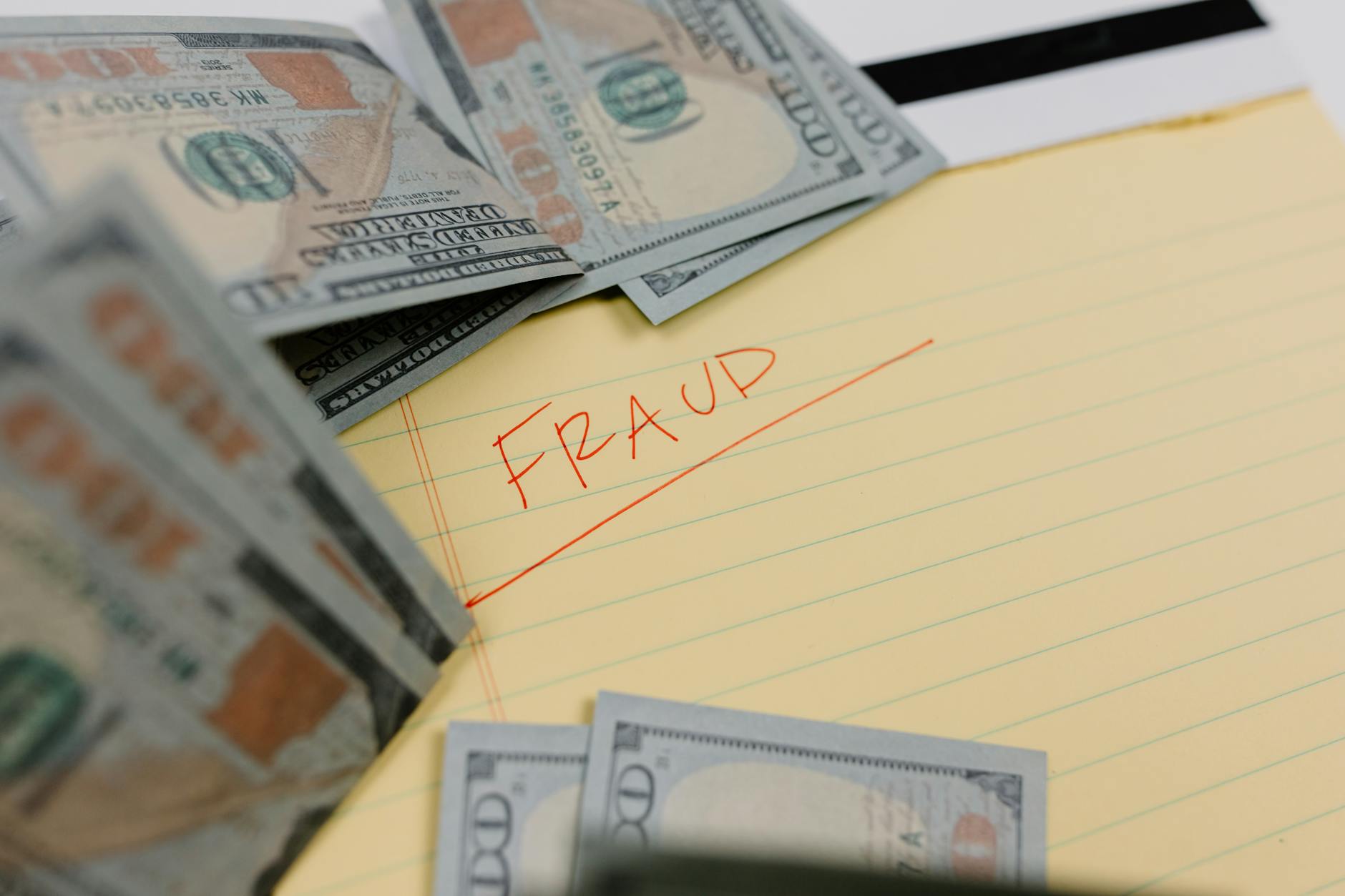
The figure of $108 billion may circulate in discussions about elder financial fraud, but current federal data tells a more detailed story. What we actually know from the FTC, FBI, and AARP is that elder financial fraud costs somewhere between $10 billion and $81.5 billion annually—a staggering range that reflects a critical gap between reported losses and estimated total damage. In 2024, adults 60 and older reported $2.4 billion in fraud losses to the FTC alone, a 26.3% increase from the prior year, while the FBI’s Internet Crime Complaint Center received reports of $4.9 billion in losses from that same age group.
These reported figures almost certainly understate the true problem, as financial exploitation often goes unreported due to shame, confusion, or the victim not realizing they’ve been defrauded. The variation in estimates is not academic—it reflects the fundamental challenge of measuring a crime that frequently stays hidden. When the FTC projects up to $81.5 billion in annual costs to older adults when accounting for unreported fraud, and AARP estimates $28.3 billion in annual losses from elder financial exploitation alone, we’re confronting a reality that extends far beyond what official reports capture. These losses directly drain retirement accounts, force delayed or canceled retirements, and in some cases, push older adults into financial crisis or dependence on family members who may not be prepared to help.
How Much Are Older Adults Actually Losing to Financial Fraud?
The most straightforward answer comes from official reports: $2.4 billion reported to the FTC in 2024 by adults 60 and older, and $4.9 billion reported to the FBI’s IC3. By 2025, IC3 reports had climbed to $7.7 billion from 201,000 victims age 60 and older—a 37% increase over 2024. These are confirmed losses backed by specific complaints. But these numbers likely represent only the tip of the iceberg. The FTC estimates that the true Advertisement
70 for the Average Beneficiary”>annual cost could reach $81.5 billion when accounting for unreported cases, while AARP’s analysis suggests $28.3 billion in annual losses from financial exploitation of adults 60 and older. The gap between reported ($2.4 billion to the FTC) and estimated ($81.5 billion at the high end) underscores how many victims never file a complaint—either because they don’t recognize the fraud, feel ashamed, or distrust the process. Investment scams represent the largest single category of fraud losses, accounting for $1.8 billion in 2024 alone. This matters critically to retirement security because investment fraud often targets people who are specifically trying to grow or protect their nest eggs. A retiree who believes they’re investing in a legitimate opportunity that will supplement their income can lose six or seven figures in a matter of weeks. Notably, 68% of all reported fraud dollars come from cases where the victim lost $100,000 or more, meaning the highest-impact crimes are the ones that cause catastrophic harm to individual retirements, even if they represent a smaller number of total complaints.
Why the Estimates Vary So Wildly
The variation between $10.1 billion and $81.5 billion isn’t a flaw in the data—it’s a reflection of different methodologies and assumptions about unreported fraud. The FTC’s lower estimate typically reflects confirmed reports. The upper estimate accounts for victims who never reported their losses, either because they didn’t recognize the fraud, felt too embarrassed, didn’t know where to report it, or feared legal consequences if they’d been tricked into something they thought was legitimate. The AARP figure of $28.3 billion sits somewhere in between and focuses specifically on financial exploitation of adults 60 and older, which includes family member theft, caregiver fraud, and organized scams—a broader definition than investment fraud alone. Understanding these limitations matters because they affect how we interpret the problem.
If the true cost is $28 billion annually rather than $81 billion, elder fraud is still devastating but perhaps slightly less catastrophic than worst-case estimates suggest. If it’s truly $81 billion, then the scope is enormous enough to warrant dramatic policy intervention. The honest answer is that we don’t know precisely because fraud is, by definition, hard to measure. Victims who lose money to a scammer often have no direct way to report it to anyone but law enforcement. Some never realize they were defrauded. Others do realize it but consider the loss too small to report or too embarrassing to disclose, even anonymously.
The Retirement Account Impact: Which Fraud Types Drain Retirement Savings Most
Investment scams and bogus investment opportunities are the primary threat to retirement accounts specifically, accounting for $1.8 billion in losses in 2024. These scams often target retirees and near-retirees by promising above-market returns, guaranteed income, or “risk-free” investments that no legitimate financial product can offer. A classic example: an older adult receives a call claiming to represent a investment firm, offering a “special opportunity” to roll over their IRA into a high-yield investment that can double their money in five years. By the time they realize the “firm” doesn’t exist and no one will answer their calls, thousands or tens of thousands of dollars have been transferred to an untraceable account.
Beyond pure investment fraud, Social Security number theft and identity fraud also drain retirement accounts. A criminal who obtains an older adult’s Social Security number, date of birth, and other identifying information can apply for credit cards, take out loans, or even file fraudulent tax returns claiming refunds. While these attacks don’t always target retirement accounts directly, they can force retirees to spend years disputing fraudulent charges and correcting their credit, delaying access to legitimate funds or retirement benefits. In some cases, identity fraud has prevented older adults from accessing their Social Security or pension payments until the issue was resolved.
Who Is Most Vulnerable, and What Are the Warning Signs?
Older adults with higher assets face disproportionate risk—not because fraud is more common among the wealthy, but because the impact is measured in dollars, and a successful scam against someone with $500,000 in retirement savings does more damage than one against someone with $100,000. However, fraud victimizes retirees across all income levels. Those living alone, in poor health, or experiencing cognitive decline are particularly vulnerable. Isolation makes it harder for friends and family to notice something is wrong. Cognitive changes—including normal aging-related shifts in processing speed or memory—can make it harder for otherwise intelligent people to recognize red flags.
📨 Get Free Medicare Guides Alerts
Free · No spam · Unsubscribe anytime
Widows and widowers are especially targeted because they may lack someone to double-check their financial decisions. Warning signs include unexpected requests for money from “grandchildren” in distress, solicitations for bank account information from official-sounding callers, pressure to act quickly or keep financial decisions secret, and offers of returns that seem too good to be true. Many older adults learned financial literacy before the internet and before sophisticated identity theft was common, so they may not have the skepticism that comes naturally to people who grew up online. A well-constructed phishing email or fake website can fool anyone, but it’s especially effective against people who didn’t grow up expecting it. The comparison is stark: someone who learned to balance a checkbook in 1965 may be far more trusting of official-sounding communications than someone who’s been bombarded with warnings about phishing since 2005.
Why Detection and Prevention Remain Difficult
Financial institutions are required to flag suspicious transactions, but the bar for what counts as “suspicious” is set partly to avoid false alarms that annoy legitimate customers. A retiree moving $50,000 from a savings account to a wire transfer might trigger a review—or it might not, depending on their account history. If they’ve made similar transfers before, the bank may not flag it. Meanwhile, a scammer can talk a victim into believing the transfer is legitimate (“we’re moving your money to a safer account”), so the victim cooperates fully and even authorizes the transaction themselves. Banks can be held liable for some types of fraud but not others, creating a patchwork of protections. A victim who was socially engineered into authorizing a wire transfer may have limited recourse, because technically they approved it—they just did so under false pretenses.
Age discrimination also plays a subtle role. Many older adults are reluctant to admit when they’ve been scammed, especially if it was their own mistake. A person who fell for a phishing email or gave information to someone impersonating their bank may feel foolish and delay reporting, allowing the criminal more time to act. Additionally, the digital divide means some older adults have less experience with online fraud, making them more vulnerable. Younger people might immediately recognize a misspelled email address or an unsecured website as suspicious. An older adult without heavy internet experience might not have those reflexes, even if they’re perfectly intelligent. The limitation here is clear: no amount of education can completely eliminate vulnerability, because scammers are constantly innovating and using real psychological insights about trust, urgency, and authority.
The Unreported Loss Problem: Why Actual Costs May Be Much Higher
The gap between reported fraud ($2.4–$7.7 billion) and estimated fraud ($28–$81 billion) exists largely because of underreporting. Victims don’t report for several reasons. Some don’t realize they’ve been defrauded until much later, if at all. A person who loses $30,000 to a fake investment opportunity may not notice for months if they weren’t expecting to access that money yet. By the time they discover the fraud, the trail may be cold and reporting feels pointless. Others feel shame or embarrassment, particularly if they fell for a common scam they “should have” recognized.
Still others distrust law enforcement or government agencies and don’t believe reporting will help. A person who speaks English as a second language, or who has had bad experiences with authorities in their home country, may be especially reluctant to file a report. In some cases, victims do report but their complaints aren’t pursued because the case is deemed too small, too complicated, or too old. A $5,000 loss might not trigger a full investigation. A $50,000 loss to an overseas scammer might be technically impossible to prosecute. A victim who realizes years later that a family member has been taking their money might be reluctant to report because it means pressing charges against a relative. This limitation—that reported losses don’t capture the full scope of the problem—means that policy makers, institutions, and older adults themselves may systematically underestimate the risk they face.
What’s Changing and What Older Adults Should Expect
The trend in reported fraud is sharply upward. The FTC saw a 26.3% increase in reported losses from 2023 to 2024. The FBI’s IC3 saw a 43% increase in reported losses from 2023 to 2024, and another 37% jump from 2024 to 2025. These increases suggest either that fraud is becoming more common, or that more people are reporting it, or both. Institutions are beginning to respond with new protections: some banks now require multi-factor authentication for large wire transfers, some phone carriers are cracking down on spoofing, and the FTC has expanded its Consumer Sentinel Network to aggregate complaints across agencies.
But these protections lag behind the innovation of scammers, and they’re not uniformly implemented across all institutions. For retirement security specifically, the trajectory is concerning. As more transactions move online and more older adults become targets, the potential for large-scale losses to retirement accounts will likely grow. At the same time, awareness is increasing—older adults and their families are more likely to know about fraud risks now than they were five years ago. The key forward-looking insight is that fraud prevention requires parallel efforts: technological safeguards from institutions, better reporting and education from agencies, and individual vigilance from older adults themselves. None of these alone is sufficient.
Owed money from a settlement? Check what is open at OpenClassActions.com. Caring for someone with dementia? Find practical guides at HelpDementia.com. Working out a skin routine? Evidence-based answers at AcneAdvocate.com. Forgot the name of a movie? Identify it at FindThisMovie.com. Was your data exposed? Track active breaches at DataBreachRadar.com.
We use cookies to run this site, measure how it’s used, and show
ads. Choose “Essentials only” to limit cookies to what the site needs to work. Privacy Policy. Cookie Policy.