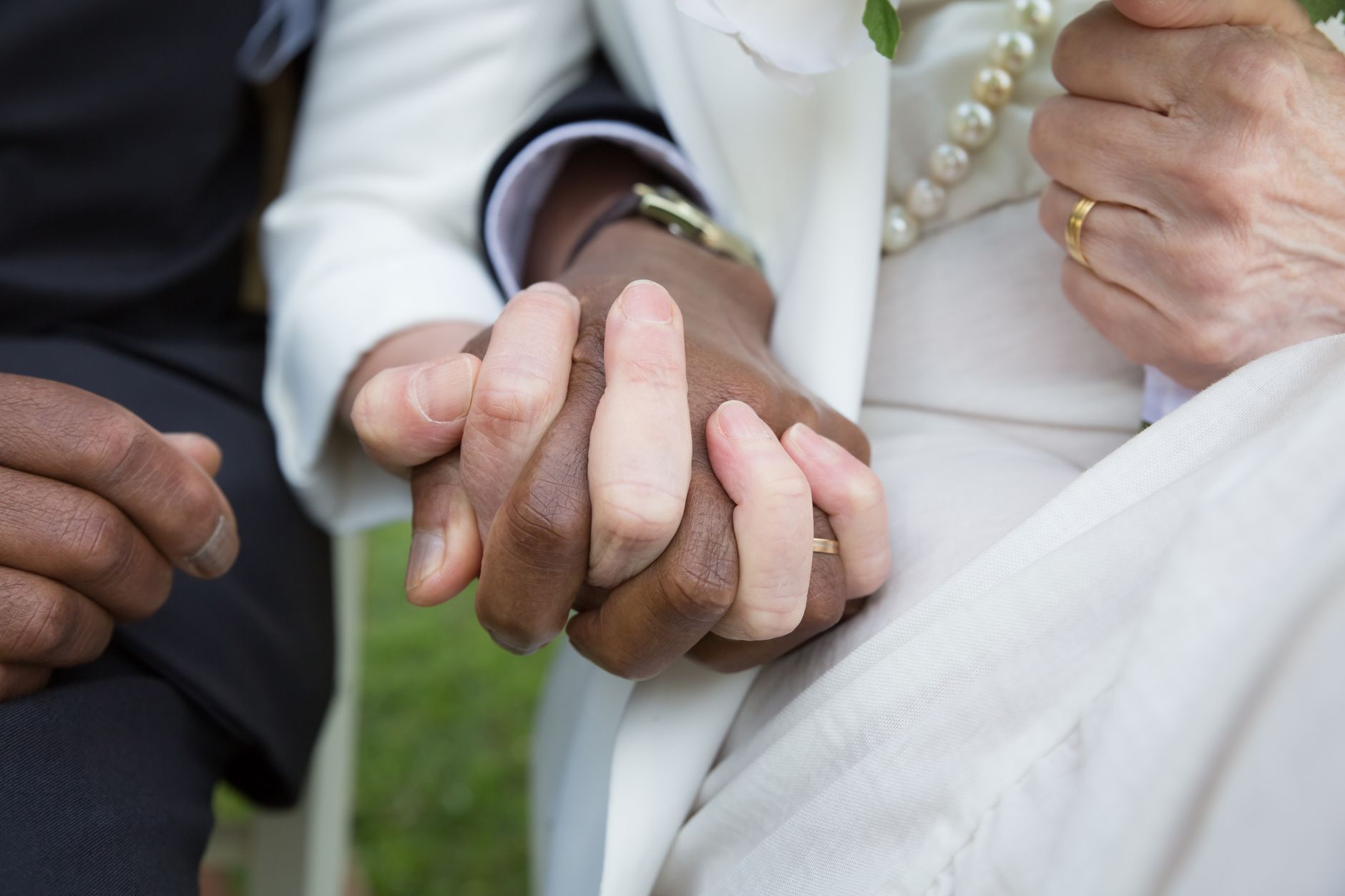
Remarriage can cause you to lose survivor benefits from your deceased spouse—but only if you marry before reaching full retirement age. This rule, established by Social Security, has confounded countless widows and widowers who didn’t realize their financial security hinged on waiting a few more years before saying “I do.” For example, a 55-year-old widow receiving $2,400 monthly in survivor benefits might lose all of it immediately upon remarriage, only to potentially regain eligibility after reaching age 60, when the rules change. Understanding how remarriage interacts with survivor benefits is essential to protecting your financial future after the loss of a spouse.
The stakes are highest for younger survivors and those not yet of retirement age. A person who remarries at 50 faces permanent loss of benefits that could have continued until age 60, representing tens of thousands of dollars in lost income. The mechanics of this rule vary depending on whether you’re collecting Social Security survivor benefits, pension benefits, or both—and different government and private pension plans sometimes apply their own rules that differ from Social Security’s approach.
Table of Contents
- How Does Remarriage Affect Your Survivor Benefits?
- The Age 60 Threshold and Its Real-World Impact
- Divorced Widow/Widowers and Remarriage Complications
- Strategies for Timing Remarriage and Maximizing Benefits
- Applying Unacknowledged or Common Pitfalls in Remarriage and Survivor Benefits
- Exceptions and Special Circumstances
- Planning Ahead and Documenting Your Decisions
- Conclusion
- Frequently Asked Questions
How Does Remarriage Affect Your Survivor Benefits?
Remarriage before full retirement age terminates your eligibility for Social Security survivor benefits based on your deceased spouse’s earnings record. The moment the marriage license is signed, your monthly payments stop. This applies whether you remarried intentionally, didn’t realize the rule existed, or thought you could simply reapply later. The rule is automatic and unforgiving: Social Security does not send warning letters before the payment stops, and many survivors don’t learn of the consequence until they contact the agency to update their marital status. The critical age threshold is 60 for most survivors.
If you remarry at 60 or later, you retain your survivor benefits without penalty. If you remarry between ages 50 and 59, you lose benefits immediately, but you can become eligible again once you reach 60 and remarry (or if the new marriage ends). For those under 50, remarriage triggers permanent loss of survivor benefits—you cannot requalify later, even after reaching 60, unless you divorce or if the new spouse dies. A 48-year-old widow who remarries loses all rights to her deceased husband’s benefits permanently. This cliff effect at age 50 is the reason some widows have explicitly delayed marriage proposals or reconsidered relationships: they’re doing the math on financial security versus companionship.

The Age 60 Threshold and Its Real-World Impact
Age 60 is the magic number where remarriage no longer disqualifies you from survivor benefits—but getting there requires patience and means living on reduced income for years. Between ages 50 and 59, you walk a dangerous middle ground: remarriage costs you benefits, but you’re not yet old enough to protect yourself by waiting. A 52-year-old survivor with two years of remarriage waiting ahead may face enormous pressure to choose between love and security, especially if living on survivor benefits is already a financial strain. Pension survivor benefits operate under different rules that vary by plan.
Some government and union pensions allow survivor benefits to continue after remarriage, while others have similar age-60 thresholds or different cutoff ages altogether. A widow receiving survivor benefits from her deceased husband’s union pension at age 55 might retain those benefits after remarrying, while her Social Security survivor benefits stop—forcing her to track multiple rules across different programs. The lack of uniformity creates confusion and trap opportunities. Some survivors unknowingly lose benefits they could have kept simply because they didn’t realize their pension plan had different rules than Social Security.
Divorced Widow/Widowers and Remarriage Complications
If you were divorced from your deceased spouse, the remarriage rules are identical to those for married survivors. A divorcee who was married at least 10 years, is now 55, and has been living on survivor benefits faces the same choice: remarry before 60 and lose those benefits permanently, or wait until 60 to remarry safely. The 10-year marriage requirement is a separate test—as long as that was met, remarriage rules apply the same way.
Remarrying a new spouse introduces another layer of complexity if you later need to apply for spousal or survivor benefits on your current spouse’s record. You cannot use your previous deceased spouse’s record for benefits if you’ve remarried, even if the new marriage ends—you must wait until age 60 to use the prior spouse’s record. A woman who remarries at 55 and later divorces at 62 cannot access her first deceased husband’s survivor benefits; she can only use her current deceased spouse’s record or her own retirement benefit. This permanent loss of access to your first deceased spouse’s benefits is a real cost of remarriage before 60, even if the new marriage doesn’t last.

Strategies for Timing Remarriage and Maximizing Benefits
The most straightforward strategy is delaying remarriage until age 60 if survivor benefits are a significant part of your income. This allows you to receive years of benefits that would otherwise be forfeited and reaches the safe threshold where remarriage no longer terminates eligibility. For a 55-year-old widow receiving $2,400 monthly, waiting until 60 means receiving roughly $144,000 in benefits over those five years—a real financial cushion that disappears if you remarry before 60. However, this strategy assumes that remarriage is optional and can be timed strategically.
In reality, love doesn’t wait, and the opportunity to remarry may not still exist at 60. Some widows and widowers have chosen to remarry despite the financial cost, valuing companionship, security, and emotional support over the continued income stream. This is a legitimate personal choice, but it requires intentional financial planning to offset the lost benefits. If you’re earning income from work, being remarried might actually improve your household finances more than the survivor benefits would, making the tradeoff worth it. The calculation is deeply personal and depends on your relationship timeline, financial situation, and life priorities.
Applying Unacknowledged or Common Pitfalls in Remarriage and Survivor Benefits
One common mistake is not understanding that remarriage is defined as a legal marriage, not just cohabitation or commitment ceremonies. Some survivors live with partners without legally marrying, specifically to preserve survivor benefits. While this works technically, it creates vulnerability and complexity: you cannot claim spousal healthcare or survivor benefits on your partner’s record, and your financial security is precarious if the relationship ends. Another mistake is assuming that if you remarry and then divorce, you can requalify for your previous spouse’s survivor benefits. Once you remarry, that access is permanently closed, even if the new marriage ends in divorce.
A subtle but costly pitfall is not notifying Social Security of a new marriage promptly. Some survivors hope that if they don’t report the marriage, the benefits will continue. This is fraud, and Social Security will eventually discover the marriage through other agencies. You’ll be required to repay all benefits received while married, potentially creating a massive debt. Social Security takes years to recover these overpayments, and the process is stressful. Additionally, failing to report changes puts you at risk of criminal prosecution for benefits fraud, a black mark on your record and a potential barrier to future government benefits.

Exceptions and Special Circumstances
Remarriage after age 60 is entirely safe—your benefits continue without interruption. If you remarry at 61, 70, or 85, the survivor benefits keep flowing. This is the primary exception to the general rule: once you reach 60, remarriage is no longer a concern. Additionally, if your new spouse dies, you can become eligible again for your first deceased spouse’s survivor benefits, provided the first deceased spouse’s record still qualifies you.
📨 Get Free Medicare Guides Alerts
Free · No spam · Unsubscribe anytime
A 58-year-old woman who remarries and then becomes widowed again at 62 can switch to her first deceased husband’s survivor benefits at that point, recovering access she lost when she remarried. Some survivors are unaware that disabled survivors have different rules. If you’re a disabled widow or widower under 60, the age-60 threshold doesn’t apply to your case—your benefits terminate upon remarriage regardless of age, and you cannot requalify later. For disabled survivors, remarriage is a more severe penalty because there is no safe age to remarry without losing benefits.
Planning Ahead and Documenting Your Decisions
If remarriage is likely in your future and you’re under 60, consider meeting with a Social Security representative or financial advisor before pursuing a new relationship. Understanding the financial impact allows you to make an intentional decision rather than stumbling into loss of benefits.
Some people document their choice—keeping records of when they were informed about the rule and when they chose to remarry anyway—in case questions arise later about whether they acted intentionally. Looking forward, the Social Security Administration continues to review survivor benefit rules, and remarriage policies have been debated in policy circles as potentially unfair to younger survivors. No changes are imminent, but staying informed about policy updates is wise if you’re approaching the age where remarriage might affect your eligibility.
Conclusion
Remarriage and survivor benefits create a significant financial choice point for those under 60. Remarrying before age 60 means losing Social Security survivor benefits immediately and permanently (unless you’re between 50 and 59, in which case you regain eligibility at 60). The decision to remarry should account for this real cost: potentially tens of thousands of dollars in lost income over the years until you would have naturally stopped receiving benefits.
For some, the emotional and relational benefits of remarriage justify this cost; for others, waiting until age 60 or beyond preserves crucial financial security. Your next step should be verifying your current survivor benefits amount, confirming your exact age, and planning accordingly. Contact Social Security to confirm your eligibility rules, and if you anticipate remarriage, have a frank conversation with a financial advisor about the trade-offs specific to your situation. Don’t let this important rule be discovered after a remarriage you didn’t realize would be costly—educate yourself and make the choice with full information.
Frequently Asked Questions
If I remarry after age 60, do I keep my survivor benefits?
Yes. Remarriage at age 60 or later does not affect your eligibility for survivor benefits based on your deceased spouse’s record. Your benefits continue without interruption.
Can I requalify for survivor benefits if my second marriage ends in divorce?
No. If you remarried before age 60, you permanently lost access to your first deceased spouse’s survivor benefits. Divorcing your second spouse does not restore that access. You would need to apply for benefits on your second spouse’s record (if eligible) or use your own retirement benefits.
What if I didn’t know about this rule and remarried before age 60?
Contact Social Security immediately to discuss your situation. You may be able to request an exception in rare circumstances, though these are not commonly granted. If you’ve been receiving benefits while married, you may owe a repayment.
Do government and private pensions have the same remarriage rules as Social Security?
No. Different pension plans have different rules. Some allow survivor benefits to continue after remarriage; others have different age thresholds. You must check with your specific pension plan to understand their rules.
If I’m between 50 and 59 and remarry, can I ever get those benefits back?
Yes, but only if you remarry at or after age 60. If you remarried between 50 and 59, you become eligible again when you turn 60, though you must remarry at that point to trigger the benefits. If you remain unmarried after turning 60, you can request restoration of benefits.
What if I have a disabled child as a dependent survivor?
Your child’s benefits are based on the deceased parent’s record and are not directly affected by your remarriage. However, your own survivor benefits may stop, which could affect household finances and your ability to support the child.
You Might Also Like
- When to Apply for Survivor Benefits
- The Six Month Rule for Survivor Benefits
- Documents Needed for Survivor Benefits