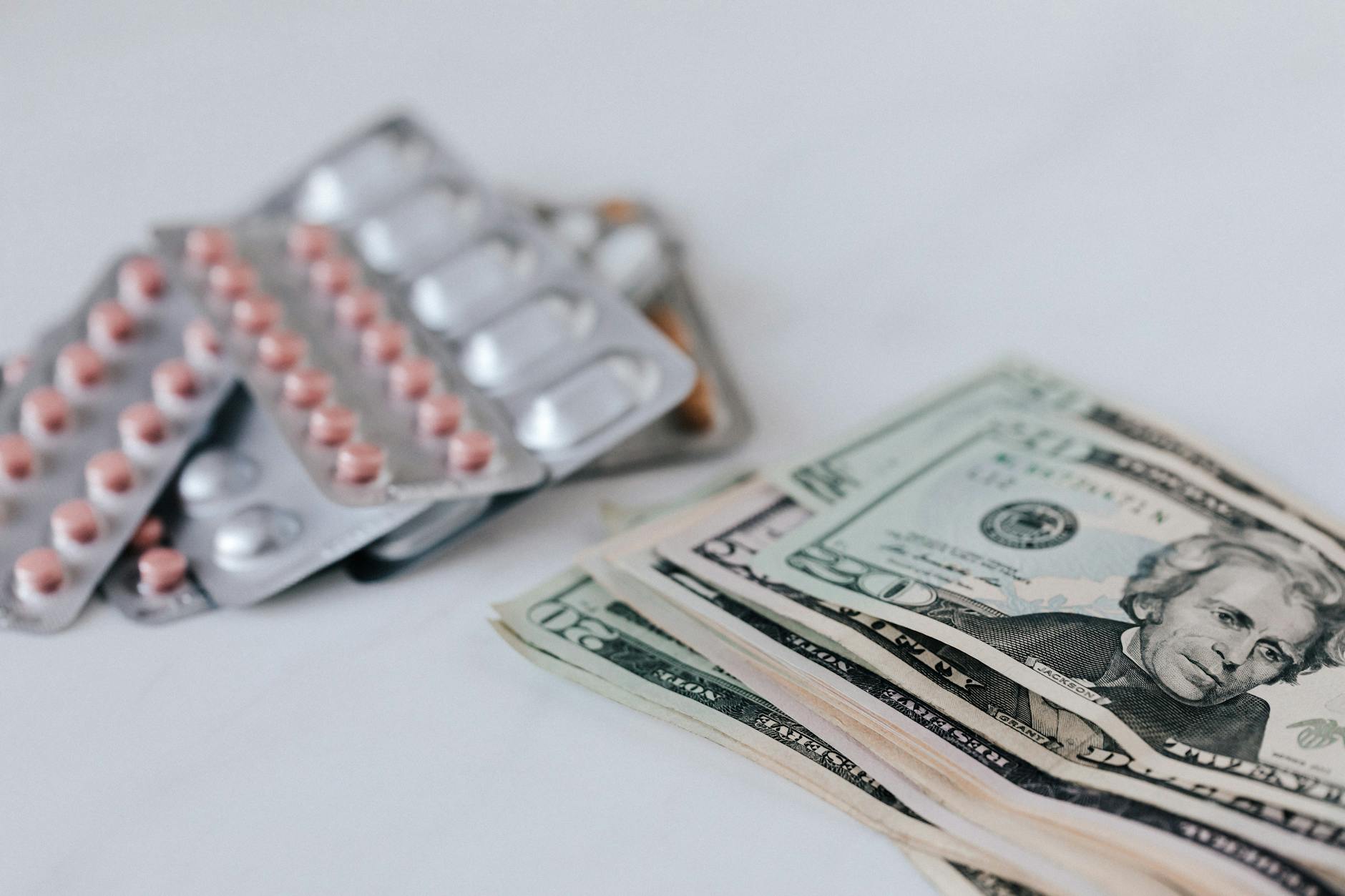
Prescription drug costs are rising roughly five times faster than Social Security cost-of-living adjustments, creating a hidden erosion of retirement income that many seniors don’t see coming. While the 2026 Social Security COLA increased by 2.8%—benefiting 75 million Americans—Medicare Part B premiums jumped 9.7%, climbing from $185 per month in 2025 to $202.90 in 2026. For most retirees, this $17.90 monthly increase alone consumes 40 to 60 percent of that COLA bump, leaving little to nothing left over for daily living expenses.
Take a concrete example: A retiree receiving a $2,000 monthly Social Security benefit in 2025 would see an increase of just $56 in 2026 from the COLA adjustment. But that same retiree’s Medicare Part B premium climbs by $17.90 per month, or roughly $215 annually. Add in rising prescription drug costs—which continue to outpace inflation even with new Medicare negotiation rules in place—and the purchasing power of that COLA increase evaporates. For many seniors managing multiple chronic conditions, medication costs alone can wipe out any gain they receive from Social Security’s annual adjustment.
Table of Contents
- How Fast Are Prescription Drug Prices Really Rising Compared to Your Social Security Increase?
- The Hidden Tax: Medicare Premiums Eat Half Your COLA Before You See It
- Why Prescription Drug Prices Continue Rising Even With Medicare Negotiation Rules
- Real Numbers: What the 2027 COLA Forecast Tells Us About the Outlook
- The Medication Dilemma: Skipping Doses, Cutting Pills, and Health Consequences
- What Economists Mean When They Say COLA Is “Completely Erased”
- Looking Ahead: Can Policy Changes Address the Prescription Cost Crisis?
- Conclusion
How Fast Are Prescription Drug Prices Really Rising Compared to Your Social Security Increase?
The numbers are stark. The 2.8% COLA increase announced for 2026 sounds modest, but it pales in comparison to the healthcare cost escalation seniors face. The out-of-pocket drug spending limit under Medicare Part D increased from $2,000 in 2025 to $2,100 in 2026—a 5% jump. Meanwhile, many brand-name medications have seen price increases well into double digits over the past few years.
Insulin prices, for instance, have historically climbed faster than the general inflation rate, forcing many diabetic seniors to cut pills in half or skip doses to stretch their prescriptions. The disconnect between COLA and drug price inflation has real consequences. A senior managing type 2 diabetes, hypertension, and high cholesterol might face annual medication costs of $3,000 to $5,000 or more, even with Medicare coverage. When those costs rise 5 to 10 percent annually—as they often do—while your COLA increase sits at 2.8%, you’re falling further behind every single year. This isn’t a temporary blip; it’s a structural problem that compounds over time.

The Hidden Tax: Medicare Premiums Eat Half Your COLA Before You See It
Here’s the hard truth many retirees discover too late: nearly half of their COLA increase disappears before they ever deposit a check. The 2026 Medicare Part B premium increase of $17.90 per month represents a direct, immediate reduction in spending power. But Medicare Part B is just one piece of the puzzle. Part D premiums (prescription drug coverage) also fluctuate yearly, often rising in step with drug prices.
Additionally, the out-of-pocket maximum under Part D increased to $2,100, meaning seniors could face higher costs before catastrophic coverage kicks in. The limitation here is that COLA calculations don’t account for accelerating healthcare costs. The COLA formula looks at the Consumer Price Index for urban wage earners and clerical workers, which captures general inflation but doesn’t weight healthcare costs heavily enough to reflect what seniors actually spend. As a result, the COLA figure can feel generous on paper while being wholly inadequate in practice. Some financial advisors warn that for a typical retiree with multiple prescriptions, the 2.8% COLA increase may be completely offset by healthcare expenses alone.
Why Prescription Drug Prices Continue Rising Even With Medicare Negotiation Rules
The 2026 Medicare drug price negotiation program was supposed to offer relief, but expectations have often outpaced reality. While Medicare can now negotiate prices for certain high-cost medications, the negotiation authority is limited to a small number of drugs each year—10 in 2026—and the negotiated prices don’t take effect immediately. Many medications still cost more than they did the previous year, even after negotiation. Additionally, pharmaceutical manufacturers have found ways to introduce new formulations or slight variations of existing drugs to circumvent negotiation rules, keeping prices elevated.
Healthcare inflation itself is being fueled by factors beyond just medication costs. Tariffs on imports, supply chain disruptions, and increased manufacturing costs all contribute to rising drug prices. Experts citing these emerging factors warn that seniors’ drug expenses could accelerate further in 2027 and beyond, potentially growing faster than the projected 3.9% COLA increase The Senior Citizens League forecasted for that year. Without stronger price controls or broader negotiation authority, the gap between COLA and drug cost growth is unlikely to narrow.

Real Numbers: What the 2027 COLA Forecast Tells Us About the Outlook
The Senior Citizens League projects a 3.9% COLA increase for 2027 based on data through April 2026—a noticeable bump from 2026’s 2.8%. Sounds encouraging, but context matters. Even a 3.9% increase would mean roughly $78 in additional monthly benefits for someone receiving $2,000 per month. If Medicare premiums rise by another 5 to 10 percent in 2027, that COLA gain again gets partially wiped out before the check clears.
The tradeoff is between optimism and realism. While some analysts highlight the projected 3.9% COLA as a sign of improvement, others caution that this figure depends on inflation data from the coming months. If healthcare costs spike due to tariff impacts or other unforeseen pressures, the actual 2027 COLA could be lower. Seniors relying solely on COLA increases to offset rising medication costs are essentially betting that inflation will cooperate—a risky strategy given the unpredictable nature of healthcare pricing.
📨 Get Free Medicare Guides Alerts
Free · No spam · Unsubscribe anytime
The Medication Dilemma: Skipping Doses, Cutting Pills, and Health Consequences
When COLA increases fail to keep pace with prescription drug costs, seniors often face an impossible choice: pay for medications or pay for food, utilities, and other necessities. Some reduce dosages without medical approval; others skip doses or stretch prescriptions. These behaviors have serious health implications. A senior who stops taking blood pressure medication to save money faces increased risk of stroke or heart attack.
One who reduces diabetes medication risks complications like kidney disease or neuropathy. Over time, these health consequences can lead to emergency room visits, hospitalizations, and even steeper medical bills. The limitation of relying on Social Security and Medicare alone is that neither program was designed to sustain the purchasing power of retirees in an environment where healthcare costs grow significantly faster than COLAs. Seniors without supplemental income, retirement savings, or family support are particularly vulnerable. Medications for chronic conditions—which most seniors have multiple of—represent a non-discretionary expense that can’t be postponed or eliminated without serious health consequences.

What Economists Mean When They Say COLA Is “Completely Erased”
When financial experts warn that the COLA increase may be “completely erased” by healthcare costs, they mean that after accounting for Medicare premium increases, Part D costs, and out-of-pocket drug spending, a retiree’s net gain in purchasing power is zero or even negative. A 2.8% COLA that translates to $56 per month sounds like something, but if that same retiree’s total healthcare costs rise by $100 per month, they’ve effectively lost $44 in spending power. This scenario plays out across millions of households.
A couple receiving combined Social Security benefits of $4,000 per month would gain roughly $112 from a 2.8% COLA. But if their Medicare and prescription costs together climb by $150 per month, they’re in the red. The cumulative effect over several years means seniors become steadily less able to afford other essential expenses.
Looking Ahead: Can Policy Changes Address the Prescription Cost Crisis?
The future of retirees’ healthcare affordability depends partly on whether policymakers strengthen drug price negotiation authority or expand it beyond the current pilot programs. Additional Medicare drugs could be added to the negotiation list each year, potentially creating more significant price pressure. However, pharmaceutical companies have lobbied heavily to limit such changes, and progress has been slow.
As tariffs and supply chain issues continue to affect medication costs, seniors and policymakers alike will need to confront the fundamental mismatch between COLA growth rates and healthcare inflation. The projected 3.9% COLA for 2027 offers some hope, but without structural changes to how drug prices are regulated or how COLA is calculated, the gap is likely to persist. Retirees should prepare for the possibility that COLAs will continue lagging healthcare costs, making supplemental income, strategic medication sourcing, and careful budgeting more important than ever.
Conclusion
Prescription drug costs rising five times faster than Social Security COLAs is not an exaggeration—it’s a mathematical reality that affects tens of millions of American retirees. The 2.8% COLA increase for 2026 sounded promising until the 9.7% Medicare Part B premium hike consumed half of it before beneficiaries even received their first benefit check. Add in rising prescription drug costs, and many seniors are left with less purchasing power despite receiving a COLA adjustment.
The path forward requires honest acknowledgment that COLA, Medicare premiums, and prescription drug costs are on fundamentally misaligned trajectories. Retirees should not rely solely on COLA increases to maintain their standard of living. Instead, those with means should prioritize building additional retirement savings, exploring medication assistance programs, and consulting with financial advisors who understand the specific pressures of healthcare inflation. For those without supplemental resources, advocacy for stronger drug price negotiation authority and reform of the COLA formula becomes increasingly urgent.
You Might Also Like
- Social Security Benefit Reduction in 2033: The Numbers Are Worse Than You Think
- Warning: Social Security Benefits Could Be Cut by 21% Automatically in 2033 Without Congressional Action
- New Study Found Retirees Who Claim Social Security at 62 Receive $182,000 Less Lifetime Than Those Who Wait