
The average cost of a nursing home room in 2026 falls between $9,733 and $11,294 per month, depending on whether you’re planning for a semiprivate or private room. Based on the most current data from February 2026, semiprivate rooms average around $9,842 monthly—a figure that closely aligns with the $9,733 estimate when accounting for regional variation and facility type differences. For context, this translates to nearly $118,000 annually for a semiprivate arrangement, or $135,528 for a private room at the higher end of the spectrum. To put this in perspective, a semiprivate nursing home room now costs roughly equivalent to the median annual household income in the United States, making long-term care one of the largest financial decisions families face in retirement.
The $9,733 monthly figure represents what many Americans can expect to pay for intermediate or standard care, though the actual cost depends heavily on location, facility quality, and room configuration. Someone retiring in Texas, for example, might find semiprivate rooms averaging $5,125 monthly, while the same care in Alaska could cost $32,220—a staggering sixfold difference. These costs have grown steadily and are projected to increase further, reaching approximately $11,077 per month for semiprivate rooms by 2030, a 12.5% jump from 2026 levels. Understanding these figures is essential for anyone approaching retirement or caring for aging parents, as nursing home costs can quickly deplete savings and require careful Medicaid planning.
Table of Contents
- How Much Does a Nursing Home Room Actually Cost in 2026?
- Why Has Nursing Home Care Become So Expensive?
- The Difference Between Private and Semiprivate Rooms and What It Means for Your Budget
- Planning for the Cost: What Should Your Budget Look Like?
- Geographic Cost Variations and What They Tell You About Quality and Value
- Planning for Cost Growth: The 2030 Outlook
- What the $9,733 Figure Tells You About Your Retirement Planning
- Conclusion
How Much Does a Nursing Home Room Actually Cost in 2026?
The answer depends on room type and geography, but the current market data is clear: expect to pay between $9,600 and $12,000 monthly for standard nursing home care in most parts of the United States. The U.S. News data from February 2026 reports median costs of $9,842 for semiprivate rooms and $11,294 for private rooms, while CareScout’s 2026 Cost of Care Report shows slightly different figures at $9,581 for semiprivate and $10,978 for private arrangements. These variations reflect differences in how costs are calculated and which facilities are surveyed, but they cluster tightly enough to confirm that the $9,733 figure sits squarely in the mainstream range.
What many people overlook is that these “average” numbers mask enormous geographic disparities. The five least expensive states for semiprivate nursing home care in 2026 are Texas ($5,125/month), Missouri ($5,262), Oklahoma ($5,475), Louisiana ($5,759), and Arkansas ($6,083). A couple retiring to a small town in rural Texas could manage nursing home costs at less than $62,000 per year, while the same care in Alaska’s Anchorage exceeds $32,000 monthly. The difference isn’t just a matter of cost-of-living adjustments; Alaska’s remote location, regulatory environment, and limited competition among facilities all contribute to prices nearly six times higher than Texas. For families with significant assets, this geographic flexibility can be a crucial factor in retirement planning.

Why Has Nursing Home Care Become So Expensive?
Multiple factors drive the high costs of nursing home care, and understanding them helps explain why $9,733 per month has become the new baseline. Nursing homes are labor-intensive operations where staffing typically accounts for 60% to 70% of operating costs. Licensed nurses, certified nursing assistants, food service staff, maintenance workers, and administrative personnel all require competitive wages, benefits, and training. Additionally, facilities must comply with strict Medicare and Medicaid regulations regarding staff-to-patient ratios, infection control, documentation, and safety standards. A facility failing to meet these requirements faces hefty fines, so compliance costs are non-negotiable and ultimately passed to residents.
The infrastructure costs are equally substantial and often underestimated by those unfamiliar with healthcare operations. Nursing homes require specialized flooring, handrails, accessible bathrooms, emergency backup power systems, and medical equipment that’s far more expensive than standard residential infrastructure. Insurance, property taxes, utilities, and maintenance on aging facilities add millions to annual budgets. Beyond these baseline expenses, many facilities have invested in upgrades—private rooms, better dining options, activity programs, and assisted living services—to remain competitive. A warning worth emphasizing: facilities offering significantly lower costs may be operating with minimal staffing or limited amenities, which correlates with lower quality outcomes and higher rates of regulatory violations. The cheapest option isn’t always the best choice for your loved one’s safety and wellbeing.
The Difference Between Private and Semiprivate Rooms and What It Means for Your Budget
The choice between a private and semiprivate room represents the single largest cost variable in nursing home care, aside from geography. In 2026, a private room costs approximately $11,294 monthly versus $9,842 for semiprivate, a difference of roughly $1,450 per month or $17,400 annually. While the absolute difference might seem modest in percentage terms (about 15%), it compounds dramatically over a multi-year stay. A three-year nursing home stay in a private room costs approximately $406,584 compared to $354,312 for semiprivate—a difference exceeding $50,000. For families working with fixed retirement assets or limited long-term care insurance, this difference can determine whether the stay exhausts savings before Medicaid eligibility kicks in.
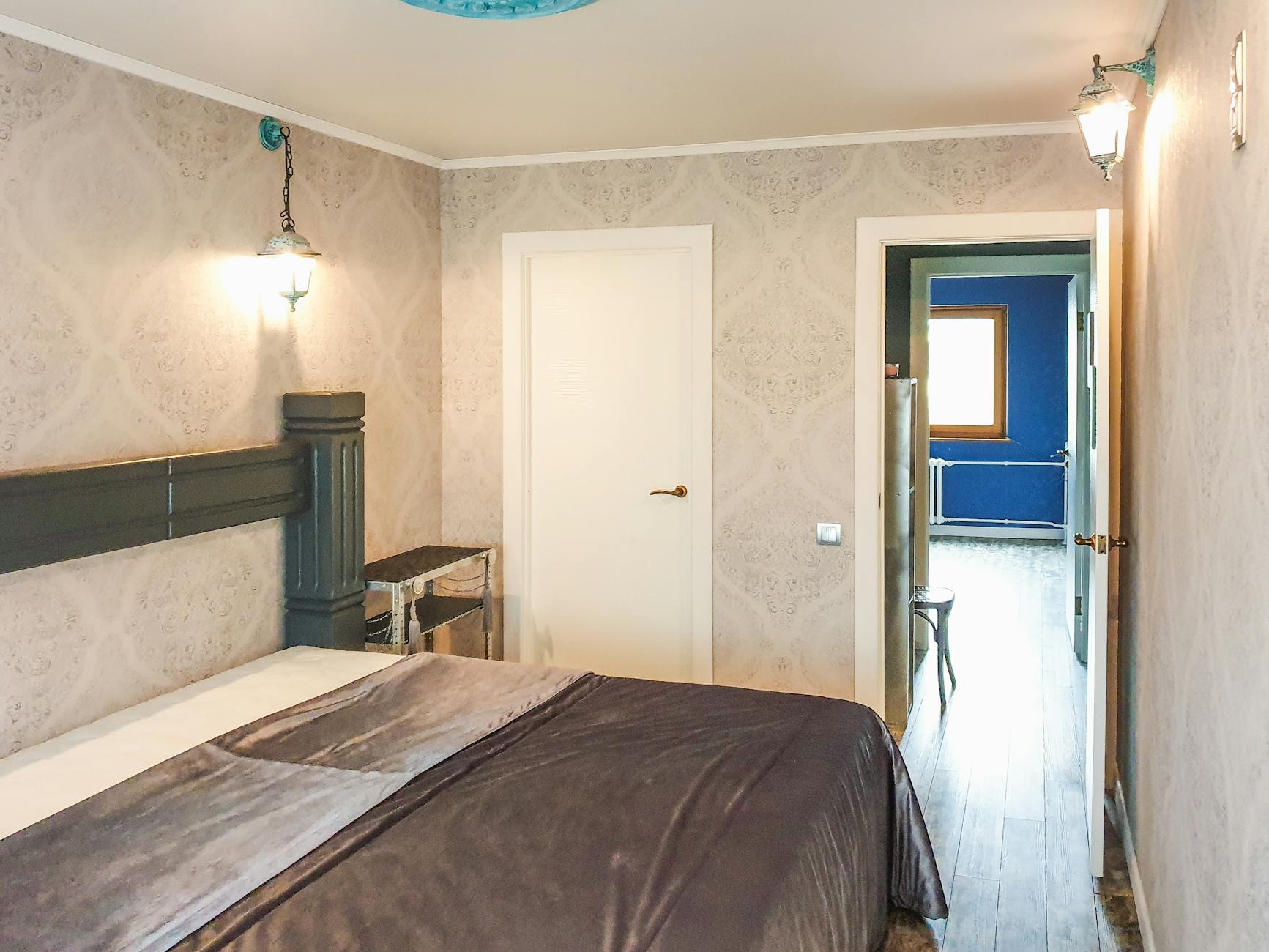
Semiprivate rooms pair residents with a roommate, which creates both practical and personal considerations beyond cost. Some people appreciate the companionship and reduced loneliness; others struggle with loss of privacy and potential conflicts over visiting hours, television volume, or personal care routines. The quality of this arrangement depends almost entirely on facility management and roommate matching—something not guaranteed. Private rooms offer autonomy and dignity but can amplify isolation, particularly for residents with limited family involvement or social skills. Many people plan for semiprivate care but negotiate for private rooms once admitted, if finances allow, after assessing their loved one’s actual needs and temperament. This flexibility is rarely negotiated upfront but can sometimes be arranged if the facility has availability.
Planning for the Cost: What Should Your Budget Look Like?
Financial planners increasingly recommend that individuals approaching retirement account for at least one year of nursing home care as a line-item expense, assuming an average cost of $117,000 to $135,000. For couples, the calculation becomes more complex: if only one spouse requires nursing home care, that person’s Medicaid eligibility is calculated separately, while the well spouse can retain assets up to a state-specific limit (averaging around $130,000 as of 2026). This spousal protection is critical because it prevents the well spouse from impoverishment due to nursing home costs. Without this protection, one spouse entering a facility at $9,733 monthly could drain the couple’s entire shared assets within two to three years.
Long-term care insurance becomes a viable strategy only for people with significant assets and a family history of extended care needs, given premiums typically range from $1,500 to $3,000 annually for a 55-year-old. Medicaid planning is often the more practical alternative for middle-income families, but it requires advance knowledge of transfer rules and income thresholds. Starting this conversation at age 50 or 55, rather than waiting until a crisis occurs, gives families time to explore options without pressure or time constraints. Those who ignore this planning often face difficult choices: depleting life savings, placing unsustainable burdens on adult children, or accepting lower-quality facilities because that’s what’s affordable. The tradeoff of addressing this early is time spent on uncomfortable conversations; the cost of delay is often financial devastation during vulnerable years.
📨 Get Free Medicare Guides Alerts
Free · No spam · Unsubscribe anytime
Geographic Cost Variations and What They Tell You About Quality and Value
The enormous geographic spread in nursing home costs—from $5,125 in Texas to $32,220 in Alaska for semiprivate rooms—warrants careful scrutiny. Lower costs don’t automatically signal lower quality, but they do reflect real differences in labor markets, real estate costs, and facility density. In Texas, a robust competitive market with numerous facilities keeps prices down through genuine competition. Alaska’s high costs partly reflect geographic isolation, limited facility options, and the state’s higher cost-of-living across all sectors. However, a critical limitation of cost-based analysis is that it tells you nothing about care quality, staffing stability, or outcome measures like pressure ulcers, infections, or resident satisfaction.
A significant warning: when evaluating facilities primarily on cost, families often miss red flags that become apparent only after admission. A facility charging $6,000 monthly might operate with skeletal staff and minimal activities, while another charging $8,000 might have better nurse-to-resident ratios and stronger quality controls. State inspection reports, staffing metrics, and family interviews with current residents should drive facility selection far more than raw monthly cost. The Medicare Care Compare website and state health department inspection databases provide this information free and should be consulted regardless of the facility’s advertised price. Selecting a facility based solely on fitting the budget of $9,733 monthly, without investigating quality metrics, is a common mistake that families later regret.

Planning for Cost Growth: The 2030 Outlook
Nursing home costs are not static, and future planning must account for inflation specific to healthcare. Current projections estimate that semiprivate room costs will reach approximately $11,077 monthly by 2030—a 12.5% increase from 2026 levels. This projection is conservative compared to historical trends; the actual inflation rate for healthcare services over the past decade has frequently exceeded 4% to 5% annually, meaning 2030 costs could potentially exceed $12,500 monthly for semiprivate rooms. For someone retiring at age 65 with a life expectancy of 85, planning for two decades means accounting for roughly double the current cost of care by their 80s.
This cost trajectory has profound implications for Medicaid planning and long-term care insurance decisions. Policies purchased at age 55 become increasingly valuable as inflation erodes their fixed coverage amounts; conversely, waiting until age 65 or 70 to purchase insurance means higher premiums for less beneficial coverage. For families with substantial assets, accelerated spending or strategic gifting within the legal limits may be appropriate. Those with modest assets should prioritize understanding their state’s Medicaid rules and thresholds immediately, rather than waiting until a health crisis forces rushed decisions. The window for deliberate, tax-efficient planning closes quickly once nursing home admission becomes imminent.
What the $9,733 Figure Tells You About Your Retirement Planning
The establishment of $9,733 as a baseline nursing home cost in 2026 represents a significant milestone: it’s now higher than median household retirement income for many Americans and comparable to a second mortgage payment. This figure should function as a planning trigger, not merely as a statistic. If you have a net worth below $300,000 outside your home and are approaching retirement, you should have a concrete Medicaid strategy in place. If you have between $300,000 and $1,000,000 in liquid assets, long-term care insurance or strategic Medicaid planning becomes a priority conversation with a financial advisor. Those with more substantial assets have more flexibility but still benefit from early planning to minimize tax implications and preserve estate value.
The nursing home cost landscape in 2026 also reflects broader shifts in retirement security. Social Security alone covers roughly 30% of nursing home costs nationally, meaning most retirees face a substantial gap between their monthly income and care expenses. This gap is the true crisis facing aging Americans, not simply the dollar amount itself. Families who acknowledge this gap early can structure pensions, IRAs, and long-term care insurance to bridge it; those who ignore it face catastrophic choices. The next five years will likely see continued cost escalation and further tightening of Medicaid eligibility rules in some states, making the current moment the ideal time for serious planning conversations with financial advisors, elder law attorneys, and family members.
Conclusion
The $9,733 monthly average for nursing home care in 2026 reflects a complex healthcare system where costs vary dramatically by location, facility quality, and room type. Semiprivate rooms average slightly below this figure at $9,842 monthly, while private rooms exceed it at $11,294. These are not one-time expenses but ongoing commitments that can span multiple years and consume hundreds of thousands of dollars. The crucial insight is that this cost is merely the starting point for planning; the actual figure you’ll pay depends on when you need care, where you live, and what quality level you seek.
Taking action now—before a health crisis forces your hand—is the difference between managing this expense strategically and facing financial devastation. Investigate your state’s Medicaid rules, explore long-term care insurance if it fits your asset profile, and have frank conversations with family members about care preferences and financial capacity. The nursing home industry isn’t going anywhere, but the costs will rise, options may narrow, and your window for careful planning is finite. The question isn’t whether you can afford $9,733 monthly; it’s whether you’ve done the advance work necessary to ensure your retirement years aren’t derailed by long-term care expenses you never anticipated.
You Might Also Like
- $47,000 Average Annual Cost of Nursing Home Care Has Left Millions of Retirees Financially Exposed
- Nursing Home Cost Crisis Explained in One Statistic That Will Shock You
- $480 Per Month — How Much More the Average Retiree Pays for Healthcare Compared to a Decade Ago