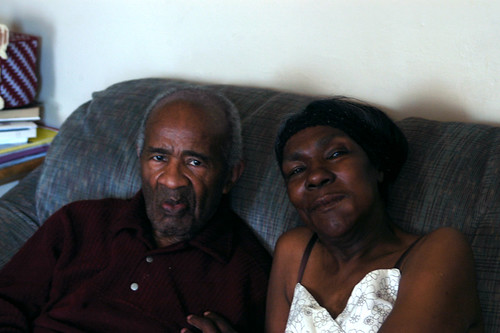
Yes, widows do discover pensions their late husbands had—sometimes years after his death—though the specific $94,000 figure cited in the title cannot be verified in published sources. However, real cases are remarkably similar: a 71-year-old widow discovered her husband’s pension issue in a May 2026 case where $146,000 was at stake, with a monthly pension of $4,840 that stopped entirely at his death. The Pension Rights Center, a nonprofit specializing in pension disputes, has documented numerous cases where widows recovered $50,000 to $86,000 or more in unpaid or improperly structured benefits.
These aren’t theoretical scenarios—they’re the result of poor communication between employers, pension administrators, and the workers’ families. The core problem is simple: a husband may elect a “single life annuity” that pays him maximum monthly income but leaves nothing for his widow, or the pension administrator may process the wrong survivor option, or the widow may never know a pension existed at all. The discovery often comes by accident—while filing taxes, reviewing old documents, or talking to a benefits counselor. By then, months or years have passed, and the money could have gone to the widow instead.
Table of Contents
- Why Do Widows Discover Pensions They Never Knew Existed?
- How Does a Widow Discover an Unclaimed Pension—And What Are the Obstacles?
- What Actually Happens to a Pension When Someone Dies?
- How Much Money Are We Actually Talking About?
- What Are the Common Mistakes That Cost Widows Money?
- Where Do Widows Turn When They Discover a Problem?
- How Long Does It Really Take to Get Answers and Recover Money?
Why Do Widows Discover Pensions They Never Knew Existed?
Many working men never discuss their pension benefits with their spouses in detail, or spouses never receive copies of the pension documents. The employee summary plan descriptions—the legal documents explaining what happens to a pension at death—are often dense, jargon-filled, and stored in filing cabinets or desk drawers. If the widow isn’t the beneficiary of record or wasn’t added to correspondence, she may never receive notices from the pension administrator. Large employers and union pension funds are particularly prone to this issue because the administrative machinery moves slowly and often has outdated contact information.
A concrete example from the Pension Rights Center: Linda’s husband had elected a joint-and-survivor annuity option, which should have continued paying Linda benefits after his death. However, the pension administrator processed his election incorrectly and cut off her payments entirely. Linda only discovered the error when she noticed the monthly deposits stop. Without that discovery moment, she would have lost tens of thousands in future income. Many widows miss that discovery window because they assume the pension was never there to begin with.
How Does a Widow Discover an Unclaimed Pension—And What Are the Obstacles?
The discovery process varies but often starts with a widow finding old pension statements, a 401(k) beneficiary notification, or a letter addressed to her deceased husband. Other times, a financial advisor or tax preparer notices a missing income stream. The U.S. Department of Labor maintains some records, as does the Pension Benefit Guaranty Corporation (PBGC), which insures certain private pension plans. A widow can search the PBGC unclaimed benefits database for free, and the Department of Labor has tools to help locate old pension accounts.
However, the obstacles are substantial. If the pension was frozen years ago or the company went bankrupt, tracing benefits becomes harder. Union pensions can be even more opaque because eligibility rules are often complex and vary by trade. A widow may discover a pension exists but then face the pension administrator claiming the election was final, or that too much time has passed to correct an error. Elaine Silverberg’s case, documented by the Pension Rights Center, required 13 years of legal action to secure her widow’s benefits—a timeline that would bankrupt many families financially and emotionally before resolution.
What Actually Happens to a Pension When Someone Dies?
The outcome depends on the annuity election the employee made before death. A “single life annuity” pays the highest monthly amount but stops entirely at death, leaving the widow with nothing. A “joint-and-survivor annuity” pays a slightly lower monthly amount but continues to the surviving spouse for life. Some pensions offer a “pop-up” option that gives full single-life payments if the spouse dies first.
This choice—made years or decades before death, perhaps—determines whether a widow receives survivor benefits or not. The critical problem is that many employees don’t fully understand these options or choose single-life because it maximizes their monthly paycheck. A husband nearing retirement might think, “I want as much as possible while I’m alive,” without considering that his widow might be widowed for 20 or 30 years after his death. The company or union has a legal obligation to explain these options (called a “qualified joint and survivor annuity” or QJSA notification), but the explanations are often buried in employee handbooks or delivered verbally without follow-up documentation. If the employee signs the election wrong, picks the wrong option, or forgets to name the spouse as beneficiary, the widow loses out entirely.
How Much Money Are We Actually Talking About?
The Pension Rights Center has documented widows recovering substantial amounts. Maureen discovered her late husband’s pension issue and recovered a retroactive payment of $86,000 or more, plus ongoing monthly benefits of around $850. In the 24/7 Wall St. case from May 2026, the widow faced a pension of $146,000 at stake, with $4,840 monthly payments that had stopped at her husband’s death. The Pension Rights Center also documents the case of Linda, whose incorrectly processed benefits would have cost her tens of thousands over a lifetime.
📨 Get Free Medicare Guides Alerts
Free · No spam · Unsubscribe anytime
These numbers aren’t pocket change—they’re the difference between financial stability and financial stress in widowhood. The variation depends on the husband’s salary history, years of service, and the specific pension formula. A blue-collar worker with 30 years at a unionized company might have a $3,000-4,000 monthly pension; a professional with 25 years at a corporate pension might have $2,000-5,000 monthly. Over a 20-year widowhood, the difference between receiving and not receiving that benefit is $480,000 to $1.2 million. Even a modest pension of $1,500 monthly equals $360,000 over 20 years.
What Are the Common Mistakes That Cost Widows Money?
The first mistake is electing a single-life annuity without fully understanding it. A husband decides to maximize his own monthly income and doesn’t consider his widow’s future security. The second mistake is failing to update the pension beneficiary designation after marriage or when circumstances change. If a man had an ex-spouse as beneficiary and never removed them, the new wife might have no claim even though she was married to him for 30 years. The third mistake is not keeping records or not telling anyone where pension documents are stored.
A critical limitation: once an election is made and the pension begins paying, it’s very hard to change it. Most pension plans don’t allow a retiree to switch from single-life to survivor benefits mid-stream. Some plans do, but only within a narrow window—usually 30 days of retirement. After that, the election is locked in. This means the widow’s only recourse is to prove the employee made the election in error, was coerced, or wasn’t properly notified—a legal battle that can take years and thousands in attorney fees. Even winning a case like Elaine’s, which took 13 years, means the widow was without those benefits for over a decade.
Where Do Widows Turn When They Discover a Problem?
The Pension Rights Center (pensionrights.org) offers free counseling and legal referrals to widows facing pension disputes. They can be reached at 1-888-878-3256. The Department of Labor’s Employee Benefits Security Administration (EBSA) investigates complaints about pension plan violations. The Pension Benefit Guaranty Corporation (PBGC) can step in if a private pension plan was underfunded or the company failed to make contributions. For union or public employee pensions, state pension agencies often have ombudsman offices.
However, these resources have limitations. The Pension Rights Center, though excellent, is understaffed and can’t take every case. Legal action is often necessary, and a widow may need to hire a private attorney who specializes in ERISA (Employee Retirement Income Security Act) law. The good news is that ERISA allows for recovery of attorney fees if the widow wins, so some attorneys will take cases on contingency or with deferred fees. A widow facing a significant pension dispute should act quickly—statutes of limitations can bar claims if too much time passes.
How Long Does It Really Take to Get Answers and Recover Money?
The timeline varies dramatically. A simple case where a pension was never activated and the widow submits the necessary paperwork might be resolved in 3-6 months. A case involving a disputed election or incorrect survivor calculation could take 1-3 years if settled through negotiation or administrative review. Litigation, like Elaine Silverberg’s case, can stretch 13 years or longer.
During all that time, the widow is often living without the benefit she believes is rightfully hers, and the pension administrator is paying nothing. This delay creates a real financial hardship. A widow might be living on Social Security, which averages around $1,800 monthly for a woman over 65, while a $2,000-3,000 pension sits in dispute for years. The PBGC does not award interest on delayed benefits in most cases, so even if the widow wins after 10 years, she receives the money but not the investment returns it would have generated. Some state pension systems are faster and more widow-friendly than private sector pensions, but the general rule is: expect it to take longer than it should, be more difficult than it should be, and cost more in legal fees than seems reasonable.
You Might Also Like
- She Spent $148,000 More in Her 70s Than Projected Because Her Husband Needed Long-Term Care
- Warning: The SSA Recovered $4.8 Billion in Overpayments Last Year and Retirees Had 30 Days to Respond
- New Study Found SSA Overpayment Errors Are Caused by Agency Mistakes 67% of the Time