
Widow benefits are calculated as a percentage of what your deceased spouse would have received at full retirement age, not based on what they were actually collecting at death. The exact amount depends on several factors: your spouse’s earnings record, your age when you claim, and whether your spouse had already begun collecting benefits. For example, if your spouse would have qualified for a $2,400 monthly benefit at full retirement age, you might receive 75% of that amount ($1,800) if you claim at age 60, or 100% ($2,400) if you wait until your full retirement age—typically between 59 and 60 depending on when you were born.
The Social Security Administration uses a complex formula that considers your deceased spouse’s Primary Insurance Amount (PIA), which is calculated from their 35 highest-earning years adjusted for inflation. Your benefit as a widow is then reduced based on your age at claim, with earlier claims resulting in permanently lower monthly payments. Understanding this calculation is critical because claiming too early can cost you tens of thousands of dollars over your lifetime.
Table of Contents
- What Determines Your Widow Benefit Amount?
- How Age at Claim Affects Your Widow Benefit Calculation
- Widow Benefits Versus Divorced Widow Benefits and Remarriage
- Maximizing Your Widow Benefit Through Timing Decisions
- Tax Implications and Earnings Limits on Widow Benefits
- Special Situations: Caring for Children and Grandchildren
- Planning for Inflation and Long-Term Benefit Sustainability
- Conclusion
What Determines Your Widow Benefit Amount?
your widow benefit is primarily determined by your deceased spouse’s Primary Insurance Amount (PIA), a figure calculated from their lifetime earnings record. The Social Security Administration indexes your spouse’s earnings to account for wage growth over time, then applies a benefit formula that weights earlier earnings less heavily than middle-to-later career earnings. This is why even a spouse with irregular early-career income can still qualify for substantial benefits if their earnings increased significantly in later years. The calculation process starts by taking your spouse’s 35 highest-earning years (adjusted for inflation) and calculating an average. If your spouse worked fewer than 35 years, zeros are included in the average, which reduces the final PIA. For instance, a spouse who worked only 30 years with high earnings will have a lower calculated benefit than someone with consistent 35-year earnings, even if the working years showed higher annual salaries.
This is why career length matters almost as much as income level. Your widow benefit as a percentage of this PIA depends entirely on your age when you claim. At full retirement age (between 59 and 60 for most current widows), you receive 100% of what your deceased spouse’s full benefit would have been. Claim at 60 and you get 71.5% to 75% depending on your exact birth year. Claim at 50 (if you’re caring for a child under 16), and you receive 75%. This age-based reduction is permanent and never increases, which is why delaying your claim can significantly impact lifetime benefits.

How Age at Claim Affects Your Widow Benefit Calculation
The reduction applied to your widow benefit based on your age at claim is one of the most significant factors in your final monthly amount. The reduction percentages follow a specific schedule: at age 60, you receive approximately 71.5% of your spouse’s PIA; at 61, about 80%; at 62, around 87%; and at full retirement age, 100%. These reductions are permanent—there’s no increase to your benefit once you reach full retirement age if you claimed earlier, unlike retirement benefits for workers themselves. This permanent reduction creates a critical decision point for surviving spouses. A widow claiming at 60 might receive $1,500 monthly, while the same widow waiting until 64 might receive $2,000 monthly—a difference of $500 per month, or $6,000 per year.
Over a 30-year lifespan into her 90s, the widow who waited would receive approximately $180,000 more in total benefits, even accounting for the years she didn’t receive payments. However, this calculation assumes average life expectancy; a widow in poor health or with a family history of early mortality might break even or come out ahead by claiming early. One often-overlooked limitation: widow benefits don’t increase with cost-of-living adjustments (COLAs) at the same rate as other benefits if you claim before full retirement age. Your initial benefit is locked in at a reduced percentage, and while you’ll receive annual adjustments, the percentage itself never increases. This means inflation erodes the advantage of your reduced early benefit more substantially than it would for someone waiting until full retirement age to begin collecting.
Widow Benefits Versus Divorced Widow Benefits and Remarriage
If you were married to your deceased spouse for at least nine months, you qualify for widow benefits on their record. However, if you remarry before age 60, you lose eligibility for benefits as a widow on that particular spouse’s record. This rule has caused significant financial hardship for surviving spouses in their 50s who remarry—losing access to a benefit they might have collected for decades. Remarriage after age 60 doesn’t affect your widow benefit eligibility, which is why some financial advisors suggest delaying remarriage decisions until after age 60 for those relying on widow benefits. Divorced widow benefits follow similar rules but with an additional requirement: you must have been married for at least 10 years to qualify for benefits on a deceased ex-spouse’s record. The benefit calculation is identical to widow benefits on a current spouse’s record, but the remarriage rule creates a different scenario.
If you remarry after age 50, your divorced widow benefits aren’t affected. This more flexible rule sometimes makes remarriage more financially viable for older divorced individuals than for current widows. The distinction becomes important when multiple widow claims are involved. For example, a woman married twice, each time for at least 10 years, could potentially qualify for widow benefits on either deceased spouse’s record—and she can choose which one to claim from first. However, Social Security will pay the higher of the two benefits, not both. Understanding which deceased spouse’s record generates the higher benefit requires reviewing both their earnings records, which many surviving spouses never do, potentially leaving substantial money on the table.

Maximizing Your Widow Benefit Through Timing Decisions
The decision about when to claim widow benefits should involve a careful analysis of your personal situation, including your health, life expectancy, financial needs, and other income sources. If you have adequate income from other sources and are in good health with a family history of longevity, delaying your widow claim until full retirement age can substantially increase your lifetime benefits. However, if you’re facing financial hardship or have health concerns, claiming at 60 or 62 may be the appropriate choice despite the permanent reduction. Many widows face an additional decision: should they claim widow benefits first and switch to their own retirement benefits later, or vice versa? For widows born before January 2, 1954, a restricted application was available that allowed claiming one benefit while delaying the other for growth. These rules were eliminated for younger widows, but understanding them is still relevant if you’re in the older group.
For example, a widow born in 1950 might claim widow benefits at 66, then switch to her own retirement benefits at 70 for a 24% increase in those benefits. A widow born in 1960 cannot use this strategy; she must claim whichever is higher, and that becomes her forever benefit at that age. One critical limitation to understand: if you’re receiving disability benefits or retirement benefits on your own record before your spouse’s death, those payments will stop once you claim widow benefits if the widow benefit is higher. You don’t receive both. Similarly, if you’re already receiving retirement benefits on your own record when your spouse dies, your widow benefit and your retirement benefit will be combined into a total, with Social Security paying the higher of the two. This is why widows who have already begun their own retirement benefits should request a special calculation to see if being classified as a widow instead would result in a higher total payment.
📨 Get Free Medicare Guides Alerts
Free · No spam · Unsubscribe anytime
Tax Implications and Earnings Limits on Widow Benefits
Widow benefits are subject to Social Security’s earnings test if you claim before your full retirement age, which can significantly reduce your monthly payments in the years immediately following your spouse’s death. If you earn more than the annual limit ($23,400 in 2024, adjusted yearly), Social Security reduces your widow benefit by $1 for every $2 you earn above that threshold. For a widow earning $30,000 annually, that’s a reduction of $3,300 per year, or roughly $275 monthly—a substantial penalty for working. The earnings test applies only to income from employment; investment income, pensions, and rental income don’t count against the limit. However, the test applies to work performed before your full retirement age even if you wait until after full retirement age to begin claiming widow benefits. This creates a timing problem for widows who work: if you work beyond your full retirement age and want to claim widow benefits at that age, the earnings limit won’t apply, but the benefit won’t increase either.
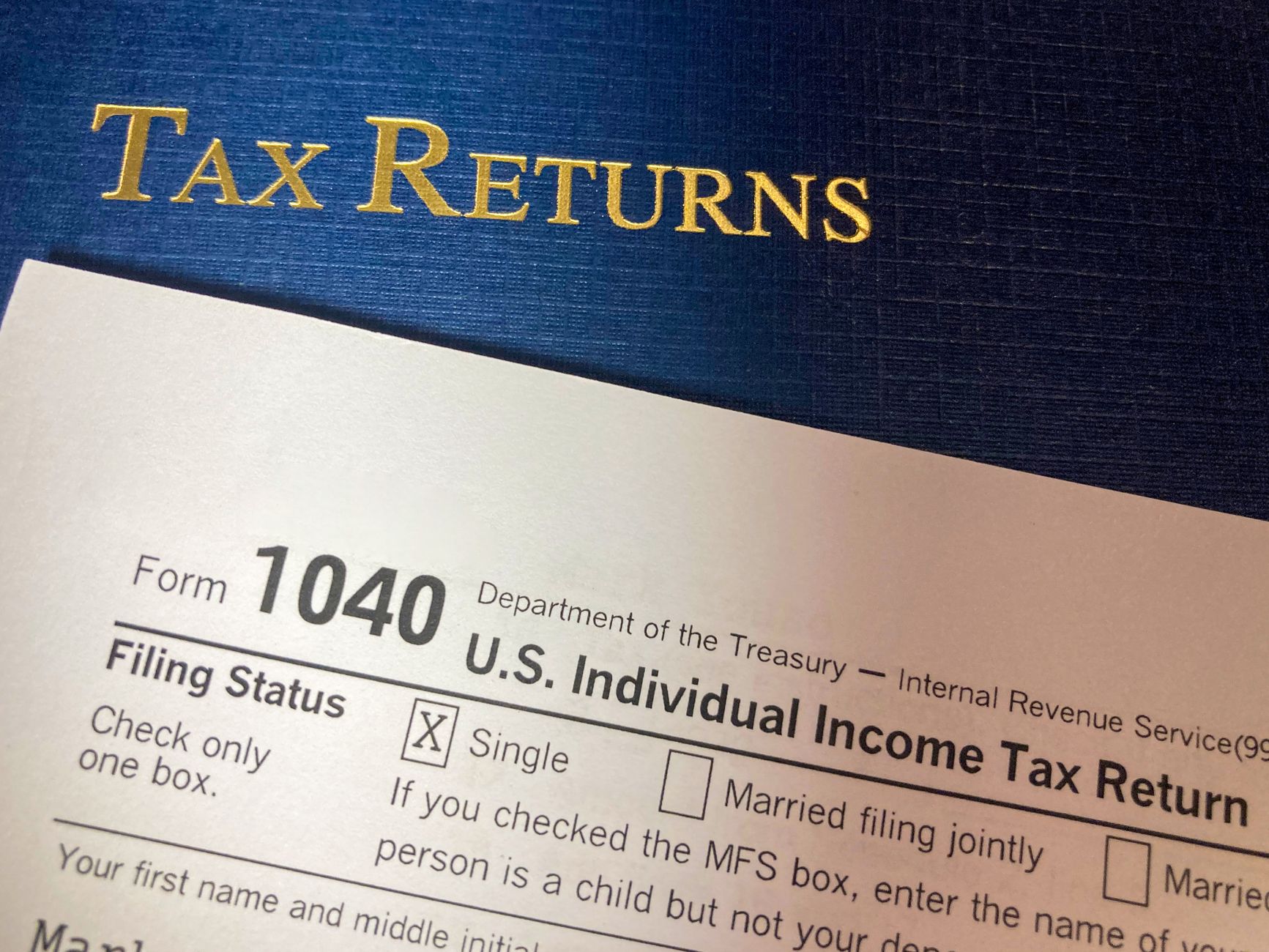
The permanent reduction from your age at claim is already locked in. Another crucial limitation involves taxation of widow benefits themselves. If your combined income (adjusted gross income plus non-taxable interest plus half your Social Security benefits) exceeds $25,000 as a single filer, up to 50% of your widow benefits are subject to federal income tax. If combined income exceeds $34,000, up to 85% of your benefits become taxable. For a widow with pension income and widow benefits totaling $50,000 annually, a significant portion may be subject to tax, effectively reducing your actual benefit. Some states also tax Social Security benefits, creating an additional layer of tax burden.
Special Situations: Caring for Children and Grandchildren
If you’re caring for a child under age 16 (or 19 if still in high school) on your deceased spouse’s record, you can claim widow benefits at any age, even younger than 60. Your benefit in this situation is 75% of your spouse’s PIA, regardless of your age. Additionally, any unmarried children under 18 (or 19 if in school) of your deceased spouse can also receive benefits on their own—up to 75% of the spouse’s PIA each. This creates a family maximum: total benefits paid to all family members cannot exceed 150% to 180% of the worker’s PIA.
For example, if your deceased spouse had a PIA of $2,400, the widow might receive $1,800 (75%) while caring for one child, and that same child might receive another $600 (25% of PIA). However, if there are multiple children, each receives a reduced benefit so the family maximum isn’t exceeded. A widow with three children might find each family member receives only 35-40% of the spouse’s PIA rather than the full amounts, with the mother receiving even less. Understanding this family maximum is critical because it affects not just your benefit but also your children’s financial security.
Planning for Inflation and Long-Term Benefit Sustainability
Widow benefits receive annual cost-of-living adjustments (COLAs), which typically match the inflation rate used by Social Security. However, for widows who claimed at a reduced age, these COLAs apply to an already-reduced percentage of their spouse’s PIA. While the adjustment helps preserve purchasing power, it doesn’t restore the permanently lost benefit amount from claiming early. Over 30 years of 2-3% annual adjustments, the cumulative impact of having claimed early rather than at full retirement age can reduce your lifetime benefits by 25% to 30% in today’s dollars.
Looking forward, the solvency of Social Security itself remains uncertain. If the trust fund is depleted (currently projected for 2034), benefits will be reduced across the board unless Congress acts. Widow benefits would be subject to these potential reductions like all other benefits. This makes the timing of your widow benefit claim even more important; those who can afford to delay claiming may want to do so, as they’ll have more years to collect before any potential reduction occurs. Conversely, for those in financial need, claiming earlier provides certainty that they’ll receive the benefit amount promised before any future legislative changes.
Conclusion
Widow benefits are calculated from your deceased spouse’s earnings record, specifically their Primary Insurance Amount (PIA), with your actual monthly benefit determined by your age at claim and various other factors including remarriage status, employment income, and combined income for tax purposes. The calculation is complex, but understanding the key drivers—your spouse’s earnings history, your age at claim, and how that age permanently reduces your benefit—allows you to make informed decisions about when to begin collecting.
The most important next step is to contact Social Security or visit their website to request a benefit estimate based on your spouse’s actual earnings record. Don’t rely on assumptions about your spouse’s benefit amount; Social Security will provide an accurate PIA calculation that becomes the foundation for your widow benefit. With that estimate in hand, you can weigh the tradeoffs between claiming early for immediate financial relief or delaying for a higher lifetime benefit, based on your personal health, financial situation, and family circumstances.
You Might Also Like
- The Biggest Widow Benefits Mistakes
- How to Maximize Your Widow Benefits
- How Survivor Benefits is Calculated