
You may be owed a lump sum payment if you have a pension, retirement account, or were part of a workplace settlement—and you don’t know it yet. Many Americans overlook eligible payouts because they don’t understand which programs apply to them, where to find the information, or what actions are required to claim the money. A lump sum payment can represent tens of thousands of dollars in retirement security, yet thousands of eligible recipients never pursue it because the process feels complicated or they assume they already received everything they were entitled to. This article explains where lump sum payments come from, whether you qualify, what to watch out for, and how to verify your eligibility.
If you have worked for a company that sponsored a defined benefit (pension) plan, received a settlement from a workplace class action, participated in certain union plans, or had a pension that was frozen or terminated, a lump sum payment could be waiting for you. Some employers offer lump sum options instead of monthly pension checks. Others make direct lump sum payments to former employees as part of settlement agreements. In other cases, you may have a balance held in a lost or forgotten retirement account. Understanding your personal eligibility requires checking with your past employers, pension administrators, or the Pension Benefit Guaranty Corporation (PBGC)—a federal agency that insures defined benefit pensions and can tell you if a plan you participated in is in its records.
Table of Contents
- Who Is Eligible for a Lump Sum Pension Payment?
- Pension Settlements and Corporate Lump Sum Distributions
- Forgotten or Lost Retirement Accounts
- How to Verify Whether You Are Eligible
- Tax Implications and Common Withdrawal Pitfalls
- Class Action Settlements and Other Benefit Payouts
- Planning Your Next Steps and Long-Term Considerations
- Conclusion
Who Is Eligible for a Lump Sum Pension Payment?
Your eligibility for a lump sum payment depends on your work history, the types of retirement plans your employers sponsored, and any settlement or severance arrangements you may have been part of. The most common scenarios include former employees of companies with pension plans, terminated plan participants, employees of companies that went through reorganizations or layoffs, and members of union or multi-employer pension plans. Some lump sum payments are automatic—your former employer sends you a check after your employment ends or after you reach a certain age. Other lump sum payments must be claimed actively, and you won’t receive them unless you contact the right entity and submit proof of eligibility. Defined benefit pension plans are the primary source of lump sum eligibility for workers who retired before 2010 or who were part of traditional corporate pensions. For example, if you worked at a large manufacturer from 2000 to 2020 and that company sponsored a defined benefit plan, you likely earned a pension benefit.
When you left the company or retired, you would have been offered options: take a monthly pension check for life, take a survivor option (lower monthly payments but benefits continue after your death), or take an equivalent lump sum value. Many workers selected the monthly option without realizing the lump sum could have been invested for potentially greater growth. Today, you cannot change that choice retroactively, but understanding what you chose and whether you received what was promised is important. Multi-employer pension plans (union plans covering workers across multiple employers in the same industry) also offer lump sum options, and they have different rules than single-employer plans. Certain terminated union plans have made mass lump sum distributions to retirees, sometimes with legal disputes over payment amounts. If you were part of a union pension and your plan was frozen, merged, or terminated, you may be eligible for a lump sum from the PBGC or a successor plan, and verifying this requires specific inquiry.

Pension Settlements and Corporate Lump Sum Distributions
Employers sometimes distribute lump sums directly to employees as part of severance packages, reorganizations, or settlement agreements with retirees. These payments are separate from the annuity or monthly pension option and are typically made to expedite claims resolutions or close out benefit obligations. When a company exits the pension business entirely, it often distributes remaining balances to participants as lump sums, purchases annuities (insurance policies) to cover pension obligations, or transfers participants to the PBGC. If you receive a lump sum distribution from your former employer’s pension plan, the check should clearly show the calculation and your benefit amount. A critical limitation here is the short claim window: if you don’t cash or roll over a pension lump sum check within a certain period (often 90 days to one year, depending on the plan), the uncashed check may be treated as a forfeiture or transferred to unclaimed property.
Some participants receive these checks while moving, changing jobs, or during periods of financial disarray, and the check gets lost or misplaced. Once forfeited or moved to state custody, reclaiming the money becomes difficult and involves filing a claim with your state’s unclaimed property program—a process that can take months or longer. The best practice is to track any pension-related correspondence from former employers, especially if you are within five years of retirement or retirement age. One additional warning: some pension settlement payments are subject to withholding tax (usually 20 percent) if not rolled directly into a qualified retirement account. If you received a gross lump sum payment of $50,000 but thought you would receive the full amount, you may have experienced a $10,000 withholding. Understanding the net amount you actually received versus the gross benefit amount is crucial for financial planning.
Forgotten or Lost Retirement Accounts
Defined contribution plans (401k, 403b, 457 accounts) that were abandoned during job changes or company closures represent another source of lump sum eligibility. If you worked somewhere years ago and never rolled over the retirement account when you left, it may still exist in your former employer’s plan or with a recordkeeper. Some dormant accounts are transferred to state unclaimed property custody after a period of inactivity (typically five to seven years). Others remain with the plan’s recordkeeper, who will attempt to contact you but eventually move the money if they cannot. For example, suppose you worked for a mid-sized tech company from 2008 to 2012 and contributed $15,000 to the company 401k plan. You left the company, got busy with new jobs, and never initiated a rollover. Decades later, that account could have accumulated to $40,000 or more in growth.
Your former employer is no longer looking for you actively. However, the account still exists—either with the plan’s current recordkeeper (if the plan is still active), with the PBGC’s missing participant program, or in your state’s unclaimed property system. To recover it, you must locate and contact the plan administrator or check your state’s unclaimed property website. A specific limitation: employers are not required to search for you indefinitely. After a certain inactivity period, they can liquidate and transfer small balances (usually under $1,000) to unclaimed property. You may need to search multiple databases—your state’s unclaimed property program, the PBGC’s missing participant program, and directly contacting your old employers. Older accounts from companies that went out of business are particularly challenging to track down, but they do not disappear permanently; they are held by your state.

How to Verify Whether You Are Eligible
The first practical step is creating a work history inventory: list every employer you worked for, the years employed, and the type of benefits they offered. If your company was large or publicly traded, it likely sponsored a defined benefit pension plan. Smaller companies may have offered only 401k plans or no retirement plan at all. Contact your former employers’ HR departments and ask about pension or retirement plan records. Many large companies maintain archived plan documents and can tell you whether you were a participant. For pension plans, the PBGC (Pension Benefit Guaranty Corporation) maintains a free searchable database of pension plans in its insurance program. You can search this database online by entering your company name, your name, or plan number to see if your former employer’s pension plan is in its records.
If a plan is listed, you can file a claim for your benefit, and the PBGC will calculate what you are owed. This is free and takes weeks, not months. If you find that your plan was frozen or terminated years ago, the PBGC will have records of distributions already made to you, so you can verify whether you were paid what was promised. A comparison of claim pathways: claiming a pension through your former employer’s plan (if still active) is usually the fastest method, taking 2-4 weeks. Claiming through the PBGC takes longer but is still straightforward, typically 4-8 weeks. Claiming from your state’s unclaimed property database can take several months because the state must verify your ownership and ensure no other claimant has a superior claim. The earlier you begin, the earlier you receive the payment.
📨 Get Free Medicare Guides Alerts
Free · No spam · Unsubscribe anytime
Tax Implications and Common Withdrawal Pitfalls
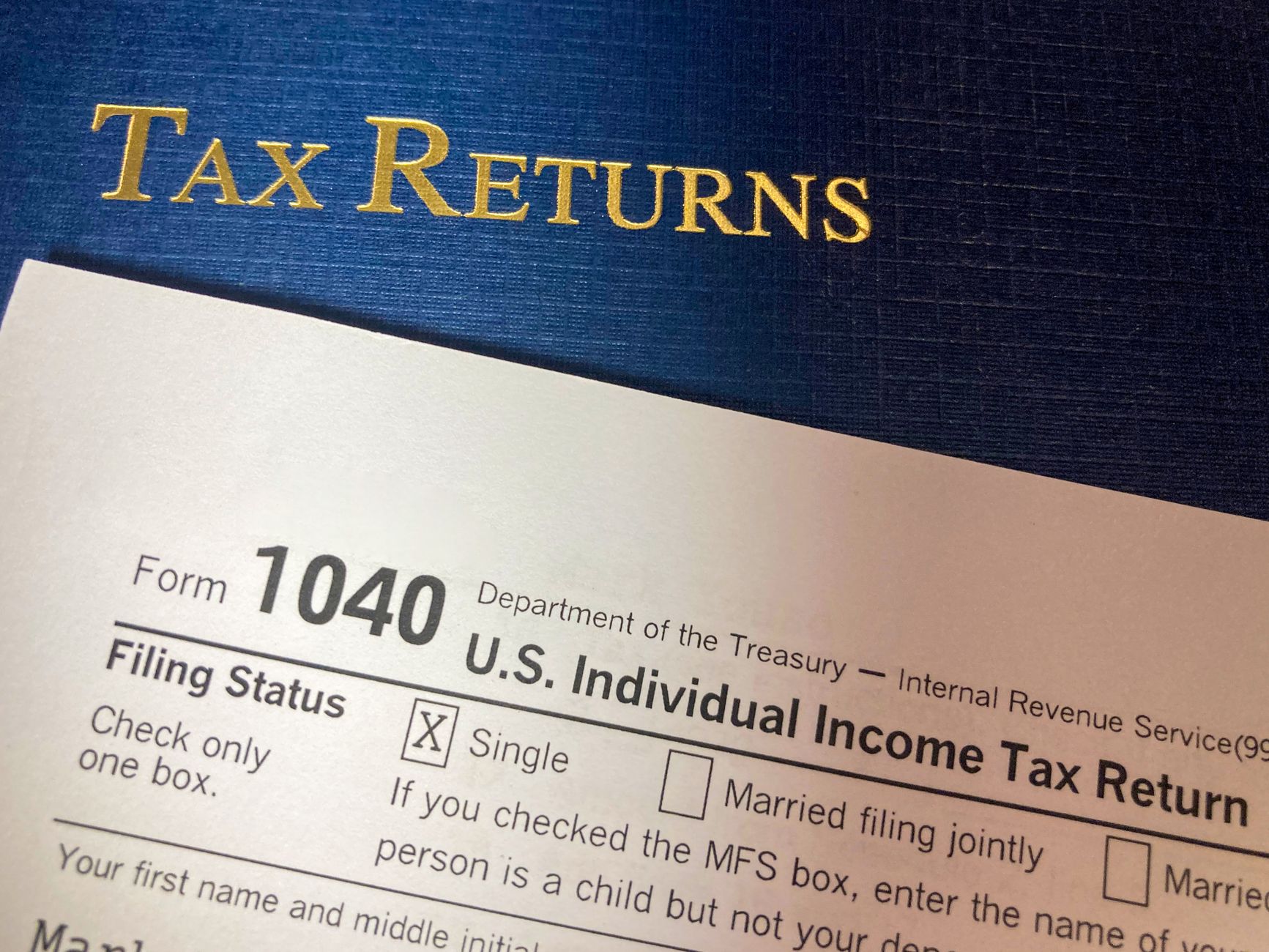
Many lump sum payments are subject to income tax, and if you are not careful, you could face penalties or unexpected tax bills. If you receive a pension lump sum and do not roll it directly into an IRA or another qualified retirement account within 60 days, the full amount is considered taxable income in that year. For example, if you receive a $100,000 pension lump sum and do not execute a rollover, you may owe federal income tax on the full $100,000 in that tax year, potentially triggering a tax bill of $20,000 to $37,000 depending on your bracket. Additionally, if you are under age 59½, you may owe an extra 10 percent early withdrawal penalty unless a specific exception applies (such as rolling the funds or using the “rule of 55” for certain plans). A critical warning: some people receive a lump sum check made payable to them personally (rather than to a new IRA or retirement account) and assume they can deposit it in their personal bank account and then transfer it later to a retirement account.
Under IRS rules, there is a 60-day clock: the funds must be deposited into a qualified retirement account within 60 days or the entire amount is taxable and subject to penalties. If the check arrives while you are on vacation, moving, or dealing with a family emergency, missing the 60-day window is easy and the consequences are steep. This is why a “direct trustee-to-trustee rollover” (where the check is made payable directly to your IRA or new employer’s plan) is always preferable. Some lump sum payments from multi-employer plans have been reduced due to the 2022 Multiemployer Pension Reform Act. If you were receiving a pension from a troubled multi-employer plan and the plan was adjusted, your benefit may have been cut. The PBGC issued special payments to some retirees to partially restore cuts, but the restoration is not always automatic, and you may need to submit a claim to verify whether you are eligible for supplemental payment.
Class Action Settlements and Other Benefit Payouts
If you were part of a lawsuit or settlement involving pension underpayments, calculation errors, or missed benefits, you may be owed a settlement payment as a lump sum. These settlements typically arise when companies miscalculated pension benefits, failed to include certain earnings in the benefit formula, or violated vesting rules. Settlement distributions are sometimes automatic (you receive a check) and sometimes require a claim (you must submit a form to be included in the settlement group). Missing the claim deadline means you forfeit the payment. For example, a company might have failed to properly credit overtime or shift differentials toward employees’ pension benefit calculations for a 10-year period.
A class action settlement might award affected retirees an average recovery of $8,000 to $12,000 each, distributed as a single lump sum payment. Employees who were unaware of the settlement or moved away and did not receive the notice would miss the claim window, which is often one to two years after settlement approval. A settlement notice typically appears in the mail, on the company’s website, or in legal databases, but not all retirees pay attention to legal documents. The practical lesson is to maintain a record of settled lawsuits or benefit disputes involving your former employers, and to verify settlement status periodically. Some settlement claims remain open longer than others, and unclaimed settlement funds are sometimes held by the settlement administrator indefinitely rather than returned to employers.
Planning Your Next Steps and Long-Term Considerations
If you identify a potential lump sum payment owed to you, your next steps depend on the source. For pension plans, contact your former employer’s HR or benefits department and ask for a Benefit Statement showing your accrued benefit and distribution options. If the company no longer exists or cannot locate your records, file a claim with the PBGC. For forgotten retirement accounts, search your state’s unclaimed property database using your name and any former employers’ names you remember.
For settlement payments, search court settlement databases or contact a class action claim administrator to verify your eligibility. Consider consulting a financial advisor or tax professional before accepting a large lump sum payment, particularly if the amount exceeds $50,000 or if you are close to retirement age. A professional can help you decide whether to take a lump sum, an annuity, or monthly payments (if options are available), and how to structure a rollover to minimize tax liability. The decision between monthly pension payments and a lump sum is permanent for many plans, so understanding your choice before accepting it is critical.
Conclusion
Lump sum payments from pensions, retirement accounts, and settlements represent real money you may be entitled to receive, but claiming them requires proactive effort and awareness of deadlines and procedures. You are eligible if you worked for a company with a pension plan, participated in union plans, had forgotten retirement accounts, or were part of a settlement. Verifying eligibility involves contacting former employers, checking the PBGC database, and searching your state’s unclaimed property records. Take action today by creating a work history inventory and starting the verification process with your most recent or largest former employers.
Even if your search takes weeks or months, a potential five-figure or six-figure payment is worth the time investment. Keep detailed records of all correspondence, claim numbers, and deadlines. If you face obstacles or confusion, a benefits counselor or attorney specializing in pension law can provide guidance. Your lump sum payment is not automatic, but it is yours to claim if you take the necessary steps to find it.
You Might Also Like
- Why Your Pension Might Not Be Safe
- Utility Costs for Retirees in 2026…The Numbers Are Worse Than You Think
- The One Thing You Must Do Before Claiming