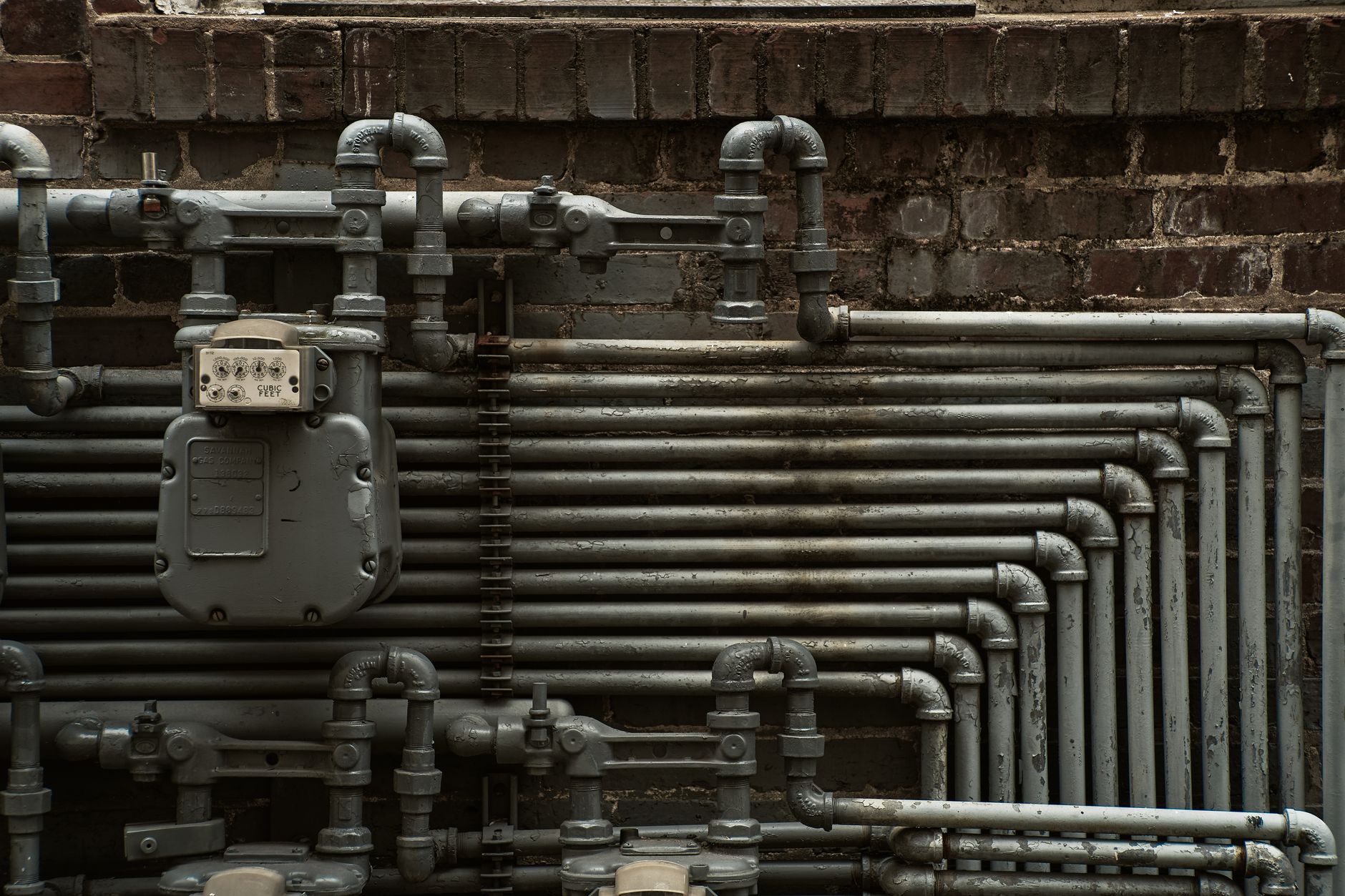
Underground gas ruptures represent one of the less publicized but serious infrastructure hazards facing residential neighborhoods across the country. When a gas main ruptures beneath a street or neighborhood, utility companies and emergency responders typically issue evacuation alerts affecting multiple blocks or entire residential zones to prevent explosions and fire hazards. These incidents disrupt thousands of households and raise urgent questions about aging pipeline infrastructure, emergency preparedness, and the safety of communities where families have invested their life savings and retirement futures. A rupture occurs when underground natural gas lines deteriorate, shift due to ground movement, or fail from material degradation—sometimes after decades of service with minimal maintenance.
When gas escapes into soil and enters buildings through foundation cracks, under walls, or via utility conduits, the concentration can reach explosive levels within hours. Evacuation orders force residents to leave their homes sometimes for days, cutting off access to medications, mobility aids, and familiar environments that many older residents depend on for their safety and daily routines. For retirees and those in later life stages, these events create compounded risks: displacement during vulnerable times, disruption of medical regimens, separation from support networks, and the practical challenge of finding temporary shelter on short notice. The financial implications also merit attention, as evacuation events can affect property values, insurance availability, and long-term community stability.
Table of Contents
- What Triggers Underground Gas Ruptures in Residential Areas?
- Why Evacuation Orders Can Last Days, Not Hours
- How Evacuation Orders Impact Older Residents and Fixed Incomes
- Assessing Your Neighborhood’s Gas Infrastructure Risk
- Insurance Gaps and Financial Exposure After Evacuation Events
- Communication Breakdowns and Warning Systems During Emergencies
- Long-Term Neighborhood Stability and Property Value Implications
- Frequently Asked Questions
What Triggers Underground Gas Ruptures in Residential Areas?
Gas mains in American cities typically consist of steel, cast iron, or plastic pipes installed decades ago, often in the mid-twentieth century. These materials degrade at different rates depending on soil chemistry, moisture, temperature fluctuations, and structural stress from vehicle traffic or construction above. Cast iron pipes, common in older neighborhoods, become brittle with age and can crack suddenly from ground settling, tree root pressure, or vibration from nearby work. Plastic pipes, introduced more recently, resist corrosion but can fail if damaged during excavation or if internal pressures exceed design specifications.
Most ruptures occur not from sudden catastrophic failure but from slow deterioration detected only after gas escapes. Utility workers may smell mercaptan—the odorant added to natural gas for safety—or residents report hissing sounds near pavement. Some ruptures go undetected for hours, filling basements and crawl spaces with invisible, odorless danger before someone notices and calls authorities. A rupture in a residential zone can release hundreds of thousands of cubic feet of gas daily, enough to affect entire neighborhoods within a 1,000-foot radius or more.
Why Evacuation Orders Can Last Days, Not Hours
Once a rupture is confirmed, utility companies must locate the exact break point, often requiring excavation across multiple properties and street sections. This process can take 12 to 48 hours or longer if the rupture is in a congested area, under public infrastructure, or affecting multiple lateral lines feeding individual homes. emergency responders maintain evacuation zones until the gas company certifies that air quality in affected structures has returned to safe levels, not just that the pipe is repaired. This certification requires specialized equipment and multiple readings across the neighborhood.
A critical limitation is that many utility companies operate with limited repair crews, meaning emergencies must be prioritized by risk level. A rupture affecting a densely populated residential zone may wait for crews to finish other jobs, especially if it occurs during nights or weekends. Residents in affected areas during winter face particular hardship, as they cannot remain in their homes without gas heat and may have difficulty finding available shelter in hotels that are already booked. Elderly residents dependent on regular mobility assistance or home health visits face dangerous gaps in care during evacuations.
How Evacuation Orders Impact Older Residents and Fixed Incomes
For retirees, evacuation represents a cascade of disruptions beyond the immediate inconvenience. Residents on fixed incomes must cover emergency lodging, meal costs, and transportation out of pocket, often without advance notice or insurance coverage. Those with mobility limitations face challenges evacuating multi-story homes quickly or finding accessible temporary housing. Residents dependent on home-based medical equipment—oxygen concentrators, dialysis machines, refrigerated medications—face urgent logistical challenges if power is unavailable at shelters or temporary lodging.
A real-world pattern emerged during a 2023 rupture event in a Midwestern city: 340 households evacuated, including 78 residents over age 75. The local senior center and emergency management agency scrambled to coordinate accessible accommodations, but only 12 hotel rooms accessible to wheelchairs became available within a 15-mile radius. Neighbors shared resources informally, but six residents ended up in their cars for two nights because no other option existed. Those events highlight how evacuation planning often underestimates the specific needs of older residents, who may lack family nearby to provide alternative housing and have medical needs that complicate temporary relocation.
Assessing Your Neighborhood’s Gas Infrastructure Risk
Homeowners and residents can identify basic risk factors by reviewing public records and utility maps. Most cities maintain gas main records at the municipal water and utilities department or online through geographic information system (GIS) databases. Residents can request information about the age of gas mains serving their property, the material composition, and the date of last maintenance or replacement. Neighborhoods served by original cast iron pipes installed before 1970 carry higher rupture risk than those with modern plastic or coated steel lines.
Comparing neighborhoods reveals stark differences: a street upgraded in 2010 carries minimal rupture risk for decades, while a parallel street three blocks away may have pipes 70 years old. Geographic factors also matter—neighborhoods in areas with acidic soil, expansive clay soils prone to shifting, or high water tables experience more rapid corrosion. Residents living near major intersections or thoroughfares with heavy truck traffic face elevated risk from structural stress on buried lines. This information should factor into long-term housing decisions, particularly for those planning to age in place or expecting to remain in a home through their retirement years.
Insurance Gaps and Financial Exposure After Evacuation Events
Homeowners insurance typically does NOT cover evacuation costs, temporary housing, meals, or business losses during emergency displacement. Standard policies cover damage from gas explosions or fire if they occur, but the preventive evacuation itself leaves residents financially exposed. Those with rental income from accessory dwelling units or multi-unit properties face complete loss of revenue during evacuation periods, sometimes for weeks if the rupture affects utility restoration citywide.
A critical warning: residents should verify their specific policy language, as coverage varies by insurer and state. Some policies exclude coverage for events deemed “acts of local government authority” (like evacuation orders), creating a gray area where residents must prove negligence by the utility company to recover losses. Testing this in court is expensive and time-consuming, deterring most residents from pursuing claims. This gap disproportionately affects renters and those without substantial financial reserves, but also affects moderate-income retirees whose savings are tied up in home equity and unable to cover months of unexpected housing costs.
📨 Get Free Medicare Guides Alerts
Free · No spam · Unsubscribe anytime
Communication Breakdowns and Warning Systems During Emergencies
Many residents report that evacuation alerts arrived with minimal notice—sometimes 30 minutes to two hours from initial rupture detection to evacuation order. Emergency alert systems vary by locality; some cities use text messages and sirens, while others rely on door-to-door notification or social media. Deaf or hard-of-hearing residents, non-English speakers, and those without smartphones may miss alerts entirely. Residents with cognitive decline or severe mobility issues may not respond quickly enough even with adequate warning.
One documented incident in 2021 involved a residential zone where the evacuation alert system failed to trigger properly, and 47 households were not contacted at all. Neighbors heard sirens and began evacuating, prompting others to follow, but official confirmation reached the final group only after 90 minutes. Utility companies have since upgraded many notification systems, but adoption remains inconsistent across regions. This unreliability creates particular risk for residents who are isolated, live alone, or have limited social networks to alert them informally.
Long-Term Neighborhood Stability and Property Value Implications
A single rupture event rarely causes permanent neighborhood decline, but repeated ruptures—three or more within a decade—signal infrastructure deterioration that affects property values and insurance availability. Neighborhoods with documented gas main vulnerability sometimes experience gradual outmigration as residents seek safer areas, particularly among younger families planning long-term. This shifts the demographic composition, reducing school enrollment and community stability over time.
Some neighborhoods never fully recover reputation or pricing after major rupture events, even if infrastructure is upgraded. Retirees considering a move to an aging neighborhood should research not just the current state of gas infrastructure but the utility company’s capital improvement plans and maintenance budgets. Public records sometimes reveal deferred maintenance or years-long waiting lists for main replacement—clear indicators that risks will persist for years. For those making final housing decisions in retirement, this information matters substantially, as does understanding the local emergency response capacity and whether nearby shelters and medical facilities have plans for large-scale evacuations.
Frequently Asked Questions
How long does a typical gas rupture evacuation last?
Most evacuations last 12 to 48 hours, though some extend to three to five days if the rupture is complex, located under major infrastructure, or if repair crews are stretched thin. Certification that air quality is safe in all affected buildings can take additional time.
What should renters do to prepare for a potential evacuation?
Renters should maintain a portable emergency kit with medications, important documents, phone chargers, and enough cash for a hotel stay. Keep an updated list of contacts and family members outside the immediate area, and know the location of nearby shelters and accessible hotels in case temporary housing is needed.
Does homeowners insurance cover evacuation costs?
Standard homeowners insurance does not cover evacuation expenses, temporary housing, or meal costs during emergency displacement. Review your specific policy and consider discussing this gap with your insurer to understand your actual coverage.
How can I find out if my street has aging gas lines?
Contact your city’s utilities department or water/gas authority and request records on the age and material of gas mains serving your property. Many cities make this information available online through GIS systems or public records requests.
Are newer plastic gas pipes safer than old metal pipes?
Plastic and coated modern steel pipes have longer lifespans and resist corrosion better than cast iron, but they can still fail if damaged or subjected to soil movement. Material is one factor; maintenance schedules and soil conditions matter equally.
What should I do if I smell gas during or after an evacuation order?
Leave the area immediately, call 911 and your gas utility’s emergency line from a safe distance, and never attempt to locate or repair the source yourself. Do not use electrical switches, start vehicles, or create any ignition source.
You Might Also Like
- When Can I Withdraw Without Penalty
- What’s Changing on Your Social Security Debit Card in 2026
- What is the 4 Percent Rule