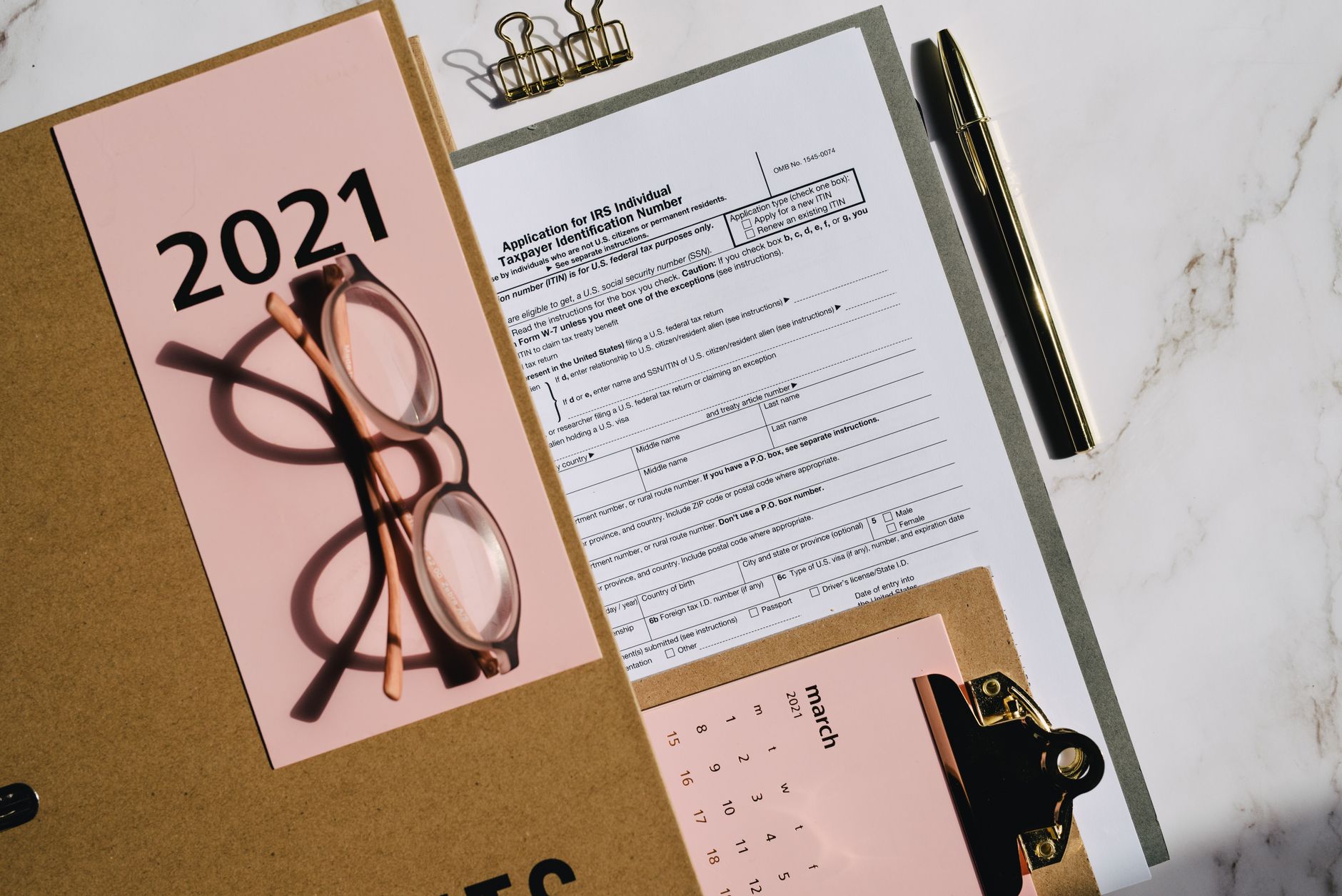
Applying for dependent benefits requires submitting proof of your relationship to the primary beneficiary—typically a spouse, child, or parent—along with documentation of financial dependency. The process begins with contacting your pension administrator or the Social Security Administration, completing their application forms, and providing supporting documents such as birth certificates, marriage certificates, or adoption papers. For example, if you’re a surviving spouse seeking widow or widower benefits from your late spouse’s pension, you’ll need to submit a death certificate, your marriage certificate, proof of your current age, and sometimes a statement showing your financial dependency.
The exact steps depend on whether you’re claiming benefits through a private pension plan, Social Security, or a government employee retirement system. Each has different eligibility requirements and application timelines. Some dependent benefits must be claimed within a specific window—missing these deadlines can result in losing months or even years of benefits. Understanding the process upfront and gathering documents early prevents delays that could cost you thousands of dollars in lost income.
Table of Contents
- What Qualifies Someone as a “Dependent” for Benefit Purposes?
- Required Documentation and Proof of Dependency
- The Application Timeline and Submission Process
- How to Gather and Submit Your Documents
- Common Issues and Delays in the Application Process
- Dependent Benefits on Private Pensions Versus Social Security
- Planning Ahead and Long-Term Considerations
- Conclusion
- Frequently Asked Questions
What Qualifies Someone as a “Dependent” for Benefit Purposes?
Dependency for benefit claims goes beyond just living in the same household. Most pension and Social Security programs require that you demonstrate either a legal relationship (marriage, parent-child, or adoption) or significant financial reliance on the primary beneficiary. For Social Security, you can claim dependent benefits if you’re a spouse at least 62 years old (or any age if caring for a child under 16), an unmarried child under 19 (or 24 if attending school full-time), or a disabled child regardless of age. Some people don’t realize that stepchildren, grandchildren, and in-laws may also qualify under specific circumstances.
Private pension plans have different rules. Many recognize only spouses and biological or legally adopted children. Some older pension agreements may not recognize same-sex spouses or unmarried partners, though federal law changes have improved this in recent years. Before applying, obtain a copy of your pension plan’s summary plan description or benefits document—this explains exactly who the plan considers a dependent and what you need to prove that status.

Required Documentation and Proof of Dependency
Gathering the right documents before you apply significantly speeds up the process. At minimum, you’ll typically need: an original or certified copy of a birth certificate, marriage certificate, or adoption decree; a government-issued photo ID; and your Social Security card. If claiming as a widow or widower, a certified death certificate is mandatory. If claiming for a disabled child, medical records showing the disability and when it began may be required.
One critical limitation: “self-certified” copies or digital images usually aren’t accepted—you need original or certified documents issued by a government agency. Many people overlook this and must reorder documents, adding weeks to their application. Additionally, if any documents are in a foreign language, you may need certified translations. Some benefits offices allow notarized translations, while others require translations from approved agencies. Never assume an office will accept digital copies without asking first; contacting them before submitting prevents wasted time and resubmission delays.
The Application Timeline and Submission Process
Most pension administrators and the Social Security Administration allow you to apply online, by mail, or in person. Online applications are often fastest, with some offices providing status updates within days. By mail can take 4 to 8 weeks, and in-person appointments require scheduling, which can have wait times of several weeks depending on your location. Starting the application as soon as you believe you’re eligible—rather than waiting until you urgently need the income—is wise.
An example: Sarah’s husband passed away in March, and she applied for widow benefits in April. Because she submitted her application promptly with all required documents, her first payment arrived in June. Her neighbor, Michael, also became widowed but didn’t apply until September, thinking he could wait. His delayed application meant his benefits didn’t begin until December, costing him three months of payments he couldn’t recover. The difference between these timelines often comes down to how quickly you compile and submit your documents.
How to Gather and Submit Your Documents
Start by creating a checklist based on the specific program you’re applying through. The Social Security Administration website lists required documents for each type of benefit; your private pension plan should provide a similar document. As you gather each item, make two copies—one for your records and one to submit. Store the originals in a safe place.
When submitting documents by mail, consider using certified mail with return receipt so you have proof of delivery. If submitting in person, ask the caseworker to review your documents on the spot and note any issues. This catches missing or incomplete items immediately rather than discovering problems weeks later when the office sends a rejection. Online applications often validate documents as you upload them, rejecting incomplete submissions instantly. The advantage of online submission is this real-time feedback; the downside is that some offices still require original documents to be mailed afterward for verification, so you may end up using multiple submission methods.
Common Issues and Delays in the Application Process
A frequent problem is submitting a death certificate from an incomplete source. Some funeral homes issue temporary certificates that aren’t accepted for benefits claims—you need the official certificate from the vital records office. People often discover this only after submitting, resulting in a 2-3 week delay while they reorder the correct document. Similarly, name changes (from marriage, divorce, or legal name changes) sometimes cause mismatches between documents. If your birth certificate shows one name and your marriage certificate shows another, you may need a certified court order or legal change document to reconcile the discrepancy.
Another warning: missing the deadline to claim derivative benefits can be costly. If you’re the child of a retired or disabled worker, your benefits have an age cutoff. Missing your 19th birthday (or 24th if in full-time school), or failing to claim before a qualifying event, may mean forfeiting years of benefits you can’t recover later. Some programs allow retroactive claims going back 6 months, but not all do. Verifying deadlines specific to your situation is essential.

Dependent Benefits on Private Pensions Versus Social Security
Private pension dependent benefits work differently from Social Security. When a private pension plan participant dies or reaches retirement, eligible dependents typically receive a survivor benefit or dependent benefit that’s calculated as part of the pension payout. These benefits are often fixed in amount and don’t increase with cost-of-living adjustments like Social Security does.
📨 Get Free Medicare Guides Alerts
Free · No spam · Unsubscribe anytime
For instance, a widow under a private pension might receive 50% of her late husband’s pension benefit—a fixed amount that doesn’t grow with inflation, whereas a Social Security widow benefit may increase yearly. Social Security dependent benefits, by contrast, are adjusted annually for inflation and can be larger overall, especially if the primary beneficiary had higher lifetime earnings. However, Social Security has strict age and family-relationship requirements, while some private pensions are more flexible about who qualifies as a dependent.
Planning Ahead and Long-Term Considerations
Understanding dependent benefits now, before you need them, allows you to plan your overall retirement strategy more effectively. If you’re the primary earner, knowing how much your dependents would receive helps you decide whether to purchase additional life insurance. If you’re a dependent, knowing your eligibility helps you calculate your expected retirement income and plan accordingly.
As you approach retirement or a major life change, contact both your pension administrator and the Social Security Administration to understand your household’s complete benefit picture. Changes in family status—marriages, divorces, deaths, or caring for a disabled child—can trigger new benefit eligibility or affect existing claims. Planning conversations with a financial advisor or benefits counselor can clarify these scenarios and help you maximize the support available to your family.
Conclusion
Applying for dependent benefits requires identifying which programs you may be eligible for, gathering the necessary documentation, and submitting applications promptly to avoid delays and missed deadlines. The process is straightforward when you understand the specific requirements of each program—Social Security, private pensions, or government employee plans—and the documentation each accepts. Most delays stem not from complicated eligibility rules but from incomplete or missing documents, so a careful approach to gathering and verifying paperwork upfront pays off. If you’re eligible, don’t postpone applying.
Dependent benefits can represent a significant portion of retirement security for spouses, children, and disabled family members. Begin by contacting your pension plan administrator or visiting ssa.gov to request the specific document checklist you need. Make copies, verify deadlines, and submit your application as soon as all materials are ready. Taking these steps ensures you access the support your family is entitled to without unnecessary delays or lost benefits.
Frequently Asked Questions
Can I claim dependent benefits if I’m not a spouse or child?
Yes, in some cases. Social Security recognizes parents, grandparents, and siblings under specific dependency and relationship criteria. Private pension plans vary; check your plan’s summary description to see who qualifies as a dependent.
What happens if I miss the deadline to claim dependent benefits?
It depends on the program. Social Security allows some retroactive claims (usually up to 6 months), but private pensions often have stricter cutoff dates with no retroactive provisions. Missing a deadline can mean losing months or years of benefits permanently.
Do I need certified copies of my documents, or are photocopies acceptable?
Most programs require original or certified copies from government agencies. Photocopies and digital images are typically not accepted. Plan 2-3 weeks to order certified documents if you don’t already have them.
If I’m receiving dependent benefits, do I still need to file taxes?
Yes, in most cases. Some Social Security benefits are subject to federal income tax depending on your total income. Private pension benefits are also taxable. Consult a tax professional or visit irs.gov for your specific situation.
Can I apply for dependent benefits online, or do I have to go in person?
Most programs offer online applications, which are often the fastest option. You can also apply by mail or in person, though these methods typically take longer. Check your specific program’s website to see which methods are available and which is fastest in your area.
What should I do if my application is denied?
Request a detailed explanation of the denial. Common reasons include missing documents, mismatched information, or failure to meet relationship or dependency requirements. You typically have 60 days to file an appeal and provide additional documentation or clarification.
You Might Also Like
- The Biggest Dependent Benefits Mistakes
- How to Maximize Your Dependent Benefits
- How to Apply for Widow Benefits