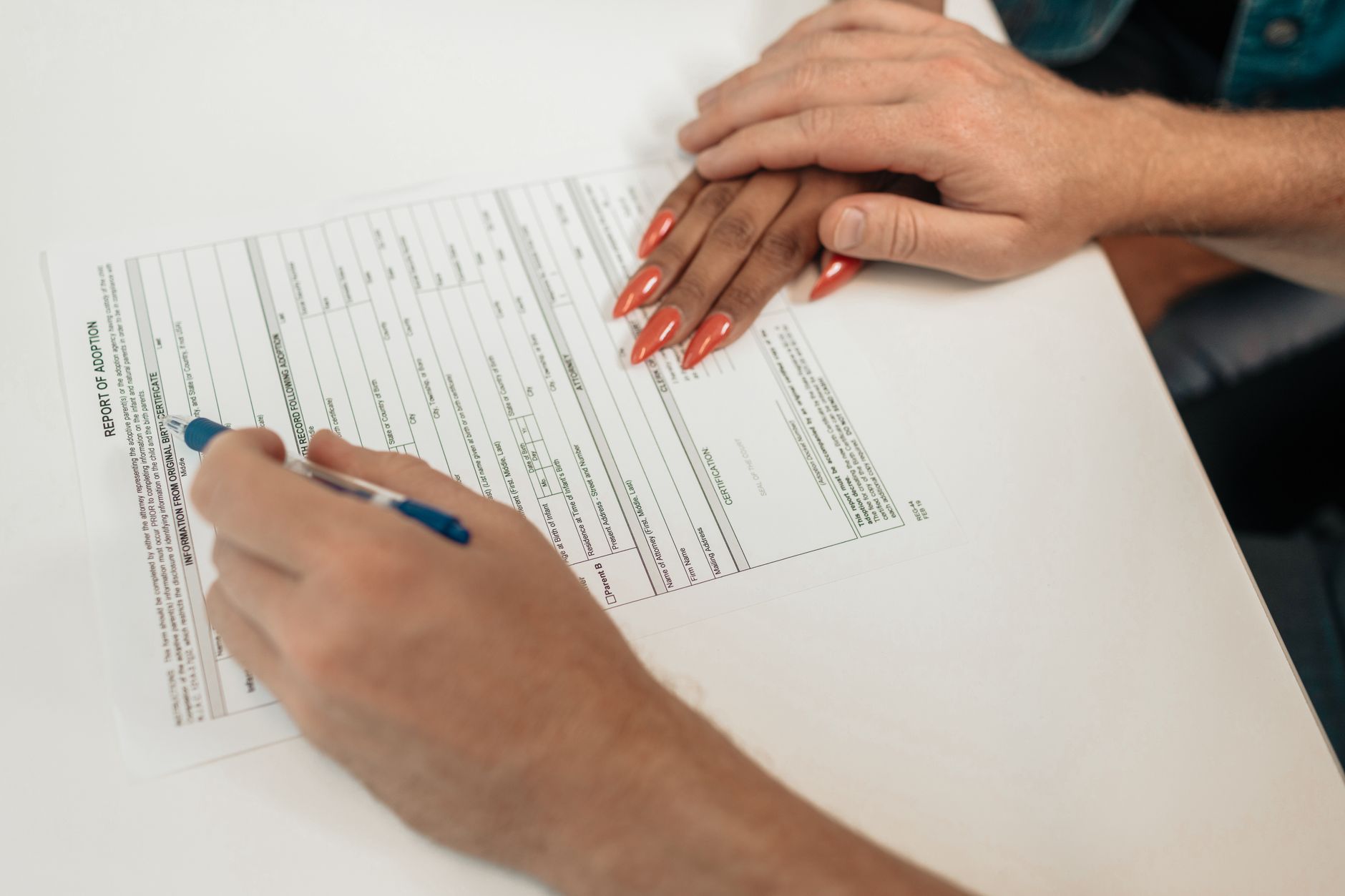
Applying for survivor benefits begins with contacting the Social Security Administration within 60 days of a family member’s death, though you can apply later if circumstances require it. The process involves submitting proof of death, proof of relationship, and proof of the worker’s Social Security contributions through either an in-person visit to your local SSA office, a phone call to 1-800-772-1213, or an online application at ssa.gov. For example, if your spouse passed away last month and they had been working and paying Social Security taxes, you as their surviving spouse could qualify for benefits immediately—potentially receiving 75% of what they would have earned at full retirement age, depending on your own age and whether you’re caring for children under 16. Understanding survivor benefits is essential because these payments represent a form of life insurance built into the Social Security system.
When a worker dies, their family members—spouses, children, ex-spouses, and parents—may be eligible for monthly benefits based on that worker’s earnings record. The total amount available to the entire family is capped at between 150% and 180% of what the worker would have received, meaning benefits are divided among all eligible family members. The application process itself is straightforward, but understanding eligibility requirements and maximizing your benefits requires attention to detail. Many people delay applying because they’re unsure about their eligibility or don’t realize they qualify, costing themselves thousands of dollars in missed benefits.
Table of Contents
- WHO CAN APPLY FOR SURVIVOR BENEFITS?
- GATHERING REQUIRED DOCUMENTATION FOR YOUR APPLICATION
- THE ONLINE APPLICATION VERSUS IN-PERSON VERSUS PHONE CLAIM
- THE STEP-BY-STEP APPLICATION PROCESS
- COMMON PITFALLS AND ELIGIBILITY COMPLICATIONS
- HOW SURVIVOR BENEFITS AFFECT OTHER INCOME AND TAXES
- PLANNING AHEAD AND LONG-TERM CONSIDERATIONS
- Conclusion
- Frequently Asked Questions
WHO CAN APPLY FOR SURVIVOR BENEFITS?
survivor benefits are available to a broader range of family members than many people realize. Spouses of any age who are caring for the deceased worker’s child under age 16 qualify immediately, as do surviving spouses age 60 and older (or age 50 and older if disabled). Surviving ex-spouses can also claim benefits if the marriage lasted at least 10 years and they haven’t remarried before age 60, giving people in second marriages a potential safety net they didn’t expect. Children of the deceased worker receive benefits until age 19 if they’re full-time high school students, or indefinitely if they become disabled before age 22.
The key requirement across all categories is that the deceased worker must have accumulated enough Social Security credits, generally requiring at least 10 years of work history, though younger workers may need fewer credits depending on when they died. Widows and widowers not yet of retirement age but caring for a child under 16 get an immediate boost—a 75-year-old widow caring for a grandchild she adopted might receive the full family rate, whereas waiting until 66 would reduce her monthly amount by roughly 25% to 30%. One critical limitation: if a surviving spouse remarries before age 60, they lose their own survivor benefits based on the deceased’s record (though remarrying after 60 doesn’t affect eligibility). A 58-year-old widow who remarries before turning 60 would forfeit her survivor benefits, a significant financial consequence that should factor into major life decisions. Adult children with disabilities face strict rules—the disability must have begun before age 22 to qualify, and medical reviews can terminate benefits, making it vital to maintain documentation.

GATHERING REQUIRED DOCUMENTATION FOR YOUR APPLICATION
Before you visit the Social Security office or call, collect the necessary documents—you’ll need the death certificate (certified copy, not a photocopy), your own birth certificate or proof of citizenship, Social Security card, and proof of your relationship to the deceased (marriage certificate, divorce decree, or birth certificate). If you’re applying as an ex-spouse, you’ll also need divorce papers showing the 10-year marriage duration. The SSA’s website lists these requirements clearly, but having everything organized before you apply accelerates the process considerably. One commonly overlooked requirement is proof of the worker’s employment and earnings, though the SSA usually has this on file.
If the deceased worked under multiple names due to marriage, nickname, or clerical errors over the decades, the SSA may need documentation showing these were the same person—an old work history, military records, or tax returns can establish this connection. Applicants sometimes discover discrepancies in the worker’s earnings record during the survivor benefits application, which can affect the payment amount, so requesting a detailed earnings statement before applying gives you a chance to spot and correct errors in advance. A significant limitation: the SSA requires original or certified documents for most applications, not photocopies or notarized versions of originals. If you live far from the county where the death certificate was issued, you’ll need to request it by mail or use an expedited service—standard processing can take 2 to 4 weeks, which may delay your benefit application. Children being claimed as beneficiaries need their own Social Security cards, and if a child was born after the worker’s death, their birth certificate serves as proof of the relationship.
THE ONLINE APPLICATION VERSUS IN-PERSON VERSUS PHONE CLAIM
Creating a my Social Security account at ssa.gov allows you to apply for survivor benefits online without visiting an office, a significant convenience for people who are grieving or have mobility limitations. The online application guides you through each question and allows you to upload photos of your documents digitally—the SSA accepts PDF images of birth certificates, marriage certificates, and death certificates. You can save your application and return to it later, which matters when emotions run high or you need to gather missing documents. In-person applications at your local Social Security office guarantee immediate document review by a representative who can spot missing paperwork before you leave, reducing back-and-forth emails or requests for additional documents.
Phone applications at 1-800-772-1213 work well if you prefer talking through the process with an agent, though you’ll still need to mail or upload documents afterward. A survivor applying for benefits while managing funeral arrangements and family logistics might find the phone option most manageable—the agent can answer clarifying questions on the spot, whereas online applications leave you to interpret instructions on your own. One key tradeoff: online and phone applications may take 2 to 3 weeks longer to process than in-person applications because the SSA must receive and scan your physical documents, whereas an in-person agent can review originals immediately. If you’re facing financial hardship and need benefits quickly, visiting the office in person remains the fastest path to approval. However, after COVID-era delays, the SSA still has significant backlogs at many field offices, and online applications sometimes process faster than in-person visits despite the document scanning time.

THE STEP-BY-STEP APPLICATION PROCESS
Start by confirming the worker’s death with the SSA—if they were already receiving benefits, Social Security may have already been notified, but it’s worth verifying. Contact your local Social Security office, call the national number, or visit ssa.gov/applyforbenefits. You’ll be asked to provide your name, date of birth, and the deceased worker’s name and Social Security number so the SSA can pull up their record. At this stage, the agent or online system will tell you whether you’re likely eligible based on your relationship. Next, submit your documentation—either upload it through your my Social Security account, mail it to your local office, or hand it to an agent at the office.
The SSA will review everything within 2 to 4 weeks under normal circumstances, though some applications take longer if documents are unclear or if there are complications with the worker’s earnings record. During this waiting period, you can check your application status online if you created a my Social Security account, or call to ask for updates. If the SSA requests additional information, respond promptly—a delayed response can set back your approval date by weeks. Once approved, your first payment arrives between 3 and 5 business days after approval if you set up direct deposit, which is strongly recommended over paper checks. Survivor benefits for spouses and ex-spouses can be retroactively awarded for up to 6 months if you apply later than you should have, meaning a widow who applies 8 months after her husband’s death receives the first 6 months of benefits in a lump sum, then regular monthly payments going forward. Children’s benefits begin the month of application, so applying sooner rather than later maximizes the total benefits paid to the family.
COMMON PITFALLS AND ELIGIBILITY COMPLICATIONS
One frequent mistake is assuming that a widow or widower can claim survivor benefits immediately at any age—in reality, only parents age 62 and older, spouses caring for children under 16, or disabled spouses age 50 and older qualify as survivors without an age restriction. A 45-year-old widow with no dependents cannot claim survivor benefits until she reaches 60, though her children may be eligible. This shock often comes as people apply and discover the SSA can’t process their claim because they don’t meet the requirements. Remarriage after the worker’s death is another common complication. If a widow remarries before age 60, her survivor benefits terminate permanently—even if the new marriage ends in divorce. A 58-year-old widow who remarries at 59 loses her survivor benefits, and if her new marriage ends before she turns 60, she cannot regain those benefits when she turns 60.
The only exception is remarriage after age 60 (or age 50 if disabled), when benefits continue regardless of subsequent marriage or divorce. Some people remarry without understanding this consequence, creating decades of regret. Disabled adult children face frequent complications when their medical condition improves or changes. The SSA periodically reviews disability cases, and if the evaluation determines that a beneficiary can work, benefits terminate, sometimes abruptly. A 35-year-old who became disabled at age 19 and has received survivor benefits ever since might face a medical review that concludes the disability has improved enough to work—at that point, benefits stop unless they can appeal and prove the disability continues. These reviews often occur with little warning, making it essential for disabled beneficiaries to stay engaged with the medical evidence and documentation supporting their eligibility.

HOW SURVIVOR BENEFITS AFFECT OTHER INCOME AND TAXES
Survivor benefits can trigger tax liability if your total income exceeds certain thresholds—currently $25,000 for single filers and $32,000 for married couples filing jointly. If you receive $20,000 in survivor benefits and $10,000 in other income for a total of $30,000, up to 85% of your survivor benefits become taxable income, increasing your federal tax bill significantly. Many beneficiaries are caught off guard when they file taxes and discover a portion of benefits they thought were tax-free are actually taxable.
📨 Get Free Medicare Guides Alerts
Free · No spam · Unsubscribe anytime
Social Security survivor benefits also interact with other government benefits in complex ways. If a surviving spouse receives survivor benefits and also collects a pension from their own government job (such as a teacher or civil servant), the Government Pension Offset may reduce survivor benefits by two-thirds of the government pension amount. A widow receiving a $2,000 teacher’s pension might see her survivor benefits reduced by $1,333, dropping what would have been a $1,500 survivor benefit down to $167—a devastating clawback for someone depending on both income sources. This rule catches many public employees by surprise because it’s not widely publicized.
PLANNING AHEAD AND LONG-TERM CONSIDERATIONS
Understanding survivor benefits before a death occurs allows families to make better financial decisions and ensure they’re positioned to claim benefits promptly. If you’re the primary earner in your household, reviewing your Social Security earnings record and discussing survivor benefits eligibility with your spouse or family members ensures they know how to navigate the application after you’re gone. The SSA provides a benefit calculator that shows what survivor benefits your family would receive based on your current earnings record, available at ssa.gov.
As life expectancies increase and more people work beyond traditional retirement age, survivor benefits become a more important part of comprehensive retirement planning. A worker who delays claiming benefits increases not only their own benefit amount but also the family’s survivor benefit amount, creating a compelling reason to delay claiming when possible—each year you delay increases your future benefit by 8%, and your family’s survivor benefit increases proportionally. Conversely, if health conditions or life circumstances suggest a shorter-than-average lifespan, claiming benefits sooner might maximize what your family receives overall, making the decision more nuanced than standard retirement planning advice suggests.
Conclusion
Applying for survivor benefits is a manageable process if you understand the basic requirements and gather documentation before you begin. The SSA offers multiple application paths—online, phone, or in-person—all leading to the same outcome, so choose the method that best suits your circumstances and comfort level. Acting within 60 days of a death isn’t strictly required, but it ensures the fastest processing and maximum retroactive benefits.
The key to protecting your family’s financial security is understanding that survivor benefits exist as a critical lifeline for dependents and spouses after a worker passes away. Review your earnings record regularly, discuss survivor benefits eligibility with family members, and apply promptly when the time comes. The difference between applying immediately and applying a year later can total thousands of dollars in lost benefits—money your family may desperately need during an already difficult transition.
Frequently Asked Questions
Can I receive survivor benefits if the worker and I were divorced?
Yes, if your marriage lasted at least 10 years and you haven’t remarried before age 60. You can claim at age 60 (or 50 if disabled), and your benefits don’t reduce the amount available to other family members.
What happens to my survivor benefits if I go back to work?
If you’re under full retirement age and working, your benefits reduce by $1 for every $2 you earn above $23,400 annually (2024 limit). After reaching full retirement age, earnings don’t affect your benefits.
Can my children receive survivor benefits after they turn 18?
Children receive benefits until age 19 if they’re full-time high school students. Disabled children receive benefits indefinitely if the disability began before age 22.
How long does the application process take?
Most applications process within 2 to 4 weeks from submission date. In-person applications can sometimes be faster because documents are reviewed immediately.
If I remarry, do I lose my survivor benefits?
Only if you remarry before age 60. Remarriage after 60 (or after 50 if disabled) doesn’t affect your survivor benefits.
What’s the maximum benefit the entire family can receive?
Family benefits are capped at 150% to 180% of what the worker would have received at full retirement age, divided among all eligible dependents.
You Might Also Like
- The Biggest Survivor Benefits Mistakes
- Survivor Benefits Secrets They Don’t Tell You
- How to Maximize Your Survivor Benefits