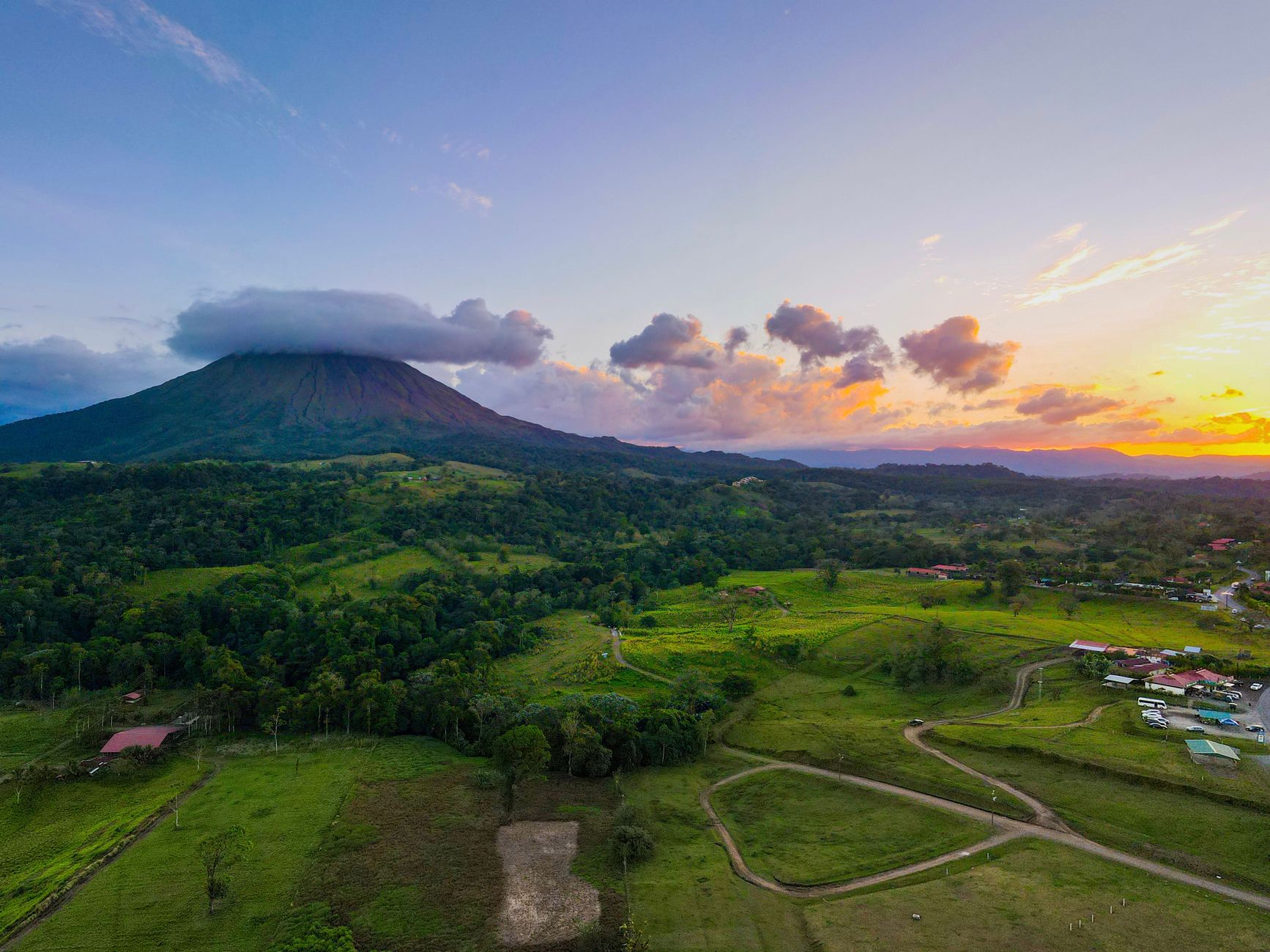
Yes, you can retire in Costa Rica, and many Americans are already doing it successfully. For a comfortable retirement, you’ll need approximately $2,500 USD per month as a single person or $3,500 for a couple—roughly 30 percent cheaper than retiring in the United States. To make this official, you apply for a Pensionado visa, which requires proving a steady income of just $1,000 USD monthly from sources like Social Security, military retirement, or pension payments. Once approved, you gain residency, access to healthcare, and tax benefits that make your retirement dollars stretch considerably further than they would at home. Costa Rica ranks third globally in the 2026 International Living Retirement Index, trailing only Portugal and Panama.
The country offers a combination of affordable living, high-quality healthcare ranked third worldwide, a stable government, and a well-established expat community of approximately 80,000 to 120,000 Americans. Unlike many countries that promise easy retirement but deliver complications, Costa Rica has a straightforward legal path for pensioners and retirees, with 60,000 Americans currently receiving U.S. Social Security while living there. The country’s 5.2 million residents welcome foreigners, and the infrastructure for retirement—from banking to residential options to English-speaking services—is mature and reliable. The key to a successful Costa Rican retirement is understanding three things: what it actually costs to live well there, how the visa system works, and what your healthcare options are. This article covers all three, plus the practical steps to make the move and realistic considerations about what you’ll gain and what you’ll lose.
Table of Contents
- What Does Retirement in Costa Rica Actually Cost?
- The Pensionado Visa: Your Legal Residency Path
- Healthcare in Costa Rica: Quality and Affordability
- Making the Move: Practical Steps and Tax Benefits
- Income Structure and Tax Considerations
- Where to Live: Regions, Communities, and Expat Networks
- Realistic Downsides and Things You’ll Miss
- Looking Ahead: Costa Rica’s Future as a Retirement Destination
- Conclusion
What Does Retirement in Costa Rica Actually Cost?
Your monthly budget in Costa Rica depends on your lifestyle and location. A comfortable retirement for a single person runs about $2,500 USD monthly, with couples spending roughly $3,500. These figures, converted to Costa Rican colones, represent approximately 1,225,000 to 1,715,000 colones. Within that range, rent for a one-bedroom apartment near metropolitan areas averages $917 monthly, leaving room for food, utilities, transportation, and entertainment. If you prefer a very lean lifestyle in an inland rural area, you could live on as little as $1,200 monthly, though this requires limiting dining out, travel, and other discretionary spending. For most retirees, $1,800 to $3,800 monthly provides a middle ground with genuine comfort—eating well, traveling within the country, and maintaining a modern home. Consider a practical example: A retired teacher from Florida receiving $2,000 monthly from her pension moves to San José, the capital. Her one-bedroom apartment costs $700, groceries for one person run about $300 monthly, utilities total $80, and internet is $40.
That’s $1,120 for basic living. Add $400 for healthcare through the public system, $300 for dining and entertainment, and $200 for occasional travel within Costa Rica, and she’s spending about $2,020 monthly. If she wanted to retire to the Caribbean coastal town of Puerto Viejo instead, her rent would drop to $500, but social opportunities and dining would cost more. The point is that your actual budget is flexible and depends on what matters to you. The cost comparison is striking: Costa Rica ranks 48th globally for cost of living, while the United States ranks 23rd. When you account for the specific categories that matter to retirees—housing, food, healthcare, and utilities—Costa Rica is roughly 30 percent cheaper. However, imported goods, imported alcohol, and new vehicles are expensive due to tariffs. Used cars are particularly pricey. But basic food, housing, and services are significantly less than you’ll pay in most American states, making your retirement income go much further.

The Pensionado Visa: Your Legal Residency Path
The Pensionado retirement visa is the straightforward legal mechanism for foreign retirees to establish residency in Costa Rica. To qualify, you need to prove a steady monthly income of at least $1,000 USD—or roughly 615,000 Costa Rican colones—from eligible sources. Those sources include government pensions, military retirement, Social Security, private company pensions, lifetime annuities, and disability benefits. You do not need to be a specific age; Costa Rica has no minimum age requirement for the Pensionado visa, so younger retirees or people with disability income qualify just as easily as seniors. The visa process involves submitting your application to Costa Rican immigration, providing proof of your monthly income (typically bank statements showing deposits), and completing medical and background checks. The visa is granted as a 2-year renewable permit. To maintain your residency, you must show that your income is being deposited into a Costa Rican bank account and that you spend at least four months annually in the country.
The application typically takes two to four months and costs around $500 to $1,500 in legal fees if you use an immigration attorney, which is highly recommended. Once approved, your visa lasts two years and can be renewed indefinitely as long as you maintain your income and residency requirements. One significant limitation: under Pensionado visa terms, you cannot work as an employee. However, you can establish your own business, which means you could operate an online business, consulting practice, or rental property. You can also invite dependents—your spouse and unmarried children under 25, or older children with disabilities—to join you under the same visa. This flexibility means couples can pool their income and retire together, and families can stay united. However, understand that this is a residential visa, not a citizenship path. You remain a foreign resident in Costa Rica, subject to immigration laws, and you cannot vote in national elections or hold certain professional licenses.
Healthcare in Costa Rica: Quality and Affordability
Costa Rica’s healthcare system is ranked third globally for quality, putting it alongside countries like Germany and Denmark. When you become a resident, you’re eligible to join the CAJA (Caja de Seguro Social), the public healthcare system, for roughly 9 to 11 percent of your reported monthly income—typically between $80 and $150 for a retiree. A standard doctor visit costs about $75, a specialist visit runs $100 or more, and tests or X-rays typically stay under $100. For many retirees, this represents a massive savings compared to U.S. healthcare costs, especially once you factor in medicare gaps and out-of-pocket expenses. However, the public system has a significant drawback: wait times. Appointments and surgeries in the CAJA system can involve waiting weeks or months, which is frustrating for retirees accustomed to immediate access. Many foreign residents solve this by combining public and private healthcare: they use CAJA for regular check-ups, basic care, and prescriptions, while paying out-of-pocket or purchasing private insurance for urgent or specialist care.
Private insurance for a retiree typically costs $150 to $300 monthly, with direct-pay rates for urgent care visits around $150 to $300 per visit. This hybrid approach gives you the affordability of the public system with the speed of private care, and the total cost is still well below U.S. Medicare-era healthcare expenses. A practical example: A 68-year-old woman with arthritis moves to Costa Rica with a $2,200 monthly Social Security payment. She enrolls in CAJA, paying approximately $165 monthly. She sees her primary care doctor once every three months for arthritis management through CAJA at $75 per visit. For MRI imaging or a specialist visit that would take three months to schedule through CAJA, she pays $200 directly to a private clinic and gets an appointment within a week. Her total annual healthcare cost is roughly $1,200 for insurance plus out-of-pocket visits—a fraction of what she’d pay for Medicare premiums, supplemental insurance, and deductibles in the United States.
Making the Move: Practical Steps and Tax Benefits
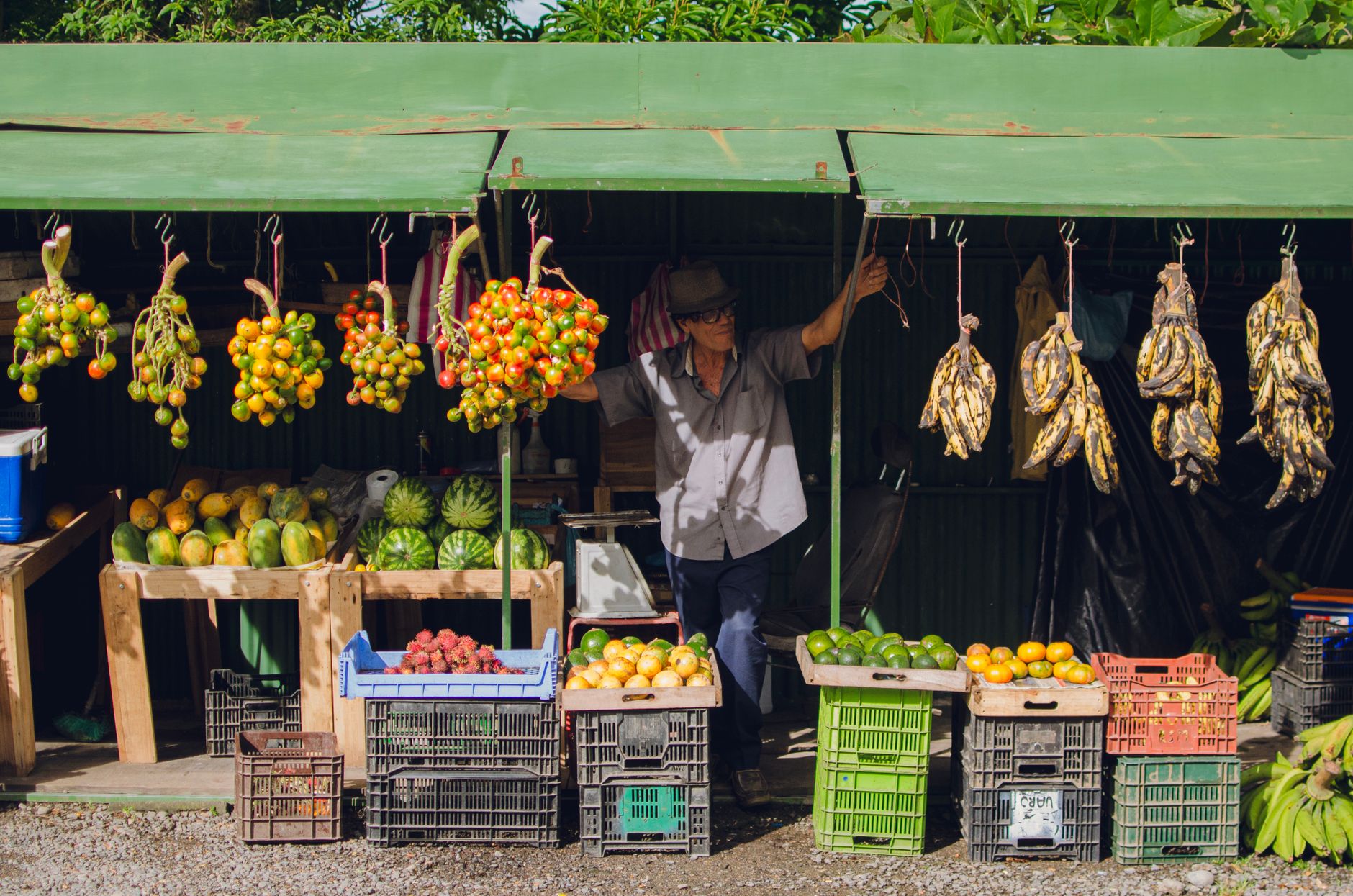
The physical move to Costa Rica involves several practical considerations. First, you’ll need a residency visa (the Pensionado path discussed above). Second, you can import household goods and personal items duty-free, one-time, though this benefit comes with limits and paperwork requirements. You can also import up to two vehicles free of import taxes—a substantial benefit since imported vehicles are extremely expensive. Real estate purchases receive partial transfer tax relief, making your investment in property slightly more affordable than it would otherwise be. These customs and tax benefits are designed specifically to ease the transition for retirees and foreign residents. To start the process, many retirees hire an immigration lawyer in Costa Rica to handle the visa application while they research neighborhoods and property options. This typically costs $500 to $1,500, but it’s money well spent because the lawyer ensures your paperwork is complete and correct.
Simultaneously, you should open a bank account with a Costa Rican bank or international bank operating there; this is usually required to deposit your pension income in-country and maintain your visa. Banks like BBVA, Scotiabank, and smaller banks like Banco Lafise serve foreigners. You’ll need your passport, proof of income, and sometimes a letter from your home bank. One critical point: foreign pensioners do not automatically become tax residents in Costa Rica simply by obtaining a residency visa. This is important because it means your foreign-source income—like U.S. Social Security—may not be subject to Costa Rican income tax. However, this is a nuanced area, and tax laws change. Currently, through June 2026, there is an exemption for foreign pension income, but you should consult with a Costa Rican tax accountant to understand your specific obligations. This is not something to figure out on your own; the tax advantage only applies if you structure your residency correctly.
Income Structure and Tax Considerations
Your approach to income in Costa Rica affects your financial security and legal standing. You must receive your pension income (Social Security, military retirement, or other eligible income) via direct deposit into a Costa Rican bank account to maintain your Pensionado visa. This is non-negotiable and one of the reasons opening a bank account is your first practical step. Your bank statements showing these deposits are the proof immigration officials review when renewing your visa every two years. If your income drops below $1,000 monthly for an extended period, or if you’re not showing deposits into a Costa Rican account, your visa becomes vulnerable. A related consideration: many retirees mistakenly believe that retiring to Costa Rica means avoiding all taxes. That’s not accurate. While foreign-source income like U.S.
📨 Get Free Medicare Guides Alerts
Free · No spam · Unsubscribe anytime
Social Security currently enjoys an exemption, income generated in Costa Rica—such as rental income from property you own, income from a business you operate, or interest from Costa Rican investments—is subject to Costa Rican income tax. Additionally, if you own property in Costa Rica, you’ll pay an annual property tax on that real estate. These are not enormous costs, but they’re real, and understanding them before you move prevents unpleasant surprises when the taxman calls. Your immigration status also affects your ability to work. Under the Pensionado visa, you cannot be employed by a Costa Rican company or foreign employer while physically in Costa Rica. However, if you run your own business—such as consulting, freelancing for international clients, or property rental—you can do so. Many retirees operate online businesses, manage rental properties, or provide services to their home countries while living in Costa Rica. This hybrid approach, where your visa income covers your basic expenses and side income provides discretionary funds, is increasingly common and entirely legal as long as you’re self-employed and file appropriate taxes.

Where to Live: Regions, Communities, and Expat Networks
Costa Rica’s geography offers distinct advantages and disadvantages for different retirees. The Central Valley, including cities like San José, Escazú, and Santa Ana, offers a temperate climate year-round (around 70 degrees Fahrenheit), modern infrastructure, excellent healthcare, and the densest expat and American community. Escazú in particular is known as “the American suburb” of Costa Rica, with English widely spoken, familiar restaurants, and healthcare that feels almost American. However, it’s also the most expensive region, with one-bedroom rent often exceeding $1,000 monthly. For those seeking lower costs, towns like Atenas, Grecia, or inland areas near Zarcero offer affordable housing, a more authentic Costa Rican experience, and smaller but still present expat communities. Coastal regions like Tamarindo (Pacific side) or Puerto Viejo (Caribbean side) appeal to retirees who prioritize beach living, though they offer less healthcare infrastructure and can feel more tourist-oriented than community-oriented. A practical example: two retirees from Arizona move to Atenas, a hillside town near San José. One-bedroom homes rent for $600 to $800 monthly.
They’re not in the densest American enclave, but they joined the local Atenas Expat Association, made friends within six months, and saved roughly $200 monthly on housing compared to Escazú while maintaining access to nearby healthcare in San José (45 minutes away). The broader reality: approximately 400,000 foreign residents live in Costa Rica, with 80,000 to 120,000 of those being American. This means you won’t be alone, and wherever you settle, you’ll likely find a community. Facebook groups, local American or expat associations, and church groups (English-speaking churches are common in expat areas) provide social connection. However, the quality and character of these communities varies dramatically. Some are deeply integrated, while others are bubble communities where you could live for years without learning Spanish or interacting with Costa Ricans. The choice is yours, but understand that loneliness is a real risk for retirees who move to a foreign country unprepared. Visiting for several weeks before committing is strongly recommended.
Realistic Downsides and Things You’ll Miss
Retiring to Costa Rica isn’t perfect, and understanding the downsides matters. The bureaucracy is frustratingly slow. Banking transactions that take days in the U.S. can take weeks in Costa Rica. Government processes, from visa renewals to property transfers, often involve paperwork that gets lost, delays that have no explanation, and officials who work by a different schedule than you expect. For retirees used to American efficiency, this is one of the hardest adjustments. Language is another: while many Costa Ricans in urban areas speak English, government offices, healthcare workers, and most service providers speak Spanish. You don’t need fluency to survive, but your life will be considerably easier if you speak functional Spanish. Healthcare, despite its quality, has limitations. You won’t find the cutting-edge specialist care that major U.S. medical centers offer. Complex surgeries, rare diseases, or cancer treatment at a top institution might require traveling back to the United States.
The public healthcare system, while affordable and decent, moves slowly. If you have ongoing health issues requiring frequent specialist visits, private insurance and out-of-pocket costs can add up. Additionally, natural disasters—earthquakes, hurricanes, and flooding—are real in Costa Rica, particularly on the Caribbean coast and during rainy season (May to November). Your insurance needs to account for this. Infrastructure outside major cities can be rough. Roads are often in poor condition, electricity outages happen, and internet in rural areas can be unreliable. If you choose a quieter, cheaper region, you’re accepting lower convenience. Water quality is generally good in urban areas but variable in rural zones. Socioeconomic inequality exists, and petty theft and property crime are concerns in some areas. Finally, and significantly: you’ll be far from family and friends who remain in the United States. While you can visit and they can visit you, the distance and cost mean you won’t see them frequently. This is not a decision to make lightly if you have grandchildren you want to be present for or aging parents who need your care.
Looking Ahead: Costa Rica’s Future as a Retirement Destination
Costa Rica’s appeal as a retirement destination is unlikely to diminish. The country maintains political stability, a strong currency (the colón), and a healthcare system that continues to improve. The government actively recruits pensioned foreign residents, recognizing the economic benefit: retirees spend money in local communities, support small businesses, and generally integrate into the economy. The visa requirements and tax benefits are unlikely to become more restrictive, though they could change.
What’s more likely is that more countries will follow Costa Rica’s model, offering pensioner visas and tax incentives to compete for international retirees. However, costs are rising. As more retirees move to Costa Rica, housing prices have increased, particularly in popular areas like Escazú and Tamarindo. The $2,500 monthly budget for a comfortable single-person retirement is current as of 2026, but yearly inflation of 3 to 5 percent will erode purchasing power over the next decade. The time to move might be now if you’re considering it, as future retirees will likely need higher income requirements to maintain the same lifestyle.
Conclusion
Retiring in Costa Rica is feasible, legal, and attractive for Americans with a modest pension or Social Security income. The country offers an affordable cost of living (30 percent cheaper than the U.S.), excellent healthcare ranked third globally, a straightforward visa path (the Pensionado visa requiring just $1,000 monthly income), and an established expat community ready to welcome you. Your monthly retirement budget of $2,500 for a single person or $3,500 for a couple, combined with tax benefits on foreign pension income and one-time customs exemptions for household goods and vehicles, makes it financially viable for many retirees. Before moving, spend several weeks in your target region. Hire an immigration lawyer to navigate the visa process.
Open a Costa Rican bank account and arrange for your pension income to deposit there. Consult with a tax accountant familiar with both U.S. and Costa Rican law. Join online communities and associations in your chosen area. Understand the trade-offs: you’ll gain affordability and healthcare, but you’ll sacrifice proximity to family, American efficiency, and access to cutting-edge specialists. For those who weigh these factors thoughtfully and make an intentional choice, Costa Rica can be a genuine retirement success story.