
Retirement poverty in 2026 has reached a breaking point. Fifteen percent of Americans age 65 and older now live in poverty according to the Supplemental Poverty Measure—a figure that has climbed steadily every single year since 2020. That’s roughly 9 million seniors struggling to afford basic necessities, and the rate is accelerating. The official poverty measure captures 10.2% of seniors, but the true crisis is far worse: 17 million older adults are economically insecure, living on incomes below 200% of the poverty line. These aren’t abstract percentages.
These are real people choosing between medicine and groceries, between heat and electricity, between housing and healthcare. The trajectory is alarming. In just the past five years, senior poverty increased in more than 800 counties across America. The 60 million Americans now age 65 and older—a population that has grown 34% over the past decade—are facing an unprecedented squeeze. Inflation, stagnant Social Security increases, depleted savings, and rising housing costs have conspired to trap millions in a poverty trap they can’t escape. And the worst part: most Americans have no idea how severe the problem has become.
Table of Contents
- Why Retirement Poverty Rates Have Reached Crisis Levels in 2026
- The Real Scale of Senior Economic Insecurity in America
- Who Bears the Greatest Burden: Demographic Disparities in Retirement Poverty
- Social Security’s Inadequate Shield Against Rising Costs
- The Poverty Measure Gap: Why Official Numbers Undercount Real Hardship
- The Suburban Poverty Crisis Among Older Americans
- The Housing Crisis and the Existential Threat to Retirement Security
- Conclusion
Why Retirement Poverty Rates Have Reached Crisis Levels in 2026
The numbers tell a stark story of decline. Between 2022 and 2024, senior poverty under the Supplemental Poverty Measure rose from 14% to 15%—a seemingly small jump that translates to hundreds of thousands more people struggling to survive. But this metric understands something the official poverty measure doesn’t: that seniors face unique costs, particularly healthcare and housing, that drain their limited resources far faster than younger populations. A senior on a fixed income cannot simply cut back the way a working-age household can. What’s driving this crisis? The culprits are multiple and interconnected.
Real wages for most Americans have stagnated while housing costs have skyrocketed. Healthcare expenses eat up an average of $4,500 per year for a retired couple, money that simply isn’t available for other necessities. Investment returns have disappointed, leaving many retirees with smaller nest eggs than they expected. And perhaps most critically, the cost of living—particularly food, housing, and energy—has outpaced the meager social security increases available to retirees. Compare this to the private sector, where workers can negotiate raises or change jobs to improve their circumstances. Retirees have no such options.
The Real Scale of Senior Economic Insecurity in America
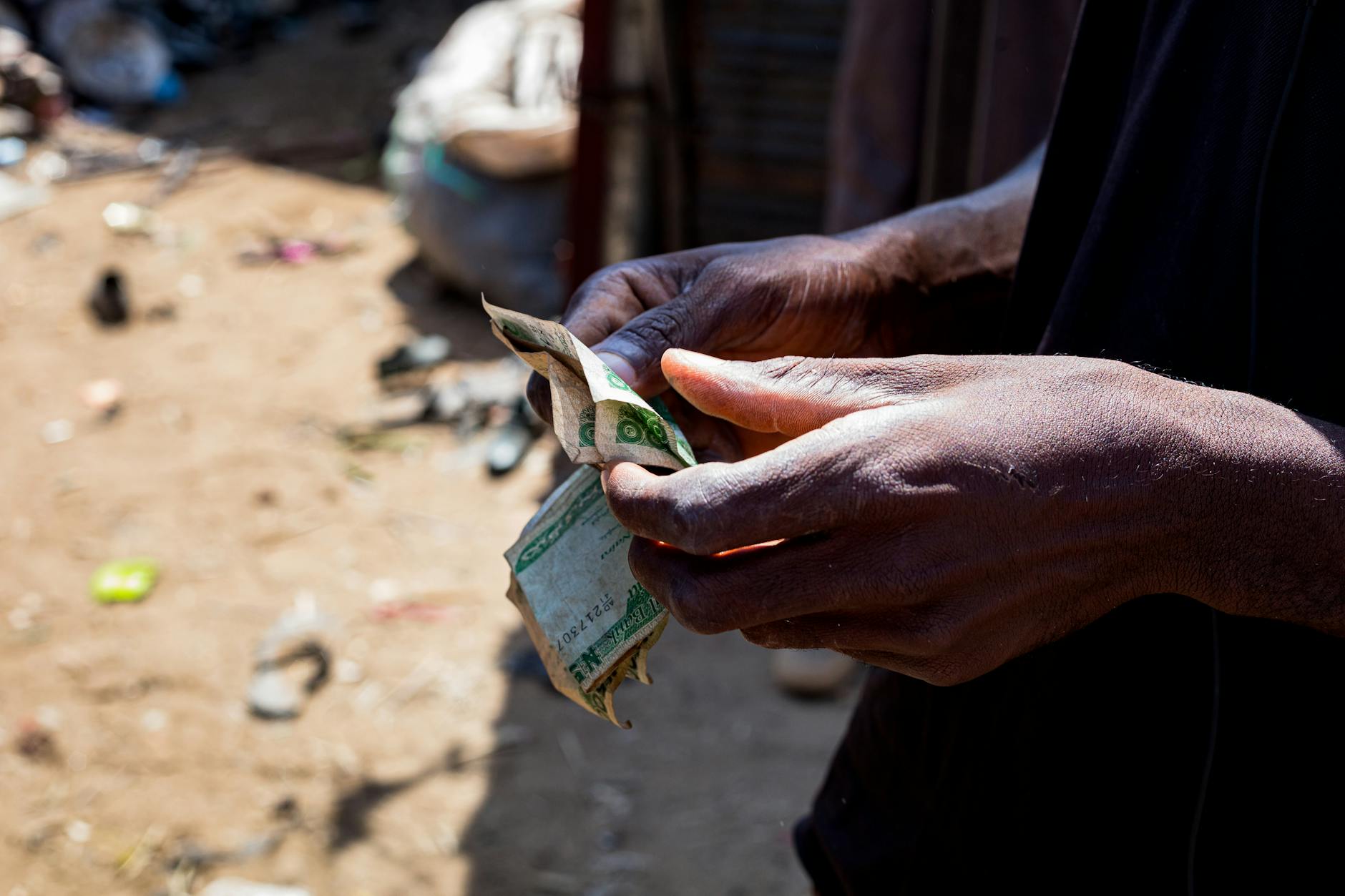
When researchers talk about poverty, they’re actually measuring two different things, and the distinction matters enormously. The official poverty measure, set at $14,580 annually for a single person 65 and older, captures 10.2% of seniors. But the Supplemental Poverty Measure, which accounts for regional cost differences and actual spending patterns, paints a grimmer picture at 15%. The gap between these two measures—5 percentage points—represents roughly 3 million additional seniors in genuine hardship that the government’s official statistics simply ignore.
More concerning still is the economic insecurity metric. Seventeen million older adults live on incomes below 200% of the poverty line. This means they’re not just poor by government definitions—they’re one medical emergency, one home repair, one utility shut-off away from complete financial collapse. A roof leak, a dental emergency, a prescription that jumps in price: any of these can obliterate what little financial cushion they have. This is not poverty in the abstract. This is families unable to afford adequate nutrition, seniors skipping doses of medication to stretch prescriptions, people living in deteriorating housing because they cannot afford repairs or higher rents.
Who Bears the Greatest Burden: Demographic Disparities in Retirement Poverty
Retirement poverty does not strike all americans equally. The disparities are stark and reflect decades of systemic inequality. Among older Hispanic singles, 72% face economic insecurity. For older Black singles, the figure is 64%. Compare these to national averages, and the racial inequity becomes undeniable. These older adults entered retirement with smaller Social Security benefits—a direct result of lower lifetime earnings, time out of the workforce for caregiving, and wage discrimination.
They had less opportunity to accumulate savings, less home equity, and faced steeper costs for healthcare, which disproportionately affects communities of color. Single seniors face particular vulnerability. Married couples can pool Social Security benefits and share household costs. A single retiree carries 100% of housing, utilities, healthcare, and food costs alone. This explains part of the gender dimension: most single seniors are women, particularly older women whose working years were interrupted by caregiving or who faced wage discrimination that reduced their lifetime Social Security benefits. Living alone on one income, without a spouse to share expenses, becomes an exercise in deprivation. The statistics translate to real consequences: inadequate nutrition, foregone medical care, and social isolation that accelerates cognitive and physical decline.

Social Security’s Inadequate Shield Against Rising Costs
Here’s the grim arithmetic that defines 2026 retirement security: without Social Security, 37.3% of seniors would live in poverty. With it, the rate drops to 10.1%. Social Security lifts 23.5 million people and children above the poverty line—making it, by a enormous margin, the most effective anti-poverty program in American history. And yet, it is also fundamentally inadequate for the retirees who depend on it entirely. The January 2026 Social Security increase illustrates the problem perfectly. The Cost-of-Living Adjustment (COLA) was 2.8%, which added an average of $56 per month to benefits—raising the average monthly benefit from $2,015 to $2,071. For someone relying solely on Social Security, this translates to $672 annually in additional income.
But according to an AARP survey in 2026, 77% of older adults say this increase is insufficient to keep up with rising prices. Why? Because their actual costs rose far more than 2.8%. Grocery prices surged roughly 5-7% in the same period. Rent and housing costs rose even faster. Electricity and heating costs spiked. The COLA formula, based on general inflation, doesn’t account for the outsized impact of housing and healthcare costs in a senior’s budget. For a senior spending 40-50% of income on rent or mortgage, a 2.8% benefit increase while rent rises 8% means losing ground every single month.
📨 Get Free Medicare Guides Alerts
Free · No spam · Unsubscribe anytime
The Poverty Measure Gap: Why Official Numbers Undercount Real Hardship
Policymakers and media outlets often cite the official poverty rate for seniors—10.2%—as if this represents the true scope of the crisis. This is dangerously misleading. The official poverty measure was designed in the 1960s and has barely been updated. It assumes that seniors have the same spending patterns as working-age families. It doesn’t adequately account for out-of-pocket healthcare costs, which average $4,500 annually for retired couples and can reach $10,000 or more for those with chronic conditions. It doesn’t properly weight housing costs in different regions.
And it doesn’t account for the reality that seniors can’t simply “work more” if they fall short of income. The Supplemental Poverty Measure corrects some of these flaws, which is why it shows 15% of seniors in poverty. But even this measure is incomplete. Many seniors are simply not counted in poverty statistics because they receive help from adult children, live with family members, or are housed through informal arrangements. Others are in subsidized housing or receive food assistance, which technically lifts them above the poverty line even though they remain deeply economically insecure. The true number of seniors in genuine hardship is almost certainly higher than any official statistic suggests. When we say the numbers are worse than you think, we mean that the government’s own measurements are systematically undercounting the problem.
The Suburban Poverty Crisis Among Older Americans
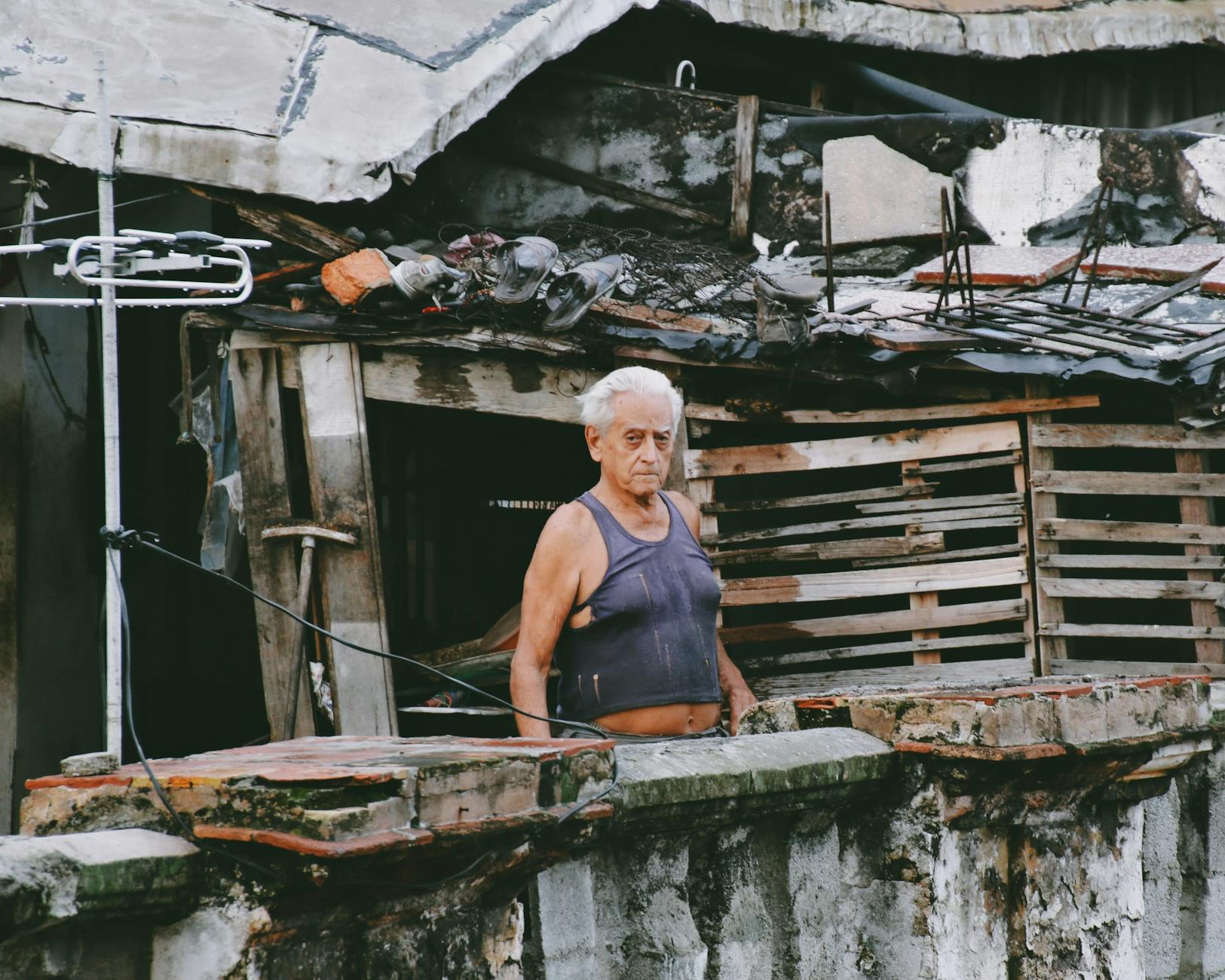
A recent shock to the conventional wisdom came in May 2026 when researchers discovered that senior poverty is surging in suburban areas, not just in cities or rural regions. Between 3 and 5 million older adults in suburban communities alone face poverty—representing 11-15% of all seniors nationally. This finding shattered the assumption that suburbs are uniformly wealthy. In reality, many suburbs house older adults on fixed incomes in communities where property taxes are rising, property values have shifted, and services are becoming more dispersed and expensive.
These suburban seniors often face a cruel irony: they own homes that have appreciated in value, yet cannot afford the taxes, insurance, and maintenance on those same homes. They are “house poor”—technically wealthy on paper, but cash-poor in reality. A retiree who owns a home worth $400,000 but lives on $24,000 annually from Social Security cannot pay $5,000 annual property taxes, $1,200 insurance, and basic upkeep. Many are quietly falling into delinquency or being forced to sell. This suburban poverty is also less visible than urban poverty, which means these seniors often lack access to the services and supports available in cities.
The Housing Crisis and the Existential Threat to Retirement Security
The housing crisis represents an existential threat to retirement security that extends far into the future. The National Council on Aging reported that 2.4 million of the poorest seniors will lose access to affordable housing by 2038—just 12 years away. This isn’t a prediction; it’s a consequence of existing policy and demographic trends. Affordable senior housing is vanishing as properties are converted to market-rate units, demolished, or transferred to for-profit operators who raise rents. Meanwhile, the population of seniors is growing rapidly. For many retirees, housing is not just the largest expense in their budget—it’s the anchor that holds their entire financial situation together.
Lose housing, and a senior loses the address needed to receive mail, including benefits checks. They lose stability, access to services, community connections, and often health itself. The cascade of consequences from homelessness among seniors is devastating and well-documented. Yet policy responses have been inadequate. The expansion of affordable housing cannot keep pace with demand. And as seniors are priced out of their communities, they are pushed to the margins of society, where isolation breeds further hardship.
Conclusion
The retirement poverty crisis of 2026 is not a temporary phenomenon or a statistical quirk. It reflects structural failures in how America funds retirement, how it adjusts benefits for inflation, and how it has allowed housing costs to spiral beyond the reach of fixed-income seniors. Fifteen percent of Americans age 65 and older live in poverty according to the SPM. Seventeen million more are economically insecure. In over 800 counties, senior poverty has increased in the past five years.
These are not abstractions—they are millions of real people facing impossible choices between basic necessities. If you are approaching retirement, the numbers should inform your planning. If you are already retired, they should prompt you to seek assistance if you need it and to understand that your struggles are not unique or the result of personal failure. If you are working, the crisis should underscore the importance of building retirement savings beyond Social Security, understanding your own future costs, and advocating for policy changes that modernize how America supports its seniors. The numbers won’t improve on their own. But understanding them—really understanding them—is the first step toward building a more secure retirement or recognizing when external support is necessary.
You Might Also Like
- Retirement Savings by Generation in 2026: The Numbers Are Worse Than You Think
- Retirement Income Shortfall in 2026: The Numbers Are Worse Than You Think
- Social Security Benefit Reduction in 2033: The Numbers Are Worse Than You Think