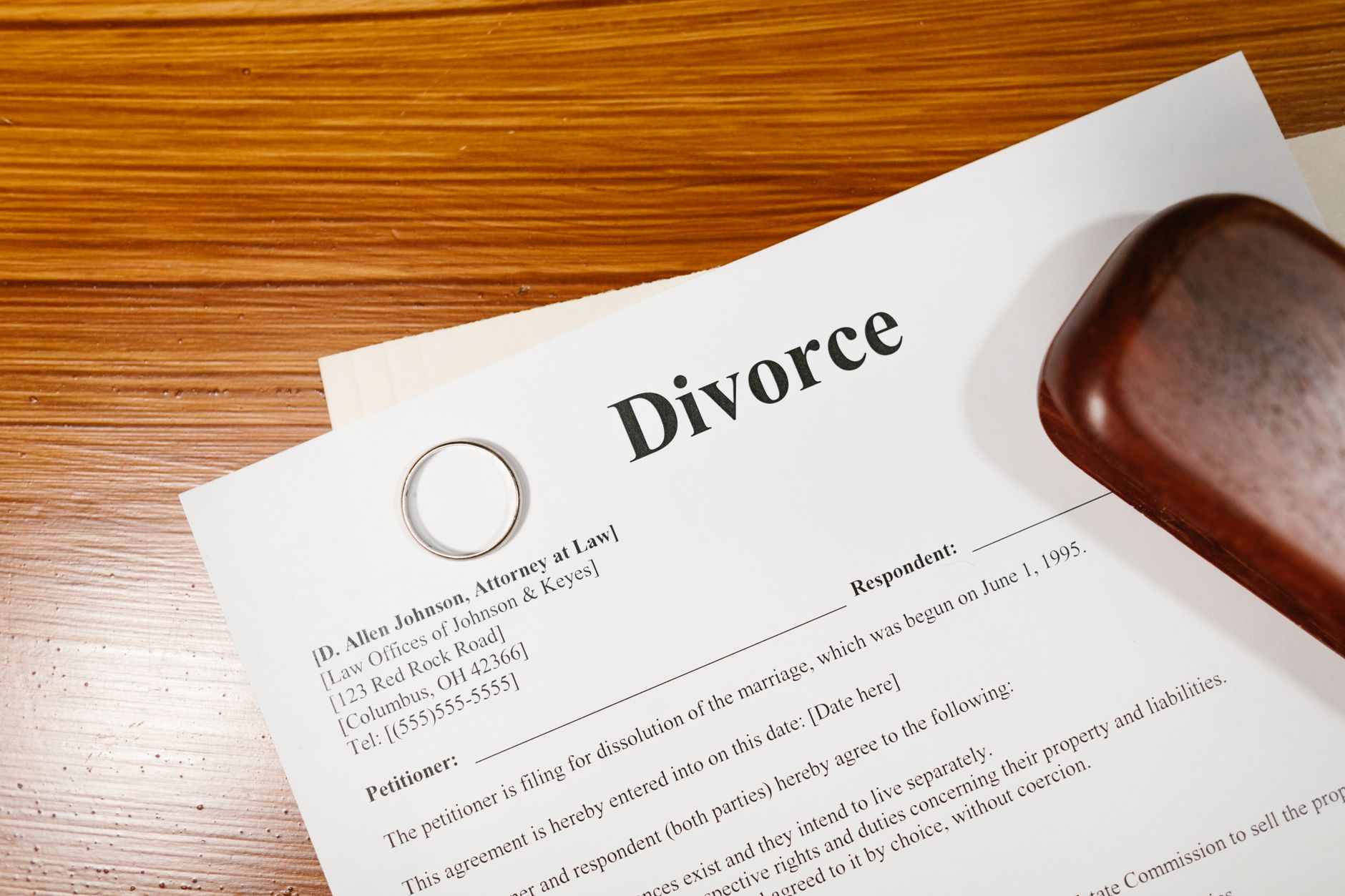
Yes, you can receive Social Security benefits based on your ex-spouse’s earnings record if your marriage lasted at least 10 years, you are at least 62 years old, and you are currently unmarried. These divorced spouse benefits can provide a meaningful income stream in retirement, potentially giving you up to 50% of what your ex-spouse receives at their full retirement age. This benefit exists independently—claiming it does not reduce your ex-spouse’s benefits, and their remarriage won’t affect your eligibility, making it a valuable option many divorced Americans overlook. To illustrate: Sarah was married for 12 years before divorcing at age 55.
She remained unmarried and worked until age 62. Because her ex-husband’s Social Security benefit at his full retirement age is projected to be $2,800 per month, Sarah could potentially claim a divorced spouse benefit of up to $1,400 per month. This income, combined with her own retirement savings, significantly improved her retirement security—income she would have missed entirely if she didn’t know about the rule. The Social Security Administration (SSA) has structured these divorced spouse benefits as a safety net for former spouses who contributed to a marriage for at least a decade. Understanding the eligibility requirements, benefit amounts, and timing strategies can help you maximize your retirement income.
Table of Contents
- What Makes You Eligible for Divorced Spouse Social Security Benefits?
- How Much Can You Receive as a Divorced Spouse?
- What Happens If Your Ex-Spouse Passes Away?
- The Claiming Decision: Age 62 Versus Full Retirement Age
- What Happens If You Remarry or Your Ex Remarries?
- Divorced Spouse Benefits and Your Own Retirement Benefits
- Planning Ahead: Questions to Ask and Documentation You’ll Need
- Conclusion
What Makes You Eligible for Divorced Spouse Social Security Benefits?
The eligibility rules for divorced spouse benefits are straightforward, but they have important boundaries. First, your marriage must have lasted at least 10 years—if it lasted 9 years and 364 days, you do not qualify. This 10-year threshold is non-negotiable and applies whether you were the higher or lower earner during the marriage. Second, you must be at least 62 years old to claim. Third, you must be currently unmarried; if you remarry, you lose eligibility for benefits based on your ex-spouse’s record, though you could potentially qualify for benefits on your new spouse’s earnings if that marriage lasts 10 years. The SSA also has a two-year waiting period rule that applies when your ex-spouse hasn’t yet applied for their own benefits.
If your ex hasn’t filed, you must wait until you’ve been divorced for at least two years before you can claim your divorced spouse benefit. However, once your ex-spouse does file, you can claim immediately regardless of the two-year threshold. This rule sometimes creates confusion, but it’s designed to allow divorced people to claim benefits without needing their ex’s permission or cooperation. One important clarification: your ex-spouse does not need to be aware of your claim, does not need to approve it, and receives no notification. Your claim is handled confidentially by the SSA. Many people delay claiming benefits because they assume their ex needs to consent or will somehow be affected—neither is true.

How Much Can You Receive as a Divorced Spouse?
The maximum divorced spouse benefit is 50% of your ex-spouse’s full retirement age (FRA) benefit amount. If your ex-spouse’s full retirement age benefit is $2,800 per month, your maximum divorced spouse benefit would be $1,400 per month. This is significantly more generous than some people expect, and for those with lower personal earnings records, it can be the larger of the two benefits available to them. However, there’s an important limitation: claiming before your full retirement age reduces your benefit. If you claim at 62 instead of waiting until your full retirement age (typically 67), you’ll receive approximately 65% of your entitled amount.
Using the example above, claiming at 62 would mean receiving about $910 per month instead of the full $1,400. Unlike your own retirement benefits, where waiting past your full retirement age increases your benefit by 8% per year, divorced spouse benefits do not increase if you delay claiming past your FRA. This means there’s no financial advantage to waiting beyond your full retirement age for divorced spouse benefits alone—a critical distinction that changes claiming strategy for many divorced retirees. As of 2026, the average retired worker benefit is $2,071 per month, and all social Security benefits increased by 2.8% effective January 2026. For a divorced spouse claiming at full retirement age, these benefit increases are applied each year.
What Happens If Your Ex-Spouse Passes Away?
If your ex-spouse passes away, your benefit structure changes significantly—and becomes much more generous. Survivor benefits can be as high as 100% of what your ex-spouse was receiving or entitled to receive, compared to the 50% maximum while they’re alive. This is one of the most valuable aspects of divorced spouse benefits that often surprises people. For example, if your ex-spouse was receiving $2,800 per month when they passed away, and you had been claiming $1,400 per month as a divorced spouse, your benefit would increase to $2,800 per month—the full survivor benefit.
This automatic increase requires no additional paperwork; the SSA will adjust your benefit once the death is reported. The survivor benefit provides crucial protection in case your ex-spouse’s death would have created financial hardship for you in retirement. It’s important to note that survivor benefits apply only after death. While your ex-spouse is alive, the 50% cap applies regardless of their age or health status.

The Claiming Decision: Age 62 Versus Full Retirement Age
Deciding when to claim is one of the most important decisions in divorced retirement planning, and the calculation differs significantly from claiming on your own record. The key tradeoff is immediate but reduced income versus delayed but larger checks. If you claim at 62, you receive about 65% of your entitled amount for the rest of your life. Using our example of a $1,400 monthly benefit, you’d receive $910 per month starting immediately. Over 20 years, that’s $218,400 total.
If you instead wait until age 67 (your full retirement age), you receive the full $1,400 per month, but you miss five years of payments ($84,000). You’d need to live into your early 80s for the delayed strategy to pay off financially. This calculation becomes personal based on your health, family longevity, other income sources, and immediate financial needs. Someone with serious health concerns or immediate cash needs might benefit from claiming at 62. Someone in good health with other retirement income might benefit from waiting. The Social Security Administration doesn’t make the decision for you—you must weigh your circumstances carefully.
📨 Get Free Medicare Guides Alerts
Free · No spam · Unsubscribe anytime
What Happens If You Remarry or Your Ex Remarries?
Remarriage has asymmetric effects on divorced spouse benefits. If you remarry, you lose eligibility for benefits on your ex-spouse’s record entirely. However, if you’ve already reached full retirement age when you remarry, you can still receive your own retirement benefits if you’ve earned 40 Social Security credits (roughly 10 years of work). The loss of divorced spouse benefits is permanent for that relationship, though you could potentially qualify for new spousal benefits on your new spouse’s record if the new marriage lasts 10 years. Conversely, if your ex-spouse remarries, it does not affect your divorced spouse benefits at all.
Your ex’s new marriage does not reduce your benefit, limit your eligibility, or trigger any notification to you. This asymmetry sometimes confuses divorced people who worry that their ex’s remarriage will somehow impact their Social Security claim. It won’t. One warning: if you’re in a long-term relationship without marriage, you cannot claim divorced spouse benefits on your ex-spouse’s record while cohabiting without marriage. The rule specifically requires that you be unmarried, not merely single. Some states have common-law marriage, which would trigger this rule, but in most places, cohabitation without legal marriage won’t affect divorced spouse benefits.

Divorced Spouse Benefits and Your Own Retirement Benefits
A critical point of confusion: you cannot receive both your full personal retirement benefit and your full divorced spouse benefit. Instead, the SSA calculates both benefits you’re entitled to and pays you the larger amount, plus a “deemed” portion of the smaller benefit that brings you to your total family benefit. This is called the Government Pension Offset in some contexts, though it applies here differently than with pensions.
In practice, if you’re entitled to $1,200 per month on your own record and $1,400 per month as a divorced spouse, you receive the $1,400 (the larger benefit). You do not receive $2,600. The Social Security system doesn’t double-count your contributions to the same household.
Planning Ahead: Questions to Ask and Documentation You’ll Need
Before you file, gather documentation showing your marriage lasted at least 10 years. The SSA will need a certified copy of your marriage certificate and a certified copy of your divorce decree. If either document lists different names than your current Social Security record, bring documentation showing the name changes (such as a marriage certificate showing your maiden name).
When you apply, whether online, by phone, or in person at your local SSA office, the interview will ask detailed questions about your marriage dates and your ex-spouse’s Social Security number (if you know it). Having accurate information ready will speed the process. The SSA’s timeline is typically 1-3 months from application to approval, though it varies by office.
Conclusion
Divorced spouse Social Security benefits represent a meaningful income source for millions of retired Americans, providing up to 50% of an ex-spouse’s benefit amount for those who meet the eligibility requirements. The key requirements—a 10-year marriage, age 62 or older, and current unmarried status—are within your control to verify before applying. Understanding how benefits change with claiming age, what happens if your ex remarries or passes away, and how your own benefits interact with divorced spouse benefits allows you to make an informed decision aligned with your financial situation.
If you’re divorced and approaching retirement age, contact the Social Security Administration or visit their website to explore your options. Many divorced retirees claim benefits years later than they could have, missing thousands of dollars in payments. Knowing the rules now positions you to maximize your retirement security and avoid costly mistakes.
You Might Also Like
- Will Social Security Run Out
- When Should I Start Taking Social Security
- States That Don’t Tax Social Security