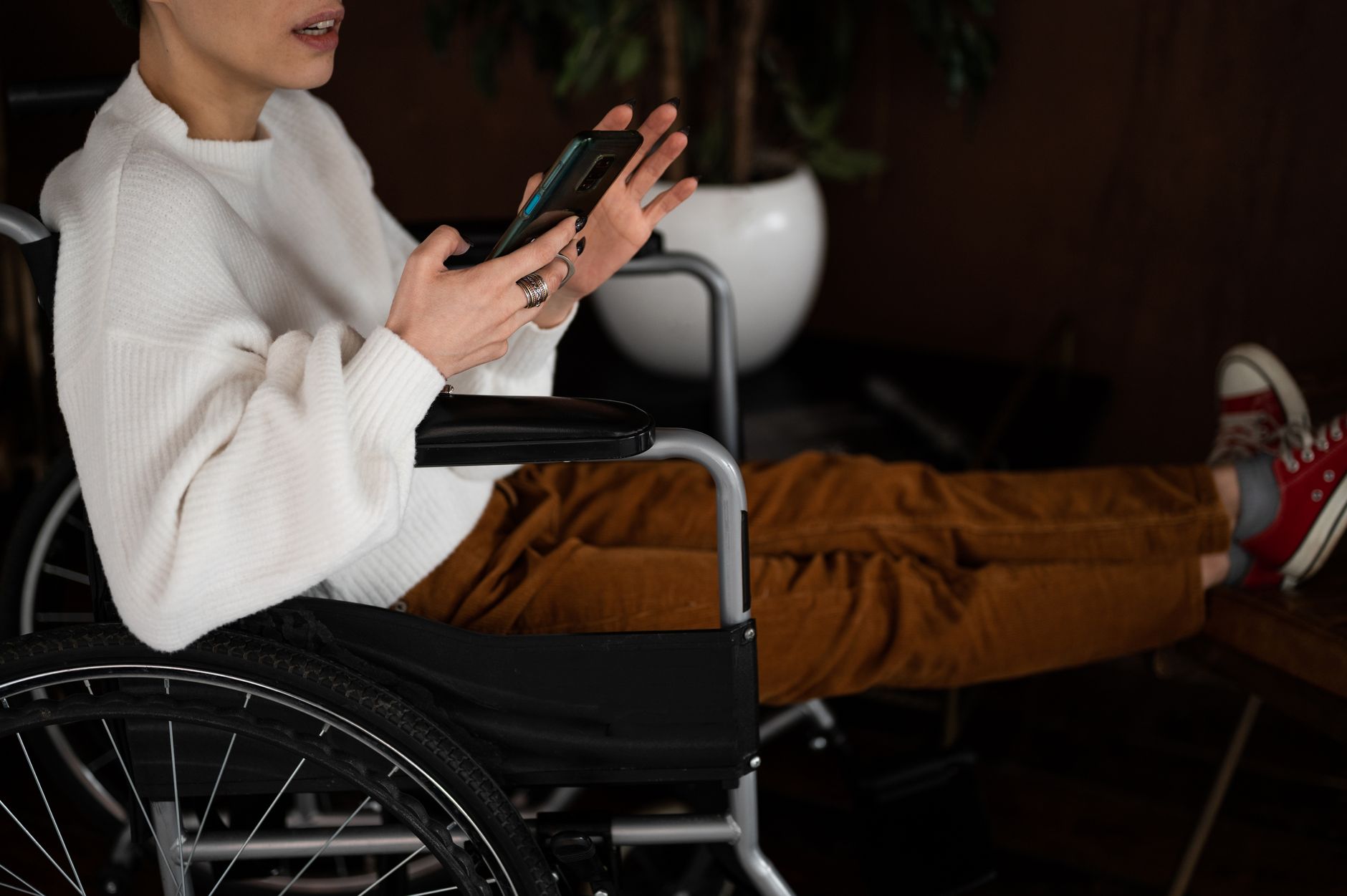
Social media can significantly impact disability claims because insurance companies and their investigators now systematically use your online presence to evaluate whether your claimed disability is genuine. If you post photos or videos showing activities that contradict your disability claim—hiking, traveling, or engaging in physical activities—insurers can use this evidence to deny or reduce your benefits. This happens more often than most people realize: social media evidence appears in approximately 20% of disability fraud cases, with private investigators using advanced search techniques and data mining tools to monitor claimants’ profiles continuously. For someone relying on long-term disability benefits to maintain their retirement security, a single misleading post can trigger a claim denial that takes months or even years to overturn.
The stakes are real. While 28% of long-term disability claims are initially denied, the good news is that 60% of these denials are eventually overturned on appeal—but only if you fight them. The average long-term disability claim approval rate improved to 84.7% in 2023, up from 82.1% in 2021, suggesting that insurers are scrutinizing claims more carefully than ever. Understanding how insurance companies use social media evidence, what you should and shouldn’t post, and how to protect your claim has become essential knowledge for anyone navigating the disability benefits system.
Table of Contents
- How Insurance Companies Monitor Social Media for Disability Claims
- The Range of Denial Rates and Appeal Success
- What Private Investigators Actually Do with Your Online Presence
- Protecting Your Claim While Managing Legitimate Social Media Use
- The Danger of Social Media Misinterpretation and Context Loss
- Website Accessibility and Digital Disability Access Rights
- The Future of Disability Claims and Digital Privacy
- Conclusion
How Insurance Companies Monitor Social Media for Disability Claims
Insurance companies don’t passively wait for evidence to appear. They actively hire private investigators who use sophisticated search techniques, facial recognition software, and data mining tools to build detailed profiles of claimants across multiple social media platforms. These investigators sometimes monitor a single claimant for years, watching for any post or photo that suggests the person is more capable than they claim. A claimant who states they cannot work due to a back injury might seem credible until investigators find vacation photos showing them hiking, playing golf, or engaging in other physical activities. In one documented example, a woman claiming she couldn’t leave her home due to anxiety posted photos at restaurants, concerts, and outdoor events—evidence that led to her disability claim being denied.
The digital footprint is comprehensive and permanent. Instagram, Facebook, TikTok, LinkedIn, Twitter, and even old deleted posts can be recovered through data archiving services. A single photo tagged by a friend showing you at an event you claimed you were too ill to attend can become grounds for denial. What makes this particularly challenging is that many people with legitimate disabilities have good days and bad days. You might be well enough to attend a family gathering one Saturday but unable to work a full-time job. Insurance companies, however, often interpret any evidence of capability as proof that the disability claim is exaggerated or fraudulent.
The Range of Denial Rates and Appeal Success
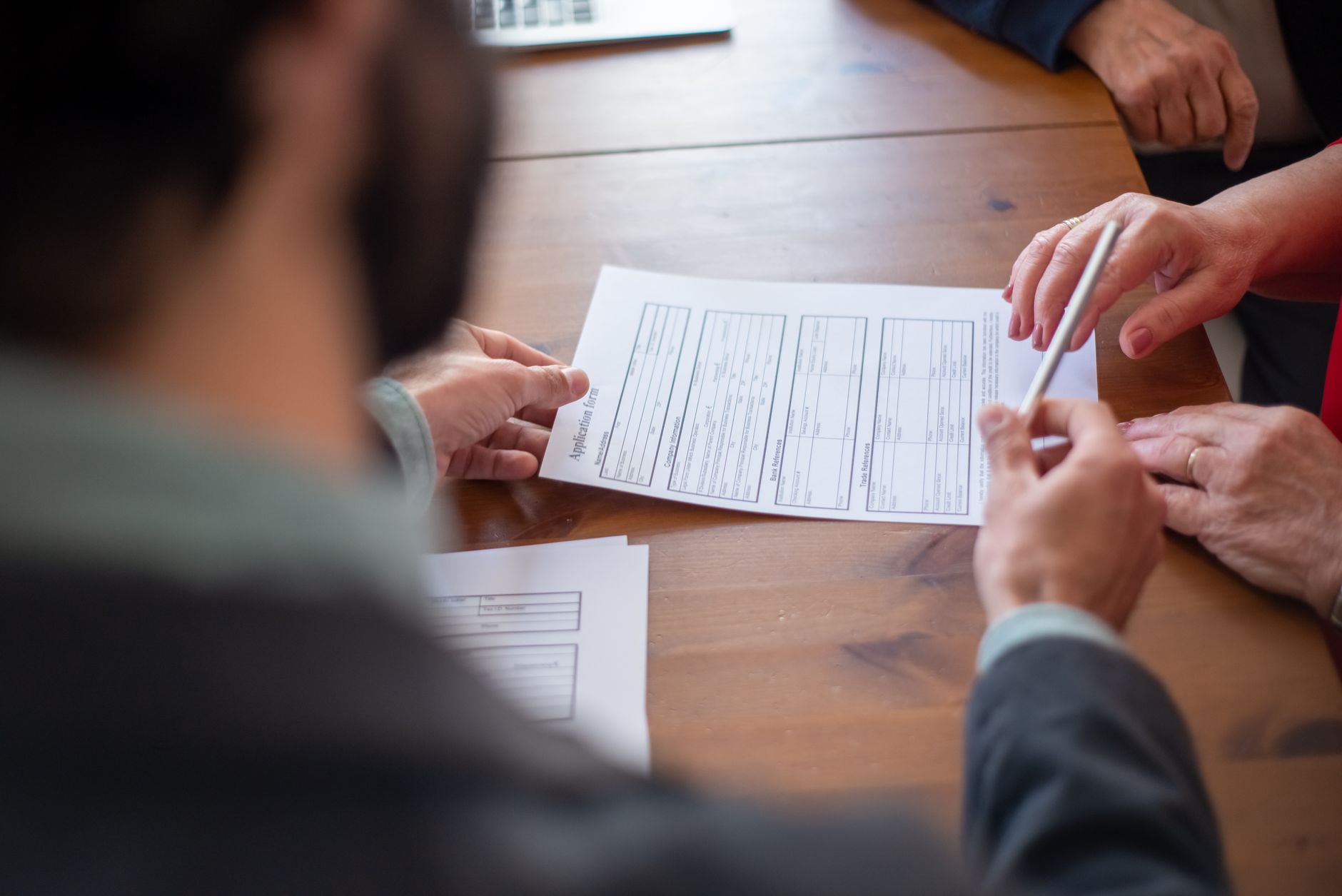
Understanding the statistics helps put your risk in perspective. The long-term disability denial rate averaged 15.3% across U.S. insurers in 2022, meaning roughly one in seven claims were initially rejected. However, the picture improves dramatically when claimants appeal: 60% of initial denials are overturned on appeal. This is critical information because it means an initial denial is not a final judgment.
The approval rate for long-term disability claims has been trending upward, reaching 84.7% in 2023, which suggests that insurers may be becoming slightly more balanced in their assessments—or that claimants are becoming better informed about how to protect their claims. The limitation here is that appealing a denied claim requires time, documentation, and often legal assistance, which many people cannot easily afford. An appeals process typically takes several months to over a year, during which time you may be without benefits. Additionally, while 60% of initial denials are overturned, that means 40% are upheld. For someone depending on disability benefits to fund retirement or bridge to social security, a upheld denial can be financially catastrophic. The Social Security Administration maintains a fraud referral rate of less than 1% of total claims, suggesting that most disability claims are legitimate and that fraud is relatively uncommon.
What Private Investigators Actually Do with Your Online Presence
Private investigators hired by insurance companies employ methods that often surprise claimants with their scope and sophistication. They don’t just search your public profiles—they often create fake social media accounts to infiltrate friend groups, hire data brokers to access archived posts, use facial recognition software to identify you in photos posted by others, and cross-reference information across platforms to build comprehensive timelines of your activity. One investigation might span two or three years, with investigators documenting hundreds of observations about what you did, where you went, and who you were with. This documentation becomes the basis for a report sent to the insurance company, which uses it to argue that your disability claim is inconsistent with your actual capabilities.
The reality is that many people don’t realize how much of their digital activity is being captured and analyzed. A friend tags you in a photo from a restaurant, someone posts a video of you at a family event, or you share a vacation photo without thinking about how it might appear to someone evaluating your disability claim. Even innocent posts—like a photo from a shopping trip or a video of you helping a friend move boxes—can be misinterpreted as evidence that you’re more capable than you claim. People with chronic pain, fibromyalgia, or mental health conditions often have unpredictable symptoms that allow them to function well some days and be bedridden others, but this nuance is often lost in the investigation process.

Protecting Your Claim While Managing Legitimate Social Media Use
If you have a disability claim pending or active, you need a strategic approach to social media. The safest option is to make your accounts completely private, limit your friend list to people you absolutely trust, and avoid posting anything that could be interpreted as showing capability inconsistent with your claim. This means no vacation photos, no pictures from social events, and no videos of yourself engaged in physical activities. If you must use social media, consider using it only to communicate privately with close family and friends rather than posting public updates. Some disability claimants choose to deactivate their accounts entirely during the claims process—a precaution that eliminates the risk entirely but comes at the cost of disconnecting from your social network.
However, this advice creates a difficult tradeoff. Social media is how many people maintain connections with friends and family, especially those who are isolated by disability. Asking someone to abandon social media entirely while navigating a disability claim adds to the psychological burden they already carry. A more balanced approach might be to keep social media active but extremely limited: no posts about activities, no location tags, and no photos of yourself. Share text-only updates about your thoughts or feelings, but avoid anything visual that could be misinterpreted. Before posting anything, ask yourself: “Could an insurance investigator use this post to argue that I’m not as disabled as I claim?” If the answer is yes, don’t post it.
📨 Get Free Medicare Guides Alerts
Free · No spam · Unsubscribe anytime
The Danger of Social Media Misinterpretation and Context Loss
One of the biggest problems with using social media as evidence in disability claims is that context is often stripped away. A photo of you at a wedding might have been taken during a good hour on a bad day, or you might have paid a significant physical price for attending—lying in bed for three days afterward. An investigator taking screenshots for a report sees only the photo, not the broader context of your health situation. This context loss has led to numerous appeal victories where claimants successfully argued that a single outing did not represent their typical functioning.
One case involved a woman who was photographed at a grocery store by an insurance investigator; she won her appeal by providing medical records showing that she spent the following week in bed recovering from that single outing. The warning here is that even if you’re carefully managing your social media, investigators can photograph you in public spaces without your knowledge or consent. This means your protection is limited to what you directly post. You cannot control what others post about you, though you can request removal of tagged photos and inform friends of your situation. Additionally, the Americans with Disabilities Act does not provide legal protection against social media investigation by insurance companies, meaning this practice is generally legal and will likely continue.

Website Accessibility and Digital Disability Access Rights
While social media evidence is one challenge facing people with disabilities, a parallel issue involves website accessibility and digital rights. In 2025, there were 3,117 website accessibility lawsuits filed under the ADA, representing a 27% increase from 2024’s 2,452 lawsuits. Website accessibility lawsuits now account for 36% of total ADA Title III lawsuits, making web accessibility the fastest-growing category of disability litigation. These lawsuits typically involve websites that don’t work with screen readers, lack keyboard-only navigation, or fail to meet visual contrast standards required for people with low vision.
For someone managing a disability claim and retirement planning, this trend matters because it signals that digital access is becoming a legal requirement rather than an optional courtesy. State and local governments are required to make their websites accessible, with larger entities having until 2026 to comply. Schools initially had an April 2026 deadline for making online content accessible to people with disabilities, though the Department of Justice delayed this requirement. The importance of this cannot be overstated: if you’re filing for disability benefits or appealing a claim, you need to be able to access government websites, insurance portals, and legal resources online. When these websites are not accessible, people with disabilities face additional barriers to asserting their rights.
The Future of Disability Claims and Digital Privacy
As technology evolves, both the tools available to insurance companies and the protections for claimants will continue to change. Facial recognition software is becoming more sophisticated, data brokers are accumulating more information about individuals, and social media algorithms are making it easier for investigators to track people across platforms. At the same time, there’s growing awareness of the problem: disability advocates have called for legislation to restrict how insurance companies can use social media evidence, and some states have begun exploring privacy protections for claimants. The trend toward more transparent policies about social media investigation suggests that this issue will receive increasing attention in the coming years.
For individuals with disability claims, the path forward requires vigilance about your digital footprint while also recognizing that complete privacy may be impossible. The most important step is to work with an attorney who specializes in disability claims and understands how social media evidence is used. These professionals can help you navigate the appeals process if your claim is denied and can advise you on what online activities might pose risks to your claim. As more people become aware of these practices, there’s hope that both insurance companies and legal protections will evolve to better balance legitimate fraud prevention with the reality that people with disabilities deserve privacy, dignity, and the presumption of honesty when they file claims.
Conclusion
Social media has become a tool that insurance companies use to evaluate disability claims, with evidence appearing in approximately 20% of fraud cases. Private investigators monitor claimants across multiple platforms using sophisticated techniques, and a single misleading post can trigger a claim denial—though it’s important to know that 60% of initial denials are overturned on appeal. The approval rate for disability claims has improved to 84.7%, suggesting that the system is becoming more balanced, but the stakes remain high for individuals who depend on these benefits for retirement security.
If you have a disability claim pending or active, take social media seriously. Make your accounts private, limit what you post, and consider avoiding photos or location tags entirely. Work with an attorney who understands how social media evidence is used in disability claims, especially if your claim is denied. While the system isn’t perfect, understanding the risks and taking strategic steps to protect your digital footprint can make the difference between a denied claim and benefits that allow you to maintain financial security through retirement.
You Might Also Like
- Age 70 Social Security Claims Maximize Survivor Benefits for Spouses
- Wealth Inequality and Life Expectancy Gaps Reshape Social Security Outcomes
- The 55 Age Rule in Disability