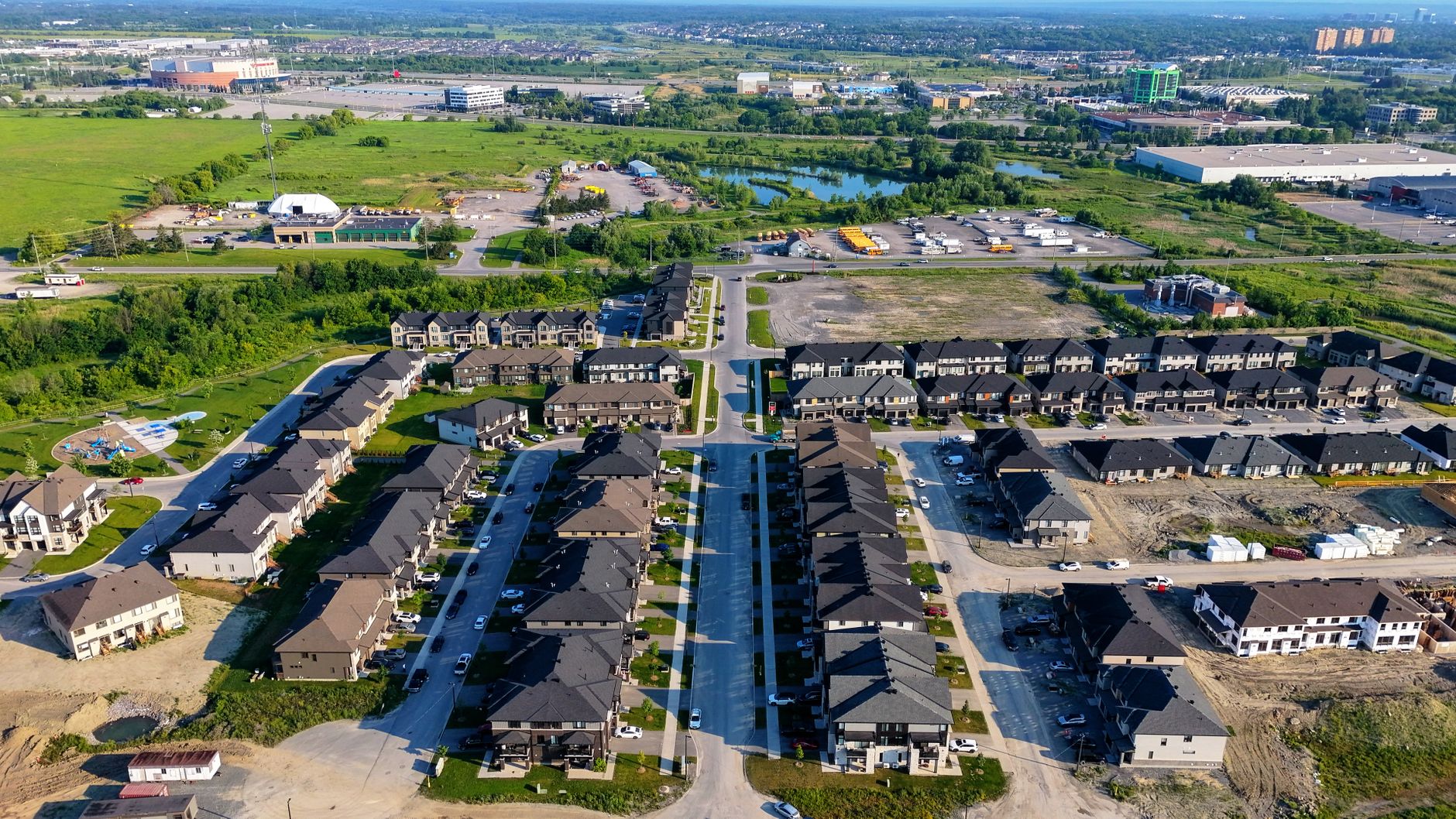
Housing affordability is one of the most significant threats to retirement security in America today, yet it remains underestimated in mainstream retirement planning conversations. When retirees face mounting housing costs on fixed incomes, retirement accounts deplete faster, forcing difficult choices between paying rent, buying medication, or maintaining utilities. The math is brutal: a retiree living on $2,500 monthly from Social Security who spends $900 on housing costs has already allocated 36 percent of their entire budget before paying for food, healthcare, or transportation.
The crisis is not hypothetical. Twenty-five percent of retirees lack confidence they can afford their current housing costs within the next year, while nearly half of all American retirees struggle to pay at least some of their basic expenses. Housing costs represent the largest single budget category for adults age 65 and older, yet the affordability crisis has created a system where 73 percent of today’s retirees could not afford to purchase a home in the current market—a reality that fundamentally shapes how people prepare for and experience retirement.
Table of Contents
- What Does Housing Affordability Mean for Retirement Income Security?
- The Severe Housing Cost Burden Facing Older Americans
- Home Equity as an Unreliable Foundation for Retirement Security
- How Housing Costs Shape Retirement Planning Before and After Retirement
- The Compounding Effect of Rising Housing Costs Against Fixed Retirement Income
- The Supply Crisis Limiting Housing Options for Seniors
- Who Is Most Vulnerable to Housing Insecurity in Retirement?
- Frequently Asked Questions
What Does Housing Affordability Mean for Retirement Income Security?
housing affordability in retirement means the proportion of income available after housing costs are paid, with financial experts traditionally flagging households that spend more than 30 percent of income on housing as “cost-burdened.” For retirees, this threshold matters because income is largely fixed. Social Security, pensions, and retirement account withdrawals don’t adjust automatically when property taxes rise or insurance premiums climb. A renter paying $1,200 per month from a $3,200 monthly retirement income consumes 37.5 percent just on housing—immediately cost-burdened—before any other expense.
The scale reveals why this matters so acutely. Over 21 million households (nearly half of all renters) are cost-burdened, and an additional 18.8 million homeowners face the same burden. More specifically, 26 percent of homeowners over age 65 are cost-burdened, representing a higher proportion than any age group except those under 25. This creates a paradox: older Americans are generally thought to have stable housing and lower housing costs through paid-off mortgages, yet roughly one in four is still spending too much of their limited income on shelter.
The Severe Housing Cost Burden Facing Older Americans
Beyond cost-burdened households (those spending 30-50 percent of income on housing), an estimated 11.2 million older adults face severe cost-burdens—spending more than 50 percent of their income on housing alone. This level of housing expense leaves virtually no margin for other essential spending. A 68-year-old paying $1,600 monthly rent from a $2,400 retirement income (before taxes) has just $800 remaining for food, medications, utilities, and everything else—an impossible situation that forces trade-offs between necessities.
The vulnerability is especially acute for renters. Renters cannot build equity through their housing payments and depend on landlord-controlled rent increases that frequently outpace inflation and fixed retirement income growth. A retiree whose rent increased from $1,000 to $1,200 annually experiences a real income loss of $2,400 per year from a fixed income source. Homeowners with paid mortgages have more stability, but property taxes, insurance, maintenance, and utilities still create substantial cost pressures that can spike unexpectedly—a roof repair, HVAC replacement, or property tax increase can quickly push a household into financial stress.
Home Equity as an Unreliable Foundation for Retirement Security
Many Americans view their home as their primary retirement asset, and for many, this perception is their only protection against poverty. Forty-five percent of retirees believe their home is the only asset enabling them to have a comfortable retirement. This creates psychological and financial dependency on home values remaining stable and accessible, yet the reality is far more complicated. A retiree living in a home worth $400,000 who cannot afford property taxes and maintenance on Social Security income of $20,000 annually faces a painful dilemma: the house represents wealth but not income, and extracting that wealth (through reverse mortgages, downsizing, or relocation) creates new problems.
Reverse mortgages, often marketed as solutions, consume equity through interest and fees while creating obligations that can complicate the estate and future relocation. Downsizing only works in strong real estate markets and assumes a retiree can afford moving costs and potentially qualify for a new mortgage on a reduced income. Furthermore, the current housing market has made downsizing mathematically difficult for many: a retiree selling a $450,000 home to buy a $350,000 home still faces high purchase costs, realtor fees, and the reality that smaller homes in desirable areas can still be expensive. The median U.S. home price reached $390,300 in 2026, with projections of $527,525 by 2031—a 35.1 percent increase over five years—meaning the price advantage of downsizing shrinks as time passes.
How Housing Costs Shape Retirement Planning Before and After Retirement
The housing affordability crisis influences retirement planning decisions years before someone retires. Three in five workers report that high housing costs are already hurting their ability to save for retirement, reducing the amount available for 401(k)s, IRAs, and other retirement vehicles. A 45-year-old paying $1,500 monthly rent in an expensive metro area may contribute only $200 monthly to retirement savings because basic housing costs consume what would otherwise be retirement contributions—directly limiting retirement security before retirement even begins.
Once retired, these earlier savings constraints compound. Retirees who couldn’t save adequately due to housing costs face smaller retirement accounts and lower income, making them more vulnerable to housing cost burdens. Seven in ten workers and half of all current retirees are concerned that rising housing costs will affect their retirement, indicating awareness of the risk, yet most people lack concrete strategies to address it. The typical response—delaying retirement—is unrealistic for those in physically demanding jobs or facing early job loss, creating a population segment with limited options to escape the housing affordability trap.
The Compounding Effect of Rising Housing Costs Against Fixed Retirement Income
Retirement income sources—Social Security, pensions, and fixed annuities—are designed to provide stability but fail to protect against inflation in housing costs specifically. Social Security recipients receive annual cost-of-living adjustments (COLA), typically between 2-3 percent annually, yet housing costs in many markets have increased 5-7 percent annually over recent years. This gap means retirees effectively lose purchasing power each year, forcing painful choices. A retiree whose rent increases $100 monthly ($1,200 annually) but receives a $50 monthly COLA increase ($600 annually) falls $600 further behind each year.
Property taxes and homeowner insurance compound this problem for homeowners. A retiree with a paid mortgage still owes property taxes that increase annually (often 2-4 percent per year) and insurance premiums that rise with inflation and local risk assessments. In some states and counties, property tax increases are capped at 1-2 percent annually, but in others without caps, homeowners face sharper increases. Sixty-four percent of Americans reported feeling confident they have enough money to live comfortably throughout retirement in 2026, down from the previous year—a decline significantly driven by concerns about rising costs, particularly housing. The disconnect between fixed income growth and rising housing costs creates a mathematical squeeze with no natural resolution.
📨 Get Free Medicare Guides Alerts
Free · No spam · Unsubscribe anytime
The Supply Crisis Limiting Housing Options for Seniors
Beyond affordability exists a deeper supply problem: there are insufficient senior living facilities and appropriate housing in America to accommodate the Baby Boom generation aging into their later years. This shortage means that even retirees willing and able to relocate to more affordable areas face limited options. The most affordable retirement destinations are often rural or Sun Belt communities that may lack adequate senior services, healthcare facilities, and social infrastructure that older adults need as they age.
The shortage also pushes up prices where senior housing does exist, particularly in-place aging communities and assisted living facilities. A modest assisted living facility in a mid-size city can cost $5,000-7,000 monthly, consuming retirement income at rates far exceeding even high-cost independent housing. Retirees hoping to “age in place” in their current homes—a preference most express when surveyed—may find that option impossible if their homes require significant modifications for aging (accessibility upgrades, safety features, maintenance assistance) and their fixed income cannot cover both housing and the support services needed.
Who Is Most Vulnerable to Housing Insecurity in Retirement?
More than 17 million Americans age 65 and older are economically insecure, defined as living at or below 200 percent of the federal poverty level—which equals $31,920 annually for a single person in 2026. For this population, housing costs are not an abstract financial challenge but an immediate survival issue. An economically insecure senior with housing costs of $15,000 annually (roughly $1,250 monthly) has less than half their total income for food, healthcare, and all other expenses.
The severity of this crisis is underscored by a stark reality: 62 percent of Americans believe buying a home is unrealistic in 2026, creating a growing population of older renters with no equity-building opportunity and full exposure to market-driven rent increases. Renters face eviction risk that homeowners do not; a 70-year-old renter facing a 10 percent annual rent increase has few options and limited mobility to relocate long-distance. The vulnerability compounds when disability, health crisis, or reduced mobility limits a senior’s ability to work part-time, negotiate with landlords, or pursue alternative housing arrangements. For these populations, housing affordability is not a retirement planning topic—it is a crisis management problem requiring immediate, concrete solutions at local and policy levels.
- —
Frequently Asked Questions
If my home is paid off, should housing costs still concern me in retirement?
Yes. Property taxes, insurance, maintenance, and utilities continue rising even for paid-off homes. A retiree on fixed income can face sudden cost spikes from repairs or tax increases that become unmanageable. Having an owner-free home provides more stability than renting but does not eliminate housing cost risk in retirement.
What percentage of retirement income should I plan to spend on housing?
Financial experts traditionally recommend no more than 25-30 percent of income on housing. For retirees on fixed income, staying below 25 percent provides more cushion for healthcare and unexpected expenses. Many current retirees exceed this threshold simply due to market conditions and cannot reduce costs without relocating.
Is a reverse mortgage a good solution if housing costs are too high?
Reverse mortgages convert home equity to income but consume equity through interest and fees, reducing inheritance and limiting future flexibility. They work for some situations but should be carefully evaluated with a financial advisor, not viewed as a universal solution to high housing costs.
Should I downsize my home to reduce retirement costs?
Downsizing can reduce housing costs but involves selling costs (5-6 percent of sale price), purchase costs for a smaller home, moving expenses, and emotional factors. In today’s market, the price advantage of a smaller home may be modest, and the process is complex. Downsizing makes sense only after careful financial modeling specific to your situation.
Are there government programs helping retirees with housing affordability?
Limited programs exist, including some property tax deferrals in certain states and subsidized housing programs with long waitlists. Eligibility varies by location and income level. The shortage of affordable senior housing means waitlists often exceed five years, leaving few immediate options.
At what income level does housing affordability become a crisis?
Cost-burden (spending 30+ percent of income on housing) becomes severe for anyone earning under $50,000 annually in most U.S. markets. Severe cost-burden (50+ percent of income) creates genuine hardship around $30,000-35,000 annually. More than 17 million seniors age 65+ live on less than $31,920 annually and face acute housing insecurity. —
You Might Also Like
- Why housing affordability impacts retirement security for Americans
- Retirement Savings Gap Widens: How Americans Can Close the Shortfall
- State Pension Age Hikes: Which Workers Face Delayed Retirement Dates