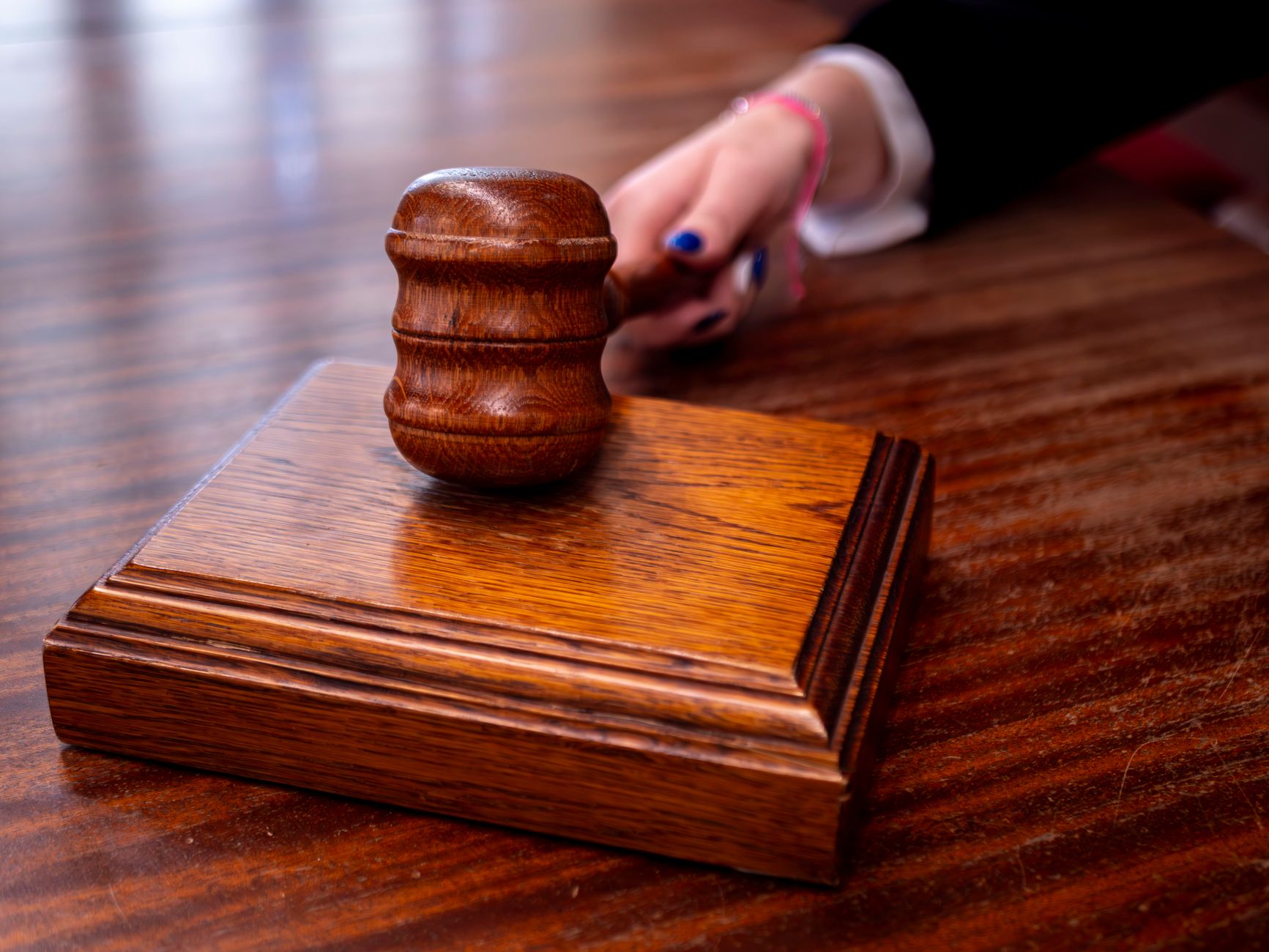
Judges assess credibility by evaluating the consistency, plausibility, and corroboration of a witness’s testimony against the evidence presented and their own demeanor on the stand. A credible witness tells a story that doesn’t contradict documented facts, maintains the same account under cross-examination, and presents themselves honestly about what they do and don’t know. In a pension dispute case, for example, a retiree claiming they were promised certain benefits carries more weight with a judge if their testimony aligns with written offer letters, emails from human resources, and the consistent recollection of coworkers who received similar communications.
The assessment is deeply human, not mechanical. Judges don’t have a checklist or formula that produces a credibility score. Instead, they watch how a person answers, listen to whether the story makes sense, and notice whether the person seems to be honestly struggling to remember versus evasively dodging questions. Over decades of courtroom observation, patterns emerge about what tends to be credible and what tends to be unreliable.
Table of Contents
- What Makes a Witness Appear Credible to a Judge?
- How Corroborating Evidence Strengthens Credibility Claims
- Demeanor, Tone, and Nonverbal Signals in the Courtroom
- Cross-Examination and the Test of Challenging Questions
- Bias, Motive, and Financial Interest as Credibility Factors
- Expert Witnesses and Specialized Credibility Standards
- The Evolution of Credibility Standards in Pension and Retirement Litigation
- Conclusion
- Frequently Asked Questions
What Makes a Witness Appear Credible to a Judge?
The foundation of credibility is consistency. When a witness tells the same story twice—once in a deposition months earlier and again during trial—that alignment matters enormously. If a witness’s account in January contradicts what they said in October about the same event, a judge becomes skeptical about whether they’re remembering accurately or changing their story for tactical reasons. Judges also pay attention to specificity: a witness who recalls exact dates, amounts, or names demonstrates better memory than someone who says “around that time” or “approximately $50,000.” Another strong signal is the witness’s honest acknowledgment of limitations.
A credible person will say “I don’t remember” rather than guess or invent details. They’ll admit if they weren’t present for part of an event, if they don’t know something, or if they have a financial stake in the outcome. A pension claimant who admits they didn’t keep personal records of their work history but can point to the employer’s payroll system as verification appears more credible than one who claims perfect memory of 30-year-old conversations but has no corroborating evidence. The appearance of honesty about what you don’t know often enhances credibility more than false confidence.

How Corroborating Evidence Strengthens Credibility Claims
Testimony doesn’t exist in isolation. The strongest witness accounts are those backed by documents, physical evidence, or testimony from other independent sources. If five former coworkers independently confirm that your pension plan included a specific benefit provision, and the plan document itself contains that language, a judge can rely on that testimony with high confidence. If only one person claims they received a promise and nothing in the record supports it, that single testimony faces an uphill battle.
However, the absence of corroboration doesn’t automatically make testimony incredible. Many workplace interactions happen privately, in one-on-one conversations without witnesses or documentation. A conversation between an employee and a supervisor about retirement benefits might have occurred exactly as remembered, but no email was sent and no one else heard it. In these situations, judges assess the plausibility of the claim and the consistency of the account, and they compare the witness’s credibility against the credibility of anyone who contradicts them. The limitation here is that quieter, private interactions are inherently harder to verify, which can disadvantage people with legitimate but undocumented claims.
Demeanor, Tone, and Nonverbal Signals in the Courtroom
How a person presents themselves matters significantly. Judges observe whether a witness makes eye contact, speaks clearly, or appears nervous. Someone who appears calm and straightforward while answering difficult questions often seems more credible than someone who fidgets, avoids looking at the attorney, or becomes hostile when challenged. Interestingly, some nervousness is expected and doesn’t undermine credibility—being in a courtroom is stressful for most people, and judges account for that.
Tone is also important. A witness who becomes angry or sarcastic during cross-examination may be telling the truth, but the emotional reaction can distract from the message and make a judge wonder about the person’s judgment or stability. Conversely, someone who answers hostile questions with patience and even grace often appears more credible. A pension claimant who describes financial hardship caused by a denied benefit with evident emotion may generate sympathy, but the judge’s assessment of whether the testimony is truthful remains separate from whether the story is sympathetic. This is a critical distinction: a credible account isn’t the same as a likable person.

Cross-Examination and the Test of Challenging Questions
During cross-examination, opposing counsel tries to find contradictions, expose bias, or demonstrate that a witness’s memory is faulty. A witness who holds their story intact under rigorous questioning appears more credible than one whose account falls apart when challenged. This is where rehearsed or fabricated testimony often fails: it tends to be brittle, unable to adapt to unexpected follow-up questions, or too neat and polished. The tradeoff here is that some witnesses are simply better communicators than others, regardless of truthfulness.
A articulate, experienced person might give testimony that withstands cross-examination more effectively than a quieter or less educated witness telling the truth. Judges are trained to account for this disparity, but the gap between effective communication and actual truthfulness remains a real risk in litigation. A pension claimant without much formal education might struggle to articulate their memory of a 25-year-old benefit promise, while a company attorney testifying on behalf of the employer might communicate with practiced precision. Both could be truthful; both could be lying. The credibility assessment has to account for these communication differences.
Bias, Motive, and Financial Interest as Credibility Factors
A critical question judges ask is whether a witness has something to gain from testifying a certain way. If you’re a pension claimant testifying that you were promised a benefit, the judge knows you have a financial motive to make that claim sound credible. This doesn’t automatically disqualify your testimony, but it means the judge will scrutinize it more carefully. The same is true for company witnesses: if an HR representative testifies that pension promises were never made, the company’s interest in denying liability is obvious.
The limitation is that everyone involved in a lawsuit has a stake in the outcome. The challenge for judges is to separate credible testimony from motivated testimony, and that’s not always possible. If both sides present witnesses with equally strong financial motives, judges must weigh the corroborating evidence and consistency more heavily. In some pension disputes, neither side has a clean witness without bias—everyone is either an employee fighting for benefits or a company official defending against liability. When that’s the case, judges rely heavily on documents and on whether each side’s story holds together logically without contradicting the paper trail.

Expert Witnesses and Specialized Credibility Standards
When testimony involves technical or specialized knowledge—such as how pension calculations work, or what industry standards were 30 years ago—judges rely on expert witnesses. Experts are held to different credibility standards than fact witnesses. An expert’s credibility depends partly on their credentials, their methodology, whether they’ve been hired by one side or appear truly independent, and whether their conclusions are grounded in accepted practices in their field.
📨 Get Free Medicare Guides Alerts
Free · No spam · Unsubscribe anytime
An actuary testifying about how a pension plan should have been calculated carries weight if their methodology aligns with actuarial standards and if their analysis is transparent and reproducible. If the actuary’s work appears to be designed primarily to reach a conclusion favorable to whoever hired them, rather than following sound methodology, a judge will discount their credibility. Expert witnesses who appear impartial and explain their reasoning clearly tend to be more credible than those who seem to be hired guns advancing a foregone conclusion.
The Evolution of Credibility Standards in Pension and Retirement Litigation
Credibility assessment has evolved as litigation has become more sophisticated. Decades ago, judges relied heavily on demeanor and the witness’s word. Modern litigation increasingly involves depositions, document reviews, and written discovery that create a paper trail before anyone testifies. This shift has generally improved credibility assessment because judges can now check testimony against detailed records in ways that weren’t possible in earlier eras.
The future of credibility assessment may include video deposition evidence, email chains that capture real-time reactions to events, and digital records of workplace communications. These tools reduce reliance on memory and demeanor, which is an improvement for accuracy. However, they also create new challenges: people can curate their written communications, delete records, or appear more convincing on video than in person. The fundamental task remains the same—judging whether someone is telling the truth—but the evidence landscape continues to change.
Conclusion
Judges assess credibility through a combination of consistency, corroboration, demeanor, and plausibility. A credible witness tells the same story repeatedly, acknowledges what they don’t know, presents evidence or finds corroboration where possible, and maintains composure under challenge.
The assessment is necessarily subjective because credibility isn’t measured with instruments or formulas—it depends on human judgment applied to what a judge sees and hears. For anyone involved in a pension or retirement security dispute, the practical implication is straightforward: know your facts, stay consistent, bring documentation, and be honest about the limits of your knowledge. Credibility wins cases, and credibility is built on a foundation of truthfulness and preparation, not on how well you perform in a courtroom.
Frequently Asked Questions
Can a witness with a nervous demeanor still be found credible?
Yes. Judges recognize that courtrooms are intimidating environments and expect some people to be nervous. Nervousness alone doesn’t indicate dishonesty. What matters more is whether the testimony itself is consistent and corroborated, and whether the nervousness appears to be stress rather than evasiveness.
If I don’t have documents to prove my claim, can I still win on credibility alone?
It’s possible but difficult. Testimony without corroboration faces an uphill battle, especially if the other side presents contrary evidence. Your best strategy is to be exceptionally consistent, honest about what you don’t remember, and clear about why documents don’t exist—for example, personal records from 30 years ago may have been lost.
How much weight do judges give to demeanor compared to the actual testimony?
Demeanor supports or undermines the substance of what a witness says, but it’s not determinative by itself. A composed liar might appear credible, and an anxious truth-teller might appear doubtful. Judges weigh demeanor as one factor among many, with the content and corroboration of the testimony carrying the most weight.
If both sides present credible witnesses who contradict each other, how does a judge decide?
Judges look to corroborating evidence, consistency over time, plausibility of the accounts, and any bias or motive the witnesses might have. They may also find that one witness is more credible overall, even if both appear honest. In close cases, the side with documentary support usually prevails.
Do judges believe expert witnesses more than ordinary witnesses?
Not automatically. Expert credibility depends on credentials, methodology, and whether their conclusions align with accepted standards in their field. An expert whose reasoning is flawed or whose credentials are thin may be less credible than a straightforward fact witness whose account is clearly supported by documents.
How can I improve my credibility if I’m a potential witness in a pension dispute?
Be thorough and honest in your preparation. Gather any documents that support your account. Stick to what you actually know and remember, and say “I don’t know” when that’s accurate. Avoid speculation, changing your story, or appearing angry or evasive. Your credibility is your most valuable asset in litigation.
You Might Also Like
- Credibility Determinations
- When You Can’t Do Your Old Job
- Wealth Inequality and Life Expectancy Gaps Reshape Social Security Outcomes