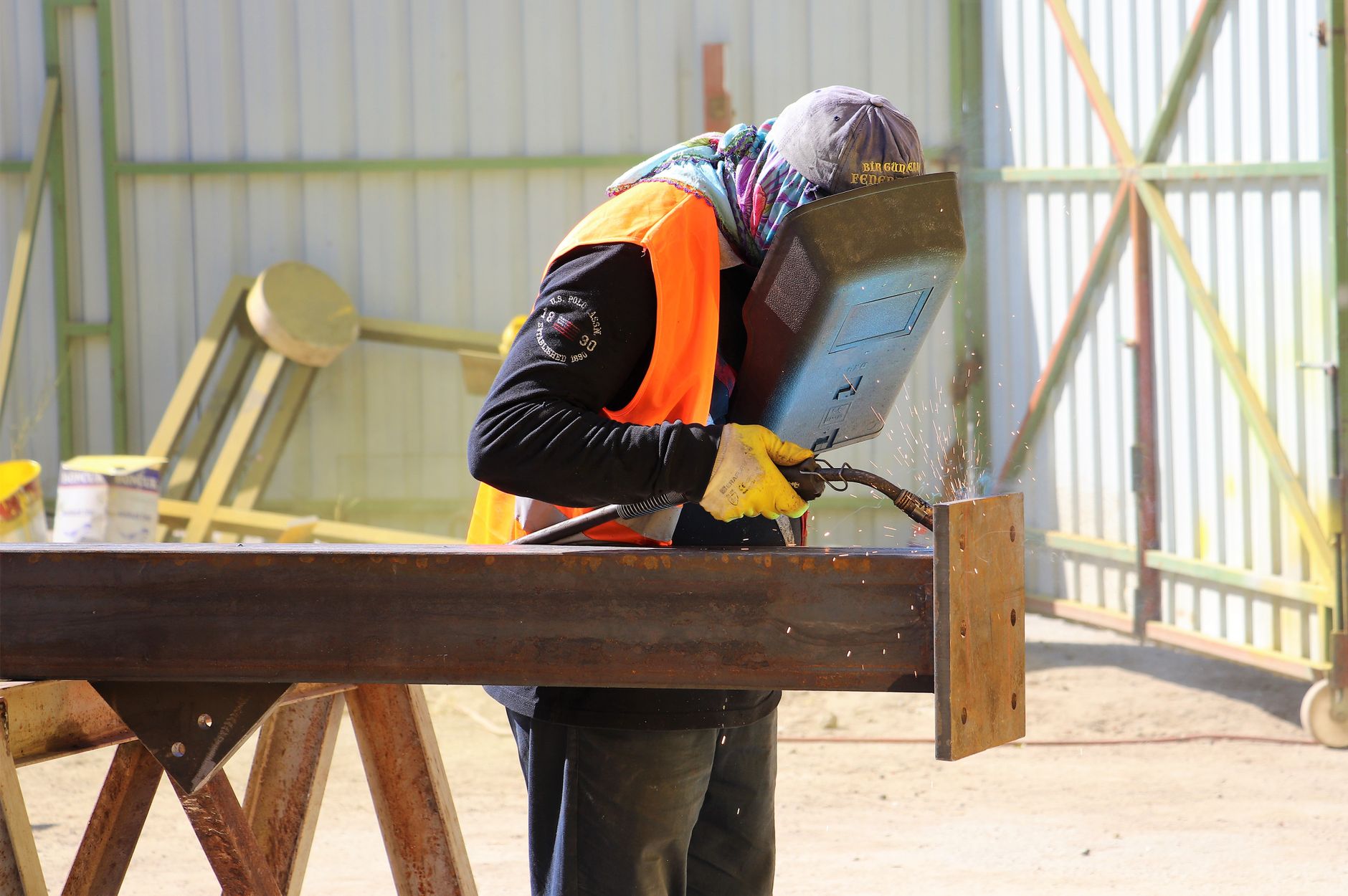
Special conditions at work refer to employment circumstances that fall outside standard, safe, or typical working environments—situations that can significantly impact your pension eligibility, benefit calculations, and retirement timeline. These conditions range from hazardous environments and unusual schedules to physically demanding roles and high-stress positions that may qualify workers for enhanced benefits or early retirement options under certain pension plans. When you work in special conditions, your pension plan may recognize this through higher accrual rates, credited service enhancements, or early retirement provisions.
For example, a firefighter in a major U.S. city might become eligible for a full pension at age 50 or even earlier because firefighting is classified as a hazardous occupation—something that would be impossible under standard corporate pension rules, where you’d typically wait until 65 or face permanent reductions. The specifics depend entirely on your employer’s pension plan and your jurisdiction’s pension law, which is why understanding how your work conditions are classified is essential to your retirement planning.
Table of Contents
- How Do Special Work Conditions Affect Pension Benefits?
- What Qualifies as a Special Condition at Work?
- How Are Special Work Conditions Officially Recognized?
- How Do Special Conditions Change Your Retirement Calculation?
- What Are Common Disputes Over Special Work Conditions?
- What Documentation Do You Need to Prove Special Conditions?
- How Are Special Condition Policies Changing?
- Conclusion
How Do Special Work Conditions Affect Pension Benefits?
Special work conditions can alter nearly every aspect of your pension calculation and eligibility. When a job is officially classified as hazardous, strenuous, or otherwise special, the pension formula often changes—meaning you earn more credited service per year of actual work, or the calculation of your final average salary may be different. Some plans offer a “hazard premium” that increases the multiplier in the standard pension formula. In other cases, the age and service requirements for full retirement are lowered dramatically.
A concrete example: a police officer and a city clerk both work 30 years for the same municipality. The clerk might be eligible for a full pension at age 65 with 30 years of service. The police officer, working under a special hazard provision, might be eligible at age 55 with 25 years of service—or even at age 50 with 20 years. This isn’t because police pensions are more generous in absolute dollars; it’s because the law recognizes the occupational strain and shortened career expectancy in law enforcement. The tradeoff is that the officer’s monthly benefit may not be calculated using the same final average salary window as the clerk’s—it might be based on a shorter period, or calculated using a different formula entirely.

What Qualifies as a Special Condition at Work?
special conditions typically fall into a few broad categories, though exact definitions vary by pension plan and state law. Hazardous occupations include law enforcement, firefighting, correctional officers, and certain military roles. Physically demanding work might include heavy construction, mining, or nursing positions requiring continuous physical exertion. High-stress or psychologically demanding roles—such as emergency dispatchers or air traffic controllers—are sometimes recognized. Some plans also recognize shift work, particularly overnight or rotating schedules that disrupt normal sleep and health patterns.
A significant limitation: not all jobs that *feel* strenuous are legally recognized as special conditions. Many teachers, healthcare workers, and construction employees have advocated for special condition classification without success. For instance, a nurse working 12-hour overnight shifts in an intensive care unit performs demanding physical and mental work, but most state pension systems do not classify general nursing as a hazardous occupation. Only certain specialist roles—perhaps industrial hygiene nurses or occupational health specialists—might qualify. This gap between perceived difficulty and legal recognition has led to disputes where workers believe they should receive special condition benefits but their plans deny them.
How Are Special Work Conditions Officially Recognized?
For special work conditions to matter for your pension, your job must be officially classified or scheduled in your pension plan’s rules. This classification typically happens at the plan level, not the individual level. Your employer or pension administrator maintains a list of positions that qualify—often organized by title, job code, or occupational category. When you’re hired, your position is assigned to one of these categories, which then determines your benefit calculation from day one. The classification is usually based on state law or federal statute, particularly for public employee pensions.
For example, most U.S. states have detailed legislation specifying which public-sector jobs qualify for hazard pay or early retirement provisions. Private-sector plans rarely offer special condition provisions, though some union-negotiated plans do include hazard pay or early retirement for specific occupations. A real-world example: the California Public Employees’ Retirement System (CalPERS) maintains detailed lists of “safety member” positions—these are jobs officially designated as hazardous—and uses a different (generally more favorable) benefit formula for safety members compared to regular members. If your job isn’t on that list, you cannot simply apply for safety member status; you would need a legal change to the plan or legislation to reclassify your position.
How Do Special Conditions Change Your Retirement Calculation?
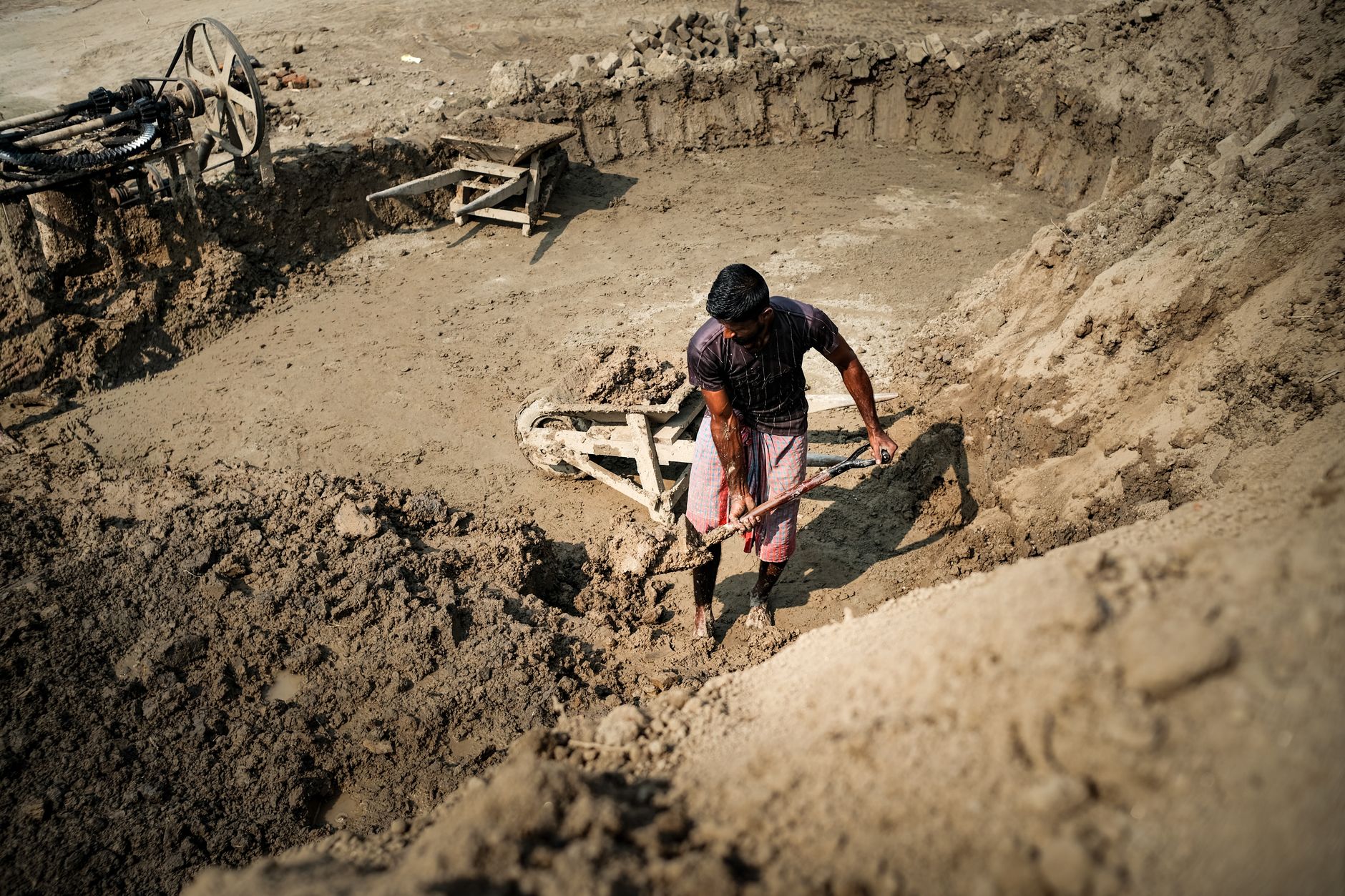
When a job qualifies for special conditions, the impact on your retirement calculation is typically one or more of the following: an improved benefit multiplier (sometimes called an “accrual rate”), an earlier eligibility date, reduced service requirements, or a different averaging period for final salary. The most common change is the multiplier—instead of earning 1.5% of final average salary per year of service, you might earn 2% or even 2.5% per year. Over a 25-year career, this compounds significantly. Compare these scenarios for a police officer earning $80,000 per year at retirement: Using a standard corporate pension formula of 1.5% × years of service × final salary, a 25-year career would yield $30,000 per year (1.5% × 25 × $80,000).
But many police pension plans use a 2.5% multiplier, yielding $50,000 per year—a 67% increase. However, the tradeoff is often a shorter career window. The police officer might be required to retire at 65 or lose the special calculation, whereas a corporate employee might be allowed to work into their 70s. Additionally, some special-condition pensions have more stringent contribution requirements—officers might pay 10-15% of salary into the pension, compared to 3-5% for other city employees. The higher benefit comes with higher cost during your working years.
📨 Get Free Medicare Guides Alerts
Free · No spam · Unsubscribe anytime
What Are Common Disputes Over Special Work Conditions?
Misclassification and reclassification disputes are among the most common pension issues involving special conditions. A worker might be hired into a job that isn’t classified as special, then years later the same job duties are reclassified—but the change doesn’t apply retroactively to their service. Conversely, a position might be reclassified downward (from special to standard), affecting new hires but leaving existing employees grandfathered under the old rules. These disputes often end up in litigation or arbitration. Another common problem: job title creep and mission drift.
A position might have been legitimately hazardous 20 years ago—for instance, a communications technician working in a lead-contaminated facility—but over time, as workplace protections improved and the role evolved, it’s no longer truly hazardous. The worker and union might argue it should remain classified for grandfathering reasons; the pension plan and employer argue it should be reclassified. A real warning: some workers have discovered, when applying for retirement benefits, that their employer reclassified their position years earlier, and they were never notified. The first hint came when the pension calculation came back much lower than expected. Always verify your job classification with your pension administrator periodically, don’t assume it remains unchanged.

What Documentation Do You Need to Prove Special Conditions?
If you believe you should be classified under special work conditions but aren’t, proving your case requires documentation of the actual job duties, the hazards or special circumstances involved, and evidence that similar jobs in your or other organizations are classified as special. Job descriptions, union agreements, workplace safety reports (OSHA logs, for example), and medical records of work-related injuries can all be relevant. Testimony from others in the same role, or expert witnesses familiar with the occupation, may be necessary.
One crucial point: if your job classification matters to your retirement, don’t rely on hearsay or assumptions. Request a written statement from your HR department or pension administrator confirming your classification and the formula used to calculate your benefits. Keep payroll records, job duty descriptions, and any communication about your role. If you discover a discrepancy between what you believed your classification to be and what the plan actually shows, address it immediately with your pension plan—don’t wait until retirement to find out there’s been an error for years.
How Are Special Condition Policies Changing?
Pension plans nationwide are under pressure to review special condition classifications due to budget constraints and longevity increases. Several states and large public-pension plans have frozen or narrowed special condition provisions in recent years, particularly for new hires. Some plans have moved toward stricter medical or actuarial standards for hazard certification.
The trend is toward more documentation, more frequent review, and more resistance to broad classifications. At the same time, there’s growing recognition that certain occupations warrant protection. Some plans have expanded recognition of psychological hazards (mental health impacts of trauma-exposed work) in law enforcement and emergency response roles. The future likely involves more detailed occupational research and more frequent reclassification reviews, which could work in your favor if your job genuinely involves hazards that weren’t previously documented, but could work against you if a reclassification downward is pending.
Conclusion
Special conditions at work can profoundly affect your retirement timeline and benefit amount, potentially allowing you to retire years earlier or with significantly higher monthly payments than standard pension formulas would provide. However, these benefits exist only if your job is officially classified as special, and that classification depends on your specific employer’s pension plan, state law, or union agreement. Understanding your job classification, keeping documentation of your actual duties, and confirming how those duties affect your pension calculation are essential steps in protecting your retirement security.
If you work in an occupation commonly associated with special conditions—law enforcement, firefighting, correctional work, or other hazardous roles—contact your pension plan administrator now to request written confirmation of your classification and how it affects your benefit formula. If you believe your job should be classified as special but isn’t, begin documenting the hazards or special circumstances involved; a future reclassification or grievance could depend on it. Don’t assume your classification is static or that you’ve been told everything relevant to your retirement—pension administration changes, and so do job classifications. Your retirement depends on knowing exactly where you stand.