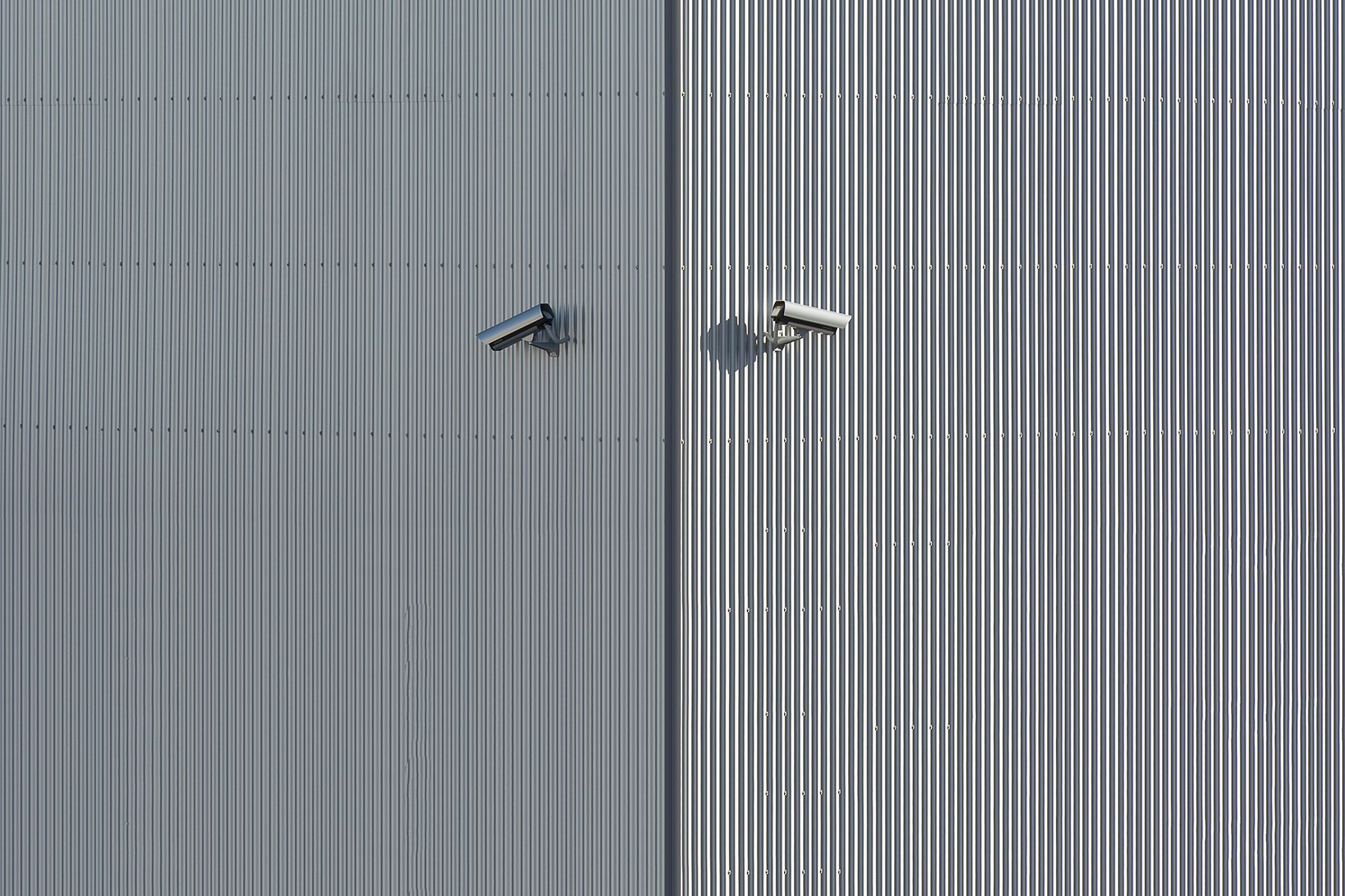
Surveillance in disability cases refers to the practice of monitoring, documenting, and investigating the activities of individuals who have filed for or are receiving disability benefits. Insurance companies, government agencies, and third-party investigators routinely use video surveillance, social media monitoring, phone records, financial tracking, and physical observation to verify that claimants’ reported limitations align with their actual behavior and functional capacity. In one notable case, a claimant receiving long-term disability benefits for back pain was filmed carrying groceries, lifting boxes, and exercising at a gym—activities that contradicted claims of severe mobility impairment, leading to benefit termination and legal disputes.
This surveillance practice exists because disability fraud is a genuine concern in the benefits system. Estimates suggest that fraudulent claims cost disability insurance programs billions annually, creating pressure on insurers and government agencies to investigate claims thoroughly. However, the line between legitimate verification and privacy invasion often becomes blurred, with many claimants facing surveillance practices that may exceed legal bounds or create false impressions of their true functional limitations.
Table of Contents
- How Surveillance Is Used to Investigate Disability Claims
- Types of Surveillance Methods and Their Limitations
- Legal Rules Governing Surveillance in Disability Cases
- How Surveillance Impacts Disability Claims and Pensions
- Common Abuses and Warnings About Improper Surveillance
- Your Rights and Protections Against Improper Surveillance
- The Evolving Landscape of Surveillance in Disability Cases
- Conclusion
- Frequently Asked Questions
How Surveillance Is Used to Investigate Disability Claims
Insurance companies and the social Security Administration employ surveillance as a standard investigative tool when processing disability claims or managing ongoing benefits. Surveillance investigators are hired to document whether a claimant’s reported activities contradict their stated disabilities. An investigator might follow a claimant for hours or days, recording video of them walking, lifting, sitting, standing, or engaging in social activities. This footage is then presented as evidence that the claimant is either exaggerating their limitations or committing fraud. The justification for this approach is straightforward from an insurer’s perspective: if someone claims total disability due to a back injury but is seen jogging or playing sports, that creates a strong presumption that the claim lacks merit.
However, the reality of disability is far more nuanced. Many individuals with legitimate disabilities experience good days and bad days. Someone with chronic pain might manage thirty minutes of activity but suffer consequences for days afterward. A person with cognitive disabilities might function adequately for short periods in controlled settings but struggle with sustained or complex demands. The snapshot captured by surveillance video often fails to capture this temporal variation and functional complexity.
Types of Surveillance Methods and Their Limitations
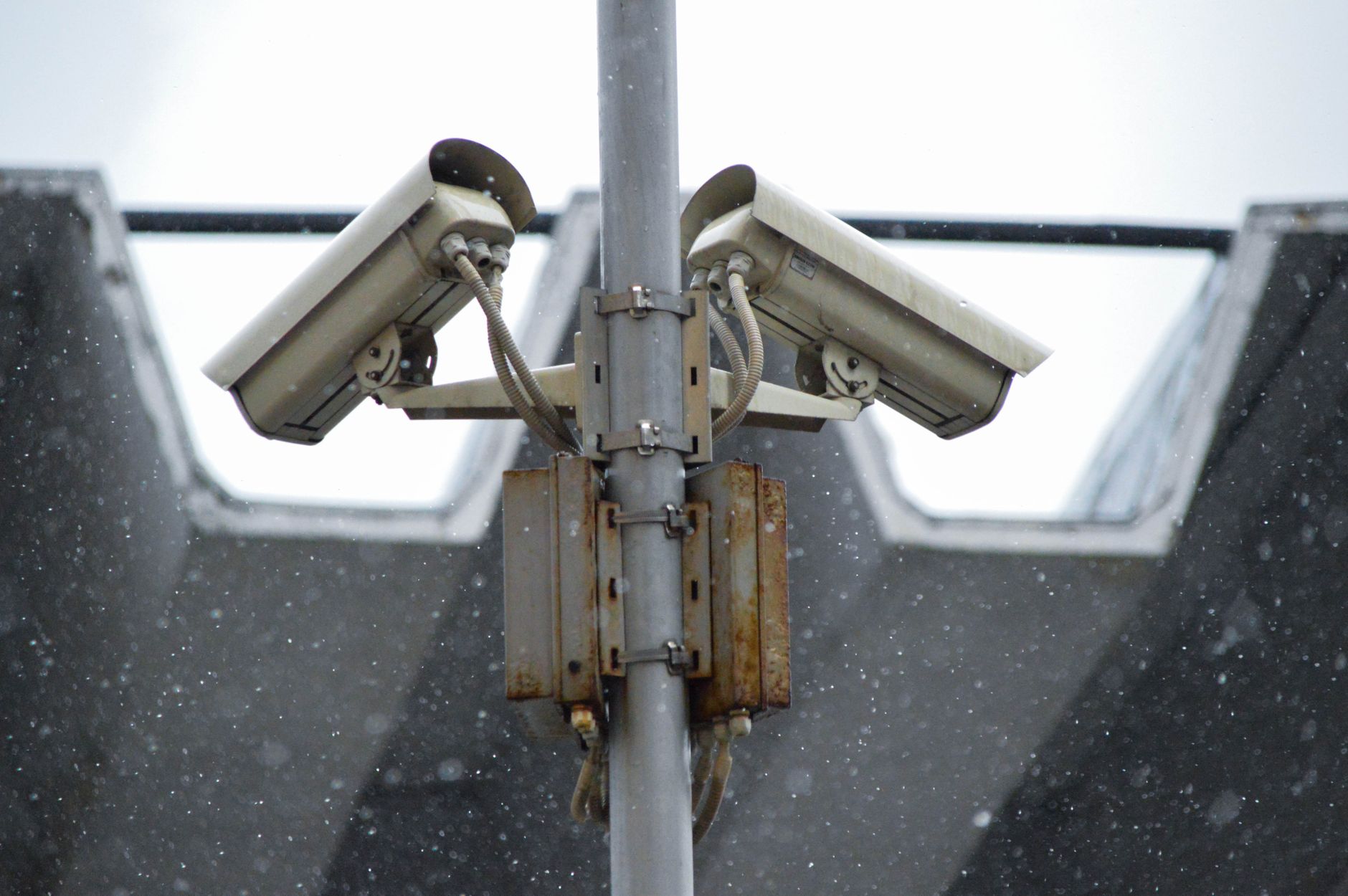
Modern disability investigations employ multiple surveillance techniques, each with built-in blind spots. Video surveillance—the most traditional method—captures physical behavior but nothing else. An investigator filming someone at a grocery store sees someone selecting items and walking with a shopping basket, but not the pain they experience, the assistive devices they rely on, or how they feel several hours after the outing. Social media surveillance has become increasingly common, with investigators reviewing photographs, check-ins, activity posts, and comments to identify contradictions with claimed limitations. However, social media presents a curated version of reality; people tend to post during their better moments and often use older photographs or images created before disability onset.
Financial surveillance involves reviewing bank records, credit card transactions, and credit reports to identify spending patterns that suggest greater capability than claimed. Some investigators employ “undercover” techniques, posing as potential employers, healthcare providers, or casual acquaintances to gather information. Phone records and communications can be monitored in certain cases with proper authorization. One critical limitation of all these methods is that they measure activity level, not capacity or pain. Someone who appears active during a fifteen-minute observation window could be spending the remainder of the day incapacitated. Additionally, investigative bias is a significant problem—investigators are hired specifically because they suspect fraud, and this bias can color their interpretation of ambiguous evidence.
Legal Rules Governing Surveillance in Disability Cases
The legality of surveillance in disability cases is complex and varies significantly by jurisdiction and benefit type. For social security Disability Insurance (SSDI) and Supplemental Security Income (SSI), federal regulations permit the government to conduct investigations and gather evidence about a claimant’s functional capacity, including through observation in public places. However, investigators cannot trespass on private property, cannot access private medical records without legal authority, and cannot impersonate law enforcement or government officials to gather information. For private disability insurance claims, state laws apply, and these vary considerably.
Some states prohibit video surveillance of claimants entirely, while others permit it with specific restrictions. California, for example, generally prohibits video surveillance of a claimant in private spaces and limits surveillance in public places to investigation of specific claims of disability. Many states require that surveillance be conducted for legitimate investigative purposes and that the investigator not engage in harassment or deception. A critical legal protection in most jurisdictions is the prohibition on using surveillance that violates a reasonable expectation of privacy—recording someone through a home window, for instance, is uniformly illegal. However, enforcement of these restrictions varies widely, and many claimants discover privacy violations only after the fact, when they receive surveillance reports as part of claim denial letters.
How Surveillance Impacts Disability Claims and Pensions
The presence of surveillance evidence in a disability case can be decisive, even when that evidence is incomplete or misleading. Insurance companies frequently use surveillance videos as primary justification for claim denials, arguing that if a claimant can be seen engaging in certain activities, they cannot be truly disabled. This approach has led to numerous cases where claimants successfully appeal denials by arguing that the surveillance captured only a small fraction of their actual functioning and ignored days or weeks of incapacity following the observed activities. In one case, an insurer used footage of a claimant attending their child’s school event to deny a claim, failing to note that the claimant required pain medication, used a cane to walk, and remained in bed for three days afterward.
The psychological impact of knowing one is being surveilled also affects many claimants. Awareness of surveillance creates anxiety, which can exacerbate certain disabilities and alter behavior in ways that create false impressions. Someone with severe anxiety disorders might force themselves to appear functional when they know they might be watched, depleting their energy reserves and worsening their condition afterward. For pension and long-term disability benefits specifically, surveillance outcomes can be permanent—a successful denial based on surveillance evidence may result in loss of monthly income with little opportunity for reconsideration unless new evidence emerges.
Common Abuses and Warnings About Improper Surveillance
Despite legal restrictions, surveillance abuses in disability cases are documented regularly. Investigators have been caught filming claimants in bathrooms, changing rooms, and through home windows—clear privacy violations. Some investigators engage in aggressive confrontation, following claimants in ways that constitute stalking or harassment. Fake social media accounts have been created to befriend claimants and gather information about their lives, a practice that, while legally gray, raises significant ethical concerns. In some cases, surveillance reports contain fabricated or heavily exaggerated descriptions of observed activity, portraying a brief moment of activity as evidence of general capability. One documented case involved an investigator reporting that a claimant was “walking briskly” when video footage clearly showed slow, labored movement with frequent stops.
A major warning for disability claimants is that surveillance can be initiated without your knowledge. You may never know you were under surveillance until you receive a claim denial citing video evidence. This means that any time you are in public, you should assume that your activities might be recorded, photographed, or observed. This awareness often leads claimants to avoid public spaces entirely, which can worsen isolation and depression associated with disability. Additionally, innocent activities are often misinterpreted in surveillance reports. A claimant filmed looking at items on high shelves might be reported as “reaching overhead for extended periods” when they were actually just browsing. Someone filmed laughing at a social gathering might be reported as “engaging in social activities without restriction,” with no mention of their visible difficulty with standing or sitting.

Your Rights and Protections Against Improper Surveillance
If you are a disability claimant, you have specific rights regarding surveillance practices. Under federal law, you have the right to know what evidence the government or insurer has gathered about you and how it’s being used. You can request copies of surveillance reports, and in many cases, you are entitled to review this evidence before it’s used to deny your claim. Before accepting a claim denial based partly on surveillance evidence, you have the right to respond to the specific observations reported, explaining context and contradictions. If surveillance violated your privacy rights—for instance, by recording you in a private space—this evidence may be inadmissible in the claim determination process, and you may have grounds to pursue legal action against the investigator or agency.
📨 Get Free Medicare Guides Alerts
Free · No spam · Unsubscribe anytime
Documentation becomes critical when you suspect improper surveillance. If you notice someone following you repeatedly, photographing you, or engaging in suspicious behavior, document the date, time, location, vehicle description, and any identifying information. Keep records of your actual functional limitations and how they vary day to day, with dates and descriptions of good days and difficult days. This contemporaneous documentation, created for your own records without anticipating litigation, can be valuable if you need to dispute surveillance findings later. Consider sharing this information with your physician so it becomes part of your medical record.
The Evolving Landscape of Surveillance in Disability Cases
The surveillance practices used in disability cases continue to evolve, driven by technology and legal precedent. Social media monitoring has become far more sophisticated, with some investigators using artificial intelligence to flag activity patterns and compare them against claimed limitations. Predictive algorithms are being deployed in some benefit programs to identify claims that are more likely to contain fraudulent elements, creating a risk that statistically suspicious profiles might trigger surveillance disproportionately. At the same time, legal and regulatory scrutiny of surveillance practices has increased, with several states enacting stricter privacy protections and disability rights organizations successfully challenging overly invasive investigation methods.
The future of surveillance in disability cases likely involves both technological expansion and regulatory constraint. Biometric monitoring through wearable devices could provide more detailed information about a claimant’s actual functioning, though such surveillance would raise even greater privacy concerns. Simultaneously, growing awareness of how surveillance can misrepresent disability experiences has led to policy discussions about reforming investigation methods to focus on medical evidence and functional capacity assessments rather than video surveillance alone. For claimants, this means staying informed about current surveillance practices, understanding your rights, and being prepared to challenge surveillance evidence that you believe is misleading or obtained improperly.
Conclusion
Surveillance in disability cases serves a legitimate investigative purpose but frequently exceeds appropriate bounds and produces unreliable conclusions about disability status. The key to protecting yourself is understanding that surveillance is common in disability benefits cases, knowing your legal rights to privacy and access to evidence, and documenting your own experience of disability in ways that can counter incomplete or misleading surveillance reports. If you are filing for or receiving disability benefits, assume that observation of your activities may occur and ensure that your medical documentation and personal records clearly establish your functional limitations.
If you receive a claim denial based partly on surveillance evidence, do not accept it without carefully reviewing the investigator’s report for inaccuracies, contextual omissions, or privacy violations. Request copies of all surveillance materials, consult with your physician about whether the reported observations conflict with your medical reality, and consider appealing the denial with detailed explanations of how the surveillance captured only a narrow slice of your actual functioning. For serious concerns about surveillance abuses or privacy violations, consult with an attorney experienced in disability benefits law, as you may have grounds to challenge the investigation itself or pursue damages for improper surveillance.
Frequently Asked Questions
Can an insurance company surveil me without my knowledge?
Yes. In most jurisdictions, surveillance of claimants in public places does not require advance notice or consent. However, surveillance in private spaces or in ways that violate reasonable expectations of privacy is generally illegal.
What should I do if I discover I was surveilled?
Request copies of all surveillance reports and materials from the insurance company or government agency. Review the report carefully for inaccuracies or context omissions. If the surveillance violates privacy laws, consult an attorney immediately. Document any follow-up harm, including emotional distress or worsening disability symptoms.
Can my disability claim be denied based only on surveillance evidence?
Rarely solely on surveillance. However, surveillance evidence is often weighted heavily alongside other evidence. If surveillance contradicts your medical documentation, your physician’s assessment, or functional capacity evaluations, you should prepare a detailed rebuttal explaining why the surveillance does not accurately represent your true functioning.
What activities should I avoid if I’m a disability claimant?
There is no list of prohibited activities. You are entitled to function as best you can within your limitations. However, be aware that any observable activity might be recorded and misinterpreted. Activities that are consistent with your claimed limitations are generally safe; activities that appear to contradict those limitations (such as appearing to function without your stated limitations) may create problems.
Can I be surveilled by social media monitoring?
Yes. Investigators commonly review public social media accounts and may create accounts to connect with claimants. Be cautious about what you post and share during the period you are receiving disability benefits, as anything you post publicly can be reviewed by investigators.
What is the difference between surveillance and a medical capacity evaluation?
Surveillance is observation of behavior; a medical capacity evaluation is a formal assessment by a healthcare provider of your functional abilities. Capacity evaluations are more reliable for determining disability status but also require your participation and are often conducted only once. Surveillance is ongoing but provides only behavioral data, not medical insight.