
The daily activities that matter most aren’t complicated—they’re the fundamentals that directly influence how long you’ll live and how well you’ll live in retirement. Physical activity, sleep, nutrition, mental health support, and social connection form the foundation of longevity. A 62-year-old who walks for 30 minutes daily, sleeps 7-8 hours, eats whole foods, and maintains close friendships is making the single most important investment in their retirement security: they’re protecting their health. Without health, a pension or savings account loses its value. With it, modest resources stretch further than you’d expect.
What makes these daily activities essential isn’t novelty—it’s consistency. Research from the University of Sydney involving over 59,000 older adults in January 2026 found that small daily changes like sleeping a bit more, moving more, and eating better may add years to life and improve health with age. The study didn’t reveal a secret formula. It confirmed what healthcare professionals have known for decades: the ordinary acts you perform every single day determine your quality of life in retirement far more than any single investment decision or pension calculation. For someone in the pension security and retirement planning space, understanding what daily activities matter is crucial because these activities are the primary driver of healthcare costs, independence, and life satisfaction after you stop working.
Table of Contents
- HOW MUCH DAILY MOVEMENT YOUR BODY ACTUALLY NEEDS
- SLEEP AS THE OVERLOOKED PILLAR OF AGING WELL
- MENTAL HEALTH AND THE NERVOUS SYSTEM IN DAILY LIFE
- EATING PATTERNS ALIGNED WITH YOUR BODY’S NEEDS
- SOCIAL CONNECTION AND THE LONGEVITY FACTOR
- THE POWER OF SMALL DAILY CHANGES ACCUMULATING OVER TIME
- PLANNING YOUR DAILY ACTIVITIES BEFORE RETIREMENT ARRIVES
- Conclusion
HOW MUCH DAILY MOVEMENT YOUR BODY ACTUALLY NEEDS
Health professionals recommend 3-4 hours of moderately intense exercise per week for optimal results, but research shows that even minimal activity produces measurable health benefits. According to May 2026 reporting from ScienceDaily, just 30 minutes of exercise per week can transform your health—a threshold that sounds almost too simple, yet it’s backed by peer-reviewed science. The benefit isn’t marginal; it’s significant enough to alter disease risk trajectories. Physical inactivity remains prevalent in 49.63% of adults, meaning roughly half the population fails to meet even modest activity standards. This creates a widening gap between healthy and unhealthy aging.
The Activity Quotient (AQ) provides a useful measurement: people reaching at least 25 AQ points per week significantly lowered their risk of lifestyle-related diseases. The strongest benefits emerged at 100+ AQ points weekly—nearly 4 hours of moderate activity—demonstrating a dose-response relationship. Someone who moves more benefits more, though even the minimum helps. For retirees specifically, the barrier often isn’t willpower but understanding that retirement without movement accelerates aging dramatically. A sedentary 65-year-old with a pension will likely spend the last 10-15 years of that pension dealing with mobility loss, fall risk, and healthcare expenses that could have been prevented. A 65-year-old who walks three times weekly maintains independence, dignity, and saves money.

SLEEP AS THE OVERLOOKED PILLAR OF AGING WELL
Sleep acts as the body’s repair system, yet it’s the daily activity most retirees sacrifice first, often unnecessarily. The recommended amount is 7-9 hours per night. This isn’t arbitrary—it’s the window where metabolic recovery, hormonal regulation, memory consolidation, and immune function occur. When older adults chronically sleep less, disease risk escalates. The science is stark: adults sleeping only 5.5 hours per night showed significant health disadvantages compared to those getting 7-9 hours. Even smaller improvements matter—research indicates that sleeping just 30-60 minutes more per night can make a meaningful difference to overall health outcomes.
A person who increases sleep from 6 hours to 6.5 hours nightly will accumulate measurable improvements in cardiovascular markers, blood sugar control, and cognitive function within weeks. This isn’t a placebo effect; it’s reproducible biology. One limitation of sleep optimization: it requires discipline around sleep timing and environment, which takes effort in early retirement when routines dissolve. The reward justifies the effort. For pension calculations, sleep quality directly affects healthcare costs and independence duration. Chronic sleep deprivation accelerates cognitive decline, increases fall risk, and amplifies inflammation that drives chronic disease. In financial terms, a retired person who prioritizes sleep is protecting their assets by avoiding expensive medical interventions and long-term care.
MENTAL HEALTH AND THE NERVOUS SYSTEM IN DAILY LIFE
Mental health problems affected 25.74% of adults in recent studies, a number that rises with age and increases further for those experiencing isolation or loss of purpose that sometimes accompanies retirement. The connection between daily activities and mental health isn’t loose—it’s causal. Restrictions on daily activities are directly associated with deterioration of mental health, creating a vicious cycle where depression leads to inactivity, which deepens depression. Current wellness trends in 2026 emphasize regulating the nervous system through meditation, sound healing, and relaxation practices. This represents a shift toward understanding that mental health maintenance requires daily nervous system care, not just occasional therapy.
Someone who meditates for 10 minutes daily, takes walks in nature, or practices breathing exercises is actively regulating their stress response. Someone who doesn’t is allowing chronic stress to erode their health at the cellular level. A specific example: a 68-year-old recently retired experiences loss of workplace structure and identity. If they fill their days with only television and errands, their mental health typically declines within 2-3 months—measurable as increased anxiety, depression screening scores, and worse sleep. The same person who joins a volunteer organization, maintains friendships, and practices daily meditation reports significantly better mood within the same timeframe. The activity is the medicine.

EATING PATTERNS ALIGNED WITH YOUR BODY’S NEEDS
Nutrition focuses on components that support aging: lean high-quality protein for muscle maintenance, whole grains for sustained energy and cardiovascular health, and abundant fruits and vegetables for antioxidants and fiber. But the timing of eating matters too. Eating in alignment with circadian rhythms and digestive comfort—essentially, eating on a schedule that matches your body’s internal clock—improves metabolic function beyond what food choice alone provides. A practical comparison: two retirees eat identical macronutrient ratios. One eats dinner at 6 PM and maintains consistent meal timing; their metabolism stays predictable and efficient. The other eats dinner at 9 PM, skips breakfast some days, and grazes irregularly; their metabolic markers deteriorate faster, and they experience more blood sugar variability.
The food is the same. The daily pattern determines the outcome. The limitation here is individual variation—what’s “circadian alignment” depends on your genetics, work history, and lifestyle. A lifelong night-shift worker’s circadian rhythm differs from someone who worked typical daytime hours. The principle holds: consistency and timing matter, not just nutrition content. Someone beginning retirement should stabilize eating patterns before worrying about optimization.
📨 Get Free Medicare Guides Alerts
Free · No spam · Unsubscribe anytime
SOCIAL CONNECTION AND THE LONGEVITY FACTOR
Strong social connections significantly impact health and well-being—this isn’t motivational language but epidemiological fact. Isolation predicts mortality more accurately than many biomarkers. Loneliness activates inflammatory pathways, increases cortisol, and accelerates cognitive decline. Conversely, people with strong social relationships and sense of purpose live longer and experience better health outcomes even when facing adversity. For retirees, this creates an urgent daily activity: maintaining relationships.
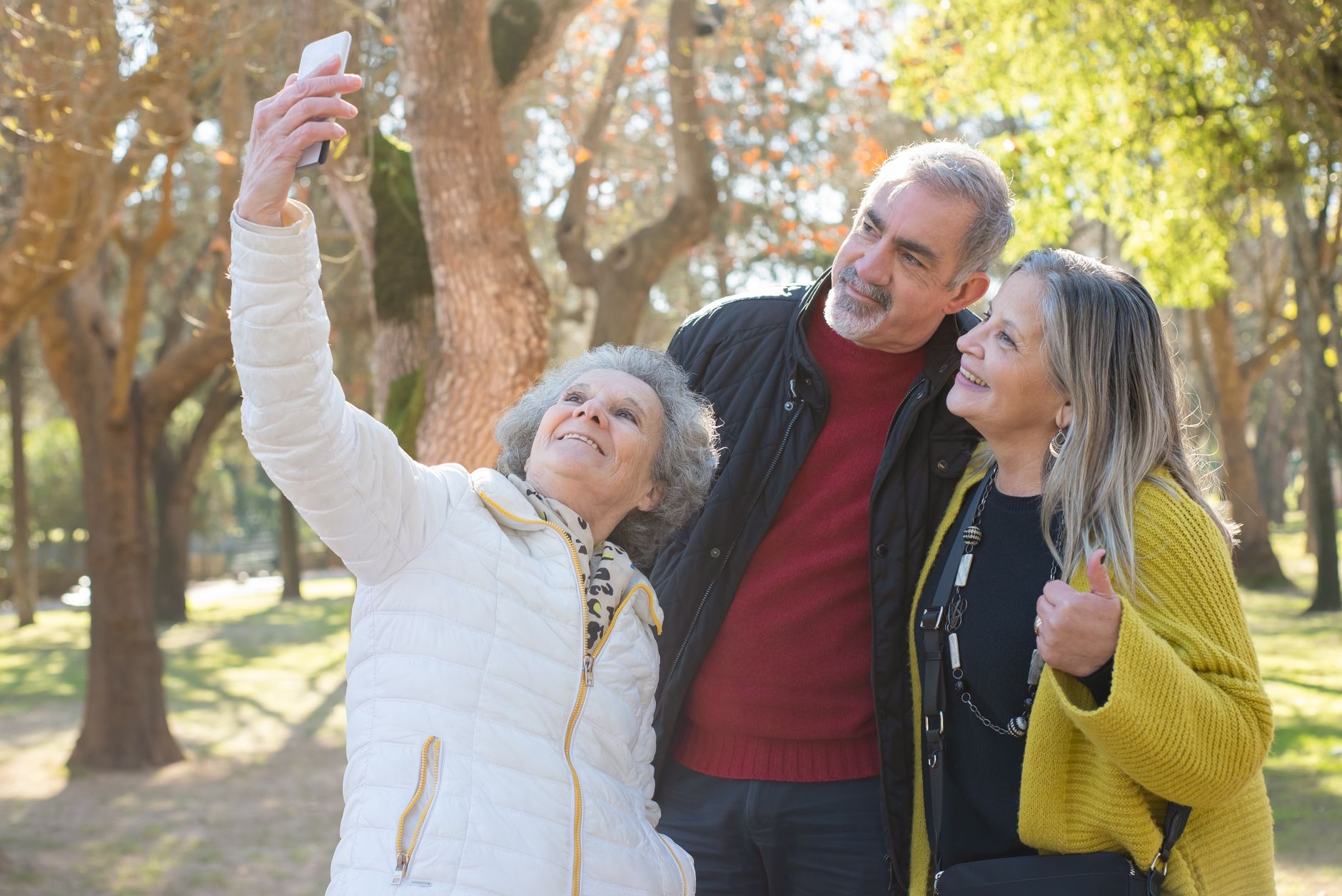
Phone calls, in-person visits, group activities, and community involvement aren’t optional luxuries—they’re medical interventions as powerful as medication. Someone who attends a weekly book club, calls family members regularly, and participates in community gardening is making health decisions, not just social ones. The comparison is uncomfortable but true: a lonely retired person with a substantial pension will decline faster than a connected person with modest resources. One practical warning: the internet and social media can create an illusion of connection without delivering the neurobiological benefits of in-person interaction. A retired person scrolling social media for three hours daily while having no face-to-face conversations is still isolated, despite digital connection. Real social connection requires presence and physical proximity.
THE POWER OF SMALL DAILY CHANGES ACCUMULATING OVER TIME
University of Sydney research published in January 2026 examined 59,000+ older adults and found that small daily changes like sleeping a bit more, moving more, and eating better may add years to life and improve health with age. The study is important precisely because it’s not dramatic. It shows that you don’t need to become a fitness competitor or follow extreme diets to see longevity benefits. Modest, consistent changes compound.
The specific example from the research: older adults who added 30 minutes of additional sleep per night while also increasing daily movement by 15-20 minutes and improving food quality showed measurable health improvements within months. Three small tweaks—less dramatic individually—created a combined effect. This matters for retirement planning because it suggests that transformation is achievable through discipline rather than revolutionary lifestyle change. Most retirees can find 30 minutes of additional sleep and 15 minutes of additional movement.
PLANNING YOUR DAILY ACTIVITIES BEFORE RETIREMENT ARRIVES
The transition to retirement often disrupts daily rhythms precisely when those rhythms matter most. People who work full-time exercise during lunch or after work, maintain social contact through colleagues, and structure meals around work schedules. Retirement removes that external structure. Daily activities that mattered—and happened automatically—suddenly require deliberate planning.
Forward-looking insight: the retirees who age most successfully are those who plan their daily activities before retirement arrives, not after. They identify the exercise activities they’ll pursue, the social groups they’ll join, the sleep and meal schedules they’ll maintain. They treat daily activities with the same intentionality they applied to pension calculations and savings goals. The result is retired life that extends both longevity and quality, transforming a pension from a financial question into a genuine security—the ability to live independently and meaningfully for decades.
Conclusion
Daily activities matter because they determine what your body can do with whatever financial resources you’ve accumulated. A substantial pension provides little security if health has deteriorated to the point of needing constant care. A modest pension provides excellent security if you’ve maintained the physical strength, mental clarity, cognitive function, and social engagement that allow independence. The evidence from the University of Sydney, ScienceDaily, and decades of health research confirms what reasonable people already suspect: 30 minutes of activity per week, 7-9 hours of sleep nightly, whole-food nutrition, nervous system regulation, and meaningful social connection are the actual pillars of retirement success.
Begin now. If you’re still working, use your current structure to build these habits. If you’re retired, treat daily activities as seriously as you treated your retirement portfolio. Small changes—sleeping 30-60 minutes more, moving an additional 15 minutes daily, adding one social commitment weekly—accumulate into years of additional healthy life and the independence that makes those years worth living.
You Might Also Like
- The Rfc and Your Daily Activities
- When You Can’t Do Your Old Job
- Wealth Inequality and Life Expectancy Gaps Reshape Social Security Outcomes